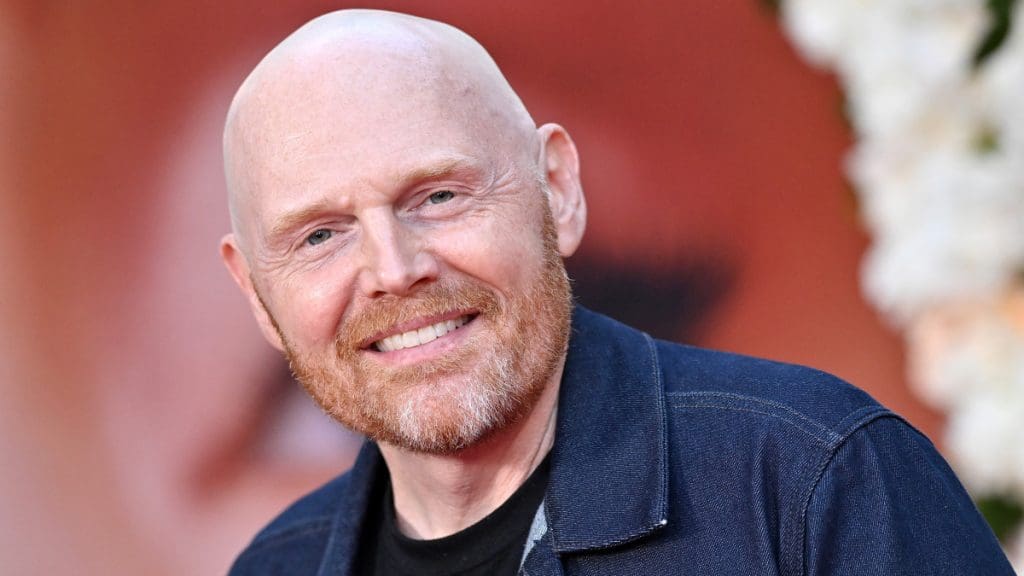
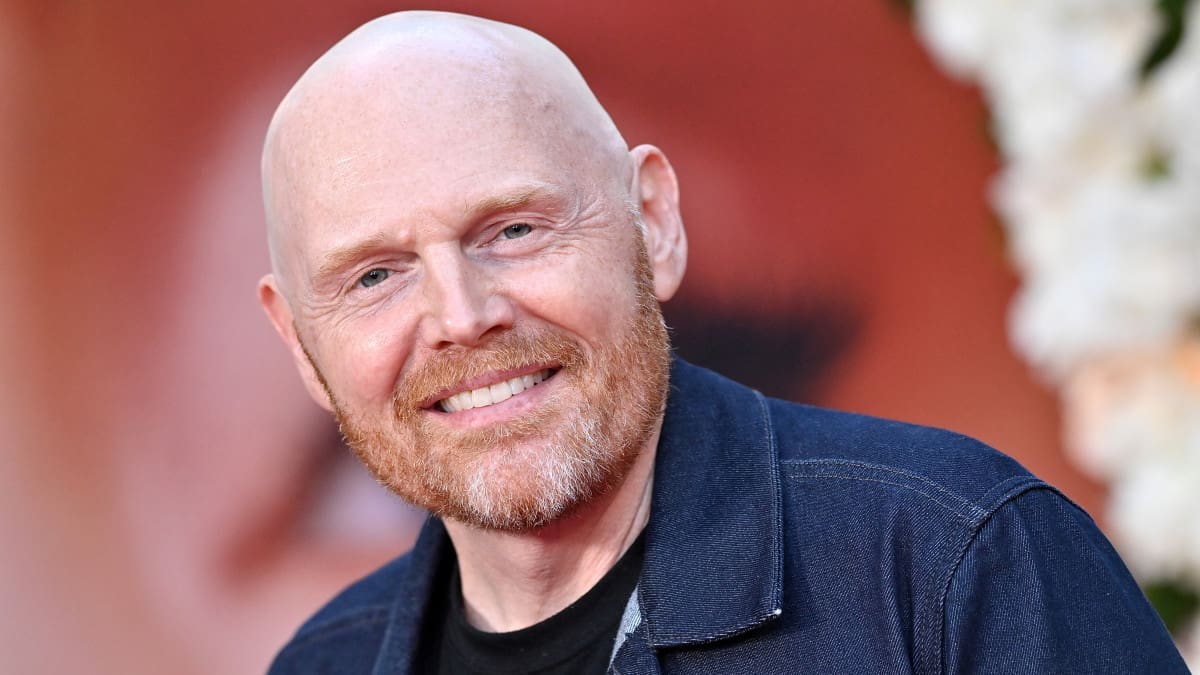
How did Bill Burr build this fortune?
The answer unfolds through the career, earnings, deals and assets behind the headline estimate.
Before the fame
The background and early turning points that shaped Bill Burr’s route to prominence.
Born in Massachusetts in 1968, Burr began performing stand-up in Boston in the early 1990s and moved to New York as he developed a national career. His ascent was gradual: club dates, radio appearances, comedy albums and supporting acting work preceded arenas. That long early period produced taxable income but also travel and living costs, so the model does not backfill his later per-show economics across years when venues and ticket prices were much smaller.
The Monday Morning Podcast, launched in 2007, helped Burr reach listeners without relying on television gatekeepers. He later co-founded All Things Comedy with Al Madrigal. The company’s own description identifies it as a podcast network and production company creating digital series, stand-up specials, podcasts, television and features. The structure provides advertising and production opportunities, but neither ownership percentages nor audited profits are public.
The breakthrough years
The career decisions and defining moments that turned recognition into sustained earning power.
Streaming broadened the audience further through specials including You People Are All the Same, I’m Sorry You Feel That Way, Walk Your Way Out, Paper Tiger and Live at Red Rocks. In 2024, TheWrap reported that his eighth special would move to Hulu after several Netflix releases. The 2025 result, Drop Dead Years, is documented by Disney+’s programme page; no platform disclosed Burr’s fee.
What the work can earn
Reported pay, contracts, royalties and performance income reveal how the fortune was funded.
Arena and stadium demand supplies the strongest market evidence. Pollstar reported that three Detroit shows in November 2021 grossed $935,840 from 14,842 tickets and two California shows grossed $494,053 from 4,352 tickets. Burr subsequently became the first comedian booked to headline Fenway Park, as confirmed by the Red Sox event page.
Screen income adds breadth rather than a transparent headline. Burr co-created and voiced Netflix’s five-season F Is for Family; Netflix’s title page credits him and Michael Price as creators. He also wrote, directed and starred in Old Dads; the United Center’s contemporary biography documented those three roles while the film was in production. Creator, producer, writer and performance fees can accumulate, but viewing figures do not reveal his backend or convert directly into dollars.
The business beyond the main career
Endorsements, ownership interests and investments can keep compounding long after the initial breakthrough.
Acting in Breaking Bad, The Mandalorian, The King of Staten Island and other projects provides additional fees and residuals. Podcast advertising and live reads create recurring income at lower distribution cost than touring, yet public download numbers and ad rates are incomplete. HMW therefore uses a moderate cumulative allowance for screen and audio work rather than applying a generic cost-per-thousand rate to every historical episode or assuming every listener was monetised.
All Things Comedy is an operating asset, not a disclosed windfall. Its value depends on Burr and Madrigal’s stakes, podcast contracts, staff costs, library ownership and profitability. None is public enough for a conventional revenue multiple. The company is included only through a modest retained-business allowance and cash distributions. Similarly, HMW does not capitalise Burr’s personal audience as if it were a separately saleable social-media company.
Notable luxury item
A reported property or major asset offers a tangible glimpse of the wealth behind the public estimate.
Property evidence supplies one concrete historical checkpoint. Cottages & Gardens reported that Burr’s 2,663-square-foot Los Feliz villa sold for $1.65 million in 2019. A sale price is not sale profit: the purchase basis, mortgage balance, commissions and tax are needed to calculate equity. The model therefore includes only a cautious housing allowance and does not assume he retained the full proceeds or still owns that residence.
Bill Burr’s estimated net worth
Public estimates vary because private contracts, investments, taxes and liabilities are not fully disclosed.
How this estimate is calculated
The calculation models Burr’s share of documented ticket grosses and extends that rate cautiously across known touring years, with lower assumptions for clubs and theatres. It adds conservative special-licensing, acting, directing, creator, podcast and production income, plus limited property and All Things Comedy value. It then deducts tour overhead, federal and California tax, agents, managers and long-term family spending. No gross is counted as net, and no undisclosed company multiple is manufactured, producing a rounded retained-wealth estimate.
Those figures are gross ticket sales. Promoters, venues, ticketing, staff, travel, insurance and production are paid before Burr’s share, and then federal and state taxes and representatives take further portions. HMW models an artist participation percentage rather than treating $935,840 as savings. The long run of clubs, theatres, arenas and international engagements is counted at changing scale, with recent stadium-level demand confined to recent years.
Evidence is strongest for selected Boxoffice reports, the Los Feliz sale and the existence of specific productions. It is weaker for the full career tour gross, platform fees, podcast margins, company ownership and current debt. A 2024 Pollstar-derived ranking reported substantial annual box office, but HMW treats it as corroboration of scale rather than a personal salary. Future shows, unannounced specials and a hypothetical All Things Comedy sale are excluded.

JavaScript is off, so all sections are displayed together.