 How Much Are They Worth?
Celebrity fortunes, explained
How Much Are They Worth?
Celebrity fortunes, explained







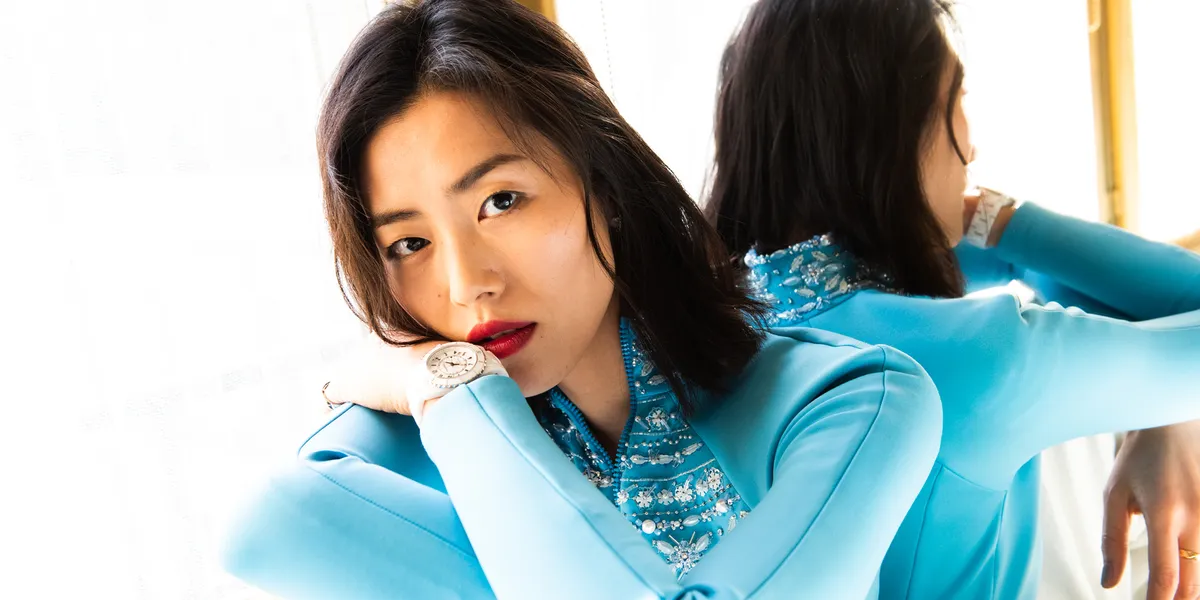
How did Liu Wen build this fortune?
The answer unfolds through the career, earnings, deals and assets behind the headline estimate.
Liu Wen before the fame
The background and early turning points that shaped Liu Wen’s route to prominence.
Liu Wen was born in Yongzhou, Hunan province, China, and grew up far from the established fashion capitals in which she would later work. She has described being noticeably tall at school and entering a modelling competition as a teenager after encouragement from her mother to improve her posture. The competition opened a route to Beijing and early editorial work. Vogue India’s Liu Wen model profile places her start in the New Silk Road World Model Contest and recounts her move from Hunan into the Chinese editions of major fashion magazines.
After working in China, Liu’s international prospects accelerated when European fashion professionals noticed her editorial photographs. She travelled to Paris and then became a regular presence in New York, Milan and Paris castings. The pace was demanding: at her peak early runway seasons she booked scores of shows, learning to move between very different designers and presentation styles. Her advantage was not only appearance but dependability and adaptability. The South China Morning Post’s career retrospective describes her discovery, international move and sequence of historic firsts.
Liu Wen’s breakthrough years
The career decisions and defining moments that turned recognition into sustained earning power.
Burberry’s Milan runway in 2008 is commonly identified as Liu’s international breakthrough. Soon afterward she became the first Chinese model to walk the Victoria’s Secret Fashion Show, a highly visible booking at the time. Estée Lauder then selected her as its first East Asian global spokesmodel, demonstrating that Asian representation could be central to a worldwide beauty campaign rather than confined to a regional edition. Forbes’ Liu Wen profile identifies the Burberry breakthrough and the global campaigns that followed, while recognizing her among the industry’s highest earners.

What Liu Wen’s work can earn
Reported pay, contracts, royalties and performance income reveal how the fortune was funded.
Liu’s career is marked by milestones: Victoria’s Secret, Estée Lauder, entry into a major highest-paid-model ranking and repeated American Vogue covers. In 2014 she also became the first person shown wearing the Apple Watch on a magazine cover, linking luxury fashion with a major technology launch. Her later French Vogue cover was another representation milestone. Models.com’s professional profile documents these achievements and her campaigns for houses including Alexander McQueen, Bottega Veneta, Calvin Klein, Givenchy, Prada, Valentino and Versace.
Fashion media frequently describes Liu as China’s first global supermodel, a title reflecting both elite bookings and her role in broadening casting expectations. American Vogue’s 2017 multi-model cover placed her within a statement about beauty across national and ethnic boundaries. Vogue’s March 2017 cover portfolio identifies Liu as the first East Asian model in the Victoria’s Secret show and frames the cast around inclusion. Models.com has repeatedly nominated her for Model of the Year and social-media recognition, showing sustained industry relevance rather than a short novelty cycle.
Liu Wen’s business beyond the main career
Endorsements, ownership interests and investments can keep compounding long after the initial breakthrough.
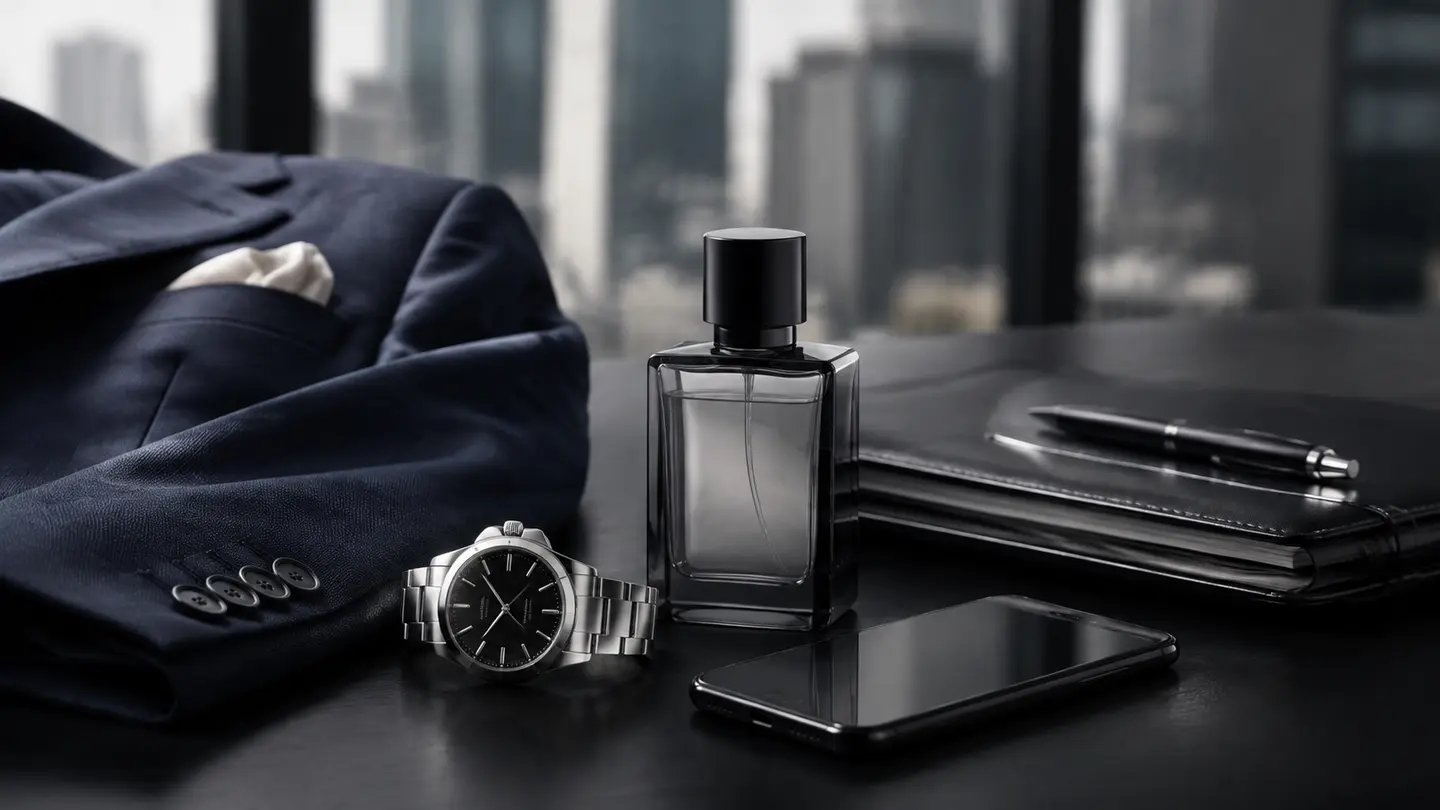
Campaign and ambassador work is likely the largest source of Liu’s accumulated wealth. Her portfolio has included Estée Lauder, Chanel and many leading luxury houses, while her runway and editorial visibility increases the value of those contracts. Social reach in both China and international markets gives her unusual usefulness to global brands. Vogue’s feature on Liu as a modern supermodel describes her relationships with designers and her view that the status carries social responsibility. Contract fees, renewal terms and agency commissions are private, so individual deals are not assigned invented values.
Liu’s primary business remains professional modelling, but her profile now also lists designer and creative-director roles. Those credits suggest a gradual move toward greater creative control rather than proof that she owns a large standalone fashion company. Models.com’s creative-director listing for Liu records those expanded professional roles and her agency representation across major markets. Any agency, production company or label involved in her work has its own assets and liabilities; without documented equity, their value should not be attributed to Liu personally.
Liu Wen’s notable luxury item
A reported property or major asset offers a tangible glimpse of the wealth behind the public estimate.
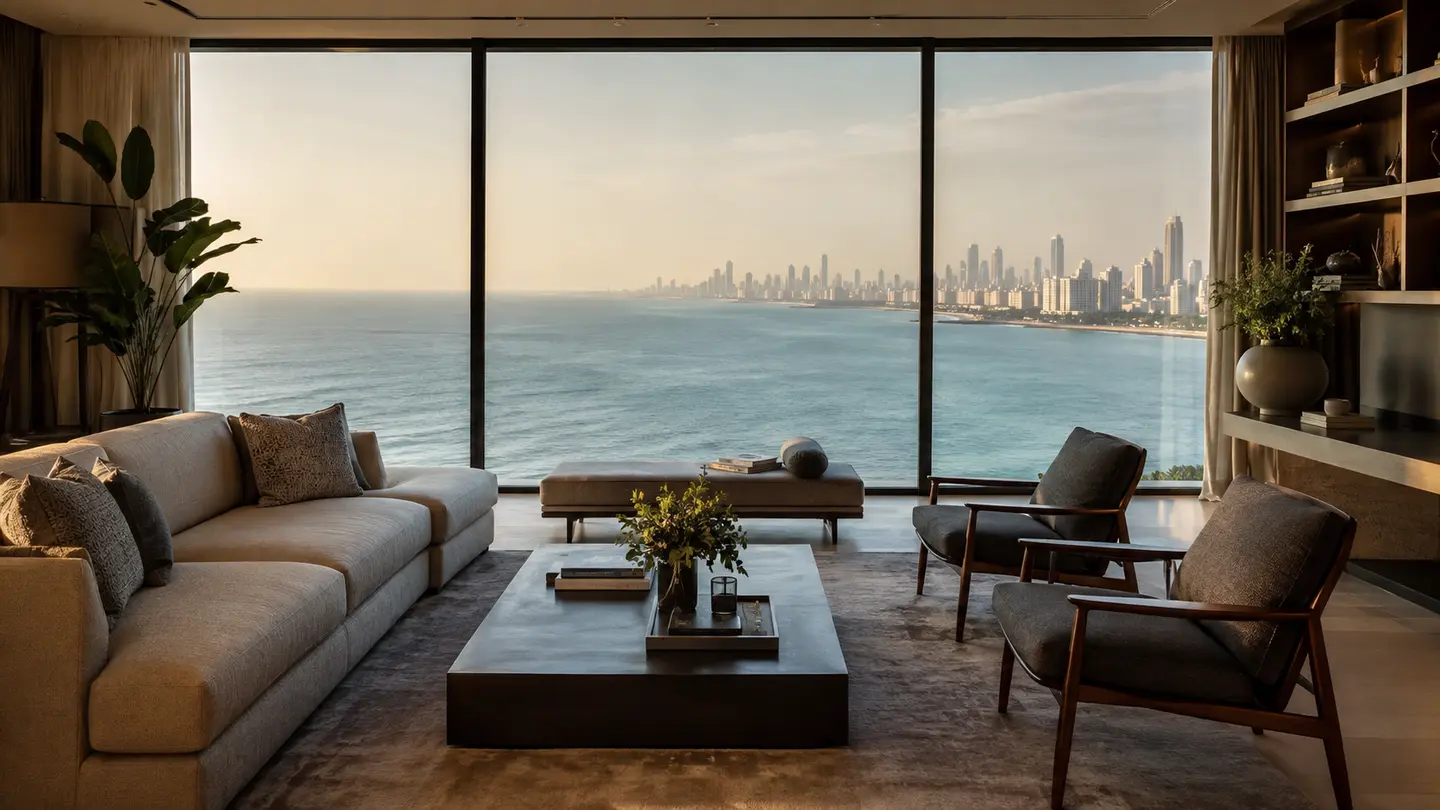
Liu’s work requires frequent residence or extended stays in fashion capitals, but travel photographs and interviews do not establish ownership of apartments, cars or luxury goods. Editorial clothing and accessories are often loaned, while campaign wardrobes belong to clients or production companies. Vogue’s interview about Liu’s personal style describes a mix of designer pieces, travel finds and comfortable basics, not an audited asset inventory. The estimate therefore makes no speculative property addition and distinguishes her own possessions from agency facilities, brand samples and family property.
Liu Wen’s estimated net worth
Public estimates vary because private contracts, investments, taxes and liabilities are not fully disclosed.
How this estimate is calculated
The estimate uses reported historical annual earnings as benchmarks, then considers Liu’s long run of runway, beauty, luxury-campaign and ambassador work. It discounts gross income for agency commission, management, travel, tax and the uneven nature of modelling contracts. A strong year cannot simply be multiplied by her entire career, and follower counts have no direct balance-sheet value. No value is added for unverified homes, borrowed couture, agency assets or businesses in which public evidence does not show an ownership stake. This produces a cautious accumulated-wealth range rather than a publicity-driven total.
Liu Wen’s estimated net worth is $20 million to $30 million. The range reflects more than a decade at the top of global fashion, several major beauty and luxury relationships, and historical evidence that she ranked among the world’s best-paid models. It also recognizes substantial deductions for commissions, tax, travel and career expenses, plus the lack of a public personal balance sheet. The estimate excludes brand-owned campaign items, agency property, relatives’ assets and speculative real estate. It should be read as an evidence-informed range, not as a claim that Liu has disclosed this amount.
Liu’s public image emphasizes professionalism, warmth and representation. She has discussed a broader definition of beauty and the responsibility that comes with supermodel status, while younger Chinese models have cited her as a role model. Vogue’s portrait shows her navigating New York with an accessible, humorous manner rather than cultivating distance. Vogue’s filmed day with Liu Wen offers direct evidence of that public persona. No charitable fund or campaign money is counted as personal wealth, and social impact is treated separately from financial ownership.
Liu has maintained a comparatively low-controversy career, but global ambassadors face political and commercial pressures that ordinary models do not. In 2018 she apologized after a Lunar New Year message used wording that some Chinese social-media users considered insufficiently national, illustrating how international language can be scrutinized across markets. The larger issue is representational: praising one model as a national “first” can obscure many other Asian professionals. This profile therefore describes documented milestones precisely without suggesting that Liu alone caused fashion’s diversity shift or speaks for every Chinese consumer.