How did Jackie Chan build this fortune?
The answer unfolds through the career, earnings, deals and assets behind the headline estimate.
Before the fame
The background and early turning points that shaped Jackie Chan’s route to prominence.
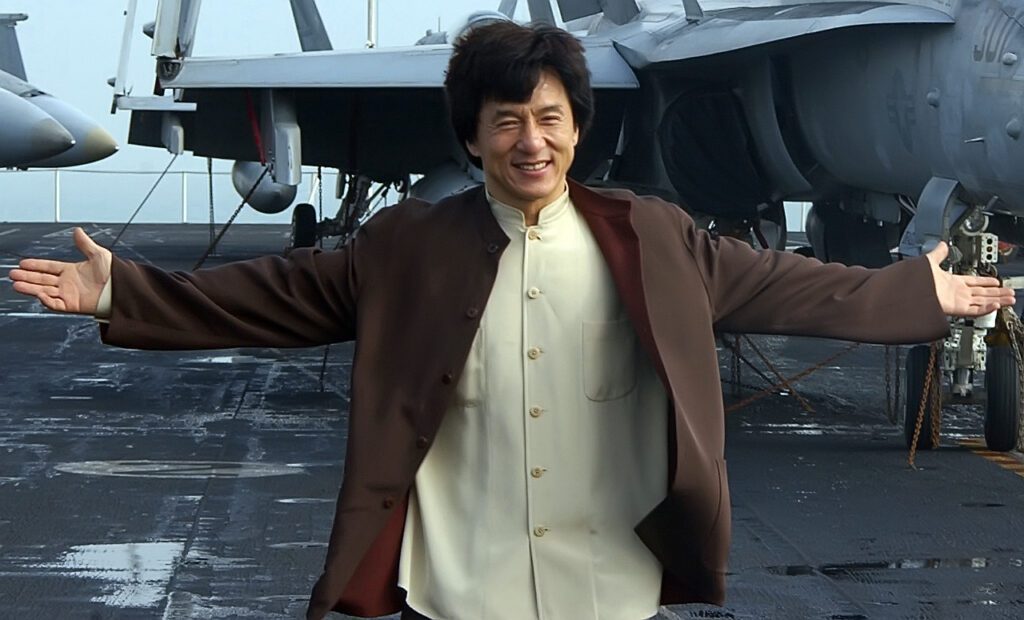
Chan was born in Victoria Peak, Hong Kong, to parents who worked as domestic staff for a French diplomat. At age six, he was enrolled at the China Drama Academy, a Peking Opera school, where he trained rigorously for a decade in martial arts, acrobatics, and acting alongside future collaborators Sammo Hung and Yuen Biao. He is married to Taiwanese actress Lin Feng-chiao and has two children.
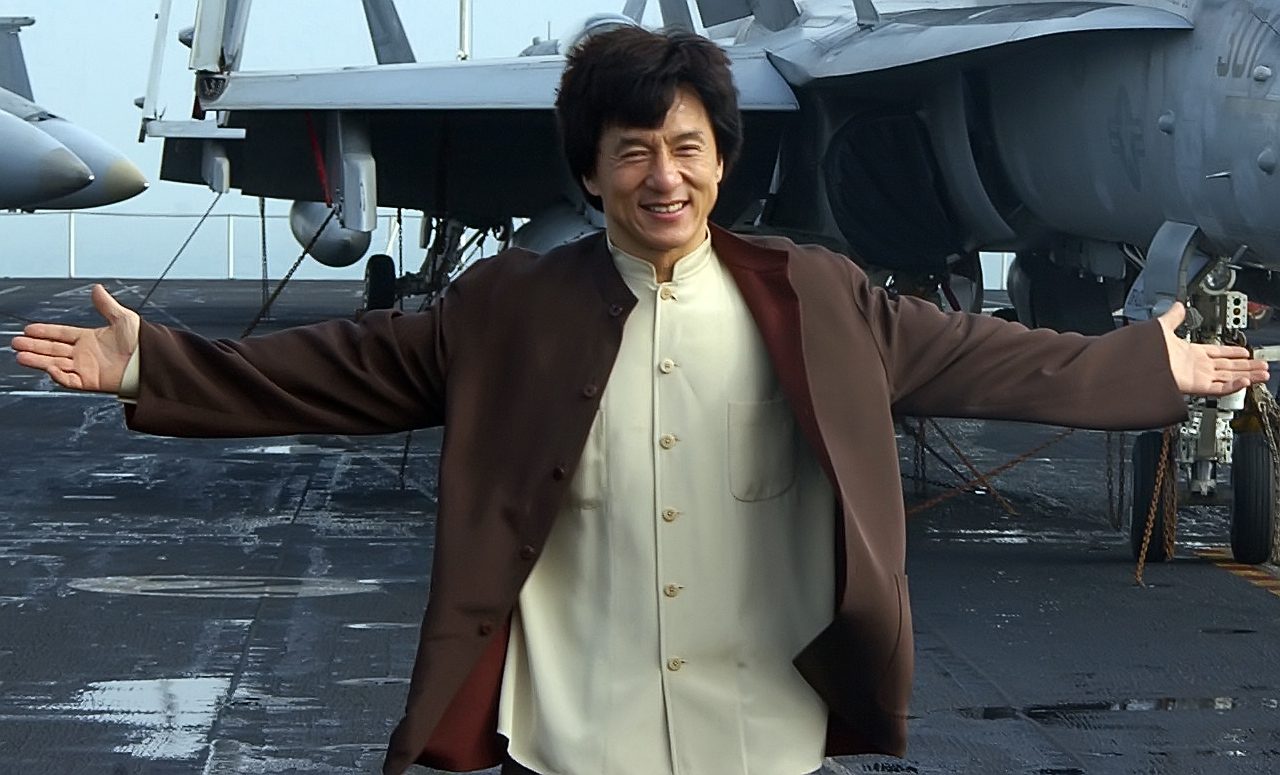
Chan began his film career as a stuntman, including work on Bruce Lee productions, before developing his own signature style blending martial arts with slapstick comedy. His breakthrough came with Snake in the Eagle’s Shadow and Drunken Master (both 1978), which established him as a leading star in Hong Kong cinema. He went on to direct and star in the Police Story series, widely credited with some of the most elaborate practical stunt work ever filmed.
Photo: Luis Villa del Campo via Wikimedia Commons (CC BY 2.0)

The breakthrough years
The career decisions and defining moments that turned recognition into sustained earning power.
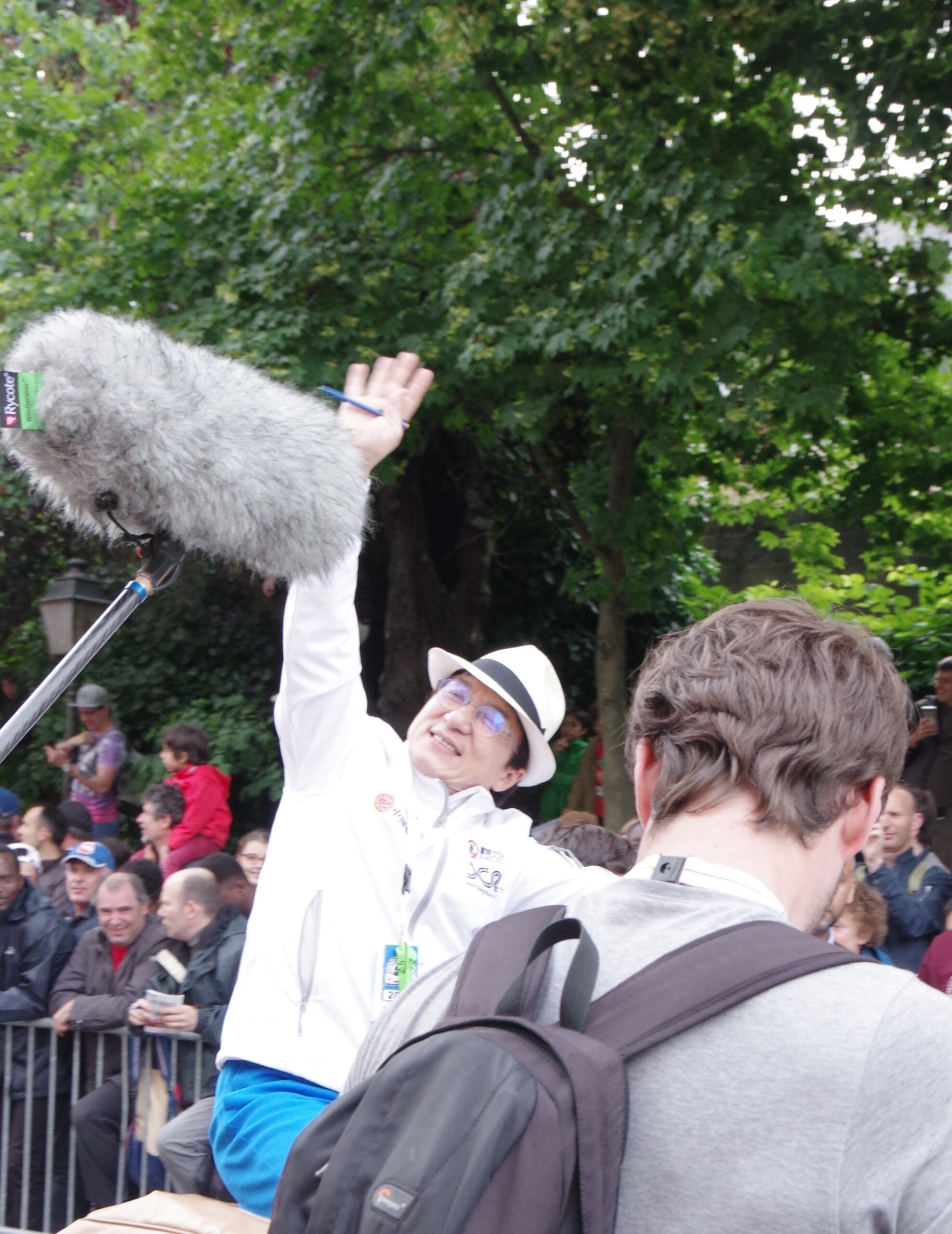
Chan achieved major Hollywood crossover success with Rush Hour (1998) and its sequels, alongside Shanghai Noon and its sequel, cementing him as a global box-office draw. He has also voiced Master Monkey in the Kung Fu Panda franchise and has continued to star in Chinese-language blockbusters. In 2016, Chan received an Honorary Academy Award recognizing his extraordinary achievements in film, including his decades of work as a stunt performer and choreographer.
Photo: David Merrett via Wikimedia Commons (CC BY 2.0)
What the work can earn
Reported pay, contracts, royalties and performance income reveal how the fortune was funded.
At the peak of his Hollywood and Asian box-office career, Chan was consistently ranked among the highest-paid actors in the world by outlets including Forbes, with earnings from film salaries, box-office profit participation, and a large volume of Asian endorsement deals frequently placing him in the tens of millions of dollars annually.
Chan’s film salaries have varied widely across his Hong Kong and Hollywood work, with major studio productions such as the Rush Hour franchise reportedly paying him several million dollars per film plus box-office bonuses. His Hong Kong and mainland Chinese productions, where he has also acted as producer and director, have added further profit participation beyond a standard acting fee.
The business beyond the main career
Endorsements, ownership interests and investments can keep compounding long after the initial breakthrough.
Chan has held one of the longest-running celebrity endorsement relationships in Asia as a spokesperson for Mitsubishi Motors, a partnership that lasted for decades. He has also endorsed numerous other consumer brands across Asia over his career, reflecting his status as one of the region’s most bankable and trusted celebrity faces.
Chan has built a business portfolio that includes the JC Group, spanning restaurants, retail outlets, and film production interests, along with real estate investments in Hong Kong and mainland China. He has publicly stated intentions to donate a substantial portion of his fortune to charity rather than leave it to his children, a stance he has repeated in multiple interviews over the years.
Notable luxury item
A reported property or major asset offers a tangible glimpse of the wealth behind the public estimate.
Chan has owned residential property in Hong Kong and mainland China, along with reported holdings in Los Angeles connected to his Hollywood filming work. His collection of vehicles and property assets across Asia and the U.S. reflects his decades of high box-office earnings, though he has also donated buildings and materials — including timber from a demolished Beijing courtyard house — to museums and universities rather than retaining every asset personally.
Jackie Chan’s estimated net worth
Public estimates vary because private contracts, investments, taxes and liabilities are not fully disclosed.
| 1978 | Breakout roles in Snake in the Eagle’s Shadow and Drunken Master |
| 1980s | Establishes Police Story franchise; becomes a top Hong Kong box-office star |
| 1998 | Rush Hour becomes a major U.S. box-office hit, launching his Hollywood crossover |
| 2000s | Long-running Mitsubishi Motors endorsement and expanding Asian business interests |
| 2016 | Receives Honorary Academy Award for lifetime achievement |
| 2026 | Estimated net worth widely reported in the $400m-$500m range |
Chan is frequently compared to fellow Hong Kong action stars Sammo Hung and Yuen Biao, his former classmates from the China Drama Academy, both of whom have had successful but smaller-scale careers. Among global action stars, he is also often compared with Bruce Lee, whose career and legacy influenced Chan directly, though Lee’s early death limited his own long-term earning potential compared with Chan’s five-decade career.
Sources and references
Sources referenced for this article include Forbes, the Academy of Motion Picture Arts and Sciences’ 2016 Honorary Award materials, and reporting on Chan’s business ventures across Hong Kong and mainland China. Net worth figures are estimates compiled from public entertainment-business reporting. Last updated: August 2026.
From a Peking Opera school student to a global action-cinema icon, Jackie Chan’s finances reflect five decades of box-office success, savvy Asian endorsement deals, and a business portfolio built well beyond the screen.
Answer 5 questions about Jackie Chan and get a free offer
Take the QuizJavaScript is off, so all sections are displayed together.