
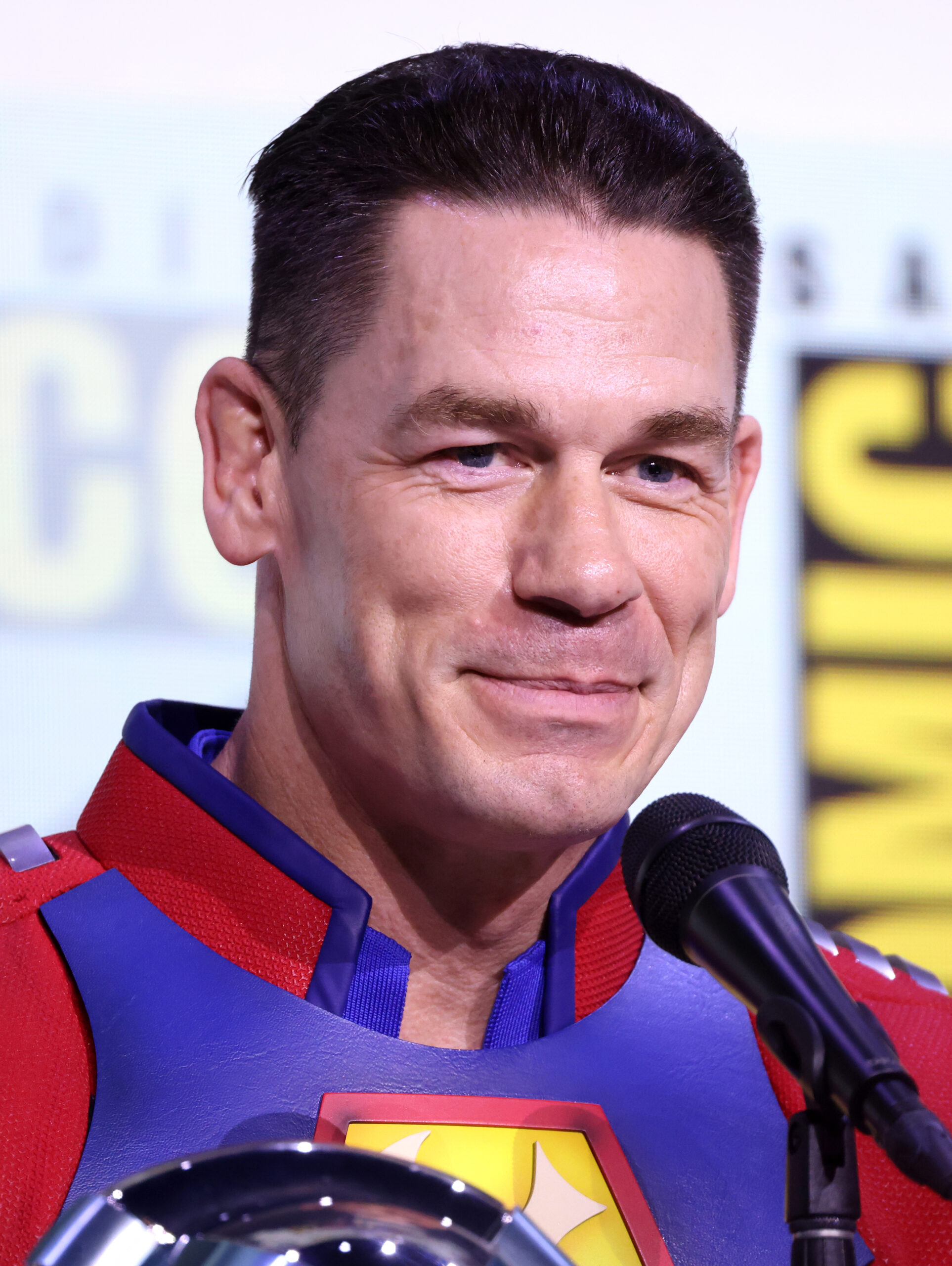
 How Much Are They Worth?
Celebrity fortunes, explained
How Much Are They Worth?
Celebrity fortunes, explained









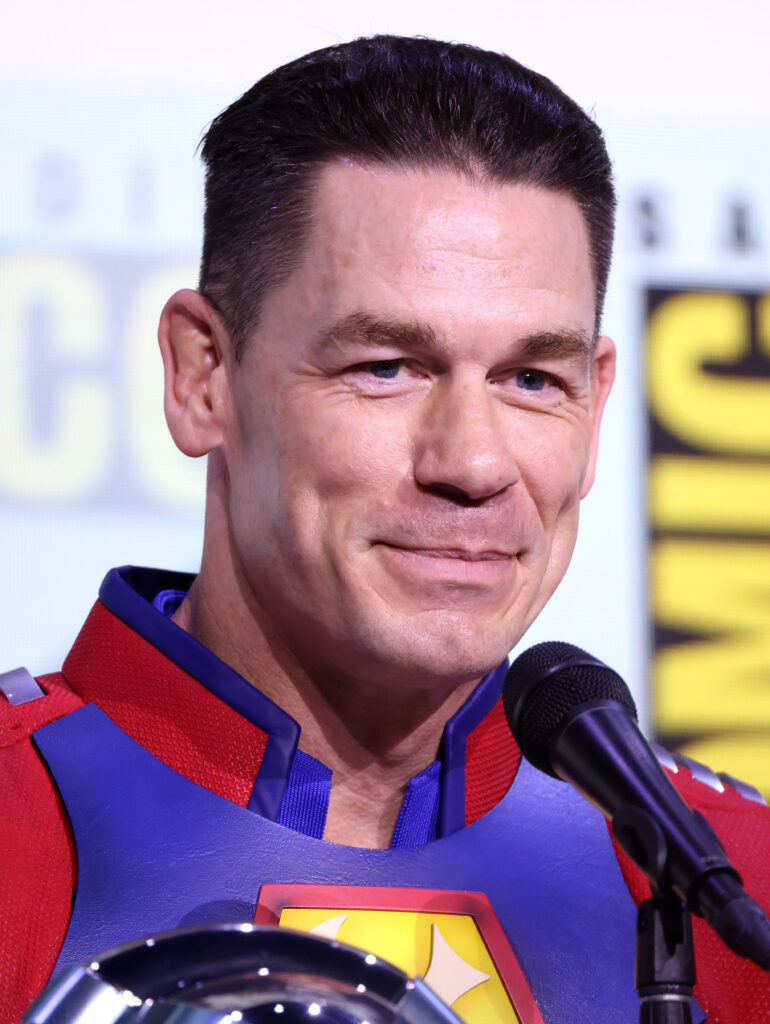
How did John Cena build this fortune?
The answer unfolds through the career, earnings, deals and assets behind the headline estimate.
Before the fame
The background and early turning points that shaped John Cena’s route to prominence.
John Felix Anthony Cena was born on 23 April 1977 in West Newbury, Massachusetts, one of five brothers. He took up bodybuilding as a teenager, studied exercise physiology at Springfield College, where he also played American football, and moved to California after graduating to pursue bodybuilding and professional wrestling.
Those early years were lean. He has described living out of his car and working at a gym, and he bought a 1989 Jeep Wrangler with his first WWE pay cheque, a vehicle he still owns, according to CNBC.
Cena trained in California and was signed by WWE in 2001, then developed in its Ohio Valley Wrestling system before debuting on SmackDown in June 2002 against Kurt Angle. His early character was unremarkable, but his rapping ‘Doctor of Thuganomics’ persona in 2003 gave him a distinctive voice.
He released a rap album, You Can’t See Me, in 2005 and won his first WWE Championship at WrestleMania 21 that year. From then on he was the company’s central figure, the face of its merchandise and its most requested star for public appearances.
The breakthrough years
The career decisions and defining moments that turned recognition into sustained earning power.
For more than a decade Cena was WWE’s defining star and its best-paid performer. Forbes estimated that he earned $9.5 million in 2015, with the biggest base salary of any weekly performer and dominant merchandise sales, according to Forbes.
In its 2018 ranking, Forbes estimated his earnings at $10 million, the most of any WWE wrestler and up $2 million on the previous year, reflecting a busier ring schedule and rising income outside wrestling. By then Hollywood was taking notice, with scene-stealing comic roles in Trainwreck (2015) and Blockers (2018).

What the work can earn
Reported pay, contracts, royalties and performance income reveal how the fortune was funded.
At WrestleMania 41 in April 2025, Cena defeated Cody Rhodes to win the undisputed WWE Championship and break Ric Flair’s record with a 17th world title, as reported by ESPN. He retired from in-ring competition at Saturday Night’s Main Event in Washington, D.C., on 13 December 2025, losing his farewell match to Gunther, according to WWE and ESPN.
His screen career became a second peak. He joined the Fast & Furious franchise in F9, which grossed about $726 million worldwide according to Box Office Mojo, played Peacemaker in The Suicide Squad and led the HBO Max spin-off series Peacemaker, and went on to star in films including Fast X, Ricky Stanicky and Heads of State.
Cena holds a Guinness World Records title for the most wishes granted through the Make-A-Wish Foundation, verified at 650 in 2022, according to Guinness World Records. The next-highest individual total in the foundation’s history was below 200, as CNBC reported.
His 17 world championships are a WWE record, and his catchphrase ‘You can’t see me’ and the long-running internet joke about his invisibility have made him one of the most recognisable figures in popular culture, far beyond wrestling fans.

The business beyond the main career
Endorsements, ownership interests and investments can keep compounding long after the initial breakthrough.
Cena’s merchandise was among the best-selling in WWE’s history, and wrestlers typically receive about 25 per cent of licensing income and 5 per cent of direct-sale profits, as Forbes explained in its earnings analysis. His brightly coloured T-shirts and caps were a constant presence at events for more than a decade.
He has appeared in advertising for various brands and has been a long-standing ambassador for anti-bullying and youth causes linked to WWE. Individual endorsement fees have not been published.
Beyond wrestling and acting, Cena built a publishing sideline. His picture book Elbow Grease, about a small monster truck, was published by Penguin Random House in 2018 and became a series, drawing on his own childhood with four brothers.
He has also hosted television, including game shows and award ceremonies, and his WWE income included a share of merchandise licensing, which Forbes identified as a large part of his earnings in his peak years.

Notable luxury item
A reported property or major asset offers a tangible glimpse of the wealth behind the public estimate.
Cena is a known car enthusiast. Alongside the 1989 Jeep bought with his first WWE cheque, reported by CNBC, he has owned a range of American muscle cars.
In 2017 he bought one of the limited-run Ford GT supercars, priced above $450,000, then sold it within weeks, according to CBS News. His property holdings have not been reliably documented in major outlets, so they are treated as unknown here.
John Cena’s estimated net worth
Public estimates vary because private contracts, investments, taxes and liabilities are not fully disclosed.
How this estimate is calculated
Two published figures touch Cena’s own money, and both describe a single year’s earnings. Forbes estimated that he earned $9.5 million in 2015, with the biggest base salary of any weekly performer. The Post and Courier, reporting the later Forbes ranking, states that he earned $10 million in 2017 to overtake Brock Lesnar as WWE’s highest-paid performer, up $2 million on the year before, with more than $2 million of it coming from outside wrestling. Nothing has been published about what he owns.
Using those years as the top of a curve rather than the average of one, his WWE income from 2005 to 2018 plausibly averaged $6 million to $8 million a year, or about $85 million to $110 million gross over fourteen years. His screen work since 2018, including Peacemaker and studio films such as F9, which grossed about $726 million according to Box Office Mojo, plausibly added $40 million to $60 million gross, alongside part-time WWE appearances up to his farewell in 2025.
On total gross earnings of about $130 million to $170 million, deducting roughly 45 to 50 per cent for tax and representation leaves $65 million to $90 million, from which living costs must come. That gives about $50 million to $80 million.
Two sourced years are carrying twenty. The shape of his income changed twice — a full-time WWE contract, then film and television leads, then a part-time schedule — and each phase would need figures of its own that have never been published; none of his contracts has. The box office of films he appears in, such as F9, belongs to the studios that financed them and is quoted above only to show the scale of the work, not as income.
Confidence: Indicative – two single years of a magazine’s earnings estimates are the only figures about his money, nothing records what he owns, and the other twenty years of the working are assumed.
Cena’s charity work is the most consistent part of his public image. He granted his first Make-A-Wish request in 2002, according to CNBC, and continued to meet children with critical illnesses throughout his career.
His image has shifted over the years, from a divisive wrestling hero loudly booed by part of WWE’s audience to a widely liked comic actor, a transition helped by his willingness to poke fun at himself.
Ford sued Cena in 2017 for selling his Ford GT in breach of a clause requiring buyers to keep the car for two years. According to CBS News, the suit said he had apologised and explained that he sold the car to raise cash. The case was settled in 2018 for an undisclosed sum, which Ford donated to charity, according to Fox News.
In 2021, while promoting F9, he called Taiwan a country in an interview, then posted a Mandarin apology to Chinese audiences, which was widely criticised both in China and in the United States, as reported by Variety and NBC News.