
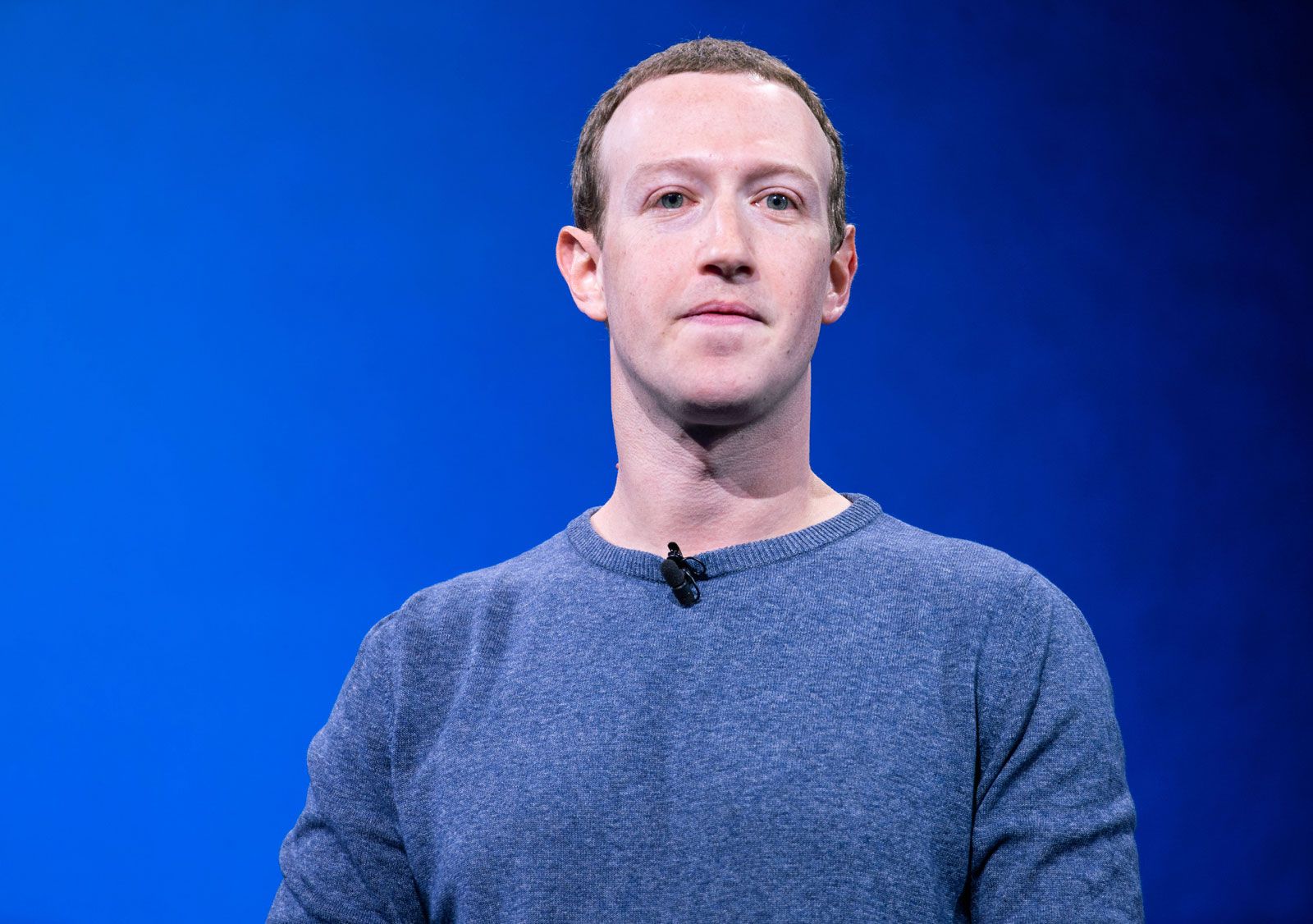
 How Much Are They Worth?
Celebrity fortunes, explained
How Much Are They Worth?
Celebrity fortunes, explained









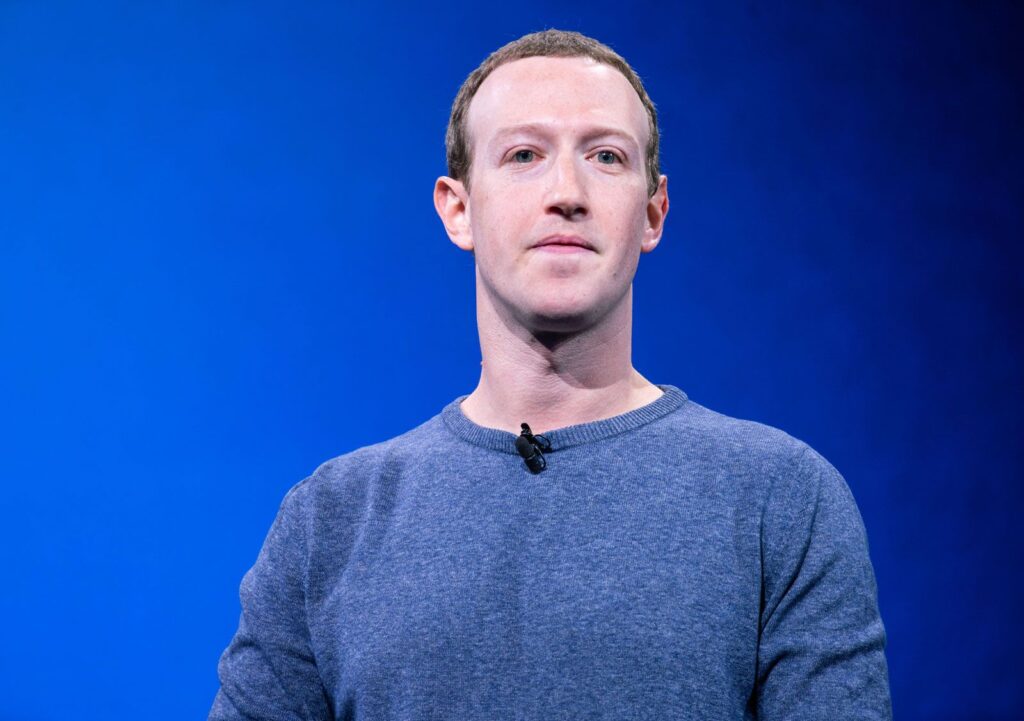
How did Mark Zuckerberg build this fortune?
The answer unfolds through the career, earnings, deals and assets behind the headline estimate.
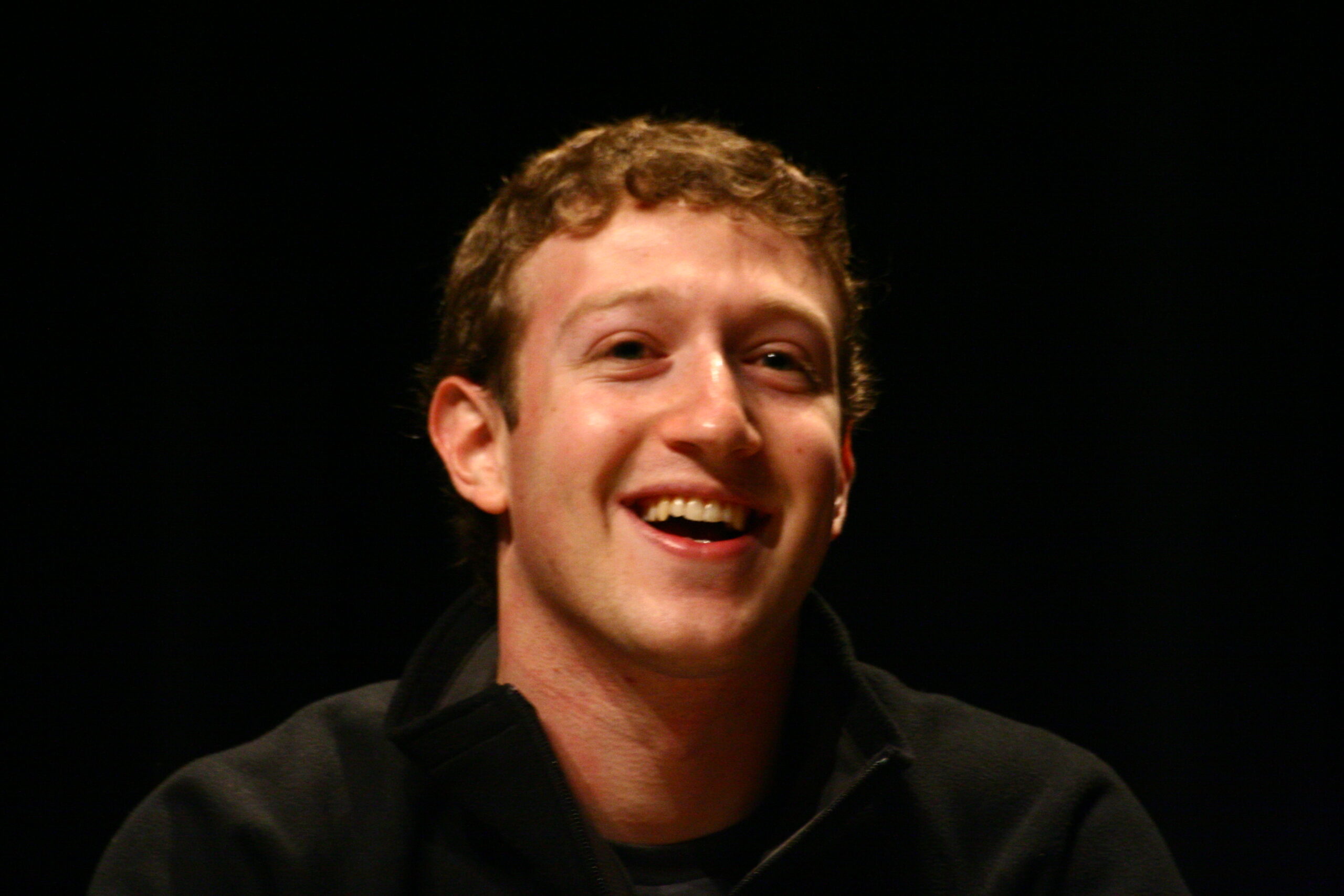
Mark Zuckerberg before the fame
The background and early turning points that shaped Mark Zuckerberg’s route to prominence.
Zuckerberg was born on May 14, 1984, in White Plains, New York, and grew up in the nearby town of Dobbs Ferry. His father, Edward Zuckerberg, ran a dental practice, and his mother, Karen Zuckerberg, worked as a psychiatrist before staying home to raise Mark and his three sisters. He began teaching himself computer programming as a child and was writing his own software programs well before high school. He attended Phillips Exeter Academy in New Hampshire before enrolling at Harvard University in 2002, where he studied computer science and psychology and quickly built a reputation for coding side projects between classes.
In 2003, Zuckerberg created a campus website called Facemash that let Harvard students rate photos of fellow students, an episode that drew disciplinary attention but also revealed his knack for building sites that spread quickly by word of mouth. In February 2004, he launched a new project called TheFacebook from his Harvard dorm room, working alongside fellow students including Eduardo Saverin, Dustin Moskovitz, and Chris Hughes. The site was initially restricted to Harvard students before expanding to other universities, and Zuckerberg made the decision to drop out of Harvard to run the growing company full time, relocating its base of operations to Palo Alto, California.
Photo: Jason McELweenie via Wikimedia Commons (CC BY 2.0)
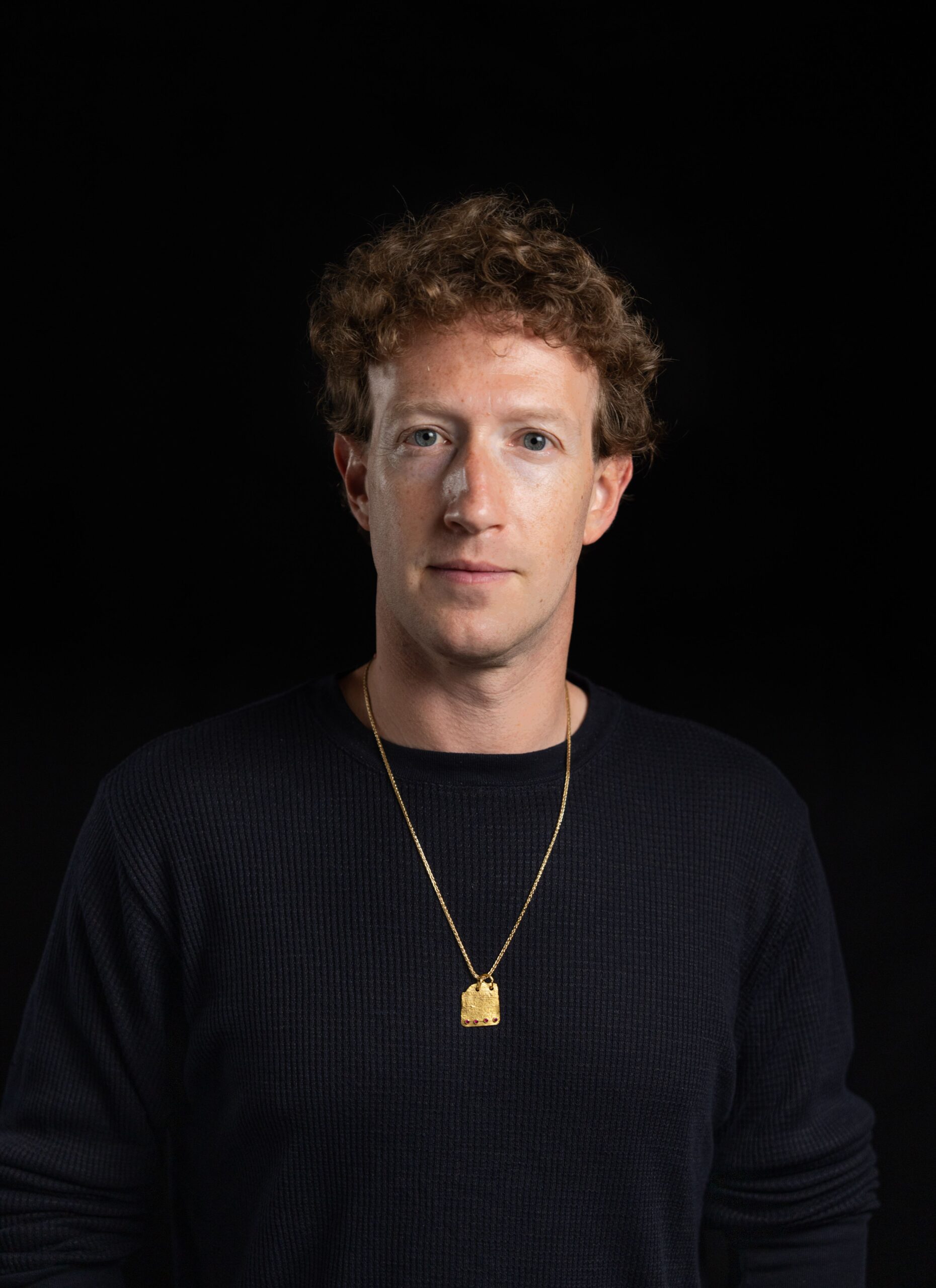
Mark Zuckerberg’s breakthrough years
The career decisions and defining moments that turned recognition into sustained earning power.
Zuckerberg opened Facebook to the general public in 2006, setting off a period of explosive growth that turned it into the world’s dominant social network. The company went public in May 2012 in one of the largest technology IPOs to date. Over the following years, Zuckerberg oversaw a string of major acquisitions that reshaped the company, including Instagram in 2012 for a reported figure of roughly $1 billion, WhatsApp in 2014 for a reported figure of roughly $19 billion, and the virtual reality company Oculus VR in 2014 for a reported figure of roughly $2 billion. In 2021, he renamed the parent company Meta Platforms to signal a long-term bet on the “metaverse,” and from 2023 onward the company shifted much of its investment toward artificial intelligence, developing its Llama family of AI models and pouring tens of billions of dollars into AI data-center infrastructure.
Photo: Jeff Sainlar; Social Producer and Editor, Meta via Wikimedia Commons (CC BY-SA 4.0)

What Mark Zuckerberg’s work can earn
Reported pay, contracts, royalties and performance income reveal how the fortune was funded.
Unlike most public-company executives, Zuckerberg does not draw significant income from a conventional pay package. His earnings as CEO are famously nominal, and his year-to-year financial gains instead track the performance of Meta’s stock, in which he holds a large personal position. When Meta’s share price rises sharply, as it has during the company’s recent AI-driven rally, Zuckerberg’s paper wealth can increase by tens of billions of dollars within a single year; when the stock falls, his net worth falls with it.
Zuckerberg has long taken a base salary of just $1 per year as Meta’s CEO, a structure he has kept in place for over a decade. He does not receive the large annual stock-option grants that many public-company executives use to supplement a token salary; instead, his wealth is concentrated almost entirely in the Meta Class B shares he has held since the company’s earliest days, which carry outsized voting power and allow him to retain firm control over Meta despite owning a minority of the company’s overall equity. This structure means his net worth is best understood as a direct reflection of Meta’s market value rather than as compensation in the traditional sense.

Mark Zuckerberg’s business beyond the main career
Endorsements, ownership interests and investments can keep compounding long after the initial breakthrough.
Because his wealth comes from ownership rather than outside deals, Zuckerberg has largely stayed out of the traditional celebrity endorsement business that drives income for many public figures. He has occasionally participated in public demonstrations and product showcases tied to Meta’s own hardware, such as its Ray-Ban smart glasses and virtual reality headsets, but these appearances promote his own company’s products rather than third-party brands. His financial story is therefore less about endorsement income and more about the scale of his Meta shareholding, which remains the primary engine behind his net worth.
Meta Platforms is by far Zuckerberg’s dominant business interest and the source of nearly all of his fortune. Alongside his wife, Dr. Priscilla Chan, he co-founded the Chan Zuckerberg Initiative in 2015, a philanthropic organization that funds science, education, and community initiatives. The couple has pledged to give away the vast majority of their Meta shares over their lifetimes through the Initiative, meaning a meaningful share of his current net worth is already earmarked for long-term philanthropic use rather than personal spending.

Mark Zuckerberg’s notable luxury item
A reported property or major asset offers a tangible glimpse of the wealth behind the public estimate.
Zuckerberg owns a large residential compound in Palo Alto, California, near Meta’s Menlo Park headquarters, where he has spent years acquiring and consolidating neighboring properties for privacy. He also owns an extensive estate spanning thousands of acres on the island of Kauai, Hawaii, along with additional properties in San Francisco and around Lake Tahoe. These holdings reflect a broader pattern among his generation of tech billionaires of investing in large, private residential compounds rather than the type of public real estate portfolios favored by earlier generations of the ultra-wealthy.
Mark Zuckerberg’s estimated net worth
Public estimates vary because private contracts, investments, taxes and liabilities are not fully disclosed.
| 2004 | Co-founds Facebook (TheFacebook) from his Harvard dorm room |
| 2006 | Opens Facebook to the general public, driving rapid user growth |
| 2012 | Facebook goes public via IPO; acquires Instagram for a reported ~$1 billion |
| 2014 | Acquires WhatsApp for a reported ~$19 billion and Oculus VR for a reported ~$2 billion |
| 2015 | Launches the Chan Zuckerberg Initiative with Priscilla Chan |
| 2021 | Rebrands the parent company as Meta Platforms |
| 2023-2025 | Meta invests heavily in AI infrastructure; stock climbs to record highs |
| 2026 | Estimated net worth widely reported in the $200 billion-$230 billion range |
Zuckerberg is most often compared financially to fellow technology billionaires Elon Musk and Jeff Bezos, both of whom have also built enormous fortunes on the back of large ownership stakes in the companies they founded or lead, rather than salaries. Luxury goods magnate Bernard Arnault is another frequent point of comparison in rankings of the world’s wealthiest people. Unlike Musk’s fortune, which is spread across multiple companies including Tesla and SpaceX, Zuckerberg’s wealth remains unusually concentrated in a single stock, making Meta’s share price the single biggest driver of his ranking among the world’s richest individuals.
Sources and references
Figures referenced in this article are drawn from public wealth-tracking sources including the Forbes Real-Time Billionaires list, the Bloomberg Billionaires Index, and mainstream financial and technology reporting on Meta Platforms’ share price, corporate structure, and executive compensation filings. Net worth figures are estimates compiled from public financial reporting. Last updated: August 2026.
From a Harvard dorm-room project in 2004 to the helm of one of the most valuable companies on earth, Mark Zuckerberg’s financial rise has moved in lockstep with Meta’s transformation from a college social network into an AI-driven technology giant. With his fortune still overwhelmingly tied to a single stock, his position among the world’s richest people will likely keep rising and falling with Meta’s next chapter.
Answer 5 questions about Mark Zuckerberg and get a free offer
Take the Quiz