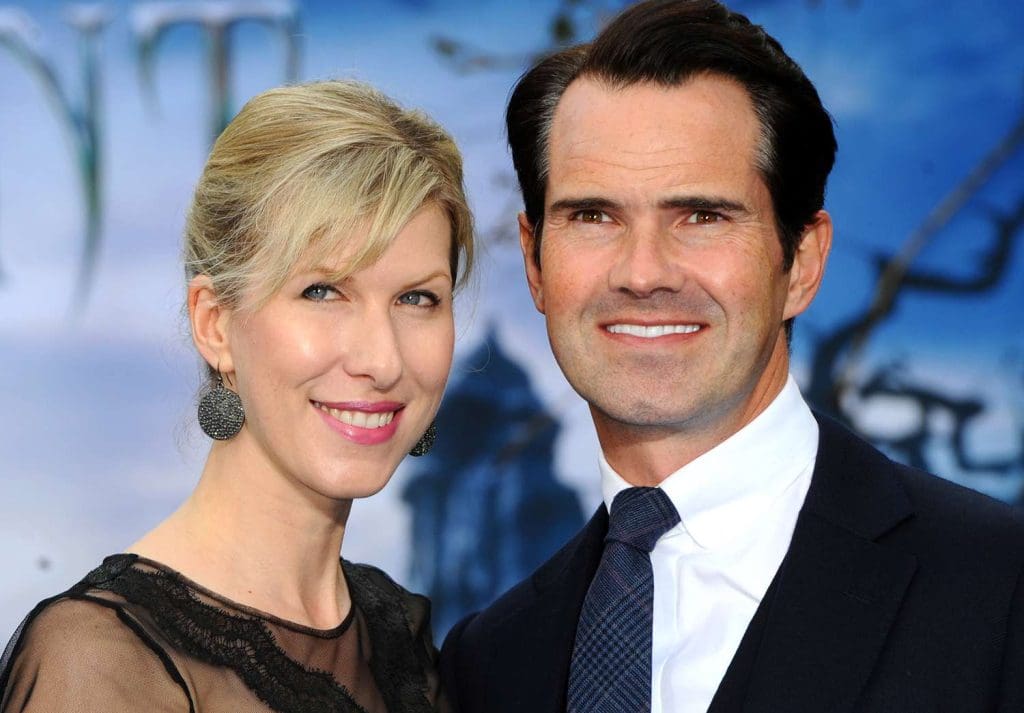
How did Jimmy Carr build this fortune?
The answer unfolds through the career, earnings, deals and assets behind the headline estimate.
Before the fame
The background and early turning points that shaped Jimmy Carr’s route to prominence.
James Anthony Patrick Carr was born in London and raised in Buckinghamshire. After graduating from the University of Cambridge, he worked in marketing before committing to comedy; that change of direction and his early development are covered in his Britannica biography.
Carr began performing stand-up around the end of the 1990s and quickly developed the clipped one-liner style that became his trademark. His television breakthrough followed through Channel 4 panel formats, while his live work expanded from clubs into theatres and arenas. He was nominated for the Perrier Award at the Edinburgh Fringe in 2002, an early indication that the live act could support a national touring business rather than remain a television adjunct.
The breakthrough years
The career decisions and defining moments that turned recognition into sustained earning power.
Hosting 8 Out of 10 Cats established Carr as a nationally recognisable presenter. Channel 4’s programme page for 8 Out of 10 Cats Does Countdown records the enduring spin-off that became another central part of his television career.
What the work can earn
Reported pay, contracts, royalties and performance income reveal how the fortune was funded.
Carr has released numerous recorded specials, including Natural Born Killer on Netflix, while maintaining international tours with exceptionally large numbers of dates. He later became host of Amazon’s UK comedy competition Last One Laughing UK. That catalogue matters financially because a special can be monetised separately from the tour that generated its material, while regular presenting keeps Carr visible between live cycles.
Live ticket sales, television presenting, streaming-special fees, recorded media and publishing are the main documented channels. A 2025 report based on filed accounts said Carr’s company R&I Futures increased its balance-sheet position substantially and incurred a seven-figure tax and social-security charge; Chortle reported the underlying figures. The increase is particularly useful because it reflects retained value after the company’s operating activity, not simply the face value of tickets sold.
The business beyond the main career
Endorsements, ownership interests and investments can keep compounding long after the initial breakthrough.
Beyond his core panel shows, Carr has hosted quiz and entertainment formats and published books. His publisher’s page for Before & Laughter documents the book side of that work, a smaller but durable extension of his comedy catalogue.
R&I Futures Limited is the most important identifiable corporate vehicle. Its filing history is available directly from Companies House. Corporate net assets are not interchangeable with personal wealth, but retained earnings provide firmer evidence than anonymous celebrity lists.
Notable luxury item
A reported property or major asset offers a tangible glimpse of the wealth behind the public estimate.
Press coverage has linked Carr with residential property, including a London home, but current ownership, borrowing and market value cannot be established comprehensively from public reporting. Private pensions, investments, management commissions and the economics of individual streaming contracts are also undisclosed.
Jimmy Carr’s estimated net worth
Public estimates vary because private contracts, investments, taxes and liabilities are not fully disclosed.
How this estimate is calculated
HMW starts with the recent net-asset position of Carr’s main company, then allows conservatively for earnings retained or distributed outside that single balance sheet, long-running television and streaming work, touring income and probable property equity. It also discounts for tax, commissions, production costs and unknown personal liabilities. The company balance is converted to dollars at a rounded recent exchange rate rather than a single day’s rate. The model then adds only a restrained amount for assets likely held personally, because dividends and property cannot be reconstructed completely. The result is broadly consistent with the scale implied by recent accounts without treating gross ticket sales as Carr’s personal income.
His audience spans broadcast television, streaming platforms, books, podcasts and social media, but ticketed live comedy remains the clearest commercial signal. The breadth of that activity helps explain why company accounts alone cannot capture every dimension of the Carr brand.
The strongest evidence is the filed company record, supported by the visible scale of Carr’s touring and media catalogue. The weakest areas are personal liabilities and contract terms. Coverage of the earlier tax controversy, including Carr’s public response, is preserved by BBC News, but it does not establish his present finances.

JavaScript is off, so all sections are displayed together.