 How Much Are They Worth?
Celebrity fortunes, explained
How Much Are They Worth?
Celebrity fortunes, explained










How did Swedish House Mafia build this fortune?
The answer unfolds through the career, earnings, deals and assets behind the headline estimate.
Before the fame
The background and early turning points that shaped Swedish House Mafia’s route to prominence.
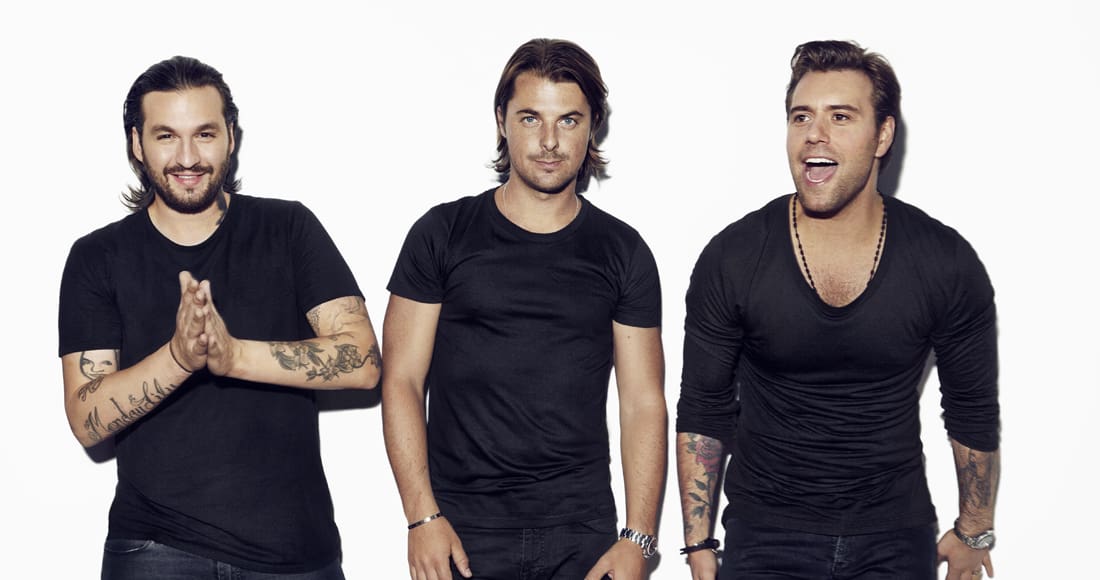
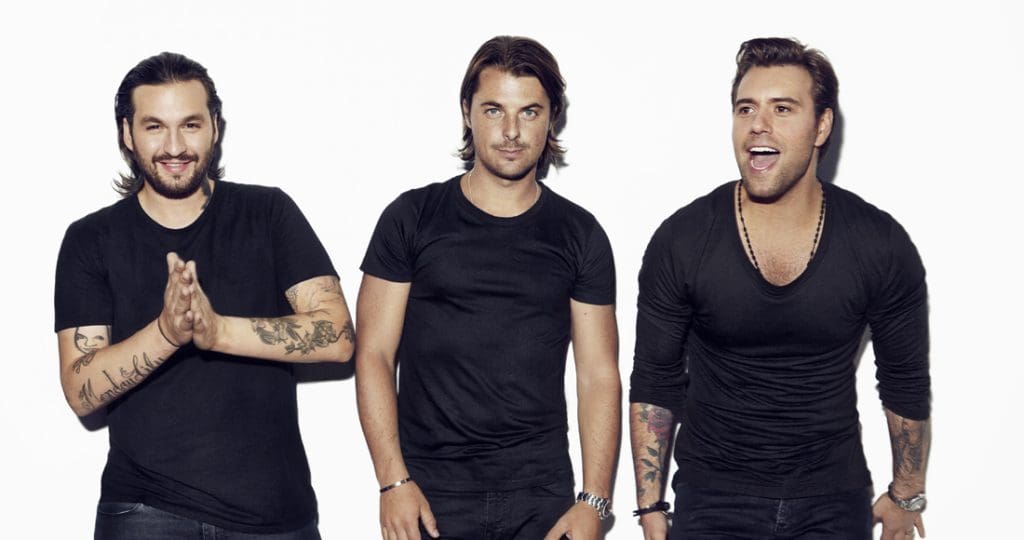
Swedish House Mafia is the performance and recording partnership of Swedish producers Axwell, Steve Angello and Sebastian Ingrosso. The three were established club DJs before the name became a formal act in the late 2000s. Their shared identity matters financially: it is a group brand, not a separate human being, and its catalogue, touring income and commercial agreements must not be confused with the members’ individual holdings. The group’s official Spotify biography dates its formation to 2008 and identifies its arena-scale approach as central to its reputation.
Axwell, Angello and Ingrosso emerged from Stockholm’s electronic-music network, producing records separately and appearing together before formally adopting the collective name. That gradual formation explains why early credits and royalties do not always belong to Swedish House Mafia. Solo recordings, earlier labels and member-owned ventures remain distinct. The detailed Swedish House Mafia history and discography traces the name’s informal use, the trio’s consolidation and the releases that established the act. Early club bookings built both technical chemistry and a recognisable event brand.
The breakthrough years
The career decisions and defining moments that turned recognition into sustained earning power.
The breakthrough came when festival appearances and singles such as “One,” “Miami 2 Ibiza” and “Save the World” moved the trio beyond specialist dance audiences. Their 2011 Madison Square Garden headline show demonstrated that electronic acts could sell an arena on their own identity. “Don’t You Worry Child,” featuring John Martin, subsequently became their defining crossover recording. The UK Official Charts profile for Swedish House Mafia documents the group’s chart record rather than relying on promotional claims.

What the work can earn
Reported pay, contracts, royalties and performance income reveal how the fortune was funded.
The trio turned an announced separation into the global One Last Tour, ending at Ultra Music Festival in 2013. They reunited unexpectedly at Ultra in 2018, followed with a 2019 reunion tour, and released their first studio album, Paradise Again, in 2022. The album featured the Weeknd, Sting, A$AP Rocky and other collaborators; its documented release details appear on the Paradise Again album page. Spotify’s biography also records consecutive Grammy nominations and the trio’s 2022 Coachella headline appearance with the Weeknd.
Swedish House Mafia helped establish progressive house as stadium entertainment, pairing large visual productions with concise vocal hooks. The members’ black-clad image and three-dot emblem became recognisable well beyond clubs. A substantive NME reunion interview describes their split, creative reconciliation and decision to return with new music. Pitchfork’s Paradise Again review assesses the darker sound of their return. Their celebrity is less relevant than durable demand demonstrated by festival headline bookings.

The business beyond the main career
Endorsements, ownership interests and investments can keep compounding long after the initial breakthrough.
The clearest major design collaboration was OBEGRÄNSAD, a limited collection created with IKEA that included furniture, lighting and music-making accessories. IKEA’s official OBEGRÄNSAD collection announcement confirms the partnership and product scope. Such a collaboration may involve creative fees, royalties or promotional consideration, but contract economics are private. It would therefore be unsound to treat retail sales as money received by the trio. Brand value also supports merchandise and event partnerships without proving a particular personal payout.
The core commercial engine includes recording royalties, publishing, neighbouring rights, touring guarantees, merchandise and licensing. The trio have also operated through business entities controlling shared intellectual property. Those entities are not interchangeable with the personal wealth of Axwell, Angello or Ingrosso. In 2021, reporting about offshore structures said a British Virgin Islands company had been formed to manage rights connected with recordings, the name and logo; that reporting concerned ownership architecture rather than proof of hidden personal cash. The group later launched new label activity while continuing festival and concert work.

Notable luxury item
A reported property or major asset offers a tangible glimpse of the wealth behind the public estimate.
No reliable consolidated public register lists property personally owned by all three members, and the partnership should not be assigned houses associated with one member. The financially meaningful shared assets are more likely to be contractual rights in recordings, trademarks, show concepts and merchandise, subject to label, publisher and collaborator splits. Touring equipment may be rented or owned by production companies. Likewise, a spectacular stage belongs neither automatically to the group nor its members. Responsible valuation separates personal homes, member companies and jointly controlled intellectual property.
Swedish House Mafia’s estimated net worth
Public estimates vary because private contracts, investments, taxes and liabilities are not fully disclosed.
How this estimate is calculated
A defensible estimate considers the longevity of the catalogue, streaming and radio demand, performance fees, merchandise, licensing and the commercial value of the shared name. It then discounts gross receipts for promoters, agents, managers, production, travel, crew, labels, publishers, featured artists, taxes and three-way distribution. The group’s own account of an expensive farewell tour is a warning against treating box office as retained wealth. The method excludes each member’s solo catalogue, private property and unrelated businesses unless ownership by the partnership is documented.
On that basis, Swedish House Mafia’s combined group-level net worth is estimated at $60 million to $90 million. This is an editorial range for the trio’s aggregate economic interests connected with the act, not a company balance sheet and not three equal personal fortunes. It reflects a valuable catalogue and continuing premium bookings while allowing for rights splits, substantial production costs and uncertain entity ownership. Individual members may hold additional solo assets outside this estimate.
The public image combines exclusivity, maximalist live production and a narrative of friendship repaired after a highly visible split. The group participated in charity-minded releases and benefit activity, but available reporting does not justify assigning a large charitable foundation to the partnership. Their cultural contribution is easier to substantiate: they helped move dance acts into arenas and made Swedish production internationally conspicuous. Current booking relevance remains evident in coverage of their 2024 Canadian festival headline appearance.
The 2012 split, cancelled dates and later changes of label and management produced scrutiny about internal relations and commercial planning. Their 2021 NME interview notably claimed that the farewell tour’s costs exceeded its gross, illustrating why headline tour revenue is not profit. The trio were also named in Pandora Papers reporting over the rights-holding BVI company. That fact does not by itself establish illegality or tax wrongdoing. A neutral assessment records the structure while avoiding an unsupported conclusion about the members’ conduct.