 How Much Are They Worth?
Celebrity fortunes, explained
How Much Are They Worth?
Celebrity fortunes, explained




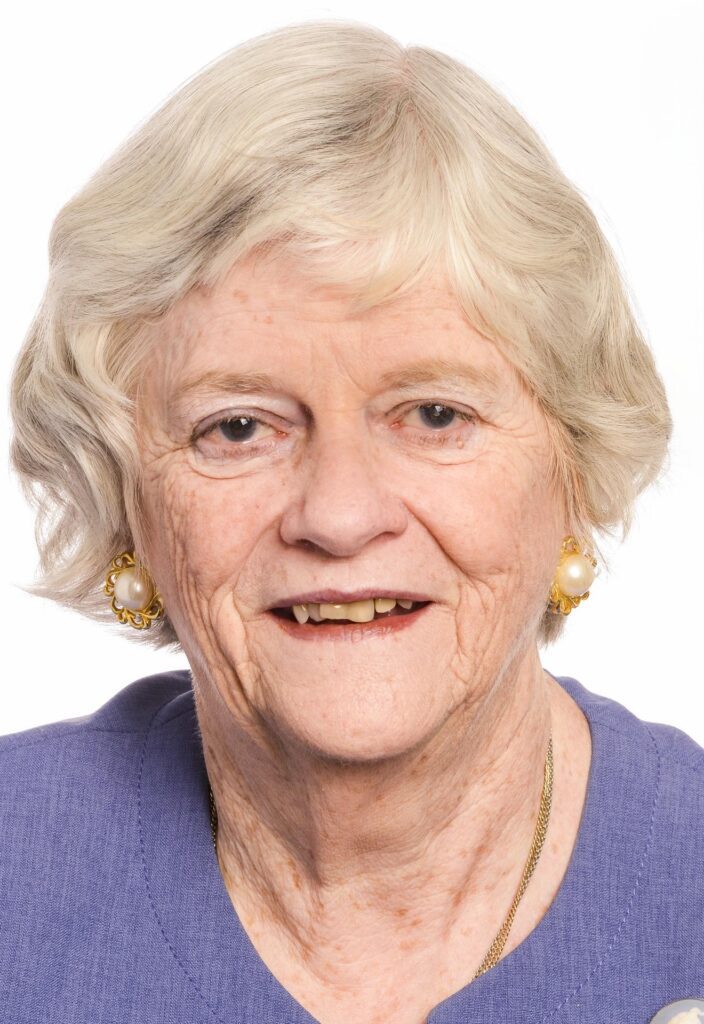
How did Ann Widdecombe build this fortune?
The answer unfolds through the career, earnings, deals and assets behind the headline estimate.
Before the fame
The background and early turning points that shaped Ann Widdecombe’s route to prominence.
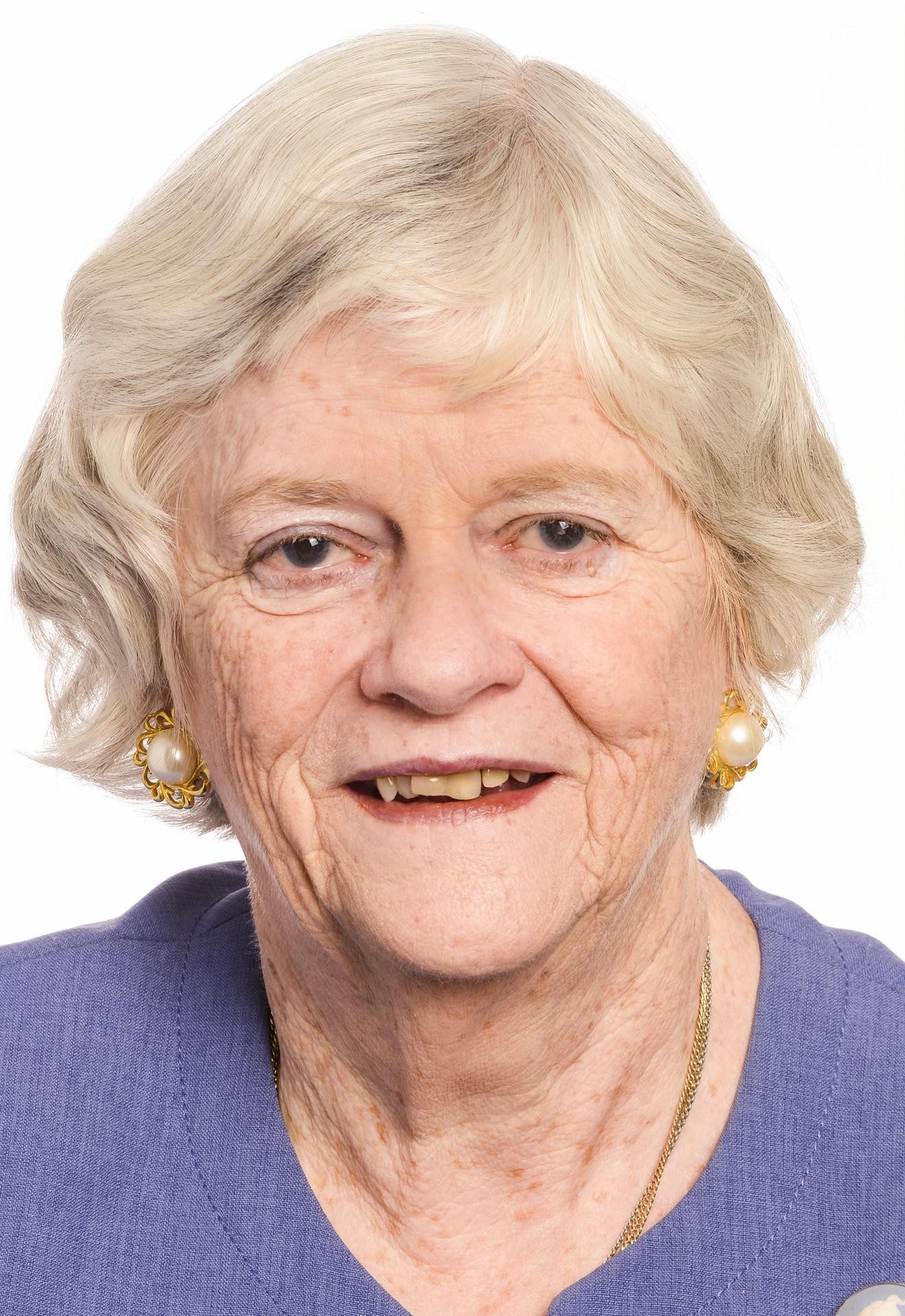
Ann Noreen Widdecombe was born in Bath, Somerset, in 1947. She read Latin at Birmingham University and then Philosophy, Politics and Economics at Oxford, where she was secretary and then treasurer of the Oxford Union, and served as a Runnymede district councillor before entering Parliament (BBC News, The Guardian).
Much of her early childhood was spent in Singapore, where her father, James, was head of naval supplies, before she returned to a convent school in Bath. Both of her parents came from the West Country, and she spent childhood holidays walking on Dartmoor with her father, she told BBC Devon.
She died in July 2026, aged 78; a man has been charged with her murder and the case is before the courts, according to Counter Terrorism Policing.
Before Westminster she fought two unwinnable seats: Burnley in 1979 and Plymouth Devonport against David Owen in 1983. In 1982 she co-founded Women and Families for Defence with Lady Olga Maitland, to counter the anti-nuclear campaign, as recorded by The Guardian.
She told BBC Devon that the weeks she spent in Devon during the 1983 campaign convinced her that she would one day retire to Dartmoor, a promise she later kept.
The breakthrough years
The career decisions and defining moments that turned recognition into sustained earning power.
Widdecombe was first elected as MP for Maidstone in 1987 and represented the Kent seat, later renamed Maidstone and The Weald, for 23 years. Three years after entering Parliament she became a junior social security minister, was then moved to employment, and in 1995 was promoted to prisons minister, according to BBC News.
Our estimate is that her public and published work paid her roughly £1.8 million to £2.6 million gross across forty years. Parliament is the documented part: MPs’ pay ran from £18,500 in January 1987 to £43,000 in 1996 and £61,820 from 2007 (House of Commons Library), which over 23 years averages out at about £900,000, with ministerial supplements between 1990 and 1997 adding £90,000 to £130,000 and eight months as an MEP in 2019 some £60,000 more (European Parliament). The rest is writing and television: five novels and an autobiography, a long-running national newspaper column, and two headline reality bookings, worth on our estimate £500,000 to £900,000 and £250,000 to £500,000 respectively. Her second career paid better than her ministerial one did.
What the work can earn
Reported pay, contracts, royalties and performance income reveal how the fortune was funded.
After Labour’s 1997 landslide she served in William Hague’s shadow cabinet as shadow health secretary from 1998 to 1999 and shadow home secretary from 1999 to 2001. In 2009 she stood to become Speaker of the House of Commons; the contest was won by John Bercow (BBC News).
After leaving the Commons in 2010 she returned to frontline politics as a Brexit campaigner. At the 2019 European Parliament election she won one of three Brexit Party seats in South West England (BBC News), serving until the UK left the EU in January 2020, and in 2023 she joined Reform UK as its immigration and justice spokesperson.
Widdecombe became one of the most recognisable politicians of her generation, partly through her willingness to laugh at herself. Newspapers nicknamed her “Doris Karloff”, and she famously replied that she was “toothy, dumpy, ugly, overweight, a spinster – what the hell” (BBC News).
In 2013 the Holy See made her a Dame of the Order of St Gregory for services to politics and public life. Tributes after her death came from across politics, including Nigel Farage, who credited her with a “decisive role” in getting Brexit over the line (BBC News).

The business beyond the main career
Endorsements, ownership interests and investments can keep compounding long after the initial breakthrough.
There were no commercial endorsements of note. Her equivalent was patronage and television work: she was patron of a donkey sanctuary, adopted goats and ran a section of her website for her cats (BBC News).
Her biggest commercial audience came through entertainment television. On Strictly Come Dancing in 2010, partnered by Anton du Beke, she survived ten weeks on the public vote (BBC News), and in 2018 she finished second on Celebrity Big Brother, behind Courtney Act (Evening Standard). A booking of that billing carried a six-figure fee on each occasion, on our reading, and the Strictly live tour that followed added to it.
Widdecombe never ran a business in the commercial sense. Her private earnings came from writing and broadcasting: she published four novels and an autobiography, wrote a national newspaper column for years, and guest-hosted Have I Got News for You, according to BBC News.
By 2008 she was already working on her fifth book and planned to keep writing from a study overlooking Dartmoor after retiring, she told BBC Devon. Mid-list novel advances of that period ran to tens of thousands a title, and a weekly column for a national paper to a comfortable five figures a year.
Notable luxury item
A reported property or major asset offers a tangible glimpse of the wealth behind the public estimate.
For most of her Commons career Widdecombe divided her time between London and her Kent constituency, sharing her London home with her widowed mother, Rita, until Rita’s death in 2007 (BBC News).
In 2008 she bought a house in the shadow of Haytor rocks on Dartmoor, which she renamed Widdecombe’s Rest, and was rebuilding its chimneys ahead of retirement, she told BBC Devon. It remained her home for the rest of her life. A detached house in that part of Devon changed hands for £350,000 to £600,000 in 2008 and would fetch £500,000 to £900,000 today, which is the band we carry it at.
Ann Widdecombe’s estimated net worth
Public estimates vary because private contracts, investments, taxes and liabilities are not fully disclosed.
How this estimate is calculated
The core earnings. Parliamentary pay is published and the arithmetic on it is short: MPs earned £18,500 from January 1987, £43,000 from July 1996 and £61,820 from 2007 (House of Commons Library), which across 23 years weights out at roughly £40,000 a year, or about £900,000 gross. Seven years of ministerial office between 1990 and 1997 added £90,000 to £130,000, and eight months on the European Parliament’s Members’ Statute in 2019 about £60,000 (European Parliament). Her writing and television income is our estimate, set from what a mid-list novelist with a weekly national column and two headline reality bookings earned in that market: £750,000 to £1.4 million across a quarter-century. The assumption carrying the weight is the television fee, taken at the going rate for a celebrity of her billing rather than from either broadcaster’s books.
From earnings to wealth. Allow roughly 40 per cent for tax and the cost of living on that £1.8 million to £2.6 million and about £1.1 million to £1.6 million is retained. Add a parliamentary pension, which on 23 years’ service under the final-salary scheme of her era capitalises at £400,000 to £700,000, and the Dartmoor house at £500,000 to £900,000. Net of a working lifetime’s spending that lands at roughly £1.6 million to £2.7 million, or about $2 million to $3.5 million.
Widdecombe is the cleanest example on this site of a career where the income is a matter of public record and the assets are a matter of inference: a salary scale anyone can look up, a pension anyone can model, and a house nobody put a price on.
Confidence: Indicative – only her parliamentary salary scale is published, while the pension, the Dartmoor house and her writing and broadcasting income are all assumed, and no asset or estate value for her has ever been disclosed.
Animal welfare was one of her most consistent causes. She was one of the few Conservative MPs to oppose fox hunting, and she lent her name to animal sanctuaries, according to BBC News.
Her public image combined firm social conservatism with an unusual popular warmth. A convert to Catholicism in the 1990s, she said that “to have a church which calls a sin a sin and has done with it is a blessed relief”, as quoted by BBC News.
As prisons minister she was criticised for defending the shackling of pregnant prisoners, and throughout her career she drew criticism for opposing abortion, assisted dying and gay rights, according to BBC News. In 2019 she provoked an angry response by suggesting that science might one day “produce an answer” to being gay.
Her maiden speech in the European Parliament in July 2019, in which she compared Britain’s departure from the EU to slaves rising against their owners, was condemned by opponents as offensive, as reported by BBC News.