 How Much Are They Worth?
Celebrity fortunes, explained
How Much Are They Worth?
Celebrity fortunes, explained





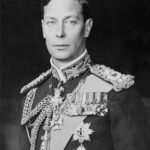

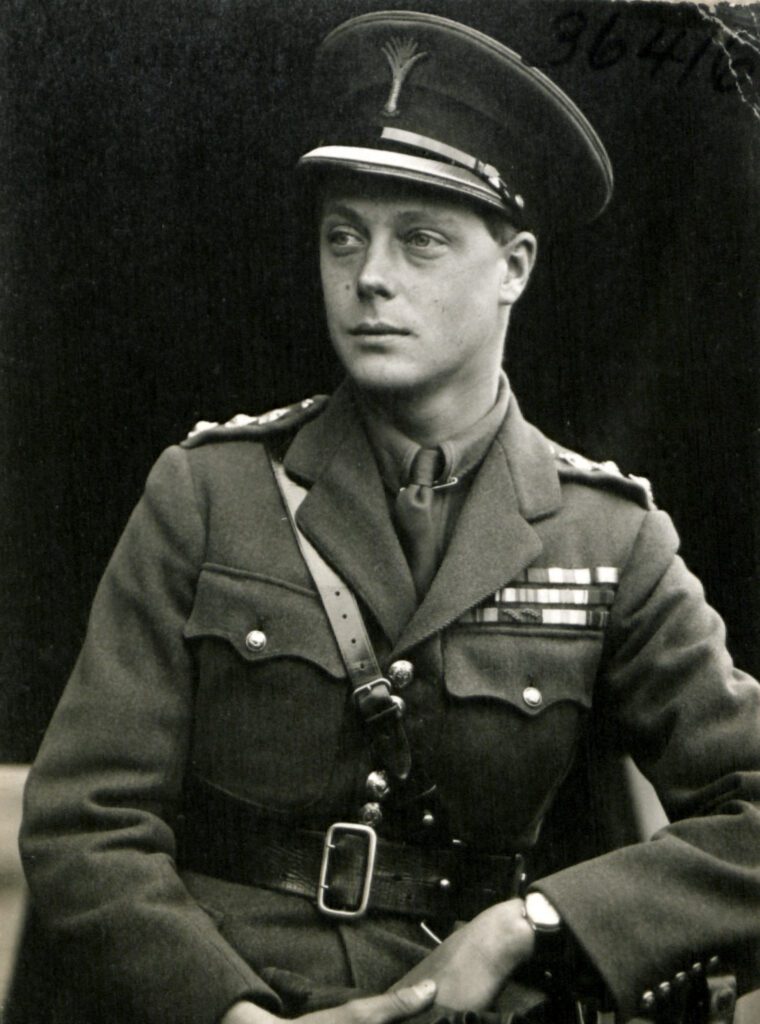
How did Edward VIII build this fortune?
The answer unfolds through the career, earnings, deals and assets behind the headline estimate.
Before the fame
The background and early turning points that shaped Edward VIII’s route to prominence.
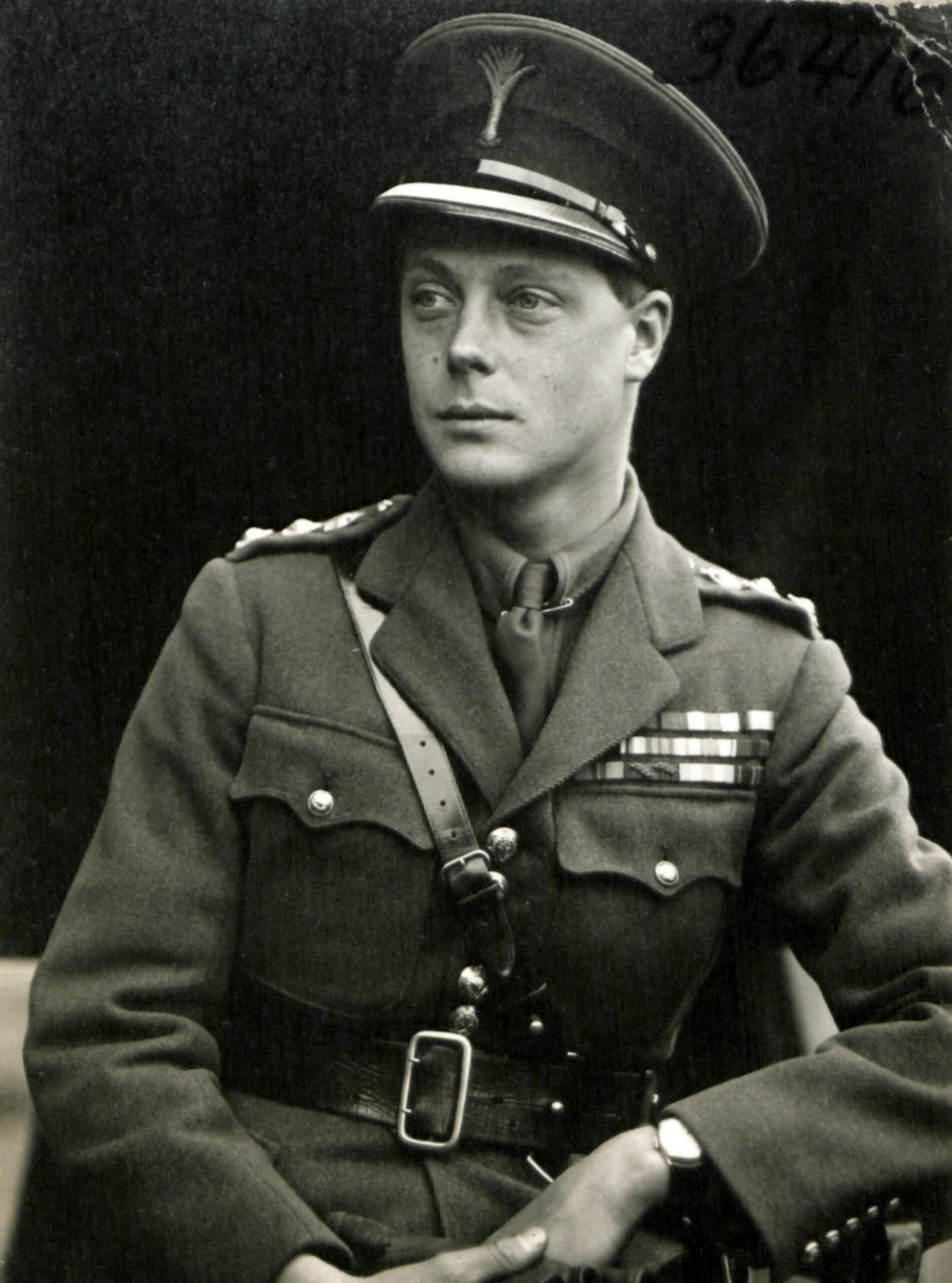
Prince Edward Albert Christian George Andrew Patrick David, known to his family as David, was born on 23 June 1894, the eldest great-grandchild of Queen Victoria in the direct male line, according to the International Churchill Society. From birth he was expected to inherit the throne, and in 1911 his father, George V, made him Prince of Wales.
He died in Paris in 1972 and was buried at Frogmore, Windsor, according to The Royal Family.
Edward trained as a naval cadet, but on the outbreak of the First World War he was commissioned into the army and sent to France, where to his frustration he was kept at headquarters behind the front line, according to the International Churchill Society. The official royal history nevertheless credits him with a good war record, per The Royal Family. After 1919 he took up a full programme of royal duties, taking speaking advice from Churchill along the way.
The breakthrough years
The career decisions and defining moments that turned recognition into sustained earning power.
As Prince of Wales in the 1920s and 1930s Edward became the most visible member of the royal family. He made official tours overseas and visits to economically depressed areas at home, and gained a reputation for caring about the underprivileged, according to The Royal Family.
The office paid for all of it, and generously. As Prince of Wales the net revenues of the Duchy of Cornwall were his, running at roughly £80,000 to £100,000 a year through the 1920s and 1930s – on the order of £2 million to £2.5 million gross across the twenty-five years he held the title. Our estimate is that he kept well over half of it, and the royal biographer Sarah Bradford puts the sum he had put by from Duchy income by 1936 at more than £1 million, worth something like £85 million to £90 million today. That is the single largest fact about his finances, and the reason the abdication left him rich rather than ruined.

What the work can earn
Reported pay, contracts, royalties and performance income reveal how the fortune was funded.
His reign lasted from January to December 1936, 325 days in all, and he was never crowned. He was the first monarch to be a qualified pilot and created The King’s Flight in 1936, according to The Royal Family. On 10 December he signed the Instrument of Abdication, witnessed by his three brothers, in order to marry the American divorcee Wallis Simpson, as The National Archives explains. Parliament gave it legal effect the next day through His Majesty’s Declaration of Abdication Act 1936, which removed him and any descendants from the line of succession, per legislation.gov.uk.
The reign paid on a scale nothing else in his life matched. The Civil List Act 1936 voted him £410,000 a year, reduced by £40,000 while he was unmarried, with £77,000 of the unmarried total appropriated to the Privy Purse as his own money rather than the household’s. He drew it for eleven months. The settlement made with his brother afterwards is put by biographers of the abdication at about £300,000 for his private interests in Sandringham and Balmoral, paid in yearly instalments, with an allowance on top.
After the abdication he was created Duke of Windsor and married Wallis Simpson in France in 1937, according to The Royal Family. During the Second World War he escaped from Paris to Lisbon in 1940 and served as Governor of the Bahamas from 1940 to 1945.
The International Churchill Society notes that one of his first requests on arriving in Nassau was for £5,000 to renovate the dilapidated Government House, a request Churchill annotated with the words that comment was needless.
The business beyond the main career
Endorsements, ownership interests and investments can keep compounding long after the initial breakthrough.
For a monarch this section covers patronages and royal warrants rather than commercial deals. Edward held the patronages and granted the warrants that go with those roles, but gave them all up with the throne, and the Abdication Act left him no constitutional role, per legislation.gov.uk. He never held a commercial endorsement, and none is claimed here.
Edward did not run businesses in any conventional sense. His income before 1936 came from the Duchy of Cornwall, the estate that supports the heir to the throne, and as king from the Civil List (Civil List Act 1936). Afterwards he lived on the settlement agreed with his brother and on his own savings, which is why those terms matter far more to his finances than any commercial activity.

Notable luxury item
A reported property or major asset offers a tangible glimpse of the wealth behind the public estimate.
All of the Civil List ended with the abdication; the Civil List Act 1937 that followed made no provision for him.
Sandringham and Balmoral were different. Balmoral had been private royal property since Prince Albert bought it for Queen Victoria in 1852, according to Balmoral Castle, and a member of the Commons observed in 1971 that the monarch’s personal estate, unlike the Duchy of Lancaster, would have stayed with the Duke of Windsor when he abdicated, as recorded in Hansard. The new king bought out his brother’s interest in the two estates privately, which is why they remained with the crown and why the Duke left Britain holding capital as well as an allowance.
Edward VIII’s estimated net worth
Public estimates vary because private contracts, investments, taxes and liabilities are not fully disclosed.
How this estimate is calculated
The sums usually attached to the Duke of Windsor do not measure what he owned. The Civil List Act 1936 voted him £410,000 a year, but that was a parliamentary grant attached to the office of king, most of it spent on the royal household, and he surrendered it after eleven months.
The working starts with the Duchy. Net revenues of roughly £80,000 to £100,000 a year across twenty-five years as Prince of Wales gross out at £2 million to £2.5 million, and Sarah Bradford’s figure of more than £1 million put by up to 1936 fixes what he kept: about £85 million to £90 million in today’s money, or something over $110 million. Add the £300,000 for his interests in Sandringham and Balmoral and an allowance for the thirty-five years in France. Against that run those same thirty-five years without earned income and a famously expensive household in Paris and the south of France, which is where most of the capital went. On our estimate he died in 1972 holding the equivalent of $30 million to $80 million.
The jewellery is a cross-check rather than an input. At Sotheby’s in Geneva in 1987 the Duchess of Windsor’s jewels fetched $50.3 million against a pre-sale estimate of $7.5 million, the bids themselves totalling $45.7 million and going to the Pasteur Institute, according to UPI. The jewels were hers, they sold fifteen years after his death and the proceeds went to a medical charity, so none of it belongs in his column. But the $7.5 million professional estimate – about $21 million in today’s money on the US Bureau of Labor Statistics calculator – shows the order of magnitude of what the Duchy money had been buying. The assumption carrying the range is the Duchy’s annual net revenue between the wars, taken from the level at which the estate was running rather than from a year-by-year account.
Confidence: Indicative – anchored on Sarah Bradford’s figure of more than £1 million of Duchy of Cornwall income saved by 1936 and on the Civil List Act 1936, with thirty-five years of spending in exile modelled rather than accounted for.
Edward’s public image as Prince of Wales was of a modern, approachable royal who visited depressed industrial areas, according to The Royal Family. The abdication permanently changed that image, and he spent most of the rest of his life in France.
His most significant financial legacy passed through his wife: the jewels he had given her sold at Sotheby’s in Geneva in 1987 for $50.3 million, almost seven times their estimate, with the bids directed to France’s Pasteur Institute, according to UPI.
The abdication itself was the defining controversy, but the financial settlement caused lasting damage within the family. According to the International Churchill Society, the Duke misled his brother, the new King George VI, about the state of his finances and extracted a promise of support that proved wholly unnecessary; relations between them were permanently strained as this became clear. His conduct in 1940 also drew scrutiny, though the same source, following Philip Ziegler, concludes that most of what was made of the captured German dossier is nonsense.