 How Much Are They Worth?
Celebrity fortunes, explained
How Much Are They Worth?
Celebrity fortunes, explained




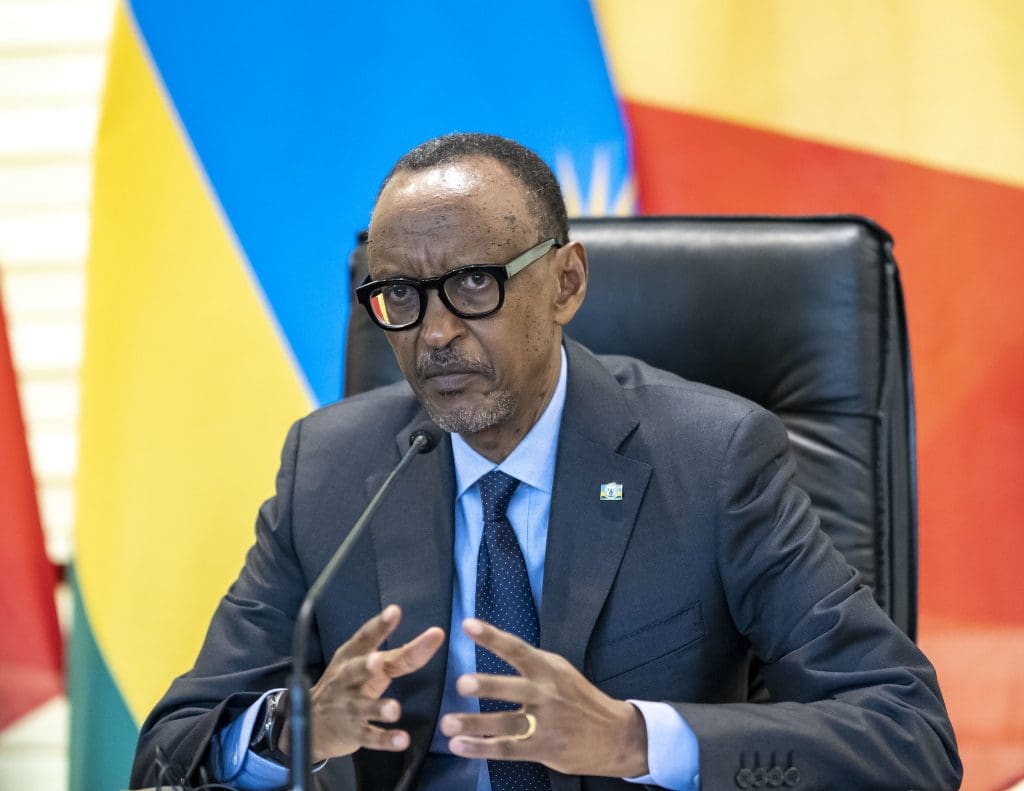
How did Paul Kagame build this fortune?
The answer unfolds through the career, earnings, deals and assets behind the headline estimate.
Before the fame
The background and early turning points that shaped Paul Kagame’s route to prominence.
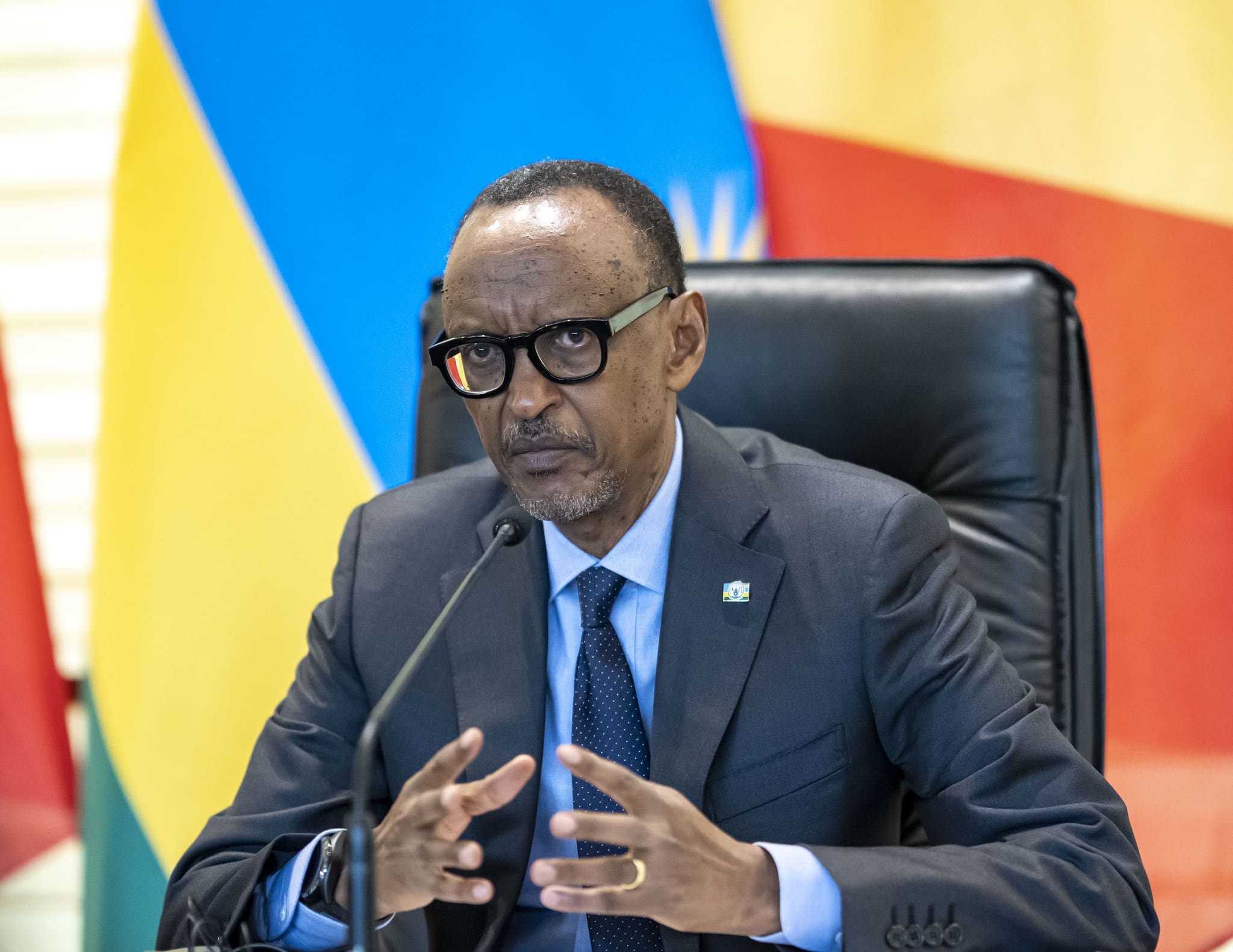
Paul Kagame was born in southern Rwanda in 1957. His family fled ethnic violence when he was a child and lived as refugees in Uganda, an experience central to his political identity. He joined Yoweri Museveni’s rebel movement and later became a senior intelligence officer in the Ugandan army. The Encyclopaedia Britannica account of Kagame’s life connects those refugee years with his eventual leadership of the Rwandan Patriotic Front. Kagame is married to Jeannette Kagame and they have four children. His family’s prominence does not mean that foundations, businesses or public resources associated with Rwanda can automatically be booked as his personal property.
Kagame’s early career was military rather than commercial. After serving in Uganda, he took command of the RPF during its war against Rwanda’s government. RPF forces took Kigali in 1994 and brought the genocide against the Tutsi to an end, although the wider conflict and its aftermath remain contested. Kagame became vice-president and defence minister in the post-genocide government. The official Paul Kagame biography presents this period as a liberation struggle and highlights reconciliation and reconstruction. Official biographies are useful for dates and offices, but their institutional perspective needs to be balanced with independent reporting when assessing reputation, power and finances.
The breakthrough years
The career decisions and defining moments that turned recognition into sustained earning power.
Kagame became president in 2000 after Pasteur Bizimungu resigned. He subsequently won repeated elections and established himself as one of Africa’s longest-serving national leaders. His political breakthrough was therefore not a sudden commercial success but the conversion of military and governmental authority into durable electoral power. In 2024 he was sworn in for another term after an overwhelming official result. Reuters’ report on Kagame’s 2024 inauguration notes both his supporters’ emphasis on stability and development and critics’ objections to barred opponents and constitutional changes. Presidential tenure creates salary and pension entitlements, but the office and the state’s resources remain separate from private wealth.

What the work can earn
Reported pay, contracts, royalties and performance income reveal how the fortune was funded.
Under Kagame, Rwanda rebuilt institutions after catastrophe, expanded healthcare and education, strengthened women’s representation and cultivated a reputation for administrative efficiency. Kigali became associated with cleanliness, security and conference tourism, while government policy promoted technology and services. A World Bank assessment of Rwanda’s long-run growth reports strong average expansion and improvements in life expectancy, health access and educational attainment. These are national outcomes, not personal assets. Public infrastructure, national airlines, convention facilities and development funds cannot fairly be added to Kagame’s individual balance sheet merely because they grew during his presidency.
Kagame has held international leadership roles including chair of the African Union, chair of the East African Community and Commonwealth Chair-in-Office. He has also served as an advocate for domestic health financing and broadband access. The Rwandan government’s presidential profile records those regional and international responsibilities. Admirers describe him as a disciplined moderniser who helped rescue and rebuild a devastated country. Critics see a highly centralised leader whose developmental record has been accompanied by restrictions on political competition. International stature can generate invitations and influence, but there is no transparent public evidence that these roles operate as personal endorsement contracts.

The business beyond the main career
Endorsements, ownership interests and investments can keep compounding long after the initial breakthrough.
Kagame is a prominent speaker at investment, health, sport and technology events, and Rwanda has developed partnerships with international brands and sporting organisations. Those country-branding arrangements belong to the government or participating organisations unless a contract says otherwise. They should not be counted as his endorsement income. Nor should national sponsorship campaigns be treated as personal commercial ventures. Publicly accessible evidence does not establish a material portfolio of paid product endorsements in Kagame’s own name. The financial model consequently assigns no speculative brand-deal value. His visibility may enhance diplomatic reach and Rwanda’s marketing, but influence is intangible and cannot be converted responsibly into personal net worth without payment records.
No conventional founder’s stake or audited personal company portfolio provides a reliable basis for valuing Kagame. Rwanda’s ruling party has been associated with investment interests, including Crystal Ventures, but party-controlled corporate assets are not synonymous with the president’s beneficial property. Treating the full value of a political organisation’s holdings as Kagame’s would collapse legally and economically different entities into one. His career has principally involved the military and government. This profile therefore recognises the possibility of ordinary investments and accumulated official earnings while excluding companies unless credible evidence demonstrates personal ownership. That restraint is particularly important in a political system where influence over an institution is not the same as a transferable shareholding in it.

Notable luxury item
A reported property or major asset offers a tangible glimpse of the wealth behind the public estimate.
Official residences, presidential aircraft access, security vehicles and government facilities are state resources, not household property. The same applies to military assets and public land. Published online claims about Kagame’s houses or aircraft often fail to identify title records, financing or beneficial ownership, making them unsuitable for a careful estimate. Rwanda’s public disclosure environment does not supply an independently audited, current personal balance sheet that resolves all investments and liabilities. The calculation therefore limits itself to plausible savings from a long senior-government career and does not attribute assets held by the state, the RPF, charitable entities, associates or adult family members. Any property figure without a verifiable registry or declaration would create false precision.
Paul Kagame’s estimated net worth
Public estimates vary because private contracts, investments, taxes and liabilities are not fully disclosed.
How this estimate is calculated
The estimate begins with Kagame’s lengthy service as vice-president, defence minister and president, allowing for official compensation, pension rights, savings and conventional investment growth. It then applies substantial uncertainty because no current independently audited schedule of his property, securities, business interests and liabilities is publicly available. It explicitly excludes government property, military resources, RPF-controlled enterprises, the Imbuto Foundation, development projects and assets merely associated with relatives. Rwanda’s broader economic success is useful context—the World Bank’s current Rwanda overview describes growth ambitions and performance—but national gross domestic product is not a proxy for a president’s fortune. The result is an editorial range, designed to be conservative rather than sensational.
Paul Kagame’s estimated net worth is $5 million to $15 million. That range reflects a very long period at the top of government and the possibility of accumulated savings and investments, while refusing to count Rwandan state assets, ruling-party companies, charitable funds or family-associated property as personally his. No public audited filing verifies the figure, so it should be treated as a cautious estimate with unusually high uncertainty rather than a definitive financial statement.
Jeannette Kagame’s Imbuto Foundation works in health, education and youth development, but foundation resources are dedicated organisational assets rather than the private property of the president or first lady. Kagame’s wider public image rests on post-genocide unity, development targets and a demanding style of government. An extensive Time profile examining Kagame’s technocratic and strongman reputations captures the tension between measurable social progress and limited political space. Charitable programmes can strengthen reputation, yet donations received by a foundation do not demonstrate personal wealth, and programme expenditure should not be treated as private consumption.
Human-rights organisations have accused Rwanda’s authorities of suppressing opposition, restricting media and mistreating detainees; the government rejects characterisations that it is responsible for systematic abuse and argues that stability must be understood in Rwanda’s history. Before the 2024 vote, Human Rights Watch documented restrictions surrounding political participation. Its 2025 Rwanda country chapter also discussed detention, judicial and regional-security concerns. These allegations materially shape public scrutiny, but they do not by themselves establish the value or ownership of private assets. This estimate neither converts political control into wealth nor treats unproven financial rumours as fact.