How did Daniil Medvedev build this fortune?
The answer unfolds through the career, earnings, deals and assets behind the headline estimate.
Before the fame
The background and early turning points that shaped Daniil Medvedev’s route to prominence.
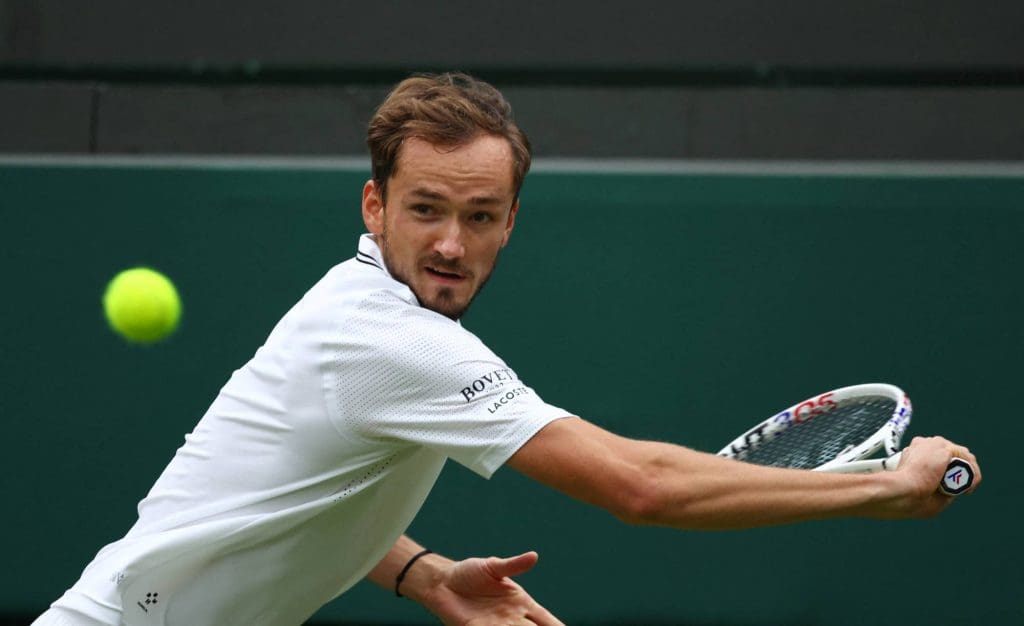
Medvedev was born in Moscow in 1996 and began tennis as a child before moving to France for advanced training. He studied briefly at the Moscow State Institute of International Relations, then committed fully to the tour. Early Futures and Challenger seasons created ranking access, but modest purses and international travel meant that this phase was more likely to consume capital than produce lasting wealth.
His breakthrough arrived in 2019, when six consecutive finals included the US Open final against Rafael Nadal. Two years later he defeated Novak Djokovic in straight sets to win the 2021 US Open and stop a calendar Grand Slam. The tournament’s official final report records the 6-4, 6-4, 6-4 result and his first major title.
The breakthrough years
The career decisions and defining moments that turned recognition into sustained earning power.
Medvedev won the 2020 ATP Finals, reached the 2021 final and became world No. 1 in 2022. The US Open’s ATP Finals report records his nine-match winning streak at the season-ending event. He also helped the Russian Tennis Federation win the 2021 Davis Cup, going 5-0, as detailed in this official recap.
What the work can earn
Reported pay, contracts, royalties and performance income reveal how the fortune was funded.
By August 2025 Forbes credited Medvedev with six major finals and one title. Its subject profile estimated $14.3 million of earnings for the preceding year and listed BMW, EA Sports, Fanatics, Lacoste and Ubisoft among sponsors. Those relationships demonstrate reach across automotive, apparel and gaming; the annual figure is pretax income, not an assessment of accumulated personal assets.
Official prize money is the calculation’s foundation. It includes Grand Slam, Masters and ATP Finals earnings, so individual purses cited in match reports are not added again. HMW models endorsement receipts separately using Forbes’ annual assessment, but uses lower commercial rates before Medvedev became a major champion. Exhibition and bonus income may add upside; without disclosed totals, it is not assigned an aggressive standalone figure.
The business beyond the main career
Endorsements, ownership interests and investments can keep compounding long after the initial breakthrough.
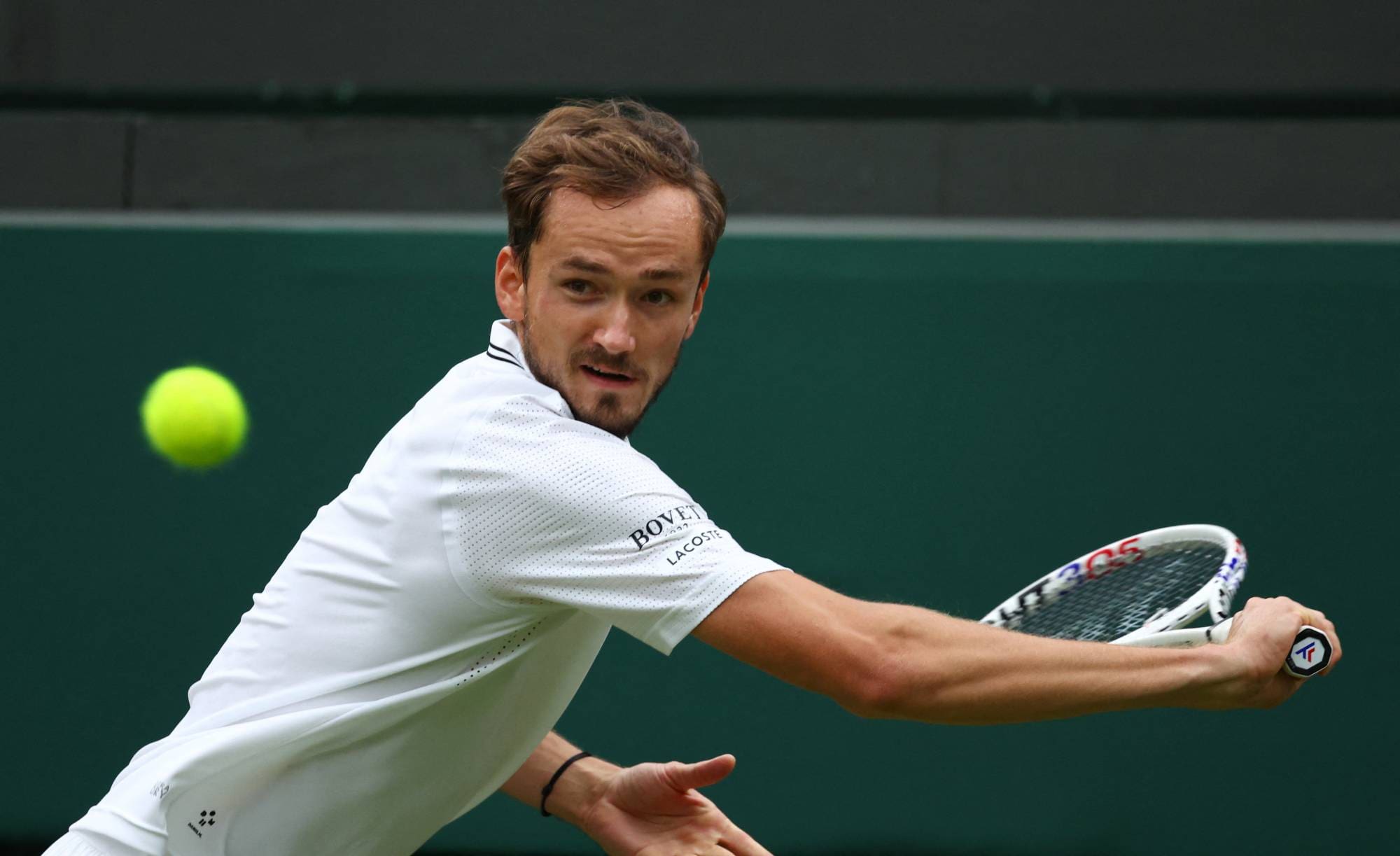
Lacoste has been the defining apparel relationship. Tennis.com reported a six-year extension through 2026 after his 2020 Paris Masters victory. HyperX named him a global ambassador in 2021; the company announcement describes global marketing activity. Tecnifibre, BMW and Bovet have also appeared in his commercial portfolio, though contract prices remain confidential.
Gaming moved from endorsement to ownership in 2023. Tennis.com reported that Medvedev joined M80’s ownership group after becoming a Rainbow Six Siege ambassador. Ubisoft’s announcement confirms his game-ambassador role and planned themed cosmetic bundle. HMW acknowledges the M80 stake but assigns no private-company valuation because the ownership percentage and financing terms are undisclosed.
Notable luxury item
A reported property or major asset offers a tangible glimpse of the wealth behind the public estimate.
Medvedev’s residence in Monte Carlo is reported by Forbes, but his homes, mortgages, portfolio and family finances are not publicly audited. His wife Daria’s involvement with nutrition company RawQ does not establish that all company equity belongs to him. Sponsor-supplied cars, watches or equipment are also excluded unless title passes. These constraints keep the estimate focused on retained earnings and the one verified but unpriced esports stake.
Daniil Medvedev’s estimated net worth
Public estimates vary because private contracts, investments, taxes and liabilities are not fully disclosed.
How this estimate is calculated
HMW begins with more than $45 million in documented career prize money, adds cumulative sponsorship and appearance income calibrated to Forbes’ recent $14.3 million annual assessment, and uses lower rates before his 2019–2021 breakthrough. It then deducts tax, coaching, travel, medical support, management and spending. A modest allowance recognises M80 ownership without assuming a sale value. The final estimate reflects retained capital from those sources, not gross career receipts or an unaudited esports valuation.
Career prize money had exceeded $45 million by January 2025, according to Reuters’ Australian Open report. The same article illustrates why tournament cheques require adjustment: $76,000 of fines consumed much of the approximately $123,000 second-round purse. Coaching, travel, agent percentages and tax create much larger recurring deductions even in seasons without unusual penalties.
The public record is strongest on prize money, championship history and named partnerships. It is weaker on taxes, M80 valuation, investment returns and annual team costs. Forbes’ $14.3 million reading covers one period and should not be projected across every season. HMW also avoids double-counting Lacoste and gaming relationships inside both the Forbes figure and a separate sponsor sum. A rounded result is therefore more defensible than precise-looking arithmetic.
JavaScript is off, so all sections are displayed together.