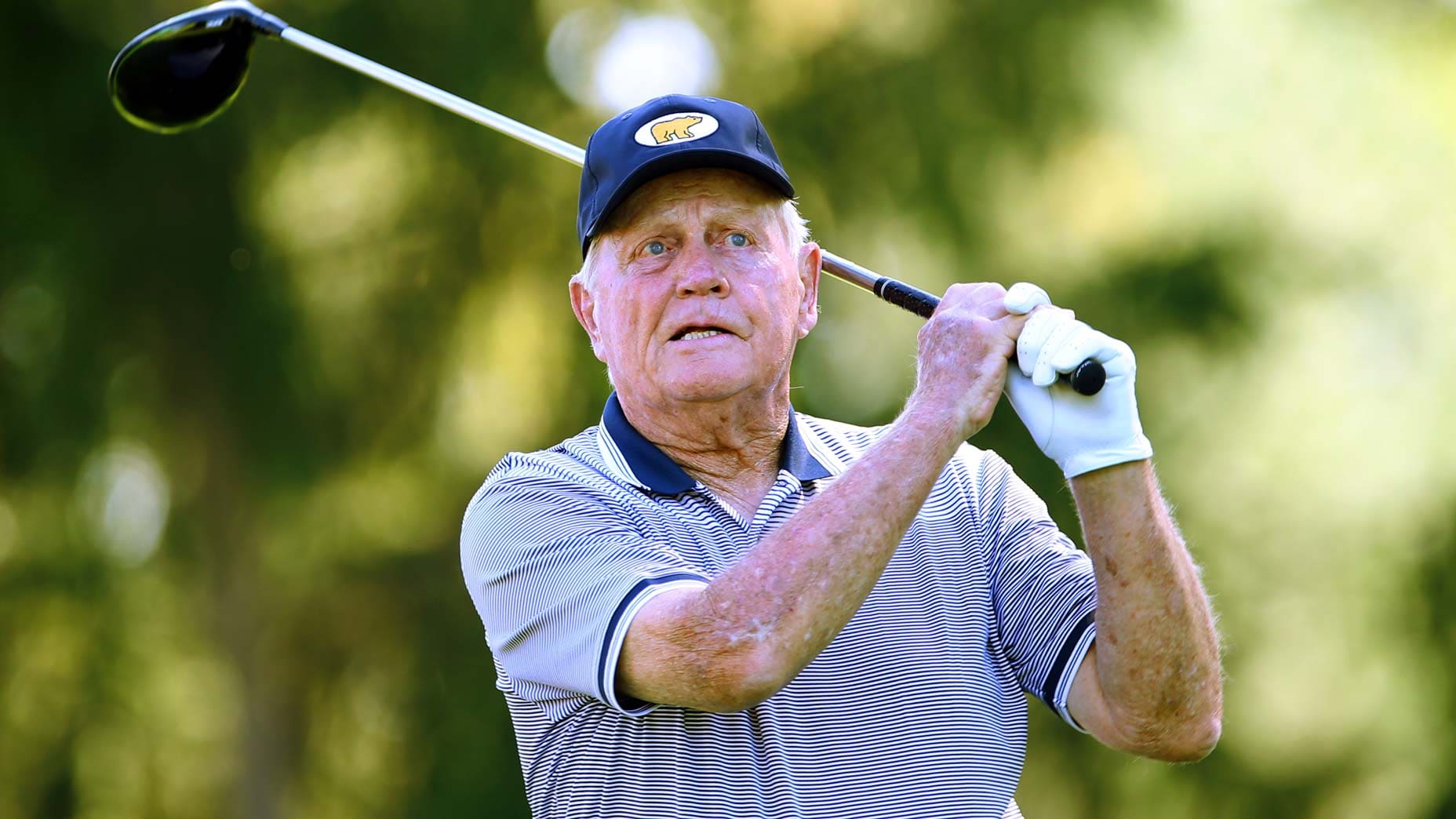
Jack Nicklaus

How Much Are They Worth? Celebrity fortunes, explained
Jack Nicklaus
Net worth story

Jack Nicklaus

Net worth revealed after 6 slides

Begin the countdown
The countdown
1 of 7
#
Jack Nicklaus
The fortune behind the fame

How did Jack Nicklaus build this fortune?

The answer unfolds through the career, earnings, deals and assets behind the headline estimate.

#
Jack Nicklaus
6 slides until the reveal

Before the fame

The background and early turning points that shaped Jack Nicklaus’s route to prominence.

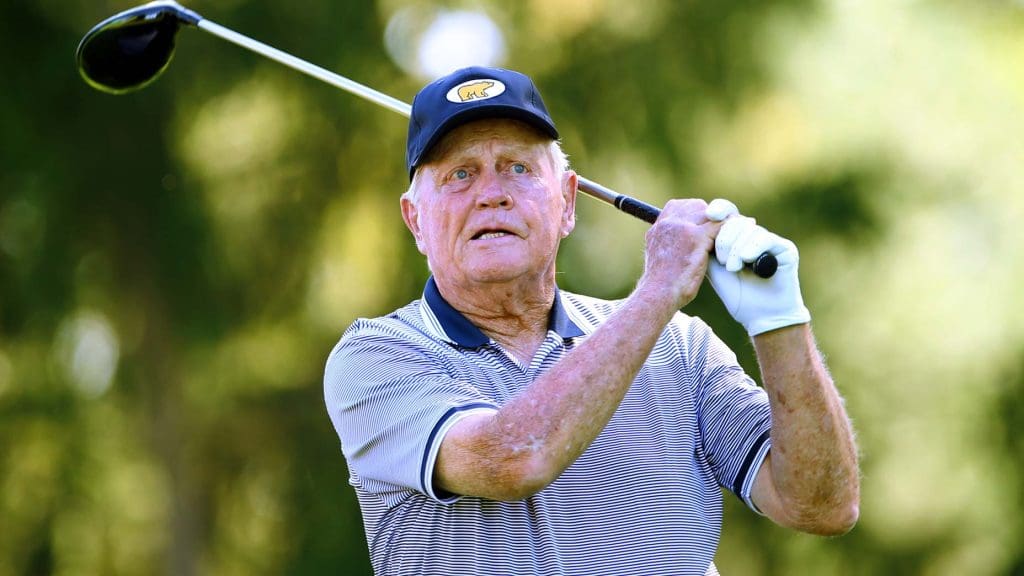
Jack Nicklaus won a record 18 men’s major championships and turned the “Golden Bear” identity into course design, licensing and events. The PGA Tour profile records 73 tour wins, while the business evidence includes a priced 2007 transaction rather than mere endorsement speculation. HMW estimates Nicklaus’s personal assets, separating rights already sold from later design activity and accounting for tax, family estate planning and uncertain litigation proceeds.

Nicklaus won the US Amateur twice, challenged professionals while still an amateur and turned professional in late 1961. He beat Arnold Palmer in a playoff at the 1962 US Open. The USGA’s championship history verifies the breakthrough. Playing prizes were modest by modern standards, so tournament money is not the main financial anchor even though victories created later commercial demand.

#
Jack Nicklaus
5 slides until the reveal

The breakthrough years

The career decisions and defining moments that turned recognition into sustained earning power.

Nicklaus won six Masters, five PGA Championships, four US Opens and three Open Championships. The Masters player record documents the six victories. His dominance supported decades of endorsements, but the decisive wealth engine was the ability to license a recognizable name and sell design expertise globally after the playing peak.

Advertisement
#
Representative illustration of contracts and earnings
Representative image
4 slides until the reveal

What the work can earn

Reported pay, contracts, royalties and performance income reveal how the fortune was funded.

The 1986 Masters victory at age 46 became Nicklaus’s final major and extended the commercial life of the brand. He founded the Memorial Tournament at Muirfield Village and represented US teams as player and captain. Competitive milestones explain demand for later products; HMW does not assign a dollar amount to each trophy or count tournament charity assets as personal property.

Playing prizes, endorsements, licensing, appearances and course-design fees generated income. The strongest transaction occurred in 2007. Sports Illustrated’s account of Nicklaus’s affidavit reports advisers valued the business near $296 million and that he sought to monetize 49% for family estate planning. This provides a priced basis for rights and business economics.

#
Representative illustration of endorsements and business growth
Representative image
3 slides until the reveal

The business beyond the main career

Endorsements, ownership interests and investments can keep compounding long after the initial breakthrough.

Nicklaus licensed Golden Bear apparel and equipment, worked with corporate partners and appeared in golf media. Course design expanded across hundreds of projects, with fees earned by Nicklaus and a broader design team. The 2007 arrangement reportedly paid $145 million and left a 51% equity interest initially. HMW treats that cash as historical gross proceeds and does not assume the retained stake preserved its value through later financing and control changes.

The relationship with Nicklaus Companies later produced litigation over trademarks, name and design work. ESPN reports the original $145 million transaction and a 2025 $50 million defamation verdict. The verdict is not treated as fully liquid: appeal, tax, legal fees and the defendant company’s financial condition matter. Nicklaus’s restored freedom to design has value, but future projects are excluded until contracted.

Advertisement
#
Representative illustration of a high-value property asset
Representative image
2 slides until the reveal

Notable luxury item

A reported property or major asset offers a tangible glimpse of the wealth behind the public estimate.

Nicklaus has property, investments, memorabilia and family entities accumulated across six decades. Ownership may be divided among trusts, spouse and descendants. Nicklaus Children’s description of the family’s philanthropy underscores that charitable organizations are separate and excluded. Company trademarks sold in 2007 cannot be added back to Jack’s personal balance sheet. Liabilities and estate structures remain private.

#
Jack Nicklaus
The reveal

Jack Nicklaus’s estimated net worth

Approximately $400 million as of August 2026 (HMW estimate).

Public estimates vary because private contracts, investments, taxes and liabilities are not fully disclosed.

How this estimate is calculated

The model starts with realized playing, endorsement and design income, uses the $145 million sale as the central priced transaction and checks cumulative gross against Forbes. It deducts tax, advisers, family distributions and long-term consumption, then adds conservative property, liquid investments, remaining design rights and personal-brand value. The litigation award is heavily discounted for collection, appeal and fees. Sold trademarks, charitable assets and future design proposals are excluded.

The Guardian’s verdict report also records that Nicklaus Companies paid $145 million for name, design and branding rights and explains why sold intellectual property must remain outside his current asset column. The estimate includes only a discounted receivable for the verdict and recognizes that legal expenses, appeals and the defendant’s later financial condition may materially reduce collection. This prevents a court headline from being treated as immediate cash.

Nicklaus’s reputation connects elite golf, course architecture, equipment, apparel and philanthropy. Forbes and Sportico all-time lists place his inflation-adjusted career earnings above $1 billion, but those figures measure gross income across decades. Forbes’ all-time ranking supplies a cross-check, not a net-asset figure or evidence that every endorsement dollar remained invested.

The 2007 valuation, $145 million proceeds and Forbes career-income estimates are strong numerical anchors but overlap with design and endorsement income. The $50 million verdict is contingent rather than cash. HMW applies historical tax and spending deductions to proceeds, conservative investment growth to only the plausibly retained portion and no value to rights sold. It avoids converting inflation-adjusted lifetime earnings into current wealth.


HMW uses research and editorial tools to assist production. Every profile is independently sourced, fact-checked, edited and reviewed before publication. Estimates are editorial assessments and not audited financial statements.

Browse the full collection

Explore by category

Sports Athletes, records and earnings Actors & Entertainment Film, television and fame Business Founders, deals and ownership Musicians Tours, catalogues and royalties Influencers Audiences, brands and ventures Gamers Streaming, esports and sponsors DJs Festivals, releases and labels Politicians Careers, disclosures and assets Chefs Restaurants, awards and ventures Models Campaigns, runways and brands YouTube Channels Views, partnerships and businesses American Football Contracts, teams and endorsements Soccer Salaries, transfers and sponsorships Football Players, clubs and commercial deals Cricket Contracts, leagues and endorsements Tennis Prize money, tours and sponsors Golf Winnings, tours and partnerships Boxing Purses, promotions and endorsements Martial Arts Fight purses, bonuses and brands F1 Contracts, teams and sponsorships Basketball Salaries, sneakers and investments Motorsport Racing careers, teams and sponsors Comedians Tours, specials and production deals TV Personalities Broadcast careers and ventures Podcasts Audiences, advertising and ownership CEOs Leadership, equity and compensation Billionaires Ownership, investments and major assets Companies Valuations, ownership and performance Restaurants Hospitality groups and expansion Night Clubs Venues, ownership and nightlife Festivals Events, audiences and commercial scale Criminal Cases Documented cases and asset scrutiny