How did Jon Jones build this fortune?
The answer unfolds through the career, earnings, deals and assets behind the headline estimate.
Before the fame
The background and early turning points that shaped Jon Jones’s route to prominence.
Jon Jones became the youngest champion in UFC history and later held titles at light-heavyweight and heavyweight. His official UFC profile records his wins, methods and championship history. MMA compensation is much less transparent than boxing purses: most states no longer disclose complete pay and PPV points are private. HMW therefore uses disclosed bout purses, credible event estimates and documented sponsorship history, then applies uncertainty discounts rather than guessing from “greatest of all time” status.
Jones wrestled in high school and junior college, entered professional MMA in 2008 and reached the UFC after only a handful of bouts. He defeated Maurício “Shogun” Rua in 2011 at age 23 to win the light-heavyweight title. UFCStats’ individual record provides fight-by-fight confirmation. Early contracts were far smaller than his later championship terms and are not retroactively valued at heavyweight money.
The breakthrough years
The career decisions and defining moments that turned recognition into sustained earning power.
After Rua, Jones defeated former champions Quinton Jackson, Lyoto Machida, Rashad Evans and Vitor Belfort. His 2013 fight with Alexander Gustafsson entered the Hall of Fame’s Fight Wing. The UFC’s 2020 title-vacation announcement credited him with 14 successful title defenses at that stage. Repeated title bouts support higher contract pay and potential PPV participation, but exact backend terms remain undisclosed.
What the work can earn
Reported pay, contracts, royalties and performance income reveal how the fortune was funded.
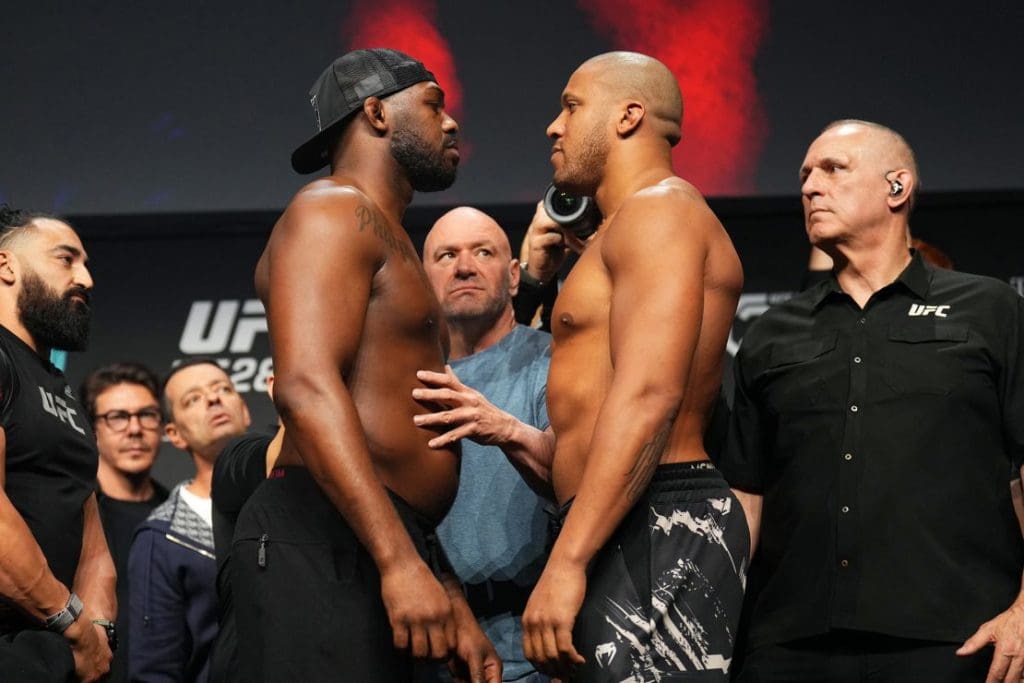
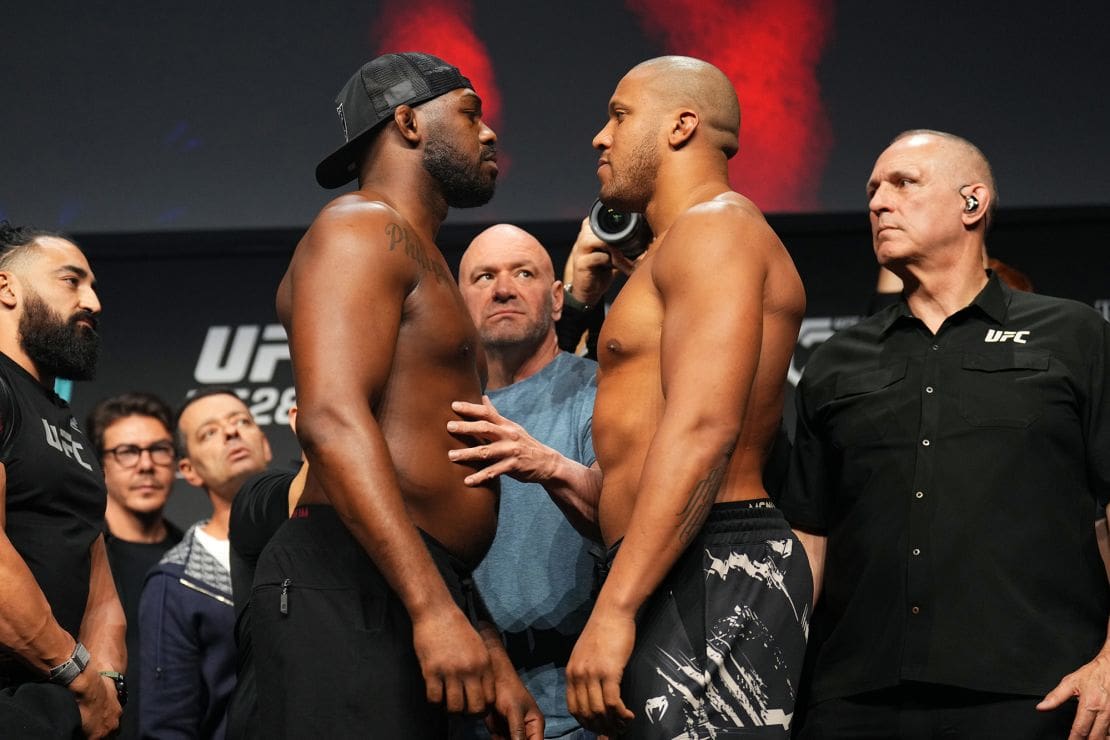
Jones vacated the light-heavyweight belt, spent three years preparing for heavyweight, submitted Ciryl Gane at UFC 285 and later stopped Stipe Miocic at UFC 309. The official UFC 309 announcement confirms the first heavyweight defense and rescheduled Madison Square Garden event. UFC stated in June 2025 that Jones had retired, ending further title income unless he returns.
UFC guarantees, win pay, discretionary bonuses and PPV participation are the core sources. A Nevada disclosure for UFC 235 listed $500,000 for Jones, excluding PPV and sponsorship. Later heavyweight terms were substantially larger: BetMGM estimated approximately $6.292 million for UFC 309. Because that is an estimate rather than a commission filing, HMW applies a wider range and does not treat it as audited cash.
The business beyond the main career
Endorsements, ownership interests and investments can keep compounding long after the initial breakthrough.
Jones had relationships with Nike and Reebok, but neither became a decades-long asset. UFC published Reebok’s 2014 signing announcement; months later The Washington Post reported Reebok’s termination. The short duration prevents HMW from projecting peak sponsor income across his career. Appearances and merchandise receive only modest allowances.
Jones has promoted his own brand, training activity and community projects, but no public filing, funding round or sale establishes a large independent company. Unlike a fighter-promoter in boxing, he did not publicly own the event platform or television rights distributing his bouts. He earned primarily as a contracted UFC athlete. HMW recognizes a small value for brand rights and investable proceeds while assigning no speculative enterprise value to social channels or future coaching work.
Notable luxury item
A reported property or major asset offers a tangible glimpse of the wealth behind the public estimate.
Jones has lived and trained in New Mexico and incurred substantial camp, management and legal costs over a long career. Contract details, PPV thresholds, discretionary locker-room bonuses, mortgages and investment accounts are private. Long periods without fighting also meant household, legal and training expenses continued for years while event income paused completely. Public fighter-pay databases frequently mix disclosed purse, estimate and sponsor pay. HMW keeps those categories separate and treats estimated heavyweight payouts more cautiously than commission-filed guarantees.
Jon Jones’s estimated net worth
Public estimates vary because private contracts, investments, taxes and liabilities are not fully disclosed.
How this estimate is calculated
HMW assigns disclosed guarantees where available, conservative championship-level ranges for undisclosed light-heavyweight defenses, and separately discounted estimates for UFC 285 and UFC 309. It removes federal and state tax, management, coaching, camps, legal expense and long-term consumption. Only modest property, investment and brand values are added because no priced operating business is public. Unfought comeback offers and audience-based multiples are excluded, leaving an estimate grounded in realized bouts.
Jones’ achievements generated a large audience, but suspensions, legal issues and cancelled events interrupted his commercial trajectory. UFC’s retirement report lists a 28-1, one-no-contest record and wins over numerous champions. Reach supports appearances and merchandise, yet controversy reduced sponsor durability; HMW does not assume a conventional long-term endorsement portfolio.
The $500,000 UFC 235 disclosure is a reliable but incomplete floor; the $6.292 million UFC 309 estimate is more comprehensive but less authoritative. Numerous championship events between them likely carried backend compensation that was never disclosed. Sponsor interruptions also matter. The model uses a fight-by-fight range, checks it against credible career-pay reporting and applies tax and cost deductions rather than selecting the largest online total.
JavaScript is off, so all sections are displayed together.