
 How Much Are They Worth?
Celebrity fortunes, explained
How Much Are They Worth?
Celebrity fortunes, explained







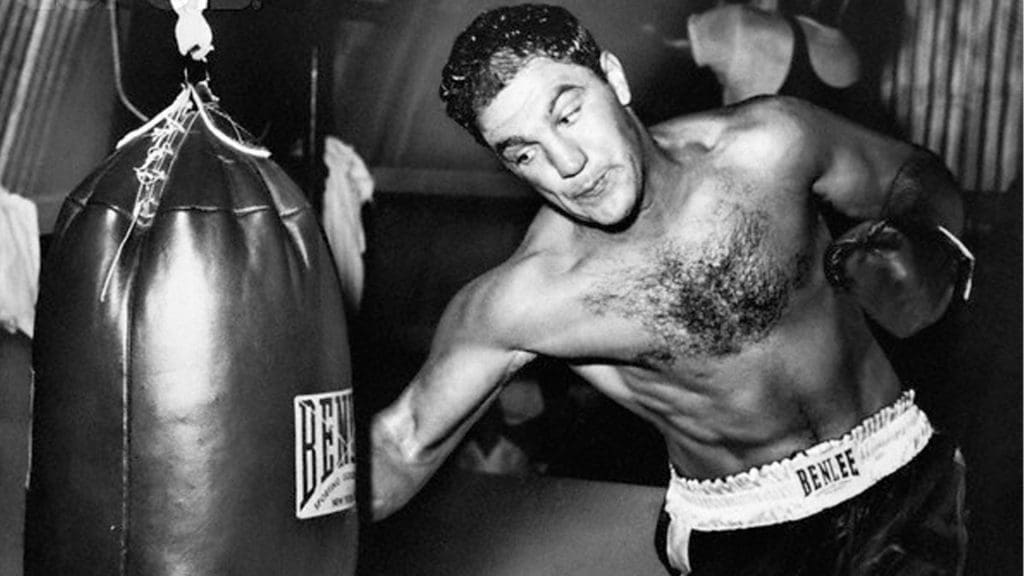
How did Rocky Marciano build this fortune?
The answer unfolds through the career, earnings, deals and assets behind the headline estimate.
Before the fame
The background and early turning points that shaped Rocky Marciano’s route to prominence.
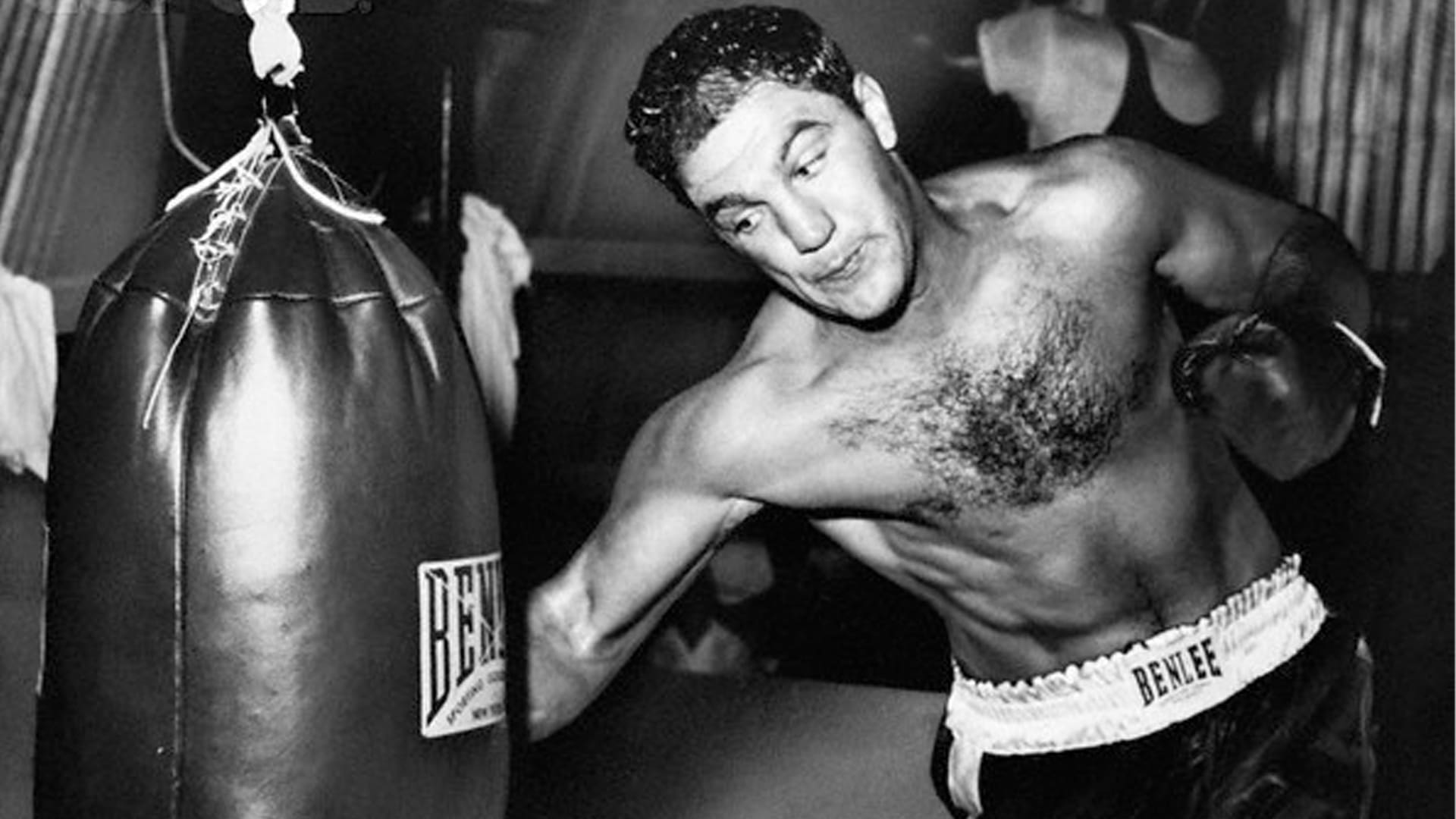
Rocky Marciano was born Rocco Francis Marchegiano on September 1, 1923, in Brockton, Massachusetts, the son of Italian immigrants Pierino Marchegiano, a shoe factory worker from Abruzzo, and Pasqualina Picciuto, from Campania. According to Wikipedia’s biography of Marciano, the family struggled through the Great Depression, and Rocco dropped out of high school after the tenth grade to help support his five siblings, working as a ditch digger, gardener and leather tanner. He was drafted into the Army in 1943, served with the 150th Combat Engineers in Wales and Normandy, and first boxed in camp bouts organized to keep soldiers occupied. That hardscrabble, cash strapped upbringing shaped a lifelong distrust of banks and formal money management that would define his finances long after he became champion.
After his 1946 discharge, Marciano trained seriously for the first time, winning New England Golden Gloves honors before a broken thumb ended his Olympic hopes. As EBSCO’s research profile of Marciano notes, he turned professional in the late 1940s after overcoming poverty and prejudice, and he quickly grew wary of manager Al Weill, whom he came to believe was shorting him on his purses even in those early years. He fought his 1947 professional debut under the assumed name Rocky Mack to protect his amateur status, earning just 35 dollars for a third round knockout, before trainer Charley Goldman reshaped his awkward style into the tight, crouching attack that became his trademark. His October 1951 stoppage of his childhood hero Joe Louis at Madison Square Garden finally forced the heavyweight division to take him seriously as a title contender.
The breakthrough years
The career decisions and defining moments that turned recognition into sustained earning power.
The breakthrough came on September 23, 1952, at Philadelphia’s Municipal Stadium, when Marciano challenged champion Jersey Joe Walcott for the heavyweight title. He was dropped in the first round, the first knockdown of his career, and trailed on the scorecards for twelve rounds before a single overhand right ended the fight in the thirteenth. Under the fight’s terms, detailed on Wikipedia’s page for the Walcott bout, Marciano fought as the underdog challenger for a fixed 20 percent share of the live gate while Walcott, the champion, took 40 percent, a lopsided split typical of how new contenders were paid in that era. The win made Marciano the first heavyweight champion from Massachusetts in 62 years and opened the four year reign that followed.

What the work can earn
Reported pay, contracts, royalties and performance income reveal how the fortune was funded.
Marciano defended his title six times, stopping Walcott in a first round rematch, outpointing Roland La Starza, beating former champion Ezzard Charles twice, and closing out his career with stoppages of Don Cockell and Archie Moore in front of more than 61,000 fans at Yankee Stadium. He retired on April 27, 1956, at age 32, with a perfect 49-0 record and 43 knockouts, walking away at the height of his earning power rather than keep fighting under his manager’s terms. He remains the only heavyweight champion in history to retire completely undefeated, a distinction recognized when he became part of the International Boxing Hall of Fame’s first induction class; a UPI wire report on the 1990 announcement listed him alongside Muhammad Ali, Joe Louis and John L. Sullivan among boxing’s inaugural honorees. The Ring magazine also named him its Fighter of the Year three times, in 1952, 1954 and 1955.
Marciano’s hometown has honored him repeatedly and increasingly since his death. On September 23, 2012, the sixtieth anniversary of his win over Walcott, Brockton unveiled a 20-foot bronze statue of Marciano in Champion Park on the grounds of Brockton High School, an event covered by CBS News Boston as one of the largest athlete statues in the country. The city had already renamed its high school football stadium in his honor decades earlier, and he was inducted into the International Boxing Hall of Fame in 1990 and the World Boxing Hall of Fame in 1980. Recognition has continued into the present day, with his childhood home added to a national historic register in 2025, evidence that his standing as boxing’s only undefeated heavyweight champion has never faded.

The business beyond the main career
Endorsements, ownership interests and investments can keep compounding long after the initial breakthrough.
Marciano’s endorsement income mostly came from trading on his enduring fame rather than the formal advertising campaigns typical of modern athletes. In 1957 he co-authored Rocky Marciano’s Book of Boxing and Bodybuilding with trainer Charley Goldman, an instructional title built around his name and technique. His highest profile late career payday came from The Super Fight, a computer simulated bout against Muhammad Ali filmed in July 1969; according to Wikipedia’s article on the production, promoter Murray Woroner awarded Marciano a gold and diamond championship belt valued at 10,000 dollars for his participation, filmed weeks before his death and released in cinemas worldwide in January 1970. He also drew steady, if unspectacular, fees from frequent appearances on programs including The Ed Sullivan Show, The Merv Griffin Show and The Tonight Show, trading on his standing as the only undefeated heavyweight champion.
Unlike many boxers of his era, Marciano tried to build income outside the ring during his final active years and after retirement. According to Wikipedia’s biography, he became a partner and vice president of Papa Luigi Spaghetti Dens, a San Francisco based restaurant franchise, and later worked as a professional wrestling referee and as host of the television program Main Event. These ventures brought in real but modest income compared to his ring earnings, and biographers who have studied his post-boxing life describe him as far more comfortable negotiating a cash appearance fee than running a company, a pattern that limited how much lasting commercial value he built once he stopped fighting.

Notable luxury item
A reported property or major asset offers a tangible glimpse of the wealth behind the public estimate.
There is no reliable public record of Marciano owning the kind of large real estate portfolio some of his contemporaries accumulated. His most documented residence remains the modest house on Dover Street in Brockton where he grew up, which the Boston Globe reported was added to the National Register of Historic Places in September 2025, specifically because it survives as the most representative surviving residence tied to his career. Biographers who have examined his finances describe Marciano as someone who avoided conventional assets almost entirely in favor of cash, hiding money in curtain rods, toilet tanks and a friend’s bomb shelter rather than converting his earnings into property or investments. He was later entombed at Forest Lawn Memorial Cemetery in Fort Lauderdale, Florida, where he had spent much of his later life, but no public record establishes what real estate, if any, he owned there.
Rocky Marciano’s estimated net worth
Public estimates vary because private contracts, investments, taxes and liabilities are not fully disclosed.
How this estimate is calculated
HMW’s estimate starts from Marciano’s documented ring income, built primarily on a percentage of the live gate rather than fixed purses, including his championship winning share of the record Walcott gate in 1952 and the more than 61,000 fans who paid to see his final title defense against Archie Moore at Yankee Stadium in 1955. Research profiles of his career describe him earning well over four million dollars across his fighting life while spending comparatively little of it. It adds modest outside income from the Papa Luigi Spaghetti Dens partnership, television and wrestling appearance fees, and the 10,000 dollar diamond belt awarded for The Super Fight in 1969, then subtracts manager Al Weill’s roughly 50 percent cut, additional skimmed fees documented by his biographers, and decades of cash reportedly stashed rather than invested that was never recovered by his family. Celebrity Net Worth’s figure, which lists his estate at the time of his 1969 death at around 1 million dollars, is used only as a conservative secondary check against this bottom-up build, not as the source of the estimate itself.
Marciano left no major foundation or namesake charity in the way some later champions did, but accounts of his personal generosity toward people he had genuinely affected are well documented. EBSCO’s profile of Marciano describes him as generous to former fighters even as he remained secretive and miserly about his own finances, a contradiction that ran through his post-boxing life. After knocking out young contender Carmine Vingo in a 1949 bout that left Vingo hospitalized and partially paralyzed, Marciano visited him repeatedly, offered financial help, and remained a lifelong friend who was later invited to Marciano’s wedding. A devout Catholic who attended Mass before fights and said an audience with the Pope would be his greatest thrill, Marciano built a public image around humility and hard work rather than the flash of the era’s other stars.
The most persistent scrutiny of Marciano’s career centers on the boxing business around him rather than his own conduct in the ring. His manager, Al Weill, answered to Frankie Carbo, the organized crime figure widely described as boxing’s underworld commissioner through his control of the International Boxing Club, and Weill took roughly half of Marciano’s purses while also skimming additional fees from his appearances, according to the Art of Manliness interview with biographer Mike Stanton. Marciano privately resented the arrangement, and it contributed directly to his decision to retire in 1956 rather than keep fighting under Weill’s terms. His own extreme frugality, refusing bank deposits, hiding cash in strange places, and even turning down large paychecks in favor of smaller cash payments, became a well known part of his story, one his family confronted directly after his death when hired detectives could not locate money he was known to have set aside.