Introduction
The largest paydays in film history are almost never salaries. They are participations – a share of a film’s revenue negotiated in advance, usually in exchange for taking less money up front. The actors who understood this early made fortunes that fixed fees could never have produced, and the deals below are the ones that defined how the system works.
First-Dollar Gross Versus Net Profit: The Distinction That Matters Most
First-dollar gross pays the actor a percentage of receipts as they arrive, before the studio deducts marketing, distribution and overhead. Net profit pays a percentage of what is left after those deductions – and studio accounting is famously capable of ensuring that very little is left. Films grossing hundreds of millions have reported no net profit at all.
This single distinction separates the fortunes below from the participation deals that paid nothing. When a figure is quoted for a star’s backend, the key question is always which kind it was: a gross point on a billion-dollar film is a fortune, while a net point can be worth literally zero.
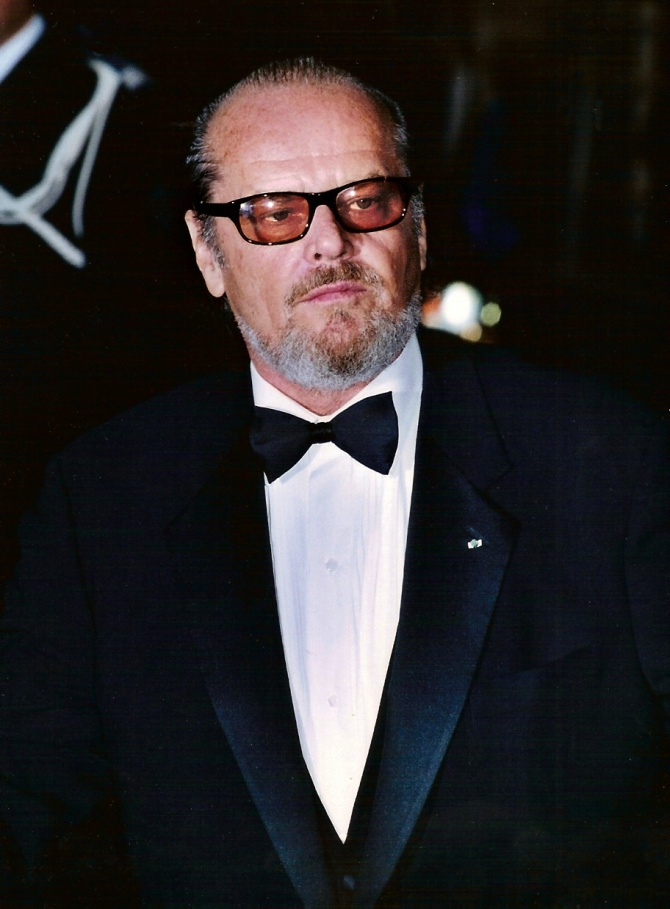
1. Jack Nicholson – Batman (1989) – Reported at $60 Million or More
Nicholson reduced his base fee to a reported 6 million dollars in exchange for a share of gross receipts and a portion of merchandising on Batman. Estimates of what that ultimately paid him range from 60 to 90 million dollars, worth substantially more in today’s money (Far Out). It became the template for the participation deals that followed: the moment stars realised they could own a piece of a blockbuster rather than merely appear in one.
2. Bruce Willis – The Sixth Sense (1999) – Reported Above $100 Million
Willis accepted 14 million dollars up front instead of his then-standard 20 million in exchange for roughly 17 per cent of worldwide gross. Against a gross approaching 673 million dollars, that produced a total reported at well over 100 million – among the largest single paydays in film history (Variety, the record of highest-paid film roles).
3. Tom Cruise – Top Gun: Maverick (2022) – Reported Above $100 Million
Cruise took a reported 13 million dollars up front plus a first-dollar gross participation of between ten and twenty per cent. The film grossed 1.49 billion dollars (Variety) and Deadline worked its net profit through at 391 million, one of the few occasions on which a major studio release has had its profit position calculated publicly. A payday in excess of 100 million from the single title has been widely reported; the participation terms themselves have never been published. Cruise has negotiated first-dollar gross across the Mission: Impossible series as well, and it is among the most important factors in his wealth.
4. Tom Holland – Spider-Man: Brand New Day (2026) – Reported Above $100 Million
Holland stands to earn more than 100 million dollars from a single film, on a base of at least 20 million up front plus an uncapped share of the backend, after the film passed two billion dollars worldwide (TheWrap). It is the modern version of the Nicholson deal, and demonstrates that the structure still produces the largest numbers in the business.
5. Robert Downey Jr – The Avengers (2012) – Reported at About $50 Million
Downey was paid a reported 500,000 dollars for the first Iron Man, a risky bet on an actor whose career had stalled. By The Avengers in 2012 his participation produced a reported 50 million dollars for a supporting-length role, a figure that prompted public debate about whether his co-stars were being underpaid (Variety).
6. Keanu Reeves – The Matrix Sequels – Reported at Over $100 Million, Largely Given Away
Reeves negotiated backend participation on the Matrix sequels that reporting placed in the region of 100 to 150 million dollars. He then reportedly redirected a substantial portion of it to the films’ special effects and costume teams, on the grounds that they had done the work that made the films succeed (ABC News). It is the only entry on this list where the notable fact is what happened to the money afterwards.
How These Figures Should Be Read
Every number above is reported rather than confirmed. Participation terms are contractual and private, and the figures that reach the press come from agents, rival studios and litigation rather than from disclosure. The best-evidenced entry here is the Sixth Sense deal, whose structure has been described repeatedly by the people who made the film (Variety). Two specific cautions apply.
First, a reported payday is a gross figure. Representation takes roughly fifteen to twenty per cent before tax, and tax at these levels takes close to half of the remainder. Second, backend money arrives over years rather than at release, against studio accounting the actor cannot audit without litigation – which is precisely why so many participation disputes end up in court.