 How Much Are They Worth?
Celebrity fortunes, explained
How Much Are They Worth?
Celebrity fortunes, explained









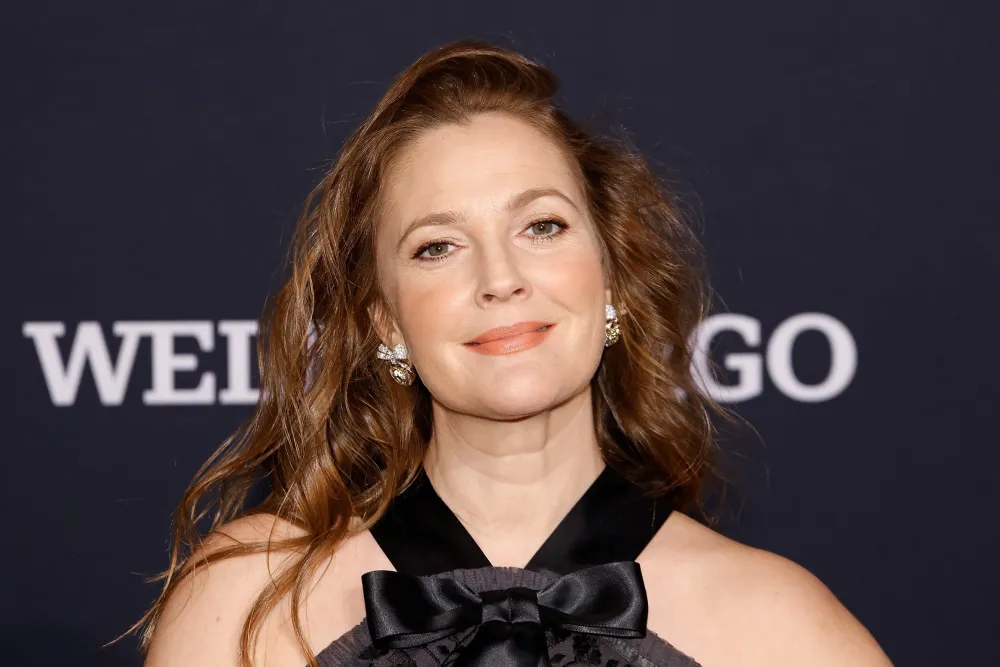
How did Drew Barrymore build this fortune?
The answer unfolds through the career, earnings, deals and assets behind the headline estimate.
Before the fame
The background and early turning points that shaped Drew Barrymore’s route to prominence.
Drew Barrymore was born on February 22, 1975, in Culver City, California, to actor John Drew Barrymore and Ildiko “Jaid” Barrymore, according to her Wikipedia biography. She is a member of the Barrymore acting dynasty, the granddaughter of famed stage and screen actor John Barrymore and a great-niece of Lionel and Ethel Barrymore, making her part of one of Hollywood’s oldest performing families.
Barrymore appeared in television commercials as an infant and made her film debut at age five in Altered States (1980). Her breakout role came two years later as Gertie in Steven Spielberg’s E.T. the Extra-Terrestrial (1982), a performance that made her one of the most recognizable child actors in the world by age seven.
Barrymore’s adolescence was turbulent and widely publicized. According to her Biography.com profile, she began drinking alcohol at age nine, was using drugs by her early teens, and entered a rehabilitation facility at 13. At 14 she published the memoir “Little Girl Lost,” detailing her substance abuse, and was legally emancipated from her mother that same year, taking control of her own finances and household while still a young teenager.
She spent much of the 1990s rebuilding her career and reputation with a run of genre films, including Poison Ivy (1992) and Boys on the Side (1995), before her role in the horror hit Scream (1996) helped relaunch her as a bankable young adult star heading into the following decade.
The breakthrough years
The career decisions and defining moments that turned recognition into sustained earning power.
In 1995, Barrymore co-founded the production company Flower Films with producing partner Nancy Juvonen, giving her creative and financial control over projects rather than relying solely on acting offers from other studios. The company’s biggest early success came from a franchise Barrymore both produced and starred in.
Charlie’s Angels (2000), produced by Barrymore, Nancy Juvonen and Leonard Goldberg through Flower Films, grossed $264.1 million worldwide for Sony’s Columbia Pictures, according to its Wikipedia entry. The sequel, Charlie’s Angels: Full Throttle (2003), grossed $259.1 million worldwide on a $120 million budget, cementing Flower Films as a commercially proven producing operation rather than simply a vehicle for its founder’s own star vehicles.
What the work can earn
Reported pay, contracts, royalties and performance income reveal how the fortune was funded.
Barrymore’s most acclaimed dramatic performance came in HBO’s Grey Gardens (2009), in which she played “Little Edie” Beale. According to the Wikipedia list of her awards and nominations, the role won her both the Golden Globe and the Screen Actors Guild Award for Best Actress in a Miniseries or Television Film.
She was also nominated for the Primetime Emmy in the same category for Grey Gardens but lost to Jessica Lange, despite having beaten Lange at both the Golden Globes and the SAG Awards earlier in that award season, a rare instance of an actress sweeping the precursor awards without the Emmy to match.
Since September 2020, Barrymore has hosted the syndicated CBS Media Ventures daytime talk show “The Drew Barrymore Show.” After two prior nominations, in 2021 and 2022, she won her first career Emmy at the 52nd Annual Daytime Emmy Awards in 2025, taking home Outstanding Daytime Talk Series Host, according to Billboard’s coverage of the ceremony.
The win came in an upset over a field that included Kelly Clarkson, Jennifer Hudson, Jenna Bush Hager and Hoda Kotb, and Kelly Ripa and Mark Consuelos, and the show also picked up awards that year for Outstanding Hairstyling and Makeup and Outstanding Directing Team for a Multiple Camera Daytime Non-Fiction Program.

The business beyond the main career
Endorsements, ownership interests and investments can keep compounding long after the initial breakthrough.
Barrymore signed her first major beauty campaign in 2007 when CoverGirl named her its newest spokesmodel, a partnership that grew into a co-creative director role she held for roughly seven years, according to The Hollywood Reporter’s coverage of the original deal.
She has also maintained a long-running relationship with Garnier, serving as brand ambassador for its Whole Blends haircare line before the partnership expanded in February 2023 to include the Garnier Nutrisse hair color range, according to TheIndustry.beauty’s report on the expanded deal.
Flower Films, Barrymore’s production company with Nancy Juvonen, has been behind the Charlie’s Angels franchise, Donnie Darko, Fever Pitch, Music and Lyrics, and Barrymore’s own 2009 feature directorial debut, Whip It. Beyond film, she extended her business ventures into consumer products, launching Flower Beauty in 2013 in partnership with beauty incubator Maesa, debuting at 1,500 Walmart stores before expanding into Target and CVS.
Flower Beauty quietly shut down in late 2024 after 13 years on shelves, with Maesa saying it was exiting the color cosmetics category entirely to focus resources elsewhere, according to Beauty Independent’s reporting. Barrymore also launched Barrymore Wines, a partnership with Jackson Family Wines’ Carmel Road label and winemaker Kris Kato producing a Pinot Grigio, a rosé of Pinot Noir, and a signature Pinot Noir blend.
Notable luxury item
A reported property or major asset offers a tangible glimpse of the wealth behind the public estimate.
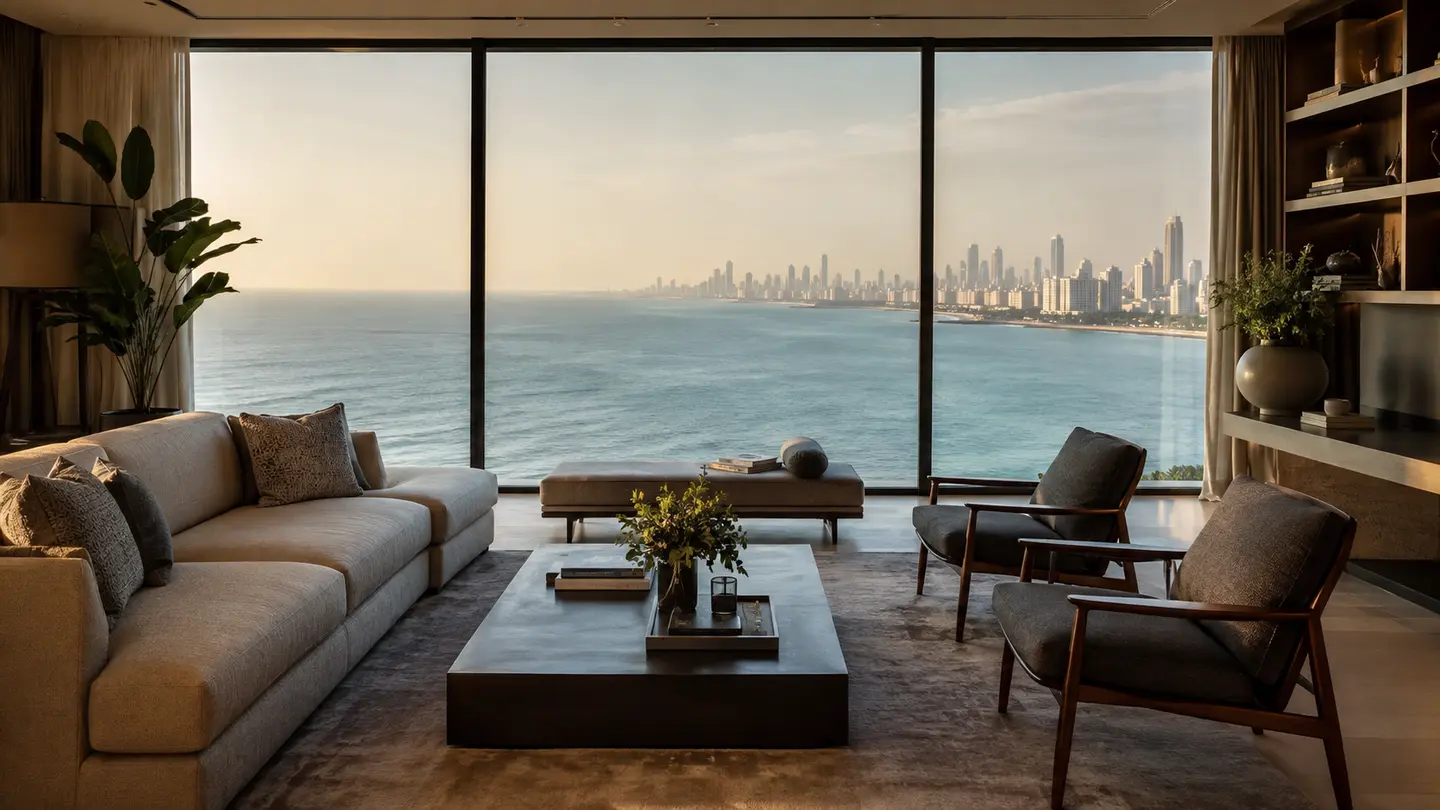
Barrymore’s most documented real estate transaction involves a Hollywood Hills mansion she purchased in 2002 for $4.35 million. The roughly 8,000-square-foot, 18-room property, built in 1957, sold off-market in August 2018 for $16.5 million to a Swedish LLC named Hillcrest AB, a return of more than three and a half times her original purchase price.
She has also owned a converted 1920s barn compound on 1.7 acres in Sagaponack, in the Hamptons, which she purchased in 2019 for $5.5 million and listed for sale in 2024 at $8.45 million, according to Robb Report’s coverage of the listing, along with an earlier Montecito property, reflecting a real estate pattern of buying, renovating and reselling homes on both coasts rather than holding a single long-term primary residence.
Drew Barrymore’s estimated net worth
Public estimates vary because private contracts, investments, taxes and liabilities are not fully disclosed.
How this estimate is calculated
Barrymore’s fortune is built from several distinct income streams rather than a single dominant source: decades of film and television acting fees, ownership and producing income from Flower Films, syndication earnings from hosting a long-running daytime talk show, more than a decade of revenue from the now-closed Flower Beauty cosmetics line, ongoing royalties from Barrymore Wines, multi-year beauty endorsement contracts with CoverGirl and Garnier, and real estate transactions that have generated substantial paper gains, including more than a three-fold return on her former Hollywood Hills home.
Because producing fees, endorsement contract values, book advances and her talk-show salary are not publicly disclosed, third-party estimates of her net worth vary. The most consistently cited public figure comes from Celebrity Net Worth, used here strictly as a secondary, supplementary reference rather than a primary source, and it is broadly consistent with a career built on a mix of acting, hosting, producing and now-wound-down consumer brand income rather than a single concentrated asset.
Barrymore has worked with the United Nations World Food Programme since 2005 and was formally named an Ambassador Against Hunger in May 2007, a role focused on advocating for school feeding projects in some of the world’s poorest countries, according to UN News’s report on her appointment. She has traveled to WFP-supported programs in Kenya and personally donated $1 million in 2008 toward child hunger relief efforts, an announcement she made on “The Oprah Winfrey Show.”
That humanitarian work has become a consistent part of her public image alongside her talk-show persona, which is built around openness about her own past struggles and an approachable, unguarded hosting style that has carried over from her acting career.
In September 2023, Barrymore drew significant public backlash after confirming that “The Drew Barrymore Show” would return to production without its writers while the Writers Guild of America strike was still ongoing. Her own striking writers picketed the show’s studio, and after a tearful on-air apology in which she said she wanted to “own” the decision, she reversed course and paused the show until the strike ended, according to Variety’s reporting on the fallout.
The strike ended on September 27, 2023, but three of the show’s head writers subsequently declined offers to return to their jobs, a notable coda to an episode that became one of the more visible flashpoints of that year’s industry-wide labor dispute.