
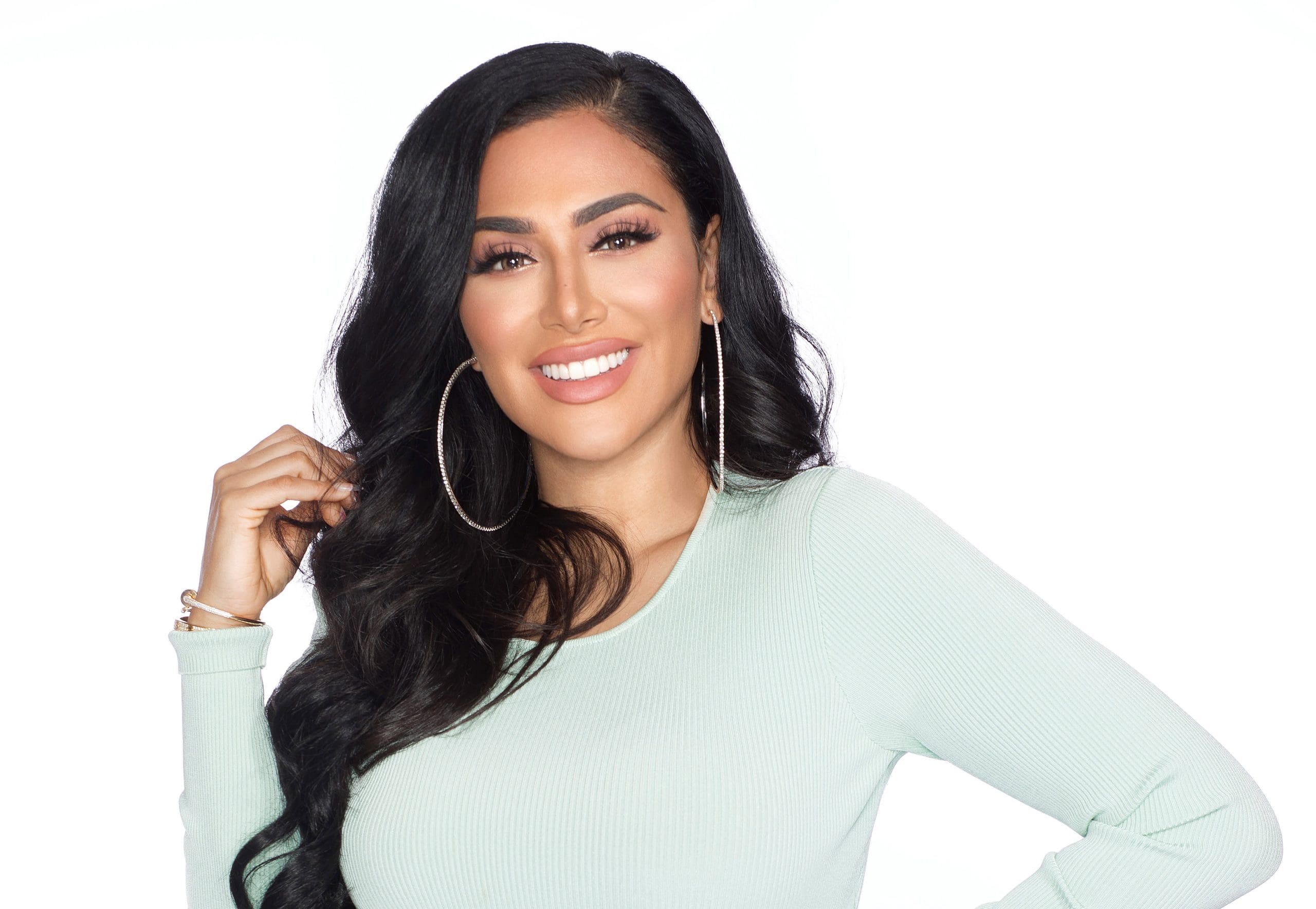
 How Much Are They Worth?
Celebrity fortunes, explained
How Much Are They Worth?
Celebrity fortunes, explained










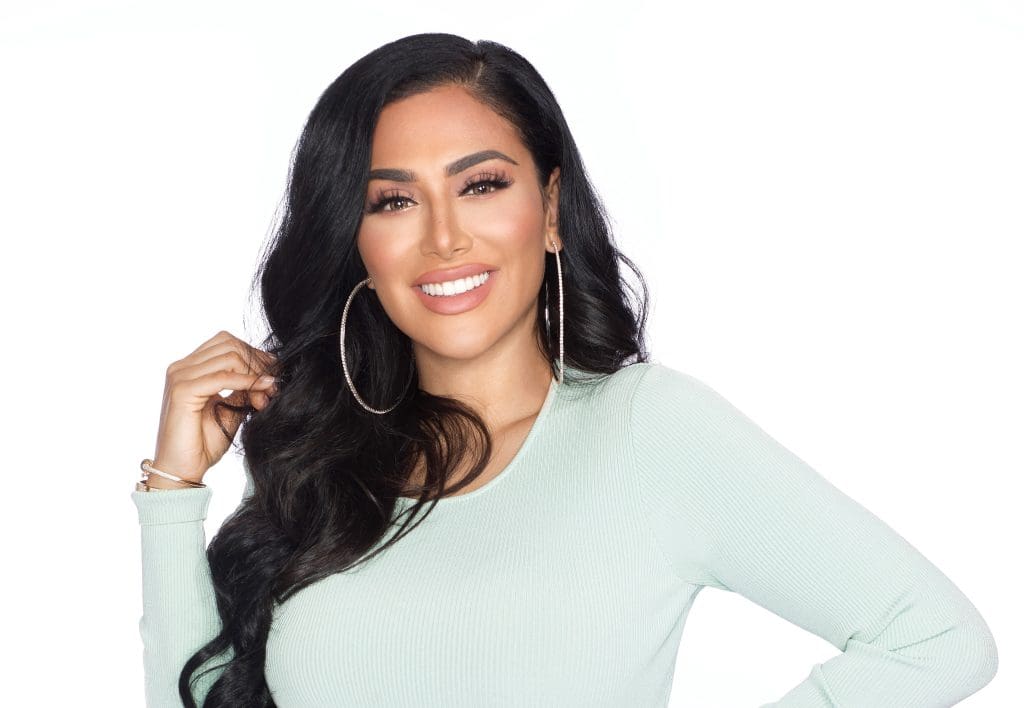
How did Huda Kattan build this fortune?
The answer unfolds through the career, earnings, deals and assets behind the headline estimate.
Huda Kattan before the fame
The background and early turning points that shaped Huda Kattan’s route to prominence.
Huda Kattan was born on October 2, 1983, in Oklahoma City, Oklahoma, to Iraqi immigrant parents, Ibrahim Kattan and Susu Al Qazzaz, who had come to the United States as academics. She is one of four children, and her sisters Mona and Alya later became central figures in her business, with Mona becoming a co-founder of Huda Beauty and the founder of the fragrance brand Kayali, and Alya taking on a leading role in the company’s social media strategy, according to her Wikipedia biography.
Kattan spent part of her childhood in Tennessee and Massachusetts before her family relocated to Dubai in 2006, a move that eventually placed her at the center of the city’s emerging beauty and influencer scene, as detailed in a case study by Femfounded. That relocation, following years of moving between US states as her parents’ careers shifted, shaped the multicultural identity she later built her brand around.
Kattan earned a business administration and finance degree, then took a brief, unfulfilling detour into corporate and recruitment work in Dubai before deciding the traditional finance path was not for her, per her Wikipedia profile. She subsequently enrolled at the Joe Blasco Makeup Academy in Los Angeles to train formally as a makeup artist, a decision she has described as life-altering.
After building a client list that included celebrities such as Eva Longoria and Nicole Richie, Kattan returned to Dubai and worked as a professional makeup artist for Revlon, gaining the technical grounding and industry contacts that would later underpin her own brand, according to the same Wikipedia account of her career history.
Huda Kattan’s breakthrough years
The career decisions and defining moments that turned recognition into sustained earning power.
In April 2010, on the advice of her sister Alya, Kattan launched a WordPress beauty blog called “Huda Beauty,” posting makeup tutorials and product reviews that quickly built a large following across the Middle East, per Femfounded’s account of the company’s founding.
In 2013, funded by a $6,000 loan from Alya that Kattan has said she had to beg for, she launched her first physical product, a false-eyelash line sold through Sephora Dubai. Sephora had projected the lashes would sell around 7,000 units over a full year; they sold out in one week, immediately signaling the commercial potential of the Huda Beauty brand.

What Huda Kattan’s work can earn
Reported pay, contracts, royalties and performance income reveal how the fortune was funded.
Huda Beauty grew from that eyelash launch into a full cosmetics line spanning eyeshadow palettes, lipsticks, foundations and concealers, with the company’s Forbes profile citing more than 100 products and annual sales of roughly $200 million.
The clearest external validation of that growth came in December 2017, when private equity firm TSG Consumer Partners invested approximately $200 million for a 16 percent minority stake in Huda Beauty, a deal that valued the company at $1.2 billion and made it one of the first billion-dollar beauty brands to emerge from the Middle East, according to Femfounded’s reporting.
Kattan’s public profile grew alongside her business. In 2017, Forbes named her one of the ten most powerful influencers in beauty, and Time included her on its list of the 25 most influential people on the internet, according to her Wikipedia entry.
She went on to appear on Fortune’s 40 Under 40 list in 2020 and BBC’s 100 Women list in 2023, recognition that tracks a social media following that had grown into the tens of millions of followers, per the same source. That combination of business credibility and cultural visibility is part of what distinguishes her from many other beauty founders.
Huda Kattan’s business beyond the main career
Endorsements, ownership interests and investments can keep compounding long after the initial breakthrough.
Kattan’s commercial reach has run in the opposite direction from a typical celebrity endorser: rather than fronting other companies’ products, she has built one of the beauty industry’s most valuable sponsored-content platforms in her own right. In 2017, she was ranked first on an influencer Instagram rich list with an estimated $18,000 charged per sponsored post, according to her Wikipedia biography.
On the retail side, Huda Beauty has built exclusive and semi-exclusive partnerships with major beauty retailers, with Sephora serving as its primary mass-market retail partner alongside Boots, Selfridges and Cult Beauty, distribution relationships referenced in coverage of the brand from Yahoo News.
Beyond the core Huda Beauty cosmetics line, Kattan and her sister Mona launched the fragrance brand Kayali in 2018, expanding the family’s business beyond makeup into perfume, per the Forbes company profile.
In June 2025, Kattan completed a buyback of TSG Consumer Partners’ minority stake in Huda Beauty, returning the company to full founder ownership for the first time since the 2017 investment. “This brand was built on passion, creativity, and a desire to challenge the beauty industry,” she said in comments reported by Gulf News, which also reported the announcement was made via an Instagram story titled “We Bought Huda Beauty Back.”

Huda Kattan’s notable luxury item
A reported property or major asset offers a tangible glimpse of the wealth behind the public estimate.
Kattan has not publicly disclosed a detailed personal real estate portfolio. The most significant physical asset tied to her name is corporate rather than personal: Huda Beauty is headquartered in Dubai Production City, where the company runs its corporate offices and creative studios, according to Femfounded’s case study of the business.
That pattern fits the broader shape of her wealth, which is concentrated in equity rather than visible trophy assets. Following the 2025 buyback of TSG’s stake, Kattan holds full ownership of Huda Beauty, making her stake in the company itself, rather than any disclosed real estate holdings, her single largest asset.
Huda Kattan’s estimated net worth
Public estimates vary because private contracts, investments, taxes and liabilities are not fully disclosed.
How this estimate is calculated
This estimate is anchored in the one hard, disclosed data point available: the December 2017 transaction in which TSG Consumer Partners paid approximately $200 million for a 16 percent stake in Huda Beauty, implying a company valuation of $1.2 billion, reported by Femfounded and referenced in Huda Beauty’s Forbes company profile, which also cites approximately $200 million in current annual sales.
Since then, ownership has moved twice: Kattan and her family retained roughly 84 percent of the company through the TSG minority-stake years, and in June 2025 she bought back TSG’s full stake, funded in part by selling her stake in Kayali to General Atlantic and her sister Mona in a deal with undisclosed terms, returning her to 100 percent ownership of Huda Beauty but requiring what she described as “a pretty penny” in cash. Because Huda Beauty remains privately held, no updated post-buyback valuation has been disclosed. As a secondary reference point, Celebrity Net Worth, a celebrity wealth estimation site rather than a financial disclosure source, lists her net worth at approximately $560 million; that figure is used here only as a supplementary data point alongside the disclosed transaction values above, not as the sole basis for the estimate.
Weighing the disclosed $1.2 billion valuation from the 2017 TSG transaction, the return to full ownership following the 2025 buyback, the roughly $200 million in current annual sales, and secondary wealth-tracking estimates clustered around $550 to $560 million, Huda Kattan’s estimated net worth as of 2026 falls in the following range.
Kattan has directed significant personal and corporate giving toward causes tied to racial justice, public health and humanitarian relief. In June 2020, she donated $500,000 to the NAACP Legal Defense Fund, and in May 2021 she gave $100,000 to Help India Breathe, a COVID-19 relief campaign, according to her Wikipedia biography.
In November 2023, she donated $1 million split between Doctors Without Borders and Human Appeal for humanitarian relief tied to the Gaza conflict, part of a broader pattern of six and seven figure donations that has run alongside her business growth, per the same source.
In early August 2025, TikTok removed a video posted by Kattan in which she promoted conspiracy theories claiming Israel was behind World War I, World War II, the September 11 attacks and the October 7, 2023 Hamas attack on Israel, according to Yahoo News and the BBC. The Anti-Defamation League condemned the remarks as dangerous and historically baseless antisemitic tropes.
The fallout extended to her business relationships: CNN reported that Sephora, Huda Beauty’s primary mass retailer, said it was reviewing the matter, while the advocacy group StopAntisemitism publicly called on Sephora to cut ties with the brand. Kattan and Huda Beauty did not respond to press requests for comment on the video at the time.