
 How Much Are They Worth?
Celebrity fortunes, explained
How Much Are They Worth?
Celebrity fortunes, explained

How did Takashi Murakami build this fortune?
The answer unfolds through the career, earnings, deals and assets behind the headline estimate.
Before the fame
The background and early turning points that shaped Takashi Murakami’s route to prominence.
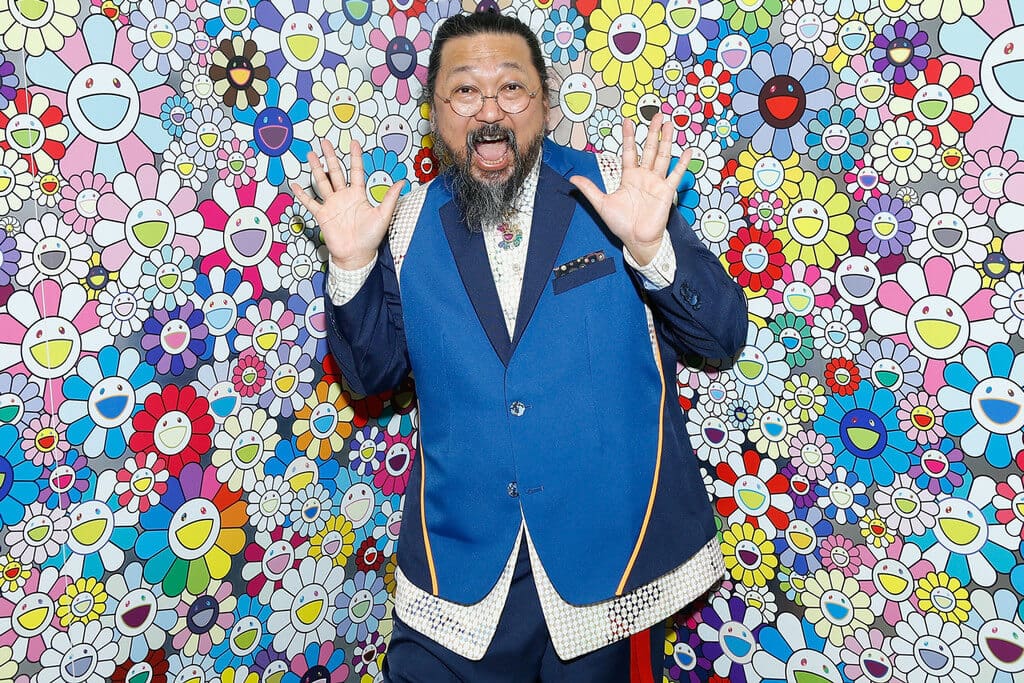
Takashi Murakami is a Japanese contemporary artist and the founder of Kaikai Kiki, the company through which he produces art, develops merchandise, stages projects and supports other artists. His “Superflat” theory connects fine art, anime, consumer imagery and post-war Japanese culture, making commercial collaboration part of the practice rather than a separate celebrity sideline. Kaikai Kiki’s official Takashi Murakami profile documents his roles as artist, curator, filmmaker and company founder.
Murakami studied traditional nihonga painting at Tokyo University of the Arts, ultimately earning a doctorate. Frustration with the contemporary relevance and market structure of nihonga pushed him toward characters such as Mr. DOB and a deliberate fusion of “high” and “low” culture. A Rockefeller fellowship brought him to New York in the 1990s, where he developed an international network. The Guggenheim’s Takashi Murakami artist page supplies institutional context for his education, imagery and Superflat practice.
The breakthrough years
The career decisions and defining moments that turned recognition into sustained earning power.
The Superflat exhibitions at the turn of the millennium gave Murakami a critical framework that travelled with the artwork. His sculptures and precisely fabricated paintings then entered major museum and gallery collections. The Museum of Contemporary Art Los Angeles archive for Murakami documents a major retrospective surveying painting, sculpture, installation and film. The breakthrough mattered financially because it supported both high-priced primary works and a studio infrastructure able to produce editions and consumer goods.

What the work can earn
Reported pay, contracts, royalties and performance income reveal how the fortune was funded.
Murakami collaborated with Louis Vuitton under Marc Jacobs, created artwork connected with Kanye West, exhibited at Versailles and developed films, NFTs and trading cards. In 2008, his sculpture My Lonesome Cowboy sold for $15.2 million at Sotheby’s. Sotheby’s lot record for My Lonesome Cowboy documents that secondary-market benchmark. The seller, not Murakami, received the auction proceeds; HMW uses the result only to gauge demand for new work.
Direct financial sources include primary gallery sales, editions, sculpture and painting commissions, licensing, merchandise and Kaikai Kiki operations. Large works require teams of trained assistants, complex digital preparation and meticulous fabrication, so studio revenue has substantial costs. Gagosian’s official Murakami artist page documents his gallery representation and exhibitions. Gallery commission and company expenses are deducted before estimating the wealth retained by Murakami personally.
The business beyond the main career
Endorsements, ownership interests and investments can keep compounding long after the initial breakthrough.
The Louis Vuitton collaboration became one of art and fashion’s most visible partnerships, beginning with reworked monograms and later returning in a new collection. Murakami has also collaborated with streetwear, watch, footwear and music brands. Louis Vuitton’s official Murakami collection page confirms the current branded relationship. Retail revenue belongs primarily to the fashion house; only Murakami’s undisclosed fee or royalty is counted.
Kaikai Kiki operates production studios and galleries, manages artists, sells merchandise and organises projects. That structure gives Murakami potential enterprise equity in addition to artist income, but it also carries payroll, premises, inventory and project risk. Kaikai Kiki’s official company overview describes its cross-border organisation and mission. Without accounts, the company is valued conservatively and is not assumed to own every artwork or receive every collaboration’s retail sales.
Notable luxury item
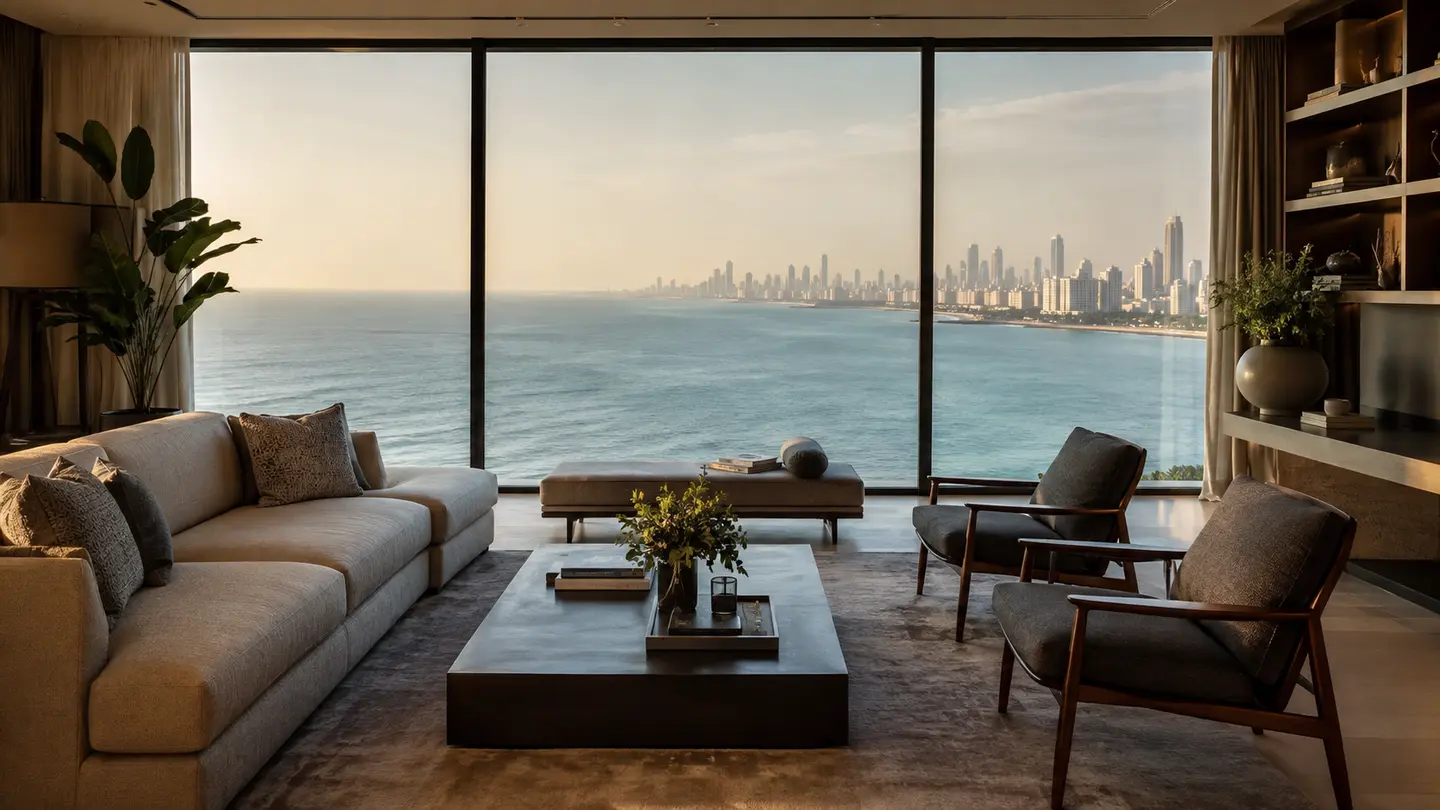
A reported property or major asset offers a tangible glimpse of the wealth behind the public estimate.
Potential assets include company equity, copyrights, trademarks, unsold studio inventory, personal art holdings, property, cash and investments. Inventory cannot be valued by multiplying every object by a peak auction result: editions vary, forced selling reduces price and galleries take commissions. Murakami has discussed serious financial pressure from costly film production, illustrating how revenue can be reinvested. ARTnews’ report on Murakami’s disclosure of financial strain provides a necessary counterweight to auction headlines.
Takashi Murakami’s estimated net worth
Public estimates vary because private contracts, investments, taxes and liabilities are not fully disclosed.
How this estimate is calculated
The model estimates $160 million to $250 million in attributable lifetime gross receipts from primary art, editions, licensing, merchandise and company operations. After gallery shares, fabrication, studio payroll, failed-project costs, tax and consumption, approximately $55 million to $100 million may have been retained. It adds $35 million to $75 million for discounted inventory, intellectual property, Kaikai Kiki equity, cash, investments and property, then deducts $20 million to $45 million for liabilities, illiquidity and overlap. The resulting range is approximately $75 million to $130 million. Its midpoint reflects a global art-and-commerce platform while remaining far below aggregate retail sales and collector resale turnover.
Smiling flowers, Mr. DOB and multicolour monograms give Murakami recognisable intellectual property across galleries, fashion and mass merchandise. Museum exhibitions continue to place that imagery in art-historical settings. The Broad’s Takashi Murakami collection and exhibition page records institutional holdings and his large-scale work. Reach supports pricing and licensing but social impressions and visitor counts are not assets.
Institutional exhibitions, gallery representation, auction demand and luxury collaborations establish a valuable practice. They do not disclose Murakami’s primary-market splits, licensing rates, corporate debt, taxes or personal ownership of Kaikai Kiki assets. Auction records are excluded from income unless the work was sold by the artist or studio. The estimate also applies discounts for the production-heavy model and for volatility in NFTs and collectibles, rather than assuming each new commercial category retains launch-period value. Yen-dollar movements complicate comparisons across a career conducted through Japanese and American entities. Gallery consignments may also remain unsold or be returned, so announced exhibitions do not guarantee revenue. The valuation therefore rewards documented breadth but retains a substantial reserve for working capital and obligations. It distinguishes Murakami’s personal holding from company revenue used for artists, fabricators and administrators. Shipping, insurance and installation can also be unusually expensive for monumental works.
Those costs apply worldwide.