
 How Much Are They Worth?
Celebrity fortunes, explained
How Much Are They Worth?
Celebrity fortunes, explained





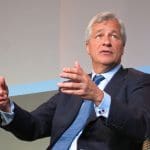



How did Akio Toyoda build this fortune?
The answer unfolds through the career, earnings, deals and assets behind the headline estimate.
Akio Toyoda before the fame
The background and early turning points that shaped Akio Toyoda’s route to prominence.
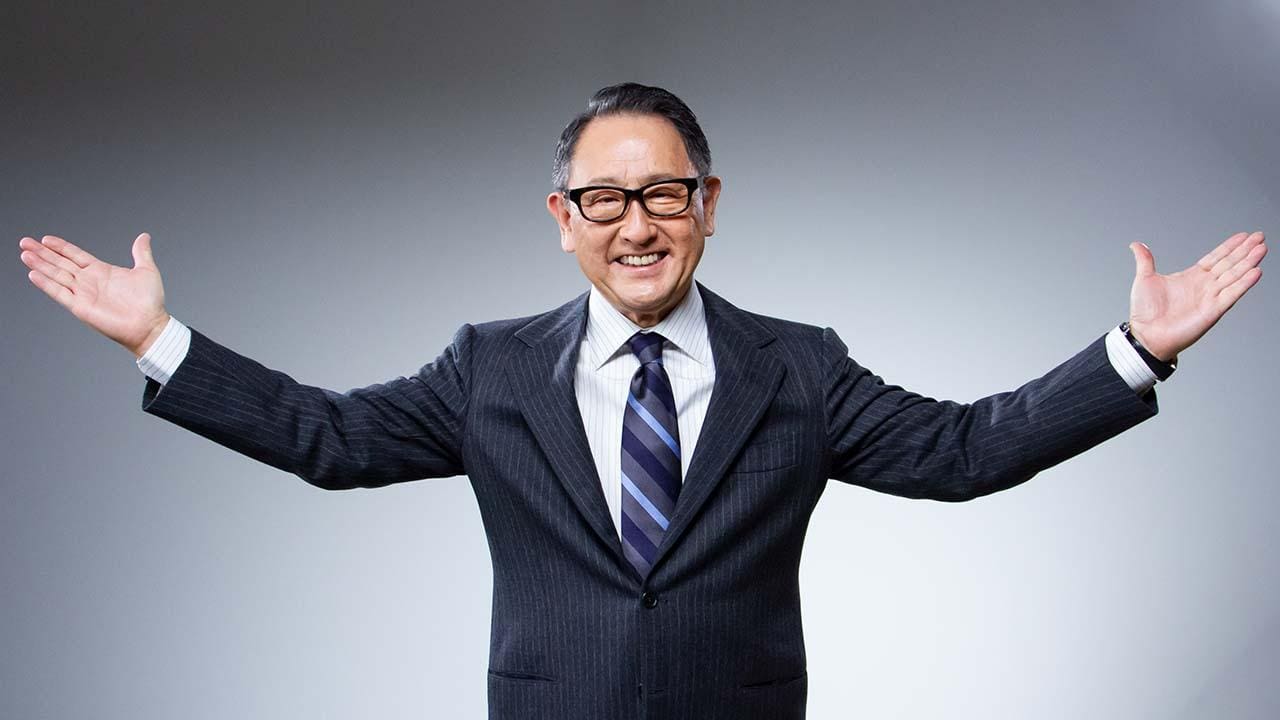
Akio Toyoda is chairman and former president of Toyota Motor Corporation and a great-grandson of group founder Sakichi Toyoda. His finances require separating three things often conflated: executive compensation, personally disclosed Toyota shares and the wider Toyoda family’s interests. HMW counts only compensation and ownership attributable to Akio, not a dynasty-wide fortune or a founder percentage of Toyota. Japanese securities reports provide yen-denominated pay and holdings, which are converted at dated exchange rates after tax and vesting adjustments.
Toyoda studied law at Keio University and earned an MBA at Babson College before joining Toyota in 1984. He worked in production, marketing and overseas operations, including the NUMMI joint venture in California. Toyota’s official biography documents his internal career. HMW models salary from employment and later directorships, while any shares inherited or acquired are limited to disclosed holdings. His family name alone is not used as an asset. Those two decades before his board appointment are therefore modeled as salaried corporate service, not as a retroactive claim on Toyota’s growth.
Akio Toyoda’s breakthrough years
The career decisions and defining moments that turned recognition into sustained earning power.
Toyoda joined the board in 2000, became executive vice president and was appointed president in 2009 as Toyota faced the global financial crisis. Toyota’s 2009 management announcement confirms his presidency. His compensation rose with responsibility, but Japanese executive pay remained below many U.S. peers for much of the period. HMW follows reported yen amounts rather than importing Silicon Valley CEO benchmarks.
The presidency also supplies a clean boundary for the high-compensation phase. Earlier directorship income is modeled from the relevant Japanese reporting periods, while later chairman pay is kept distinct from the operational-president years instead of projecting the latest package backward.

What Akio Toyoda’s work can earn
Reported pay, contracts, royalties and performance income reveal how the fortune was funded.
Toyoda led Toyota through recall hearings, the 2011 earthquake and supply disruption, expansion of hybrids, development of the GR performance brand and the transition to Koji Sato as president in 2023. Toyota’s January 2023 release documents Toyoda’s move to chairman. Corporate vehicle sales and profit affect compensation and share value but are not personal revenue.
Toyota’s annual securities report supplies exact compensation. Toyota’s fiscal 2025 filing reports ¥1.949 billion for Toyoda, comprising ¥395 million fixed pay, ¥601 million bonus and ¥953 million of share compensation. HMW treats the share component according to vesting and tax, not as both cash and stock. It uses earlier reports for historical pay and does not carry the record figure backward across his presidency.

Akio Toyoda’s business beyond the main career
Endorsements, ownership interests and investments can keep compounding long after the initial breakthrough.
Toyoda’s public appearances, racing and brand communications are corporate duties. There is no modeled book, speaking or advertising business. His compensation includes performance elements tied to Toyota results and share-based awards whose value changes with the market. HMW converts each year’s yen pay near the applicable historical exchange rate, preventing today’s currency from distorting decades of earnings. That treatment is consequential because a dollar translation performed only at the cut-off could materially misstate cash earned and taxed in Japan years earlier.
His material identifiable interest is Toyota stock. The company’s 2025 securities report lists director ownership and compensation details. HMW values only shares disclosed for Akio Toyoda and removes stock delivered as compensation if already included in the holding count. Stakes held by Toyota Industries, family companies or other relatives are not attributed to him.
Cash dividends on that verified share count are modeled year by year after Japanese withholding. They are not capitalized as a separate business, and the underlying shares remain counted only once at the August 2026 market price.

Akio Toyoda’s notable luxury item
A reported property or major asset offers a tangible glimpse of the wealth behind the public estimate.
Japanese disclosure does not provide Toyoda’s full property, cash, diversified investments, private debts or inheritance arrangements. Family cross-holdings can create an appearance of control without personal beneficial ownership. HMW includes a conservative diversified portfolio built from after-tax compensation and dividends on his disclosed shares. The model keeps reported director ownership separate from Toyota group cross-shareholdings, because economic influence through a family network is not the same as Akio Toyoda’s saleable beneficial interest. It assigns no personal value to Toyota museums, race facilities, prototypes or family-company assets absent ownership evidence.
Akio Toyoda’s estimated net worth
Public estimates vary because private contracts, investments, taxes and liabilities are not fully disclosed.
How this estimate is calculated
HMW totals Toyoda’s disclosed executive compensation across board, president and chairman years, converting each yen amount at contemporaneous average rates. Cash pay and bonuses receive Japanese income-tax allowances; share awards are recognized when delivered and reconciled to disclosed holdings. Dividends are counted only on personal shares and taxed, while retained holdings are marked to August 2026. Net cash savings receive modest investment growth and deductions for spending and philanthropy. The rounded result is tested against two independently built components—the cut-off value of his reported Toyota shares and accumulated after-tax pay—rather than against Toyota’s enterprise value. No Toyota corporate stake beyond his reported shares, no relative’s holdings, no Toyota Industries cross-holding and no corporate motorsport assets enter the calculation.
Toyoda races under the name Morizo and has used motorsport to shape product development and the Gazoo Racing brand. Toyota Gazoo Racing documents his Morizo competition role. HMW assigns no separate endorsement income because these activities serve Toyota’s business. Race cars, development vehicles and corporate hospitality are not presumed personally owned.
Toyota’s securities reports are strong for annual pay and director shares, while corporate releases establish chronology. The fiscal 2026 Toyota annual report updates compensation-plan context. Toyota’s investor-relations annual-report archive identifies the dated filings used for year-by-year comparisons. Unknowns include acquisition basis for older shares, personal tax, gifts, inheritance and liabilities. Yen/dollar movement materially affects the US-dollar reveal, so HMW uses historical conversion for income and a current rate for yen assets.
That split-currency method does not eliminate exchange-rate uncertainty, but it avoids pretending that salary earned during a stronger or weaker yen period was saved at today’s translation. The final figure is rounded to reflect that limitation.