
 How Much Are They Worth?
Celebrity fortunes, explained
How Much Are They Worth?
Celebrity fortunes, explained







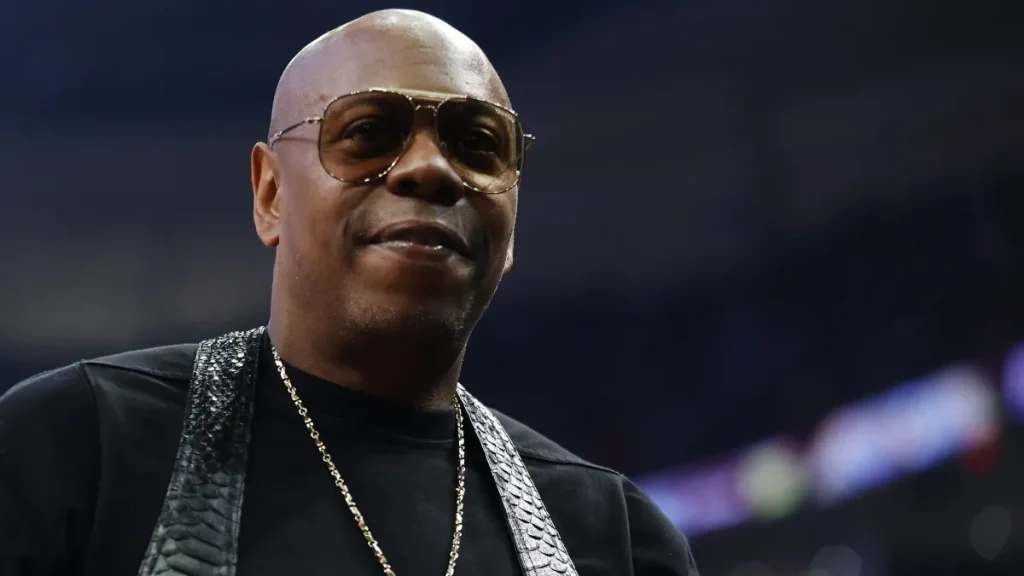
How did Dave Chappelle build this fortune?
The answer unfolds through the career, earnings, deals and assets behind the headline estimate.
Before the fame
The background and early turning points that shaped Dave Chappelle’s route to prominence.
Dave Chappelle is an American stand-up comedian, writer and producer born in Washington, D.C., in 1973. His finances cannot be understood from the famous contract he left behind or from Netflix headlines alone. They span early film and club work, Comedy Central production, later rights compensation, high-fee streaming specials, touring and a growing Yellow Springs, Ohio, property operation. This estimate counts realized or plausibly elapsed compensation, not publicity values, and treats gross ticket sales as revenue shared with venues, promoters and production crews.
Chappelle moved to New York after high school, developed through comedy clubs and gained national attention through television appearances and films including Robin Hood: Men in Tights and Half Baked. Those roles established a career but did not carry the economics of his later specials. Early club guarantees, supporting-film salaries and writing income are modeled conservatively. HMW does not retroactively apply his modern per-special fee to the 1990s, when he had less bargaining power and paid the normal costs of representation, travel and building a touring audience.
The breakthrough years
The career decisions and defining moments that turned recognition into sustained earning power.
Chappelle’s Show, launched on Comedy Central in 2003, was the decisive breakthrough. Chappelle co-created and starred in the sketch series, then left during production of its third season in 2005. The financial lesson is ownership, not merely popularity. In 2020 he said ViacomCBS could license the show without paying him under his original agreement; contemporaneous reporting on Netflix’s removal documents that complaint. HMW therefore does not assume decades of automatic syndication royalties.

What the work can earn
Reported pay, contracts, royalties and performance income reveal how the fortune was funded.
After years of selective appearances, Chappelle returned to sustained touring and premium specials. His 2016 Netflix package was widely reported at $60 million for three specials; TechCrunch reported both the contract and the later rights dispute. Subsequent releases included Sticks & Stones, The Closer and The Dreamer. Awards and sold-out residencies reinforced pricing power, but only reported fees and live economics are included. A $60 million contract is gross production compensation over multiple deliverables, not $60 million of after-tax cash on signing day.
Streaming-special compensation and live stand-up are the main modern sources. The reported three-special Netflix package supplies a hard gross anchor, while later specials suggest additional contracts whose exact terms remain private. Live ticket gross must cover venue rental or splits, promoter fees, staging, travel, security, staff and guest talent. HMW uses a performer-retention share rather than adding box-office dollars one-for-one. Film appearances, hosting and older catalog payments are secondary. Each revenue stream is reduced for agents, lawyers, managers and U.S. federal and state tax before it can become investable capital.

The business beyond the main career
Endorsements, ownership interests and investments can keep compounding long after the initial breakthrough.
The most unusual media asset is the renegotiated Chappelle’s Show position. After viewers honored his boycott request, the series returned to Netflix. NME reported Chappelle saying he received his name, license, show and “millions of dollars”. Forbes also documented the series’ return after the dispute. Because the settlement amount and future participation are undisclosed, HMW includes a restrained single-digit-million receipt and modest continuing rights value, not an invented syndication annuity.
Chappelle operates locally through Iron Table Holdings and has acquired property tied to community and entertainment projects. The Yellow Springs News verified his purchase of at least 19 acres from a proposed 52-acre development and connected the parcel to his company. In 2026, Associated Press reported Iron Table’s restoration of a historic schoolhouse for WYSO and Chappelle’s offices. These are identifiable investments, but without audited accounts or appraisals the model uses documented cost/context rather than a speculative development-company multiple.

Notable luxury item
A reported property or major asset offers a tangible glimpse of the wealth behind the public estimate.
Chappelle has long lived near Yellow Springs, where property costs are generally unlike Los Angeles or Manhattan trophy-home values. Public records and local reporting establish parcels, but debt, renovation cost, ownership percentages and current market values are incomplete. The model includes conservative real-estate equity, not lifestyle-site estimates. Private securities, retirement accounts, charitable gifts and family arrangements remain unknown. There is also no public schedule showing whether each Netflix fee included production budgets that Chappelle’s entity had to spend before profit.
Dave Chappelle’s estimated net worth
Public estimates vary because private contracts, investments, taxes and liabilities are not fully disclosed.
How this estimate is calculated
HMW starts with conservative early-career film and touring receipts, adds the reported $60 million Netflix package over its delivery period, later special fees at discounted comparable levels, and estimated artist shares from documented high-demand touring rather than total box office. It adds a restrained allowance for the Comedy Central settlement and continuing license rights plus identifiable Ohio property equity. Gross entertainment receipts are reduced roughly 40% for combined federal, state and local tax during peak years and 15% for agents, managers, lawyers, touring production and overhead, followed by substantial household and philanthropic spending. Moderate investment growth is applied only to plausible retained cash. No value is assigned to unproduced future specials or unapproved local developments.
Chappelle’s scarcity strategy—fewer interviews, event-like shows and limited residencies—supports premium ticket prices without a conventional always-on media business. His cultural reach is visible in Netflix renewals and the ability to bring major performers to Ohio during the pandemic. Coverage of his 2020 documentary reported that those events brought an estimated $9 million to the local economy; that community impact is not treated as his revenue. Audience attention creates negotiating leverage, but follower counts and economic impact studies are not personal assets.
The $60 million Netflix report is strong secondary evidence, not a disclosed contract. The rights settlement is confirmed only as “millions,” and touring finances are opaque because ticket gross is not artist net. The Pitchfork account of the 2021 resolution corroborates payment and restored licensing control without quantifying either. The Vanity Fair account of the original removal reinforces why old streaming availability cannot be assumed to have paid him. HMW does not average celebrity estimates.