 How Much Are They Worth?
Celebrity fortunes, explained
How Much Are They Worth?
Celebrity fortunes, explained








How did Aphromoo build this fortune?
The answer unfolds through the career, earnings, deals and assets behind the headline estimate.
Before the fame
The background and early turning points that shaped Aphromoo’s route to prominence.
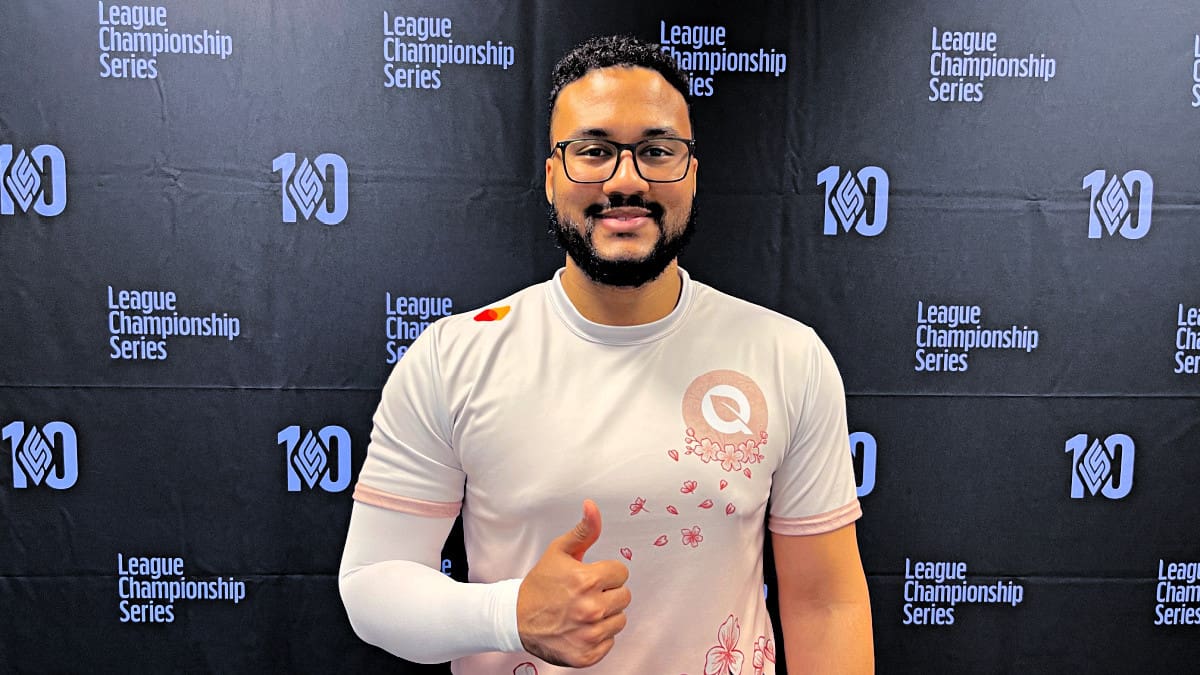
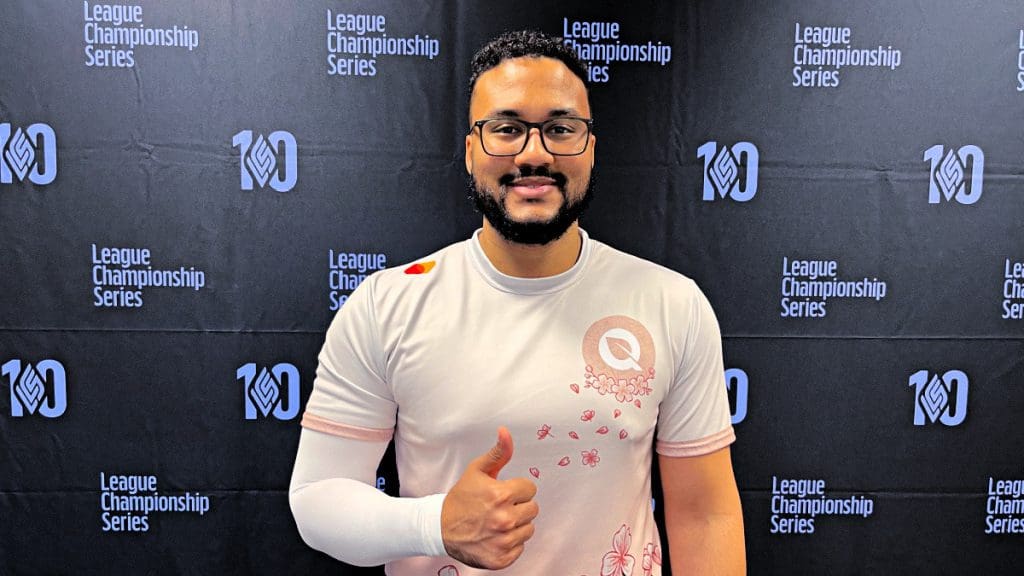
Aphromoo, born Zaqueri Black on September 8, 1992, in Whittier, California, is a retired American professional League of Legends player best known for his long run as a support player with Counter Logic Gaming. His Wikipedia biography lists a professional playing career running from 2011 to his retirement announcement in January 2023, one of the longest tenures of any player in North American League of Legends esports.
Black began competing under the “Aphromoo” handle in late 2011, originally as an attack-damage carry rather than the support role that would come to define his career. He cycled through a series of small, now largely forgotten North American rosters in his first year as a pro, well before League of Legends esports had the salaries or stability it would later develop.
Between 2011 and late 2012, Aphromoo played for a string of early competitive organizations, including Team OG Sout Rez, V8 eSports, Epik Gamer, TSM Evo, mTw North America, and Team FeaR, according to his Esports Earnings team history. None of these stints produced significant tournament earnings, reflecting how immature the North American competitive scene still was at the time.
He joined Counter Logic Gaming for the first time in December 2012, then moved briefly to Team Curse in October 2013. It was during this stretch that he switched permanently from AD carry to support, the position where he would build his entire professional reputation. He rejoined CLG in January 2014, beginning the tenure that would define his career.
The breakthrough years
The career decisions and defining moments that turned recognition into sustained earning power.
Aphromoo’s second and longest stint with Counter Logic Gaming ran from January 2014 to November 2017, and it was during these years that he became one of the most recognized supports in North American League of Legends, playing alongside star AD carries Yiliang “Doublelift” Peng and later Zachary “Stixxay” Cent. Per the Wikipedia entry for Counter Logic Gaming, the team swept longtime rival Team SoloMid in the 2015 Summer Split finals to win its first NA LCS championship, then beat TSM again 3-2 on April 17, 2016, to capture a second consecutive title.
Those two championships also carried CLG to the international stage. The team represented North America at the 2015 World Championship and reached the final of the 2016 Mid-Season Invitational, finishing runner-up. Aphromoo’s steady shot-calling and vision control across this stretch made him one of the most decorated support players North America produced in the league’s first half-decade.

What the work can earn
Reported pay, contracts, royalties and performance income reveal how the fortune was funded.
Aphromoo is a two-time NA LCS champion, having won the title with CLG in the 2015 Summer Split and the 2016 Spring Split. His run to the 2016 Mid-Season Invitational final added a second-place finish worth $20,000, and he later reached the 2018 World Championship with 100 Thieves, exiting in the 9th-12th place bracket for a $29,025 payout, according to Esports Earnings.
His individual peak came in the 2018 NA LCS Spring Split, when he won the Most Valuable Player award while playing for 100 Thieves and was named to the Spring Split 1st Team All-Pro. The Wikipedia record of the 2018 NA LCS season lists him as that split’s MVP, a rare honor for a support player in a league usually dominated by MVP votes for carries. He also went on to set the North American record for most regular-season LCS games played, with 597 appearances, a mark he held from August 2022 until it was surpassed by Søren “Bjergsen” Bjerg in 2023.
Across an eleven-year professional career, Aphromoo built a reputation as one of the steadiest and most respected veterans in North American League of Legends, valued as much for leadership and shot-calling as for mechanical skill. His Wikipedia profile credits him with helping stabilize rosters across four different organizations, Counter Logic Gaming, 100 Thieves, Dignitas, and FlyQuest, in the final years of his playing career, a role that speaks to how highly coaching staffs valued his experience even as he aged out of the league’s typical player lifespan.
He remains one of the more recognizable names to longtime North American LCS viewers, in large part because of his unusually long visibility at the top level of the scene compared to most support players, who tend to have shorter competitive careers.

The business beyond the main career
Endorsements, ownership interests and investments can keep compounding long after the initial breakthrough.
Detailed public records of personal, non-team endorsement deals for Aphromoo are limited. During his playing years, his income from sponsorships largely flowed through the organizations he played for, Counter Logic Gaming, 100 Thieves, Dignitas, and FlyQuest, all of which carried standard LCS-era team sponsorships rather than individually negotiated player endorsements.
The one specific personal sponsorship named in public coverage is a Mastercard partnership, cited by Famous People Today as part of his income mix; that source is a general biography and net-worth site rather than a primary sponsorship announcement, so the detail is included here as a secondary data point rather than a confirmed, itemized deal.
Since retiring from professional play in January 2023, Aphromoo’s primary ongoing venture has been full-time content creation. His Twitch channel, created in 2011 and holding Partner status, is his main platform today, according to TwitchTracker, which tracks his streaming activity, subscriber counts, and viewership. He has also maintained a YouTube channel built around League of Legends content.
Coverage from Famous People Today reports that his YouTube channel has accumulated more than 48 million views over its lifetime and that his Twitch channel has drawn more than 80 million views, figures the site uses to estimate his streaming-era income; those numbers are self-reported channel statistics rather than audited financial disclosures and are treated here only as a general indicator of his post-retirement content business.

Notable luxury item
A reported property or major asset offers a tangible glimpse of the wealth behind the public estimate.
There is no public record of Aphromoo purchasing real estate or other major assets. Famous People Today, one of the few outlets to profile his finances in any detail, explicitly notes that information about property ownership is not available, and no other outlet, League of Legends esports wiki, or interview reviewed for this profile documents a home purchase, vehicle collection, or other major asset acquisition.
That absence is consistent with his career profile: unlike NBA or NFL athletes on multi-hundred-million-dollar contracts, top North American LCS players in Aphromoo’s era earned salaries in the low hundreds of thousands annually, a level of income that supports comfortable living but rarely generates the kind of major, publicly documented real estate purchases seen in traditional professional sports.
Aphromoo’s estimated net worth
Public estimates vary because private contracts, investments, taxes and liabilities are not fully disclosed.
How this estimate is calculated
The most verifiable component of Aphromoo’s career earnings is competitive prize money. Esports Earnings documents $134,278.57 in total tournament winnings across 36 events between 2012 and 2022, the large majority of it, over 63 percent, earned during his years with Counter Logic Gaming, with most of the remainder from his 2018 World Championship run with 100 Thieves.
Prize money is only a small slice of a top LCS player’s income, however. Salary estimates from CollegeNetWorth, a secondary net-worth estimation source rather than a verified payroll record, place his annual salary during his CLG and 100 Thieves years in the roughly $250,000 to $300,000 range, consistent with publicly reported pay levels for established NA LCS starters in that era, and estimate supplemental streaming income in the $5,000 to $15,000 per month range during active streaming periods. Famous People Today, also used here only as a secondary reference point, separately cites an early self-reported figure of around $8,000 in his first month of Twitch streaming and estimates cumulative YouTube ad revenue near $150,000, alongside a Mastercard sponsorship. After factoring in the standard agent fees, escrow, and federal and state income tax obligations that apply to esports salaries and streaming income in the United States, and after weighting the secondary aggregator estimates well below the verified prize-money figure, these combined income streams support a net worth estimate in the low millions rather than a larger figure.
Weighing his verified tournament earnings, several years of NA LCS salary at established-starter pay levels across four organizations, supplemental Twitch and YouTube income since his January 2023 retirement, and the secondary net worth estimates published by outlets that track esports personalities, Aphromoo’s estimated net worth falls in the following range.
Aphromoo has not built a publicized charitable foundation or a signature philanthropic cause, and no major reviewed source, including his Wikipedia page, documents large-scale charitable giving on his part. His public image instead centers on his standing as a respected elder statesman of North American League of Legends, a player whose longevity and steady on-stage presence earned him goodwill from fans and organizations across more than a decade of competition.
Within the League of Legends community, he is generally described as a mentor figure to younger teammates during his later years with 100 Thieves, Dignitas, and FlyQuest, a reputation built more through in-game leadership and veteran conduct than through off-field charitable work.
Aphromoo has not been connected to any significant public controversies, disciplinary actions, or legal disputes over the course of his career. His Wikipedia biography and the broader esports record focus almost entirely on his competitive results, team changes, and individual awards rather than off-field incidents.
The closest thing to public scrutiny he faced came late in his playing career, when age and role changes across four organizations in his final years prompted some fan and analyst debate over whether he could still start at the highest level of NA LCS play. That debate was purely competitive performance criticism and never developed into a reputational controversy.