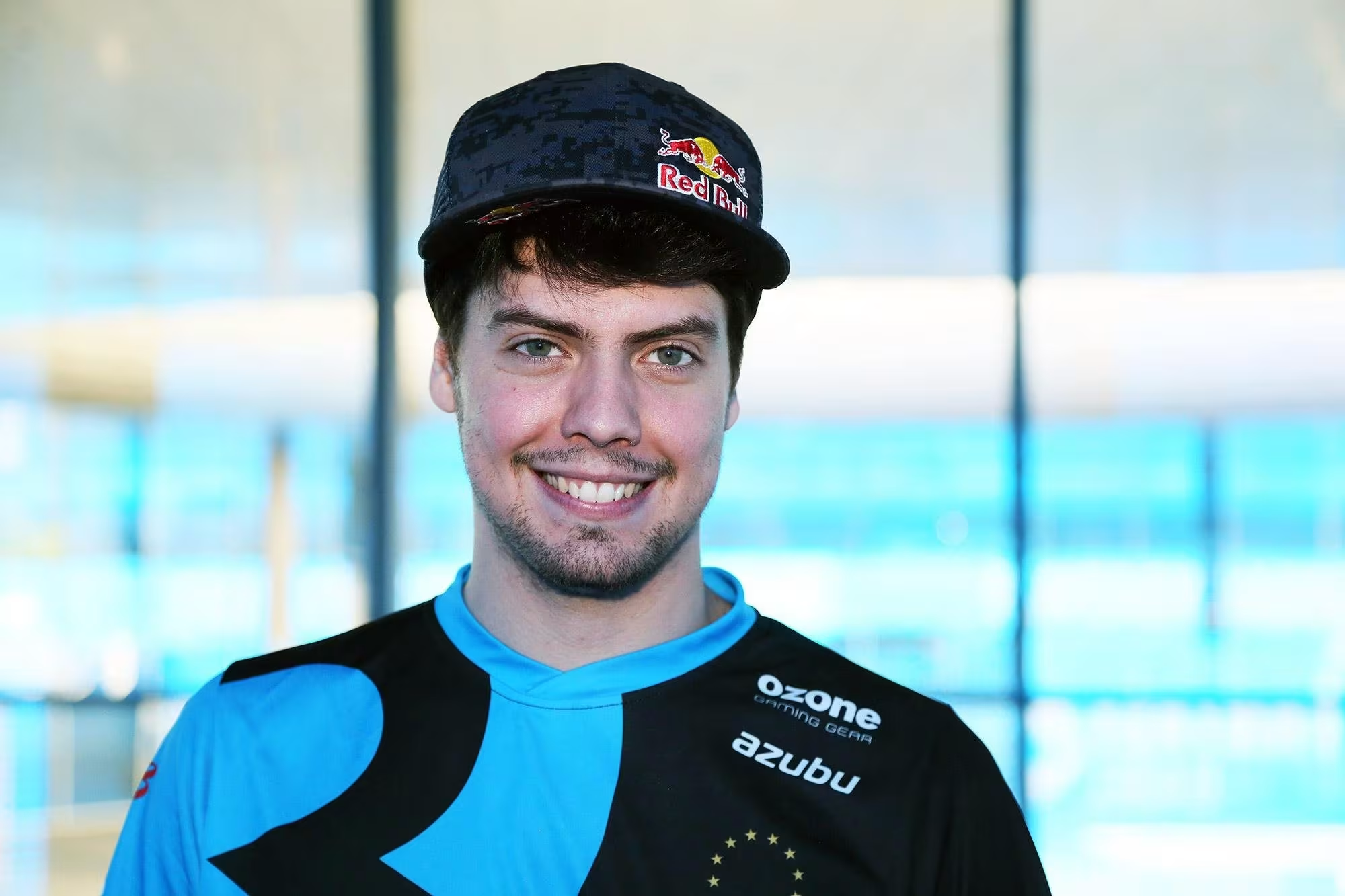
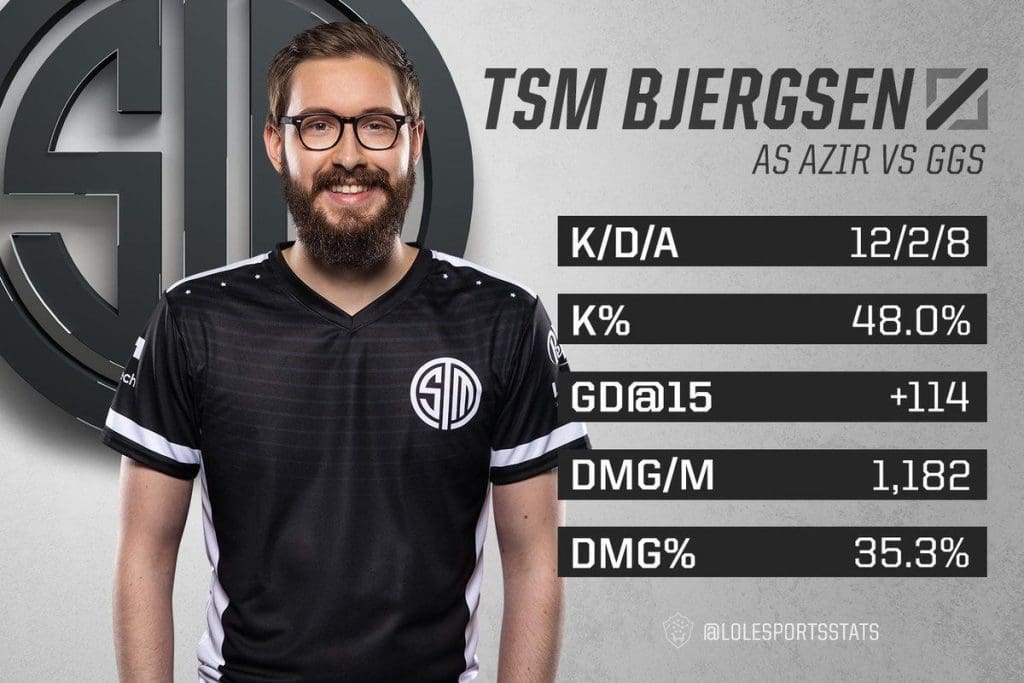
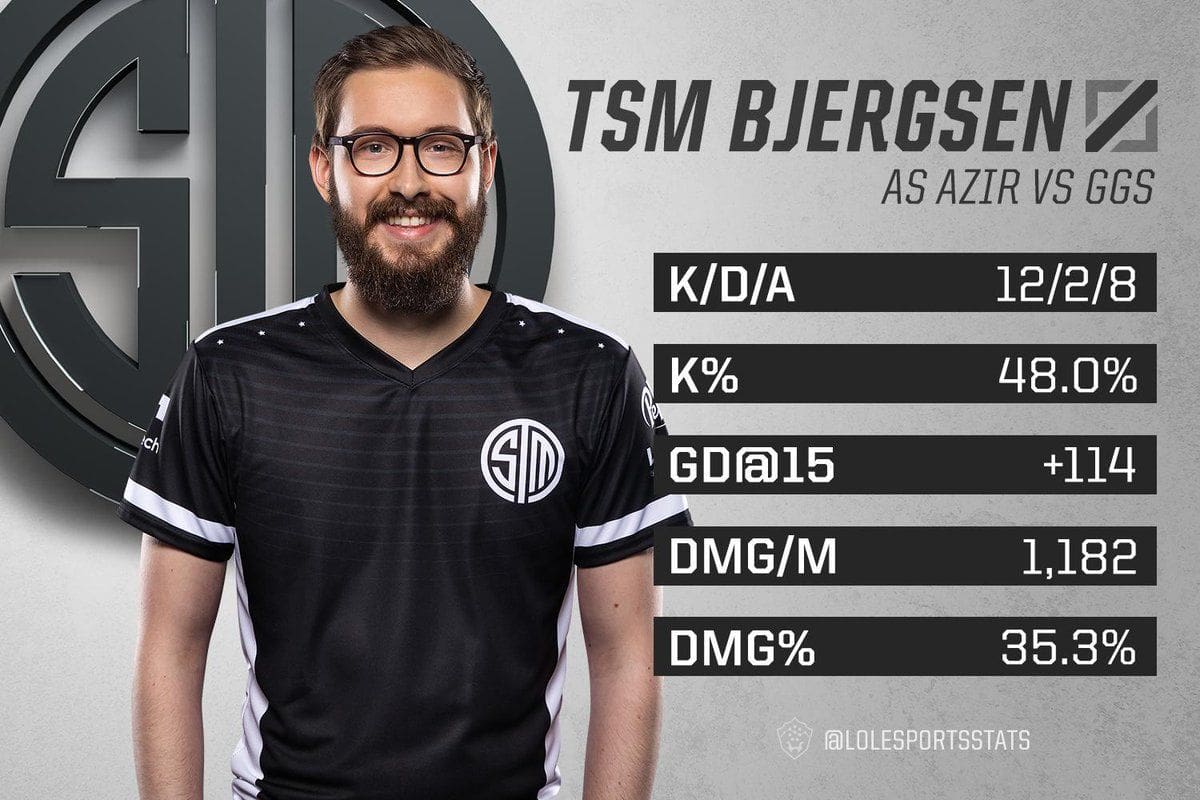
How did Bjergsen (Søren Bjerg) build this fortune?
The answer unfolds through the career, earnings, deals and assets behind the headline estimate.
Before the fame
The background and early turning points that shaped Bjergsen (Søren Bjerg)’s route to prominence.
Søren “Bjergsen” Bjerg was born in Denmark in 1996 and became one of the defining mid-lane players in North American League of Legends. His public career is unusually well documented because it spans European competition, nearly seven years as the competitive centre of TSM, a season as a coach, and later playing spells with Team Liquid and 100 Thieves. The Bjergsen career chronology identifies his early European teams and subsequent North American career. His finances are much less transparent: tournament databases record prize allocations, but contracts, taxes, agent fees and investment holdings remain private.
Bjerg began competing in Europe while still a teenager, appearing for teams including Copenhagen Wolves and Ninjas in Pyjamas. His mechanical precision and broad champion pool quickly distinguished him from other young mid laners. Moving to TSM for the 2014 season transformed both his career and the competitive identity of the organisation. The move also required him to adapt to a new country, a new league and greater public attention. A contemporary account of his rise from prodigy to champion describes how quickly he became central to TSM’s success.
The breakthrough years
The career decisions and defining moments that turned recognition into sustained earning power.
His breakthrough was not a single viral match but sustained domestic dominance. TSM won multiple North American titles with Bjergsen in mid lane, and he accumulated regular-season most-valuable-player honours. He was both a carry and, as rosters changed, an adaptable facilitator. Team Liquid’s detailed profile of Bjergsen’s evolution notes that TSM won five titles during his first four LCS years and explains how his style shifted from explosive assassins toward a wider strategic role. That longevity made him commercially valuable beyond any isolated tournament result.
What the work can earn
Reported pay, contracts, royalties and performance income reveal how the fortune was funded.
Bjergsen’s résumé includes repeated LCS championships, several league MVP awards, international appearances and a rare transition from star player to head coach. His 2020 coaching move followed a long first playing tenure with TSM. He then returned to competition, winning the 2022 Lock-In tournament with Team Liquid and receiving finals MVP recognition. Team Liquid’s discussion of North America’s greatest players records Riot broadcast commentary calling him the greatest LCS player of all time. That is an evaluative accolade rather than a financial valuation, but it helps explain his enduring audience.
Recognition came from fans, teammates, analysts and league media. Bjergsen became closely associated with TSM’s brand and was often treated as the organisation’s competitive constant while teammates rotated around him. His reserved presentation also contrasted with the louder persona-driven style common in esports. When he returned to playing, interest centred on whether his disciplined approach could succeed after coaching. Team Liquid’s 2022 roster feature reflects the anticipation surrounding a veteran-led superteam. Public stature can support streaming, sponsorship and contract value, although it does not disclose what he personally retained.
The business beyond the main career
Endorsements, ownership interests and investments can keep compounding long after the initial breakthrough.
Much of Bjergsen’s sponsor visibility occurred through teams rather than personal endorsement contracts. Jerseys, broadcasts and branded team content placed him alongside commercial partners, but those partnerships normally belong to the organisation. His individual streaming audience and reputation would also have supported platform income and personal campaigns, yet public reporting rarely states payment terms. Team Liquid’s review of his departure confirms the end of that roster chapter without revealing compensation. Accordingly, team sponsorship revenue is not counted as his personal property.
Bjergsen’s best-known business relationship was with TSM. In 2019, reporting stated that he renewed his contract and received an ownership interest in the organisation. An equity award is not the same as cash, and its value depends on the exact instrument, vesting terms, dilution and any later sale or repurchase. The Washington Post’s report on his TSM renewal and ownership is the strongest public basis for treating equity as part of his wealth history. It would be improper to assign him the value of TSM itself or assume the stake remains unchanged.
Notable luxury item
A reported property or major asset offers a tangible glimpse of the wealth behind the public estimate.
No reliable public registry-based reporting establishes a portfolio of homes, cars or other luxury assets owned by Bjergsen. Social-media settings, team accommodation and items used in sponsored content do not prove ownership. The most potentially important identifiable asset is the reported TSM equity interest, but its present status and liquidity are not public. Tournament prizes are another traceable input, although databases generally show gross awards before division, taxes and expenses. The Esports Earnings tournament record for Bjergsen is therefore evidence of competitive results, not a bank balance.
Bjergsen (Søren Bjerg)’s estimated net worth
Public estimates vary because private contracts, investments, taxes and liabilities are not fully disclosed.
How this estimate is calculated
The estimate weighs documented tournament prizes, the probable earnings power of a long elite-level LCS career, coaching work, streaming and the historically reported TSM equity. It discounts gross prize totals for taxes and professional costs and does not treat team sponsorships or an organisation’s valuation as personal assets. His April 2023 announcement marked a second retirement; coverage of Bjergsen’s final retirement announcement confirms that active-player salary should not simply be projected indefinitely. With no audited disclosure, the result is necessarily a reasoned range.
Bjergsen’s estimated net worth is $4 million to $7 million. This range reflects his exceptional career length, tournament record, likely high-tier salaries, content income and reported historic TSM ownership, while allowing for taxes, living costs and uncertainty over the equity’s present status. It is not a claim that tournament winnings equal wealth, nor that he owns any portion of current team or sponsor valuations.
Bjergsen built a public image around professionalism, practice discipline and calm leadership. He spoke openly about maturing from a self-focused teenage carry into a more adaptable teammate. That evolution is particularly visible in Team Liquid’s long-form profile, which quotes him discussing communication, trust and the demands of returning to elite play. Public charity activity is not documented well enough to value or itemise here. Donations by a team, fundraising streams and a player’s personal giving must be kept separate unless records clearly attribute the contribution to him.
Bjergsen’s career attracted competitive criticism more often than personal scandal. Analysts debated TSM’s disappointing international results, his increasingly supportive champion choices and whether domestic success translated at Worlds. The heavily promoted 2022 Team Liquid roster also failed to meet expectations. Team Liquid later described that roster’s strategic disconnect in its review of the difficult 2022 season. These are legitimate performance questions, but they do not substantiate rumours about personal finances.
JavaScript is off, so all sections are displayed together.