 How Much Are They Worth?
Celebrity fortunes, explained
How Much Are They Worth?
Celebrity fortunes, explained








How did Dyrus (Marcus Hill) build this fortune?
The answer unfolds through the career, earnings, deals and assets behind the headline estimate.
Before the fame
The background and early turning points that shaped Dyrus (Marcus Hill)’s route to prominence.
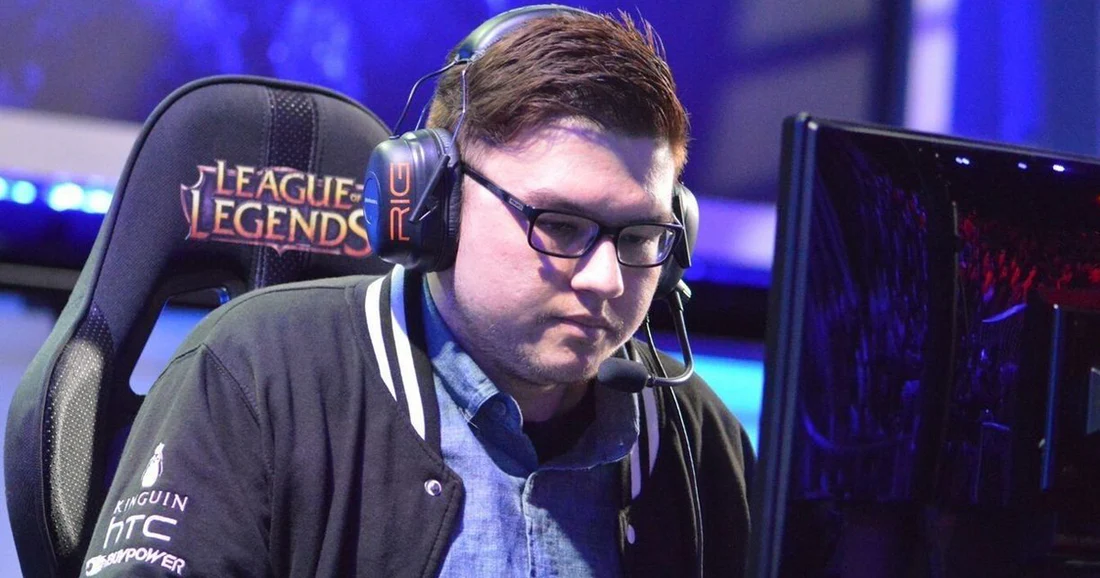
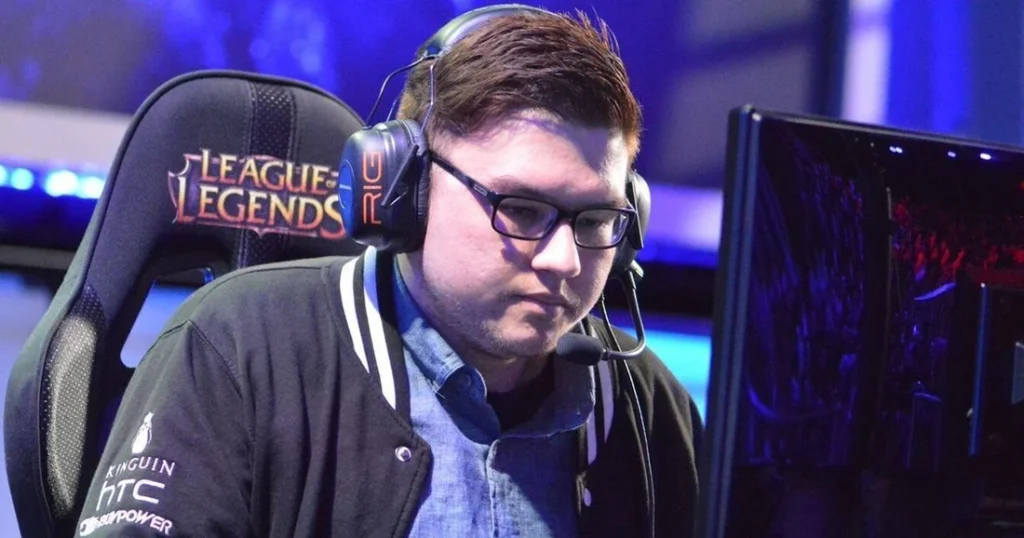
Marcus Hill, known as Dyrus, is an American streamer and retired professional League of Legends top laner born on 30 March 1992. Raised in Honolulu, Hawaii, he became one of the defining faces of Team SoloMid’s early competitive era. The Liquipedia Dyrus profile records his teams, role and major results, while the Dyrus biographical overview documents his Hawaiian background and transition from professional player to streamer.
Dyrus’s financial profile is built from a combination of tournament awards, team compensation and years of audience-supported content. None of those categories gives outsiders a complete personal balance sheet. Public tournament totals are gross allocations, not money retained after team arrangements, tax and living expenses.
Hill began playing League of Legends during beta and became particularly associated with Singed. His competitive path started with All or Nothing before he joined Epik Gamer as a top laner. Streaming helped him build recognition at a time when live gaming content was becoming a meaningful complement to tournament play.
He later lived in Team SoloMid’s gaming house while still representing Epik Gamer. When Christian “TheRainMan” Kahmann left TSM, Dyrus became the natural replacement. The move put him on one of North America’s most visible rosters and transformed an emerging career into a stable place at the centre of the new league system.
The breakthrough years
The career decisions and defining moments that turned recognition into sustained earning power.
Joining TSM in 2012 was the major breakthrough. Dyrus’s durable laning, team-first role and highly recognizable personality made him a fixture across several versions of the roster. He represented North America at international events and remained with TSM as the competitive structure shifted into the League Championship Series.
His longevity mattered commercially as much as competitively. Fans could follow the same player through regular splits, playoffs, international tournaments and daily streams. That continuity produced a personal audience that survived his retirement and became the foundation for subsequent content income.

What the work can earn
Reported pay, contracts, royalties and performance income reveal how the fortune was funded.
Dyrus won multiple North American league titles with TSM and was part of the team that won the Intel Extreme Masters world event in Katowice. He also appeared at every League of Legends World Championship held during his main professional career. ESPN’s review of TSM’s first nine league splits places him in the rosters that repeatedly reached domestic finals and describes the team’s 2015 results. Its 2016 North American offseason report separately records Dyrus among TSM’s retired departures.
His value was not based on being the highest-resource player in every match. TSM often asked him to absorb pressure while attention flowed elsewhere. That less glamorous role made team results and longevity more informative than highlight statistics alone.
Dyrus’s emotional retirement interview after TSM’s final match at the 2015 World Championship became one of North American esports’ best-known farewells. ESPN’s account of TSM’s transition after 2015 notes that he retired on stage following the team’s elimination. A separate ESPN feature on the rebuilt TSM roster described his departure as the end of an era.
Recognition persisted after retirement through streaming, reunion content and guest appearances. A FISTBUMP retrospective ahead of Riot Games ONE presented him to a newer audience as a North American legend and highlighted his unusually long early-career record.

The business beyond the main career
Endorsements, ownership interests and investments can keep compounding long after the initial breakthrough.
As a long-tenured TSM player, Dyrus appeared in team campaigns and sponsor-facing content. Such exposure likely contributed to compensation and later creator opportunities. Still, team sponsorship revenue belongs to the organization until distributed under contracts; it cannot simply be divided among visible players.
No authoritative public schedule of Dyrus’s personal endorsement fees was found. The estimate therefore includes only a conservative allowance for creator monetization and promotional work. It does not invent deals based on logos visible on jerseys or equipment supplied at events.
Dyrus’s known commercial activity centres on being a professional player and independent creator rather than founding a major disclosed company. Streaming and video channels can function as small media businesses, generating subscriptions, advertising and viewer support. Public data does not disclose his platform contracts, management arrangement or annual profit.
He also briefly returned to organized competition with Delta Fox in 2017. That roster was a content-friendly collection of established personalities, but joining it did not imply ownership of Echo Fox or its assets. This estimate does not assign him equity in TSM, Delta Fox, Echo Fox, Twitch or Riot Games.

Notable luxury item
A reported property or major asset offers a tangible glimpse of the wealth behind the public estimate.
Dyrus has not published an audited list of real estate, investments, vehicles or luxury assets. Gaming houses he occupied during his professional years were team facilities, not proof of personal ownership. Likewise, computers, studios and equipment shown on a stream may be personally owned, sponsored or supplied by an organization.
Because reliable title or purchase information is absent, no named property is included. His estimated wealth is derived from career income capacity and reasonable retention, rather than celebrity-home speculation.
Dyrus (Marcus Hill)’s estimated net worth
Public estimates vary because private contracts, investments, taxes and liabilities are not fully disclosed.
How this estimate is calculated
The estimate starts with documented tournament allocations and then adds a cautious model for professional salary and creator revenue during and after TSM. It applies deductions for taxes, platform fees, management, production costs and normal personal spending. Tournament databases provide a useful floor for career success, but not retained wealth.
The method does not count TSM’s enterprise value, team sponsorships, gaming houses or Riot-owned league assets. It also avoids assuming that follower counts translate into a fixed annual income. The result is intentionally broad because his contracts, investment portfolio and current streaming profitability remain private.
Dyrus’s estimated net worth is $1 million to $3 million, with a midpoint of approximately $2 million. The range incorporates tracked tournament winnings of about $139,000 and the greater likely contribution from years of salary, streaming and creator work. It excludes all TSM and Echo Fox property and should be understood as a reasoned estimate rather than a disclosed figure.
Fans often remember Dyrus for an understated personality and the vulnerability of his retirement farewell. His willingness to continue engaging with the community after leaving full-time competition preserved considerable goodwill. That reputation helped make the transition from team player to independent streamer credible.
No well-documented personal foundation or continuing charitable programme was identified in the reviewed sources. This does not rule out private giving. It means that charitable activity cannot be quantified or used to infer assets without evidence.
Dyrus’s career attracted performance criticism typical of a player on a highly watched team, especially when opponents repeatedly targeted his lane. Such tactical scrutiny is not evidence of personal wrongdoing. His 2015 exit followed competitive burnout and the end of a roster cycle, not a publicly established financial scandal.
He returned for the Delta Fox challenger project in 2017. A Polygon report on the Delta Fox roster confirmed that Dyrus joined Imaqtpie, Scarra, Shiphtur and Voyboy. The short-lived comeback showed continued appeal, but it should not be treated as evidence of a large new playing contract.