 How Much Are They Worth?
Celebrity fortunes, explained
How Much Are They Worth?
Celebrity fortunes, explained




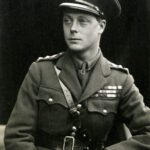

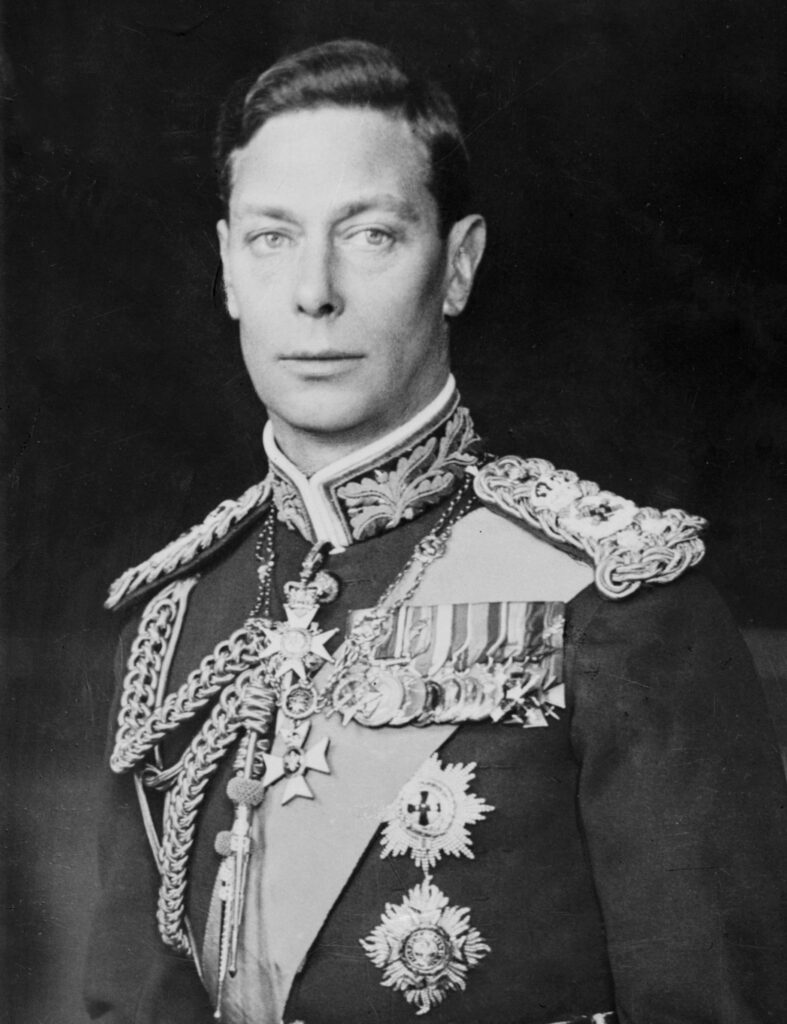
How did George VI build this fortune?
The answer unfolds through the career, earnings, deals and assets behind the headline estimate.
Before the fame
The background and early turning points that shaped George VI’s route to prominence.
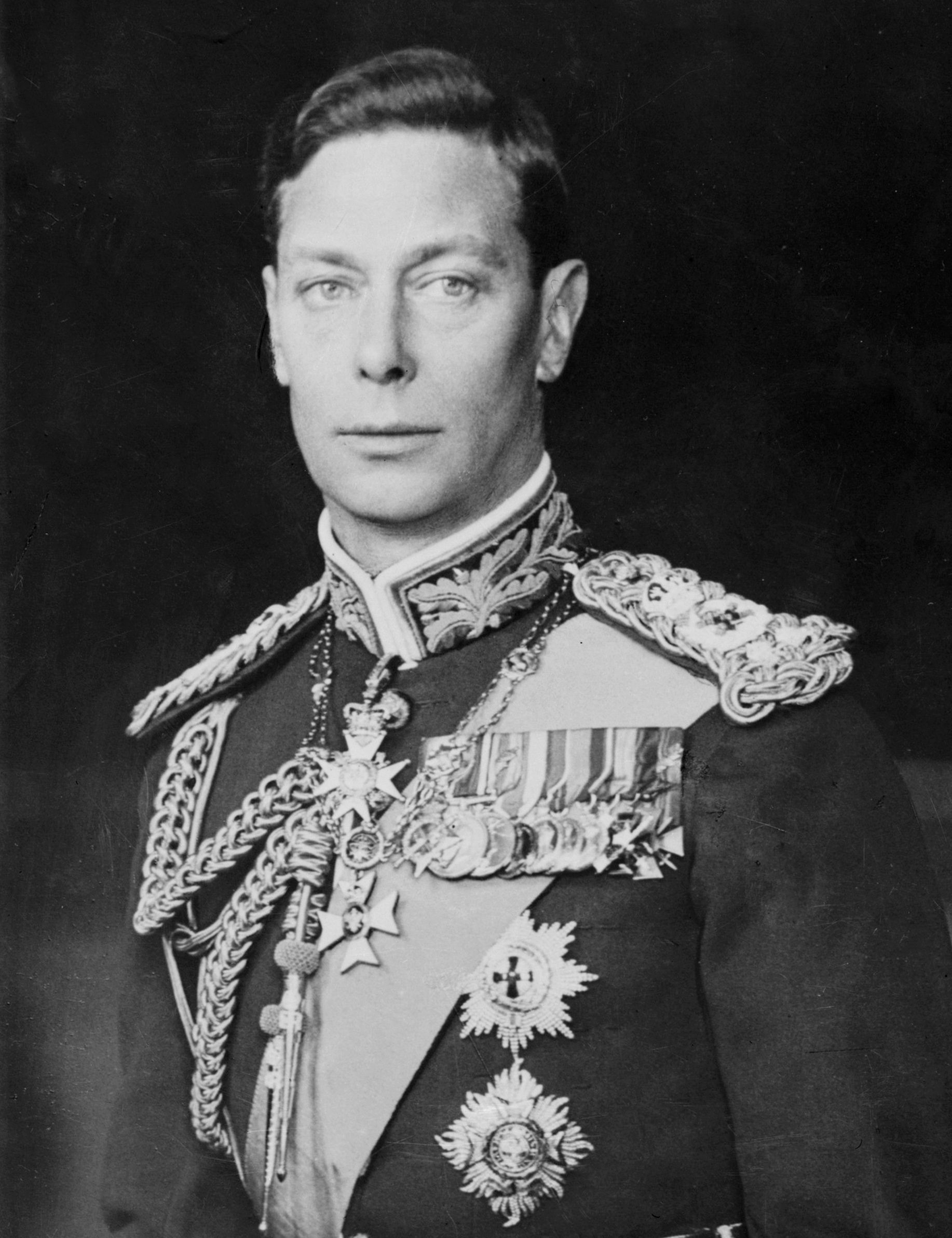
Prince Albert was the second son of George V and Queen Mary, and grew up in the shadow of his elder brother, the future Edward VIII. He had a severe stammer, for which he consulted the speech therapist Lionel Logue, a story later made famous by The King’s Speech.
He married Lady Elizabeth Bowes-Lyon in 1923, according to The Royal Family. Their elder daughter, Princess Elizabeth, was born in April 1926 at 17 Bruton Street in Mayfair, the London home of her mother’s parents.
Like his brother, Albert was trained for the Navy, served in the First World War and fought at the Battle of Jutland in 1916, according to The Royal Family. As Duke of York in the 1920s and early 1930s he took a lower-profile round of duties than the Prince of Wales, living a family life he could not have expected to exchange for the throne.
The breakthrough years
The career decisions and defining moments that turned recognition into sustained earning power.
Everything changed in December 1936. When Edward VIII signed the Instrument of Abdication on 10 December, the Duke of York was one of the three brothers who witnessed it, according to the The National Archives. He succeeded as George VI the following day.
He was crowned in May 1937, and within days Parliament was debating his Civil List; the Chancellor of the Exchequer, Neville Chamberlain, opened the debate on 24 May 1937 by referring to the celebrations of the Coronation that had just ended, as recorded in Hansard.
What the job paid him. A king’s craft is the Crown, and unusually for this site the pay is a matter of statute. The Civil List Act 1937 voted him £410,000 a year, of which £110,000 went to the Privy Purse – the only part that came near personal money, the rest being household salaries, expenses and alms. On top came the net revenues of the Duchy of Lancaster, which pass to the sovereign as sovereign and reached him untaxed. Our estimate is that he personally received on the order of £140,000 to £180,000 a year, or £2.1 million to £2.7 million across the reign at the prices of the day – roughly £110 million to £145 million today. Much of it went straight back out on the upkeep of Sandringham and Balmoral.
What the work can earn
Reported pay, contracts, royalties and performance income reveal how the fortune was funded.
George VI’s reign was dominated by the Second World War. He stayed mostly at Buckingham Palace, which was bombed nine times, visited the worst-hit parts of East London, and went to the troops in France in 1939, North Africa in 1943, the Normandy beaches in June 1944 and Italy later that year, according to The Royal Family.
In 1940 he instituted the George Cross and George Medal for civilian bravery, and in 1942 the George Cross went to the island of Malta. Before the war, his 1939 visit made him the first British monarch to enter the United States.
When India and Pakistan became independent in 1947, George VI ceased to be Emperor of India. In the same year he made a major tour of South Africa with the Queen and both princesses.
He died in his sleep at Sandringham on 6 February 1952, aged 56, and his elder daughter succeeded him as Elizabeth II, as recorded by The Royal Family.
The business beyond the main career
Endorsements, ownership interests and investments can keep compounding long after the initial breakthrough.
For a monarch this section covers patronages and royal warrants. George VI was the source of royal warrants and held the patronages attached to the Crown, which conferred prestige on the organisations concerned rather than income on the king.
His most lasting creation here was honorific rather than commercial: the George Cross and George Medal, instituted in 1940 for civilian bravery.
A monarch has no business ventures in the ordinary sense, but George VI held a substantial private income stream in the Duchy of Lancaster, the landed estate that passes with the Crown. A 1971 Commons debate noted that the duchy is inherited by the sovereign as sovereign, which is why it went to him rather than staying with the Duke of Windsor.
The same Hansard debate noted that the duchy’s income went to the Privy Purse and escaped income tax. The estate today yields a net surplus of some £27 million a year from around 45,000 acres; deflating that to 1940s prices, our estimate is that it was worth £30,000 to £70,000 a year to him, a sum of the same order as the statutory Privy Purse and entirely untaxed.
Notable luxury item
A reported property or major asset offers a tangible glimpse of the wealth behind the public estimate.
The official residences, Buckingham Palace and Windsor Castle among them, belong to the Crown rather than the monarch. Sandringham and Balmoral were different: private estates, Balmoral private royal property since 1852. George VI acquired them from his brother privately after the abdication, in a settlement long put at around £300,000 – roughly £20 million to £25 million in today’s money, and the only direct read anyone has on what the two estates were then thought to be worth.
Balmoral became the family’s favourite retreat. They were staying there on 1 September 1939 when news of the coming war arrived and the King returned to London; Sandringham was where he died in 1952, as recorded by Balmoral Castle.
George VI’s estimated net worth
Public estimates vary because private contracts, investments, taxes and liabilities are not fully disclosed.
How this estimate is calculated
The figure below measures what George VI owned, not what passed through his hands. Receipts are income: the £2.1 million to £2.7 million of Privy Purse and Duchy money set out earlier was largely spent as it arrived, on households, estates and a war. What survived him were four things, and they are valued here at what they would be worth today, because land and fine collections have long since parted company with consumer prices.
The assets, line by line. Sandringham, about 20,000 acres of Norfolk with a large house and shooting: £50 million to £70 million. Balmoral, about 50,000 acres of Aberdeenshire moor, forest and river, private royal property since Prince Albert bought it in 1852 (Balmoral Castle): £100 million to £150 million. Both came to him from his brother by private purchase rather than by Crown right, which is precisely why they count here and Buckingham Palace does not. Third, the Royal Philatelic Collection, which he inherited from his father and worked on seriously for fifteen years, and which is the sovereign’s private property: £70 million to £100 million. Fourth, investments, racehorses and personal effects: £10 million to £25 million, anchored on the £200,000 of government securities Hansard records him buying out of wartime economies, from which he surrendered £20,000 of interest and gave £100,000 towards Princess Elizabeth’s allowance in 1947.
Those four lines come to £230 million to £345 million, rounded below to £230 million to £350 million in today’s money, or roughly $300 million to $450 million. The assumption carrying the most weight is the land valuation: both estates are held as working, listed and heavily encumbered properties, and no comparable ever comes to market. Royal wills are sealed, so this is our estimate rather than a probate figure, and it excludes everything that belongs to the Crown or the Royal Collection rather than to the man.
Confidence: Indicative – our estimate of what he personally owned at his death in 1952, built from the two private estates, the Royal Philatelic Collection and his securities, valued at present-day prices rather than converted from wartime receipts.
George VI’s public image was built on duty. The official royal history calls him a conscientious and dedicated man who worked hard to adapt to a role he was suddenly thrown into.
He also made a notable financial gesture in 1947. To fund the new allowance for Princess Elizabeth on her marriage without adding to the public burden at a time of economic difficulty, he offered £100,000 from savings on the Civil List made during the war, according to Hansard.
The king attracted little personal controversy, but the cost of the monarchy did. During the 1937 Civil List debate some members argued for cutting back the royal residences and questioned the sums involved, as recorded in Hansard.
In 1947 critics in the Commons called his £100,000 contribution a way to get the new allowances accepted, while others thanked him for it. His relationship with his brother was strained by the Duke of Windsor’s misleading account of his own finances, according to the International Churchill Society.