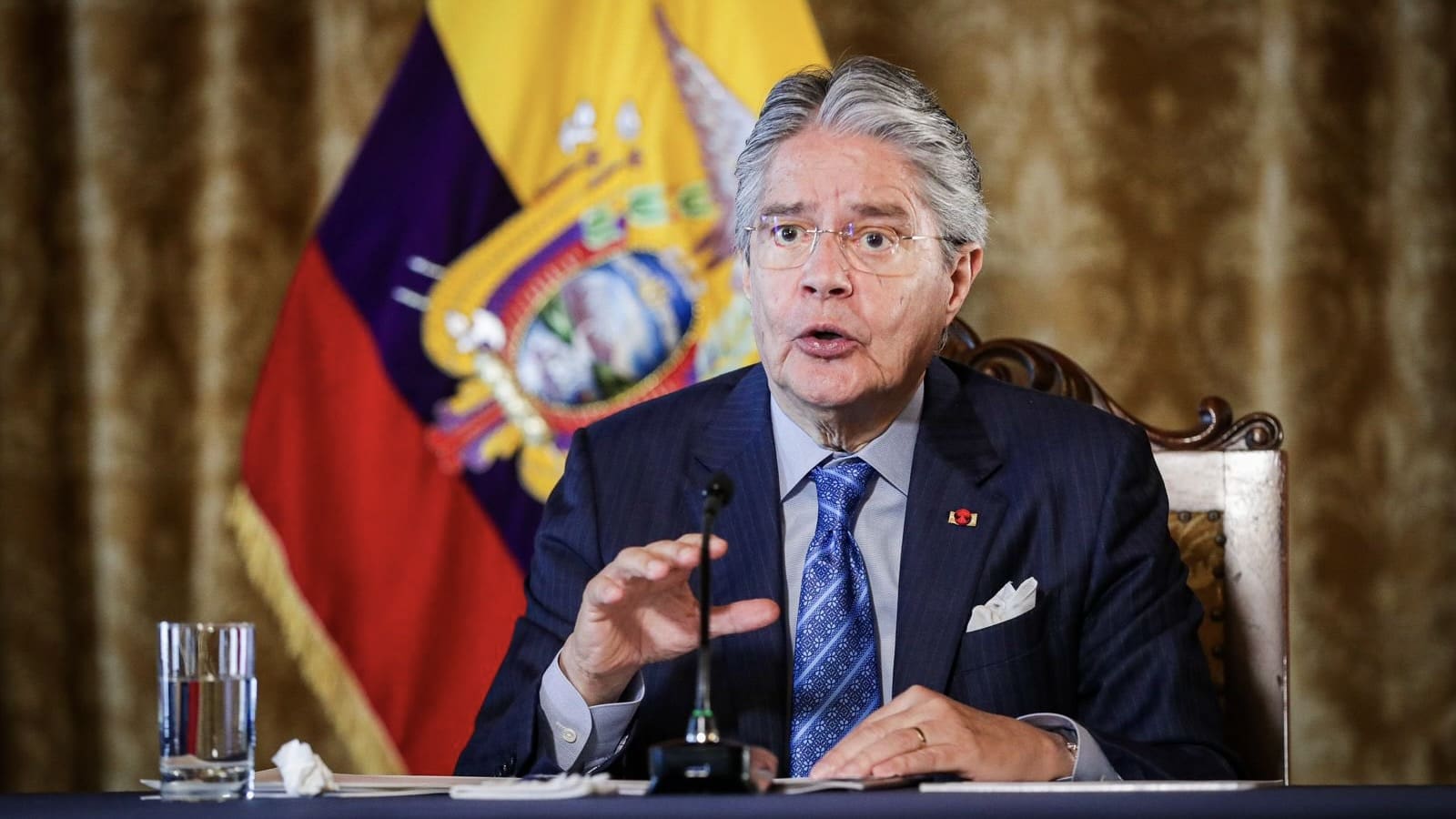
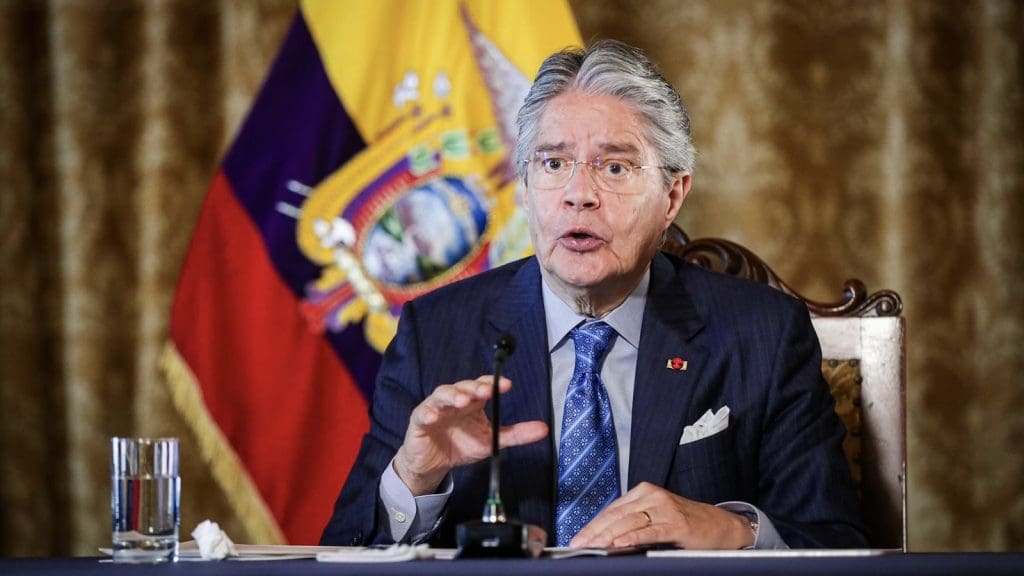
How did Guillermo Lasso build this fortune?
The answer unfolds through the career, earnings, deals and assets behind the headline estimate.
Before the fame
The background and early turning points that shaped Guillermo Lasso’s route to prominence.
Lasso was born in Guayaquil in 1955 into a large family. He began working as a teenager, briefly studied economics without completing the degree and moved through stock-exchange, collections and finance jobs. A biographical account of Guillermo Lasso’s career traces his early employment, marriage, business roles and public offices.
His later success supports the description of a self-made banker, but it does not mean every asset held by banks he led belongs to him personally.
Lasso worked at Cofiec and Finansa and founded a construction company with his brother. Through mergers in Ecuador’s financial sector, he rose into senior management at Banco Guayaquil. The Spanish-language career chronology details his progression through Finansur and the bank.
He also held board and restructuring roles in other companies. These posts generated salary, equity opportunities and business relationships that distinguish his financial profile from career politicians.
The breakthrough years
The career decisions and defining moments that turned recognition into sustained earning power.
His breakthrough came when he became executive president of Banco Guayaquil in 1994. He remained in top leadership for nearly two decades and became a major shareholder. Under his leadership, Banco del Barrio expanded access through neighborhood businesses; a history of Banco Guayaquil and Banco del Barrio records the program and its regional recognition.
Lasso later moved into public life as governor of Guayas, a short-serving economy minister and itinerant ambassador, before founding the CREO political movement.
What the work can earn
Reported pay, contracts, royalties and performance income reveal how the fortune was funded.
In business, his central achievement was helping build Banco Guayaquil into a major Ecuadorian institution and promoting branchless neighborhood banking. In politics, he persisted through presidential defeats in 2013 and 2017 before winning in 2021.
His government accelerated COVID-19 vaccination, pursued trade agreements and promoted investment. However, an opposition-controlled legislature, prison violence, insecurity and social protest restricted the program he could enact.
Lasso became nationally recognized first as a banker and later as the leading center-right opponent of Rafael Correa and his successors. His victory represented a shift toward market-oriented government, while his business background also intensified conflict-of-interest scrutiny.
Political recognition does not add an intangible “brand value” to his balance sheet. Only documented paid work, ownership and investments belong in a financial estimate.
The business beyond the main career
Endorsements, ownership interests and investments can keep compounding long after the initial breakthrough.
Commercial endorsements are not a material documented source of Lasso’s fortune. His profile as a banker may have supported speeches and institutional roles, but no reliable public schedule of private speaking fees is available.
Campaign endorsements and corporate support for public initiatives are political or institutional resources, not personal sponsorship payments.
The International Consortium of Investigative Journalists reported that Lasso used GLM Management Trust to hold assets including a major interest in the corporation controlling Banco Guayaquil. The ICIJ Pandora Papers profile of Lasso’s structures provides the clearest page-level summary.
A holding-company interest is not equivalent to owning the bank’s deposits, loan book or total corporate assets. The value attributable to Lasso depends on his actual percentage, restrictions, liabilities and current valuation.
Notable luxury item
A reported property or major asset offers a tangible glimpse of the wealth behind the public estimate.
Lasso’s principal economic interests have been described through shares, trusts and financial holdings rather than a transparent current list of individually valued properties. Offshore entities are legal structures whose existence does not by itself prove evasion or wrongdoing; ownership, tax residency and disclosure obligations determine their significance.
Banco Guayaquil branches, offices, customer deposits and corporate assets belong to the bank. Presidential residences, aircraft and security belonged to the Ecuadorian state. Neither category can be listed as his personal property.
Guillermo Lasso’s estimated net worth
Public estimates vary because private contracts, investments, taxes and liabilities are not fully disclosed.
How this estimate is calculated
The analysis gives greatest weight to Lasso’s documented corporate ownership and long banking career, then considers public salaries, investments and philanthropic transfers. It excludes Banco Guayaquil’s own balance sheet, customer money, assets held solely by relatives, campaign funds and Ecuadorian state property.
No current independent appraisal of his trust interests and complete liability schedule is publicly available. Applying an arbitrary multiple to a private holding would create false precision, especially after changes in ownership and governance.
Guillermo Lasso’s personal net worth is not reliably quantifiable from current public evidence. He is clearly a wealthy former banker with documented corporate interests, but the market value, ownership structure and liabilities needed for a defensible numerical total are not publicly consolidated.
Lasso founded or supported social initiatives including Fundación del Barrio and a pandemic fundraising effort. He also donated presidential salary to a disability and elder-care foundation. An El Universo report documenting the salary donation establishes a specific act of personal giving.
Foundation funds remain charitable property. They should not be counted as Lasso’s assets even when his reputation benefits from the association.
The Pandora Papers renewed scrutiny of offshore structures. Lasso said he complied with Ecuadorian law and had disposed of prohibited interests. Scrutiny later centered on alleged corruption involving state contracts and associates. He denied wrongdoing.
Facing impeachment, Lasso invoked the constitutional “muerte cruzada” mechanism, dissolving the legislature and triggering early elections. A Guardian report on the dissolution and impeachment allegations records both the accusations and his defence. A Washington Post report on the same constitutional step notes that a legislative oversight commission had said evidence did not show he knew about the disputed contracts. The chronology of the 2023 Ecuadorian political crisis documents the resulting election.

JavaScript is off, so all sections are displayed together.