 How Much Are They Worth?
Celebrity fortunes, explained
How Much Are They Worth?
Celebrity fortunes, explained
How did Macky Sall build this fortune?
The answer unfolds through the career, earnings, deals and assets behind the headline estimate.
Before the fame
The background and early turning points that shaped Macky Sall’s route to prominence.
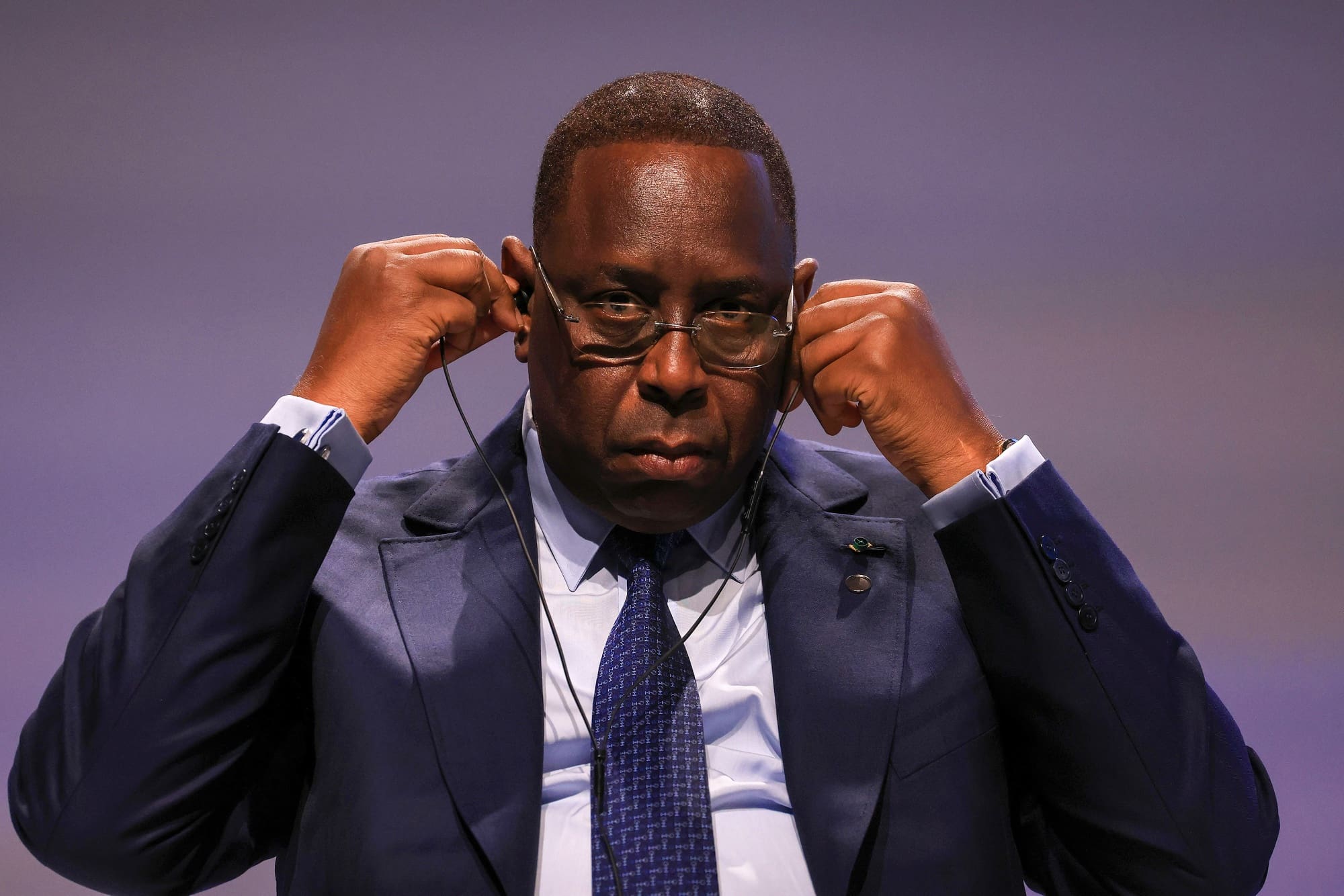
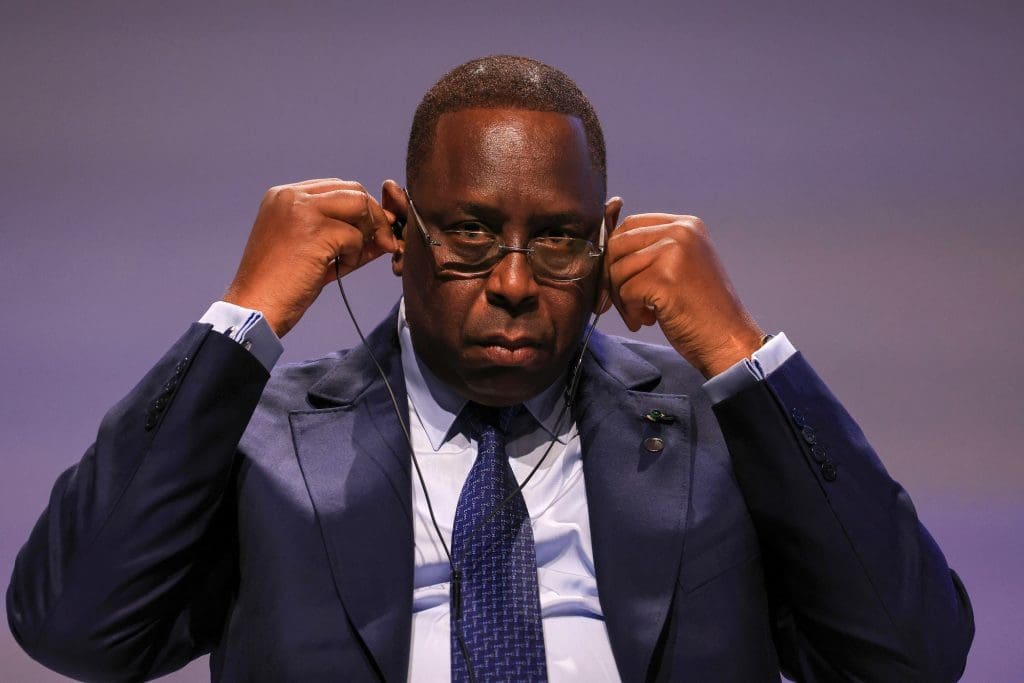
Macky Sall was born in Fatick, Senegal, in 1961 and trained as a geological engineer. His technical education and early work in the energy sector preceded a long political career that eventually placed him at the center of Senegalese public life. The Senegalese presidency’s official record identifies him as the country’s president from 2012 to 2024 and credits his administrations with reforms in agriculture, energy, and infrastructure. Sall’s biography is therefore primarily that of an engineer who became a career public official, not a private-sector founder whose wealth can be valued through a listed company or a transparent business sale.
After university study in Dakar and further specialist training in France, Sall entered Senegal’s public energy administration. He became associated with Abdoulaye Wade’s Senegalese Democratic Party and rose through a sequence of government responsibilities. These included positions connected with mines, energy, and water, followed by service as mayor of Fatick. The chronology of Sall’s public offices records his periods as prime minister, president of the National Assembly, and local mayor. This progression gave him administrative experience and national visibility, but it also means that much of his lifetime income came from public salaries and allowances rather than easily documented private equity.
The breakthrough years
The career decisions and defining moments that turned recognition into sustained earning power.
Sall’s first major breakthrough was his appointment as prime minister under President Wade in 2004. He later headed the National Assembly, but a rupture with Wade ended his place in the ruling party. Sall responded by creating the Alliance for the Republic and building an opposition coalition. In the 2012 presidential election he advanced to the runoff, gathered support from defeated opposition candidates, and decisively defeated Wade. The victory was politically significant because Wade had sought another term amid public controversy. Sall’s rise from dismissed insider to opposition winner established an independent political base and made him Senegal’s fourth president.

What the work can earn
Reported pay, contracts, royalties and performance income reveal how the fortune was funded.
During two terms, Sall’s governments pursued the Plan Sénégal Émergent, an economic-development framework built around infrastructure, investment, and public services. Projects associated with the period included the regional express train serving Dakar, road expansion, a new international airport, energy generation, and the development of the new urban center at Diamniadio. These are national assets financed and owned through the state and its partners; none should be counted as Sall’s personal property. His reelection in 2019 demonstrated continuing electoral strength, and he ultimately left office after completing the constitutionally defined period in 2024.
Sall became one of West Africa’s most visible heads of state. In 2022, other African leaders selected him to chair the African Union for a one-year term. The African Union’s announcement of his chairmanship describes an agenda that included food security, regional integration, peace, and economic resilience. The role expanded his international network and placed him in negotiations over the effects of the war in Ukraine on African grain and fertilizer supplies. Recognition of this kind increases diplomatic influence, but it does not establish personal ownership of AU resources or a private commercial brand.

The business beyond the main career
Endorsements, ownership interests and investments can keep compounding long after the initial breakthrough.
There is no credible evidence of Sall holding major consumer-brand endorsement contracts of the type associated with athletes or entertainers. His paid opportunities, if any, are more likely to arise from consulting, institutional appointments, speeches, or diplomatic work. Even then, an invitation or honorary role is not proof of compensation. In 2026 Senegal’s government backed his bid to lead the United Nations, according to Reuters reporting on the secretary-general candidacy. A campaign for international office should not be valued as sponsorship income, and UN resources would remain institutional rather than personal.
Sall’s wealth is difficult to estimate partly because the public record is dominated by political office rather than audited business interests. After leaving the presidency, reports indicated that he established a management-consulting company while living in Morocco. A newly formed advisory business may generate fees, but there are no public audited accounts, disclosed contracts, or dependable valuation that would justify assigning it a large enterprise value. Political party organizations and campaign structures are also legally and economically separate from Sall’s personal balance sheet. The Alliance for the Republic’s offices, donations, and campaign funds therefore cannot be treated as assets he personally owns.
Notable luxury item
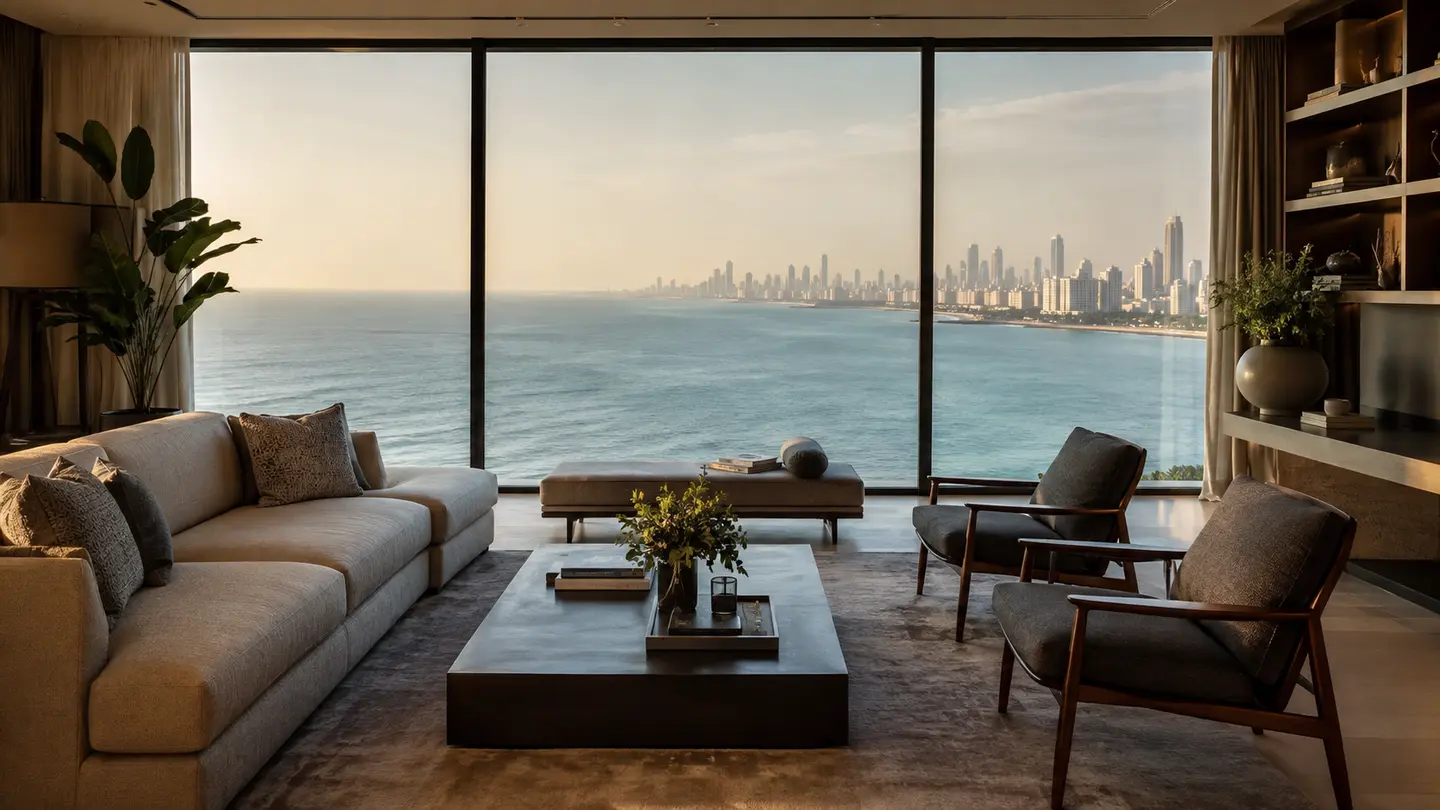
A reported property or major asset offers a tangible glimpse of the wealth behind the public estimate.
Public discussion of Sall’s assets has included homes, land, and past declarations, but accessible reporting does not provide a current audited register with title details, mortgages, joint ownership, and market valuations. Official presidential residences, state vehicles, security arrangements, and aircraft used during his tenure belonged to Senegal, not to Sall. The same applies to airports, railways, stadiums, public buildings, and other projects inaugurated by his government. Family property must also be separated from assets solely owned by Sall. Where ownership documentation is incomplete, this estimate uses conservative values rather than treating every property associated with his family or public role as personal wealth.
Macky Sall’s estimated net worth
Public estimates vary because private contracts, investments, taxes and liabilities are not fully disclosed.
How this estimate is calculated
The estimate begins with Sall’s known career income from engineering-related public service, ministerial office, the premiership, leadership of the National Assembly, local government, and twelve years as president. It then considers the broad asset picture reported in his declaration when he entered office, while recognizing that the declaration is old and that public summaries may omit debts, ownership structures, or later changes. A modest allowance is made for post-presidential consulting potential, but no speculative contract income is capitalized. State infrastructure, official residences, government vehicles, party property, charitable resources, and assets attributed only to relatives are excluded. The result is an informed range with substantial uncertainty, not a forensic audit.
Macky Sall’s estimated net worth is $2 million to $5 million. The lower end is broadly consistent with the scale of the asset declaration reported around his accession to office, while the upper end allows for later savings, property appreciation, and legitimate post-office professional activity. Because there is no current independently audited public statement of his assets and liabilities, this range should be treated as a cautious editorial estimate rather than a confirmed figure.
Sall presented his policies as focused on social inclusion, rural development, health, and access to electricity. His wife, Marième Faye Sall, was publicly associated with charitable initiatives, but a spouse’s foundation and its donated resources are not automatically the former president’s private assets. Public spending under the president’s authority was likewise taxpayer-funded policy rather than personal philanthropy. Sall’s image combined infrastructure-led modernization with a reputation for diplomatic engagement. That positive narrative weakened during his second term as clashes with opposition supporters, restrictions on political activity, and uncertainty around the succession drew wider criticism.
Sall’s final years in office were marked by intense conflict with opposition leader Ousmane Sonko and protests in which dozens of people died. A later Associated Press report on revision of the protest-era amnesty summarized calls for accountability and the political dispute over the law. The most acute constitutional crisis came when Sall postponed the February 2024 presidential election. Senegal’s Constitutional Council rejected the delay; Associated Press coverage of the court ruling explains that the council found the postponement unconstitutional, while Reuters reporting on the subsequent dialogue records Sall’s pledge not to remain beyond the end of his mandate. Post-presidency scrutiny also focused on state accounts. Le Monde’s account of the Court of Auditors findings described alleged irregularities in government finances. Those allegations concern public administration and should not be converted into claims that the disputed state funds were Sall’s personal property without evidence and due process.