 How Much Are They Worth?
Celebrity fortunes, explained
How Much Are They Worth?
Celebrity fortunes, explained


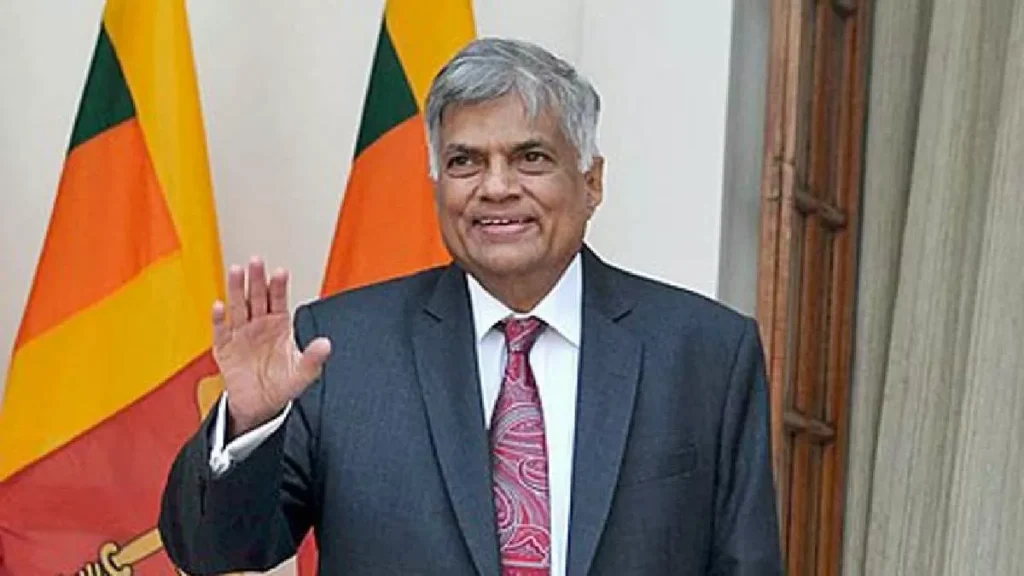
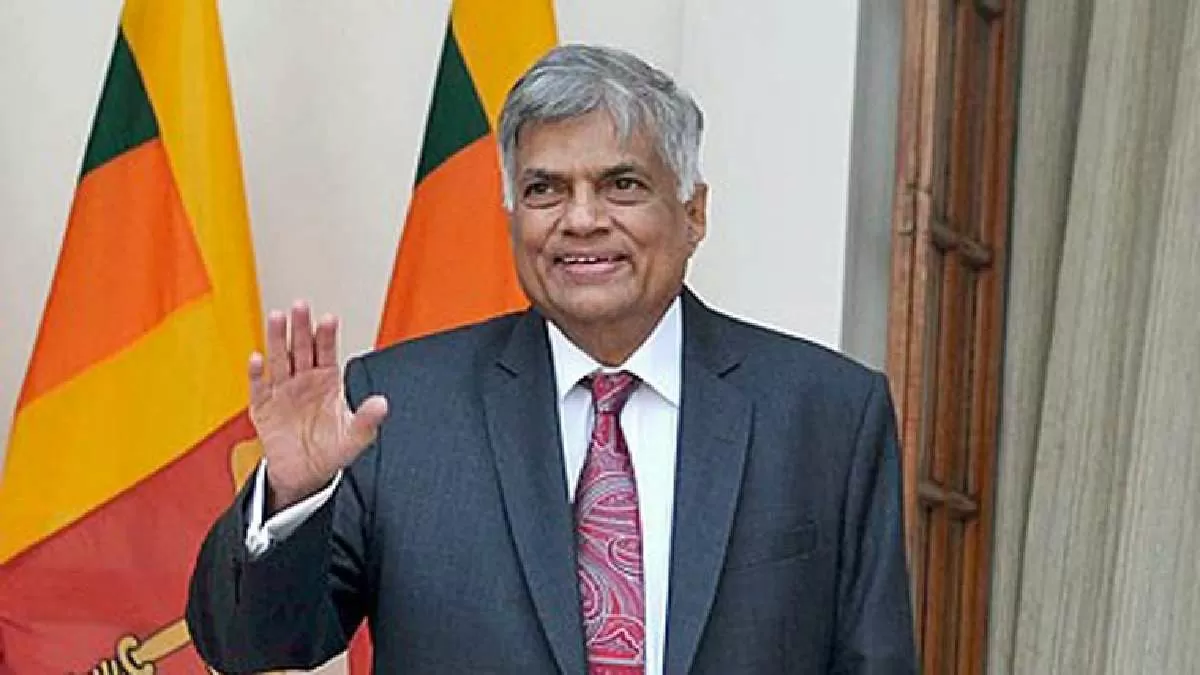
How did Ranil Wickremesinghe build this fortune?
The answer unfolds through the career, earnings, deals and assets behind the headline estimate.
Before the fame
The background and early turning points that shaped Ranil Wickremesinghe’s route to prominence.
Born in Colombo in 1949, Wickremesinghe came from a prominent family connected to law, publishing and the United National Party. He attended Royal College, studied at the University of Ceylon and qualified as an advocate through Ceylon Law College. The United National Party’s career profile of Ranil Wickremesinghe traces his parliamentary and ministerial service, though it should be read as a party account rather than an independent assessment.
His family background provided access to elite institutions, but assets associated with relatives or family-controlled organizations cannot automatically be attributed to him.
Wickremesinghe entered parliament in 1977 and quickly received junior and cabinet appointments. His portfolios included youth affairs, education, industry and parliamentary leadership. This early rise created a long stream of public-sector compensation and pension rights rather than a conventional private-business fortune.
He first became prime minister in 1993 after President Ranasinghe Premadasa was assassinated. He later led the UNP and returned to the premiership in several separate periods, making persistence and coalition management central to his reputation.
The breakthrough years
The career decisions and defining moments that turned recognition into sustained earning power.
His breakthrough as an independent national leader came through the premiership and UNP leadership in the 1990s. Wickremesinghe became associated with economic liberalization, private investment and negotiations aimed at ending the civil conflict. Election defeats repeatedly interrupted his path, but he remained the principal UNP figure for decades.
In 2018, President Maithripala Sirisena attempted to dismiss him and install Mahinda Rajapaksa. Courts rejected the dissolution of parliament, and Wickremesinghe returned as prime minister. The documented outcome of the 2018 Sri Lankan constitutional crisis is useful for chronology, although primary court materials remain the strongest legal authority.

What the work can earn
Reported pay, contracts, royalties and performance income reveal how the fortune was funded.
Wickremesinghe’s most consequential period began in 2022, when Gotabaya Rajapaksa appointed him prime minister amid shortages, default and mass protests. After Rajapaksa resigned, parliament elected Wickremesinghe president. His administration restored fuel availability, raised revenue, pursued debt restructuring and negotiated an International Monetary Fund program.
A Reuters account of Sri Lanka’s recovery and 2024 election notes lower inflation and rebuilt reserves alongside persistent poverty and public hardship. His achievement was stabilization, not a complete resolution of the social costs created by austerity.
Wickremesinghe became known internationally as a pragmatic, pro-market politician comfortable with multilateral lenders and foreign governments. At home, perceptions were more divided: supporters emphasized experience and economic rescue, while opponents saw a leader sustained by parliamentary maneuvering without a fresh popular mandate.
He sought a direct mandate in 2024 but finished third. An Associated Press report on Anura Kumara Dissanayake’s victory describes the result as voters rejecting the political old guard despite the stabilization achieved under Wickremesinghe.

The business beyond the main career
Endorsements, ownership interests and investments can keep compounding long after the initial breakthrough.
Commercial endorsement income is not a documented component of Wickremesinghe’s finances. Party endorsements in an election are political support, not paid brand sponsorship. Government travel and official hospitality are also public expenditures rather than personal revenue.
His plausible income sources are public salaries, parliamentary pension, legal-career savings and returns on declared property or financial assets. No reliable source establishes significant product, media or speaking sponsorships.
Wickremesinghe trained as a lawyer, but his public profile provides no evidence of a major personally owned operating company. His economic policies encouraged business and investment; that does not mean he personally owned the enterprises affected by those policies.
Political parties, campaign funds and institutions connected to his extended family are separate legal and economic interests. Without share registers or beneficial-ownership documentation, assigning their value to him would be speculative.
Notable luxury item
A reported property or major asset offers a tangible glimpse of the wealth behind the public estimate.
Unlike many political profiles, Wickremesinghe’s 2024 declaration offers specific clues. A Daily Mirror summary of his presidential-candidate declaration reported cash, gold, three properties, presidential salary and a parliamentary pension. A separate Daily FT comparison of candidate disclosures reported the same core holdings.
Those reports do not provide current independent valuations for each property or a complete debt schedule. Official residences, vehicles and security used during his presidency were state assets and are excluded.
Ranil Wickremesinghe’s estimated net worth
Public estimates vary because private contracts, investments, taxes and liabilities are not fully disclosed.
How this estimate is calculated
The assessment relies on his declared presidential salary, parliamentary pension, reported cash and gold, and three disclosed properties. It also recognizes decades of lawful public income and potential investment returns. It excludes official residences, government transport, party resources, extended-family assets and any property lacking evidence of his ownership.
Because the property reports provide no verified market appraisals and the disclosure is not a full current balance sheet, a precise conversion into a personal fortune would be misleading. Debts, co-ownership, taxes and liquidity are not sufficiently documented.
Ranil Wickremesinghe’s net worth is not reliably quantifiable from the public record. His declarations confirm property and modest disclosed financial assets, but the absence of market valuations and a complete liability schedule prevents a defensible numerical estimate.
Wickremesinghe’s public image centers on governance and economic policy rather than a large personal foundation. Welfare measures enacted by his administrations were taxpayer-funded programs, not private donations. Any party or institutional charity must be separated from his own giving.
His willingness to impose politically costly reforms strengthened his image among some creditors and business groups while damaging it among households facing taxes and higher administered prices. That tension explains why economic recovery did not produce electoral success.
Human-rights groups criticized the crackdown that followed his elevation to the presidency. Human Rights Watch’s report on the July 2022 protest-site raid urged his government to investigate alleged abuses and release arbitrarily detained protesters.
In 2025 he was arrested over alleged misuse of public funds connected to travel that included his wife’s university event. The Associated Press report on Wickremesinghe’s arrest records the allegation and his supporters’ protests; a Reuters report on his subsequent bail notes that his party called the case political and that the government denied that characterization. An allegation and arrest do not establish guilt.