 How Much Are They Worth?
Celebrity fortunes, explained
How Much Are They Worth?
Celebrity fortunes, explained





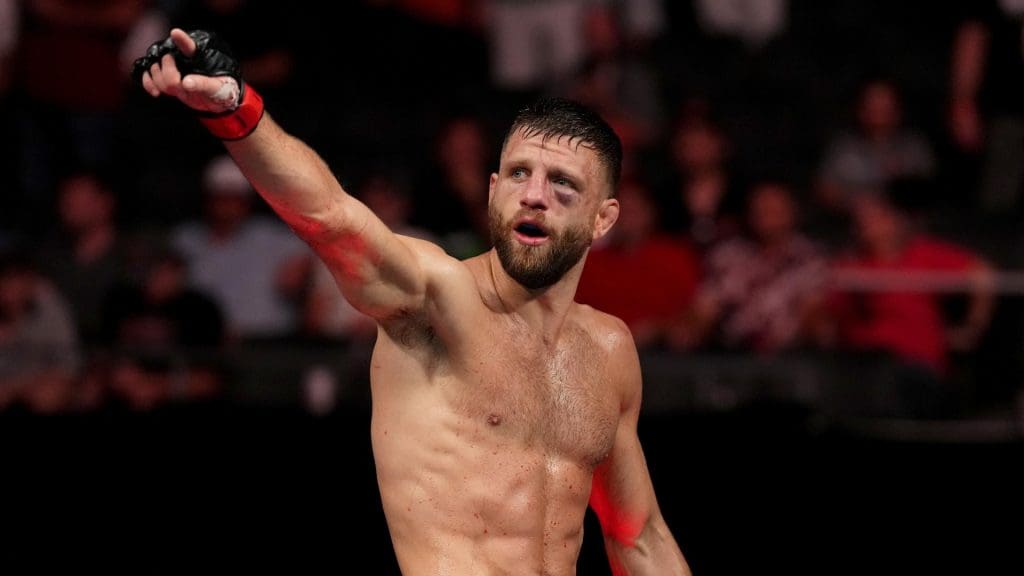
How did Calvin Kattar build this fortune?
The answer unfolds through the career, earnings, deals and assets behind the headline estimate.
Before the fame
The background and early turning points that shaped Calvin Kattar’s route to prominence.
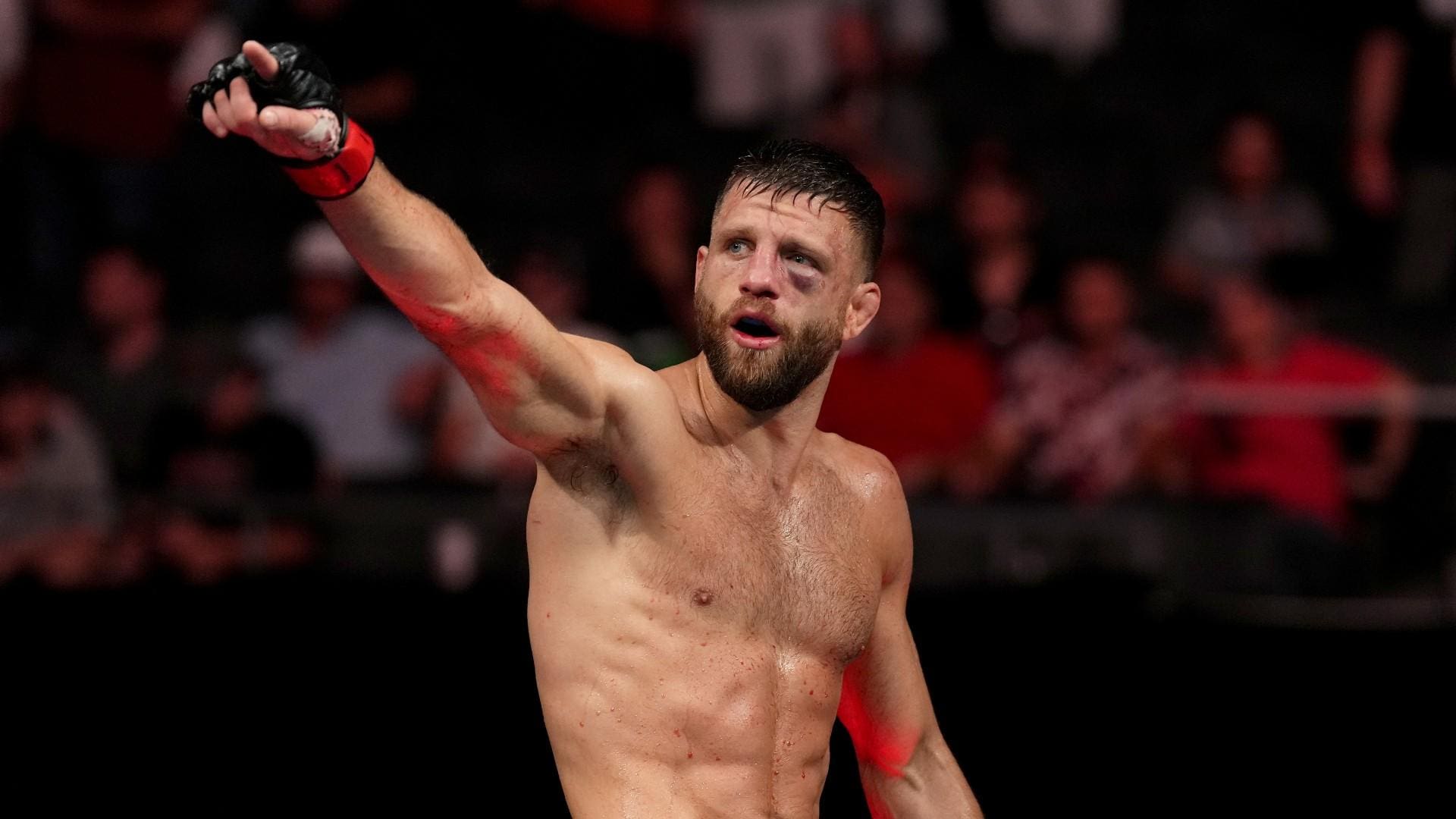
Kattar was born on March 26, 1988, in Methuen, Massachusetts, to James and Sandra Kattar; the family is of Lebanese descent and operates a golf course in the area (Wikipedia). He has two brothers, Jamison, a firefighter who also promotes MMA events, and Keegan, along with a sister, Kylee Reynolds (Current Affairs). Kattar wrestled at Methuen High School starting in ninth grade, reaching as high as eighth in Massachusetts at 160 pounds and placing fifth at the Division I MIAA state championships as a senior in 2006, before earning an associate degree at Middlesex Community College (Wikipedia). At age 19 he trained on the West Coast with Nick and Nate Diaz, an experience he has credited with shaping the work ethic that carried into his professional fighting career.
Kattar turned professional in 2007 and won eight consecutive fights on the New England regional circuit, including a stint with EliteXC, going more than seven years unbeaten before signing with the UFC (Wikipedia). He made his UFC debut on short notice at UFC 214 on July 29, 2017, taking a unanimous decision over Andre Fili for a reported purse of roughly $26,500 including his fight week incentive pay (Sportszion). He followed that with a TKO of Shane Burgos in January 2018 that earned a Fight of the Night bonus, then dropped a unanimous decision to Renato Moicano that April, an early back-and-forth stretch that established him as a durable, action-first featherweight rather than an immediate title threat.
The breakthrough years
The career decisions and defining moments that turned recognition into sustained earning power.
Kattar’s ranking climb accelerated through 2018 and 2020, punctuated by a highlight-reel knockout of Jeremy Stephens that Wikipedia’s own career retrospective lists among the ninth-best knockouts of 2020, and by a dominant main-event unanimous decision over Dan Ige at UFC on ESPN: Kattar vs. Ige, fought behind closed doors on July 16, 2020, at the du Forum on Yas Island in Abu Dhabi during the UFC’s pandemic-era Fight Island series (Wikipedia). The Ige win pushed him into the featherweight top five and set up the fight that would define his career six months later.

What the work can earn
Reported pay, contracts, royalties and performance income reveal how the fortune was funded.
On January 16, 2021, Kattar headlined UFC on ABC: Holloway vs. Kattar against former featherweight champion Max Holloway at Etihad Arena on Yas Island in Abu Dhabi. Holloway won a lopsided unanimous decision (50-43, 50-43, 50-42) while setting significant striking-volume records, yet Kattar never went down, absorbing five rounds of punishment and finishing the fight on his feet in a performance both fighters were awarded Fight of the Night bonuses for (Wikipedia). A year later, on January 15, 2022, Kattar headlined again at the UFC Apex, taking a unanimous decision over Giga Chikadze in what payout trackers list as his largest individual purse, an estimated $256,000 including a $50,000 bonus (Wikipedia). Split-decision and TKO losses to Josh Emmett in June 2022 and Arnold Allen that October followed, the Allen fight reportedly Kattar’s biggest single payday at a $350,000 guaranteed base, before a unanimous-decision loss to former bantamweight champion Aljamain Sterling at UFC 300 on April 13, 2024, an event that paid a then-record $300,000 in Fight of the Night bonuses across the card (Wikipedia). He has since gone the distance in losses to Youssef Zalal in February 2025 and Steve Garcia in July 2025.
Kattar has collected five UFC Fight of the Night bonuses in his career, for his fights with Shane Burgos, Zabit Magomedsharipov, Max Holloway, Giga Chikadze and Josh Emmett, a tally that reflects a style built on volume striking and full-distance wars rather than cautious point fighting (Wikipedia). Within MMA media and fan circles, the Holloway fight in particular has endured as a reference point for chin durability, cited repeatedly in years since as one of the more punishing losses any fighter has walked away from on their feet, and it cemented “The Boston Finisher” as a recognizable name among featherweight contenders well beyond his native New England.

The business beyond the main career
Endorsements, ownership interests and investments can keep compounding long after the initial breakthrough.
Payout and endorsement trackers list Kattar as carrying sponsorships from Venum, Reebok, Habrok, Natural Effex, MyBookie.ag, TNNS and Hyperice across his UFC run, with cumulative endorsement income estimated at roughly $500,000, though that figure comes from independent aggregators rather than any disclosed contract value (Sportszion). A separate tracker noted a $21,000 sponsorship bonus tied to a recent UFC Vegas appearance, consistent with the smaller, fight-by-fight endorsement income typical of a ranked contender rather than a pay-per-view headliner (Surprise Sports).
Kattar is the owner of the regional MMA promotion Combat Zone, a New England-based fight organization he purchased in June 2013 and has continued to run alongside his own UFC competing career (Wikipedia; Current Affairs). The arrangement gives him a promoter’s stake in the sport separate from his own fight purses, staging events and developing regional talent in the Massachusetts market where he still trains. No other formally documented business or ownership stake was found in the sourcing for this profile.

Notable luxury item
A reported property or major asset offers a tangible glimpse of the wealth behind the public estimate.
No specific home purchase, property value or other major asset has been publicly documented for Kattar in the sources reviewed for this profile. He is consistently described as based in his hometown of Methuen, Massachusetts, where his family has long operated a golf course and where he continues to train with the New England Cartel, Lauzon MMA and Hard Knocks Boston gyms (Wikipedia); beyond that hometown base, his property holdings are not itemized in any public record found for this profile.
Calvin Kattar’s estimated net worth
Public estimates vary because private contracts, investments, taxes and liabilities are not fully disclosed.
How this estimate is calculated
HMW’s estimate starts from Kattar’s disclosed and independently tracked UFC purses, which climbed from a roughly $26,500 debut fee against Andre Fili in 2017 to $115,000 for the Holloway fight, $256,000 for the Chikadze win, $161,000 for the Emmett loss, and a reported $350,000 guaranteed base for the Arnold Allen fight in 2022, with several more main and co-main card purses added for fights against Sterling, Zalal and Garcia through 2025 (EssentiallySports; Sportszion). On top of that base, the model adds his five career Fight of the Night bonuses, typically $50,000 apiece, plus estimated endorsement income from Venum, Reebok and his smaller supplement and betting-site sponsors, along with any promoter’s income from his ownership of Combat Zone. It then deducts training-camp and coaching cuts common to New England-based fighters, management fees, and taxes that typically consume a third or more of a touring fighter’s gross purse earnings. The result lands within the range suggested by secondary estimates, which run from Sportskeeda’s roughly $1 million figure to Current Affairs’ $2 million estimate, both varying largely on how much of his gross career earnings versus take-home pay they are counting (Sportskeeda).
No formal charitable foundation or sustained public giving campaign bearing Kattar’s name was found documented in the sourcing for this profile. His public image is closely tied to his hometown roots, training out of Massachusetts gyms and staying involved in the regional fight scene through Combat Zone, and to a fighting style fans and commentators have repeatedly praised for its toughness and volume rather than for showmanship (Wikipedia). His brother Jamison’s dual career as a firefighter and regional MMA promoter has also featured in profile coverage of the family, reinforcing a blue-collar, hometown-first public identity.
No formal scandal, contract dispute or disciplinary action was found documented in the sourcing reviewed for this profile. Public scrutiny of Kattar in recent years has instead centered on durability and longevity: after the record-setting punishment he absorbed against Holloway in 2021, subsequent full-distance losses to Josh Emmett, Arnold Allen, Aljamain Sterling, Youssef Zalal and Steve Garcia through 2025 fueled recurring fan and analyst debate over accumulated damage and whether, at nearly two decades into his fighting career, retirement should be under consideration, even as others have continued to point to him as a measuring stick that younger featherweights are expected to pass (Wikipedia).