
 How Much Are They Worth?
Celebrity fortunes, explained
How Much Are They Worth?
Celebrity fortunes, explained




How did KL Rahul build this fortune?
The answer unfolds through the career, earnings, deals and assets behind the headline estimate.
KL Rahul before the fame
The background and early turning points that shaped KL Rahul’s route to prominence.
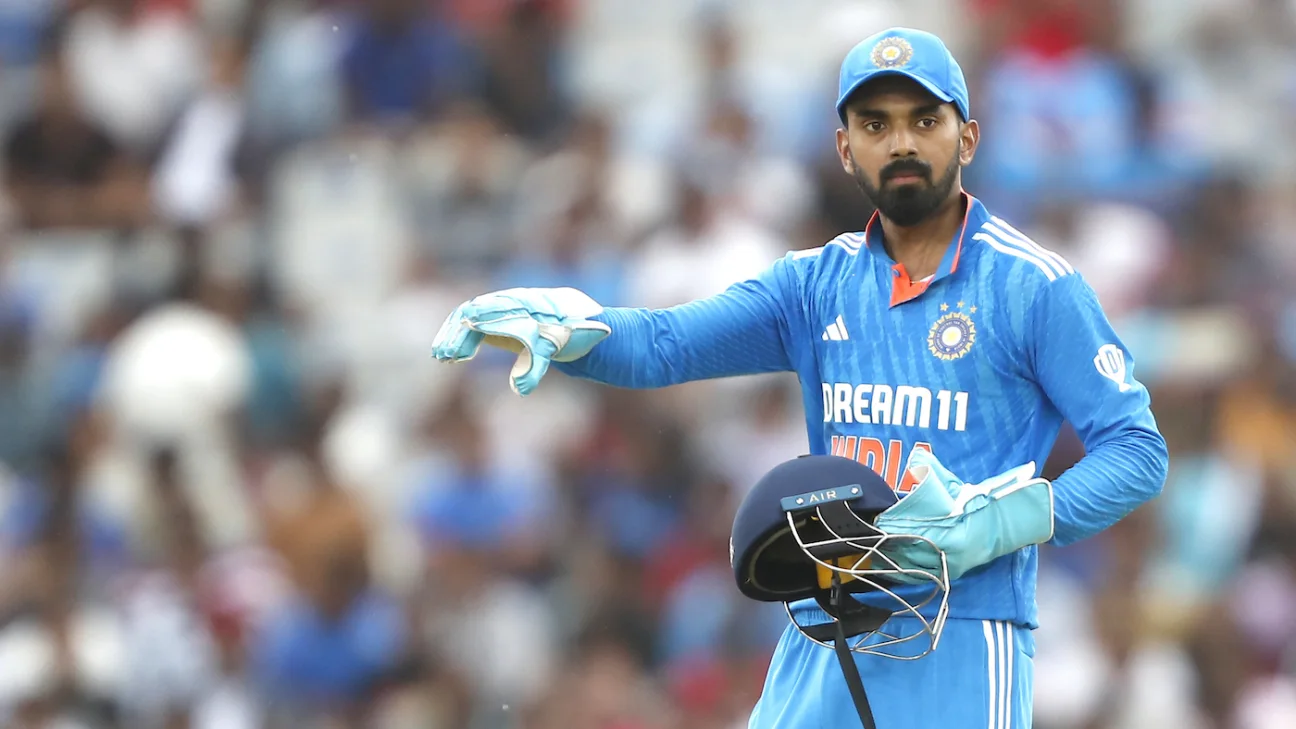
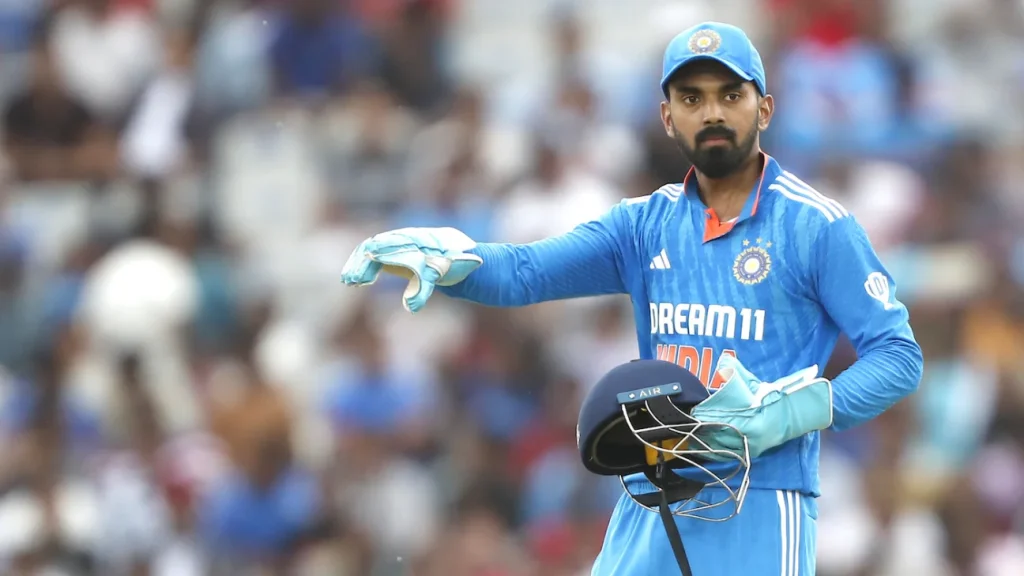
KL Rahul, born Kannur Lokesh Rahul in 1992 and raised in Karnataka, is an Indian international batter and wicketkeeper. His finances reflect three overlapping careers: domestic and international cricket, a long run of premium Indian Premier League contracts, and a growing portfolio of endorsements and minority startup investments. The IPL’s exact player profile records a 2013 league debut, six 500-run seasons, the 2020 Orange Cap and his later Delhi Capitals move. It establishes the subject and sporting record but does not disclose tax, investment ownership or personal spending.
Rahul progressed through Karnataka age-group cricket, represented India at the 2010 Under-19 World Cup and built a first-class record before his 2014 Test debut. His earliest IPL years included Royal Challengers Bangalore and Sunrisers Hyderabad, when his salary and commercial leverage were far below later captain-level contracts. The calculation therefore uses historical season values instead of applying a current auction price backward. Karnataka match fees and early league earnings contribute to the base, but the large accumulation period begins only after he became a consistent IPL opener and multi-format India player.
KL Rahul’s breakthrough years
The career decisions and defining moments that turned recognition into sustained earning power.
A maiden Test century in Sydney in 2015 established Rahul internationally. In the IPL, the sharper financial breakthrough came with Punjab in 2018, when he made the competition’s then-fastest fifty from 14 balls and began a sequence of high-volume seasons. He later captained Punjab and Lucknow. This matters because captaincy and wicketkeeping can raise franchise demand, while performance bonuses and appearance income depend on actually playing. The model counts known salary seasons but does not attach an invented premium to every match captained.

What KL Rahul’s work can earn
Reported pay, contracts, royalties and performance income reveal how the fortune was funded.
Rahul has international hundreds in multiple countries, played in India’s 2023 World Cup final campaign and adapted from opener to middle-order wicketkeeper. In December 2023, the ICC recorded his eighth Test century, a 101 in difficult Centurion conditions after India totaled 245. His ability to return from injury and change roles prolonged top-level selection. Milestones are used to explain contract durability, not converted directly into dollars.
The largest traceable stream is franchise salary. The official IPL 2025 auction table records Delhi Capitals’ ₹14 crore winning bid for Rahul, and his player profile confirms the subsequent 2026 retention. Before that, Lucknow reportedly signed him at ₹17 crore per season for 2022–24, following earlier Punjab and Bangalore contracts. Each amount is counted only for the applicable season and treated as gross compensation. India income is distinct: the BCCI’s 2024–25 list places Rahul in Grade A, with appearance-dependent match fees on top.

KL Rahul’s business beyond the main career
Endorsements, ownership interests and investments can keep compounding long after the initial breakthrough.
Rahul has represented fashion, sportswear, consumer technology and lifestyle brands. The Paul & Shark appointment gives a recent, named relationship, while older campaign rosters indicate recurring endorsement work. Terms are rarely disclosed and may include products, image-use periods, performance clauses and exclusivity. The model consequently uses a conservative annual endorsement pool across his established India years rather than assigning a large guessed value to each logo. Agency commissions, content production and tax are deducted before any amount is treated as investable savings.
Rahul has increasingly combined promotion with equity. Business Standard reported his undisclosed investment in Metaman’s perfume range and identified other interests including Boldfit, XYXX, HyugaLife, 4Cast, Flam and Players Fund. “Undisclosed” is important: the article proves participation, not the cheque size or current holding value. No private-company valuation is multiplied by an assumed percentage. The portfolio receives only a modest risk-adjusted allowance until a priced transaction or ownership disclosure supports more.

KL Rahul’s notable luxury item
A reported property or major asset offers a tangible glimpse of the wealth behind the public estimate.
Public reporting does not provide Rahul’s tax returns, brokerage accounts, property cost bases, debt or investment cap tables. Injuries have also interrupted availability and can reduce match fees even when a central contract continues. The ICC’s Centurion report documents his return as a wicketkeeper-batter and match situation, but it cannot establish private finances. Homes, cars and watches shown in lifestyle features are excluded unless ownership and transaction evidence exist.
KL Rahul’s estimated net worth
Public estimates vary because private contracts, investments, taxes and liabilities are not fully disclosed.
How this estimate is calculated
HMW reconstructs Rahul’s IPL contracts at their historical season values, including the reported ₹17 crore Lucknow seasons and ₹14 crore Delhi contracts for 2025 and 2026, rather than multiplying one peak salary across his career. It adds BCCI retainers using published grades, conservative match-fee allowances tied to actual selection, and a restrained endorsement pool during his premium commercial years. Gross receipts are reduced about 35% for blended tax and 10% for agents, training, travel and campaign costs, followed by allowances for normal spending and injury interruptions. Moderate investment growth is applied to plausible savings. Metaman and other startup holdings receive only a small risk-adjusted value because cheque sizes, dilution and liquidity are unknown. At roughly ₹84 per U.S. dollar in August 2026, that framework supports the final figure.
Rahul’s reach extends across Test cricket, India white-ball teams and the IPL. His public profile also overlaps with fashion and luxury marketing, which is visible in actual brand appointments. A Reliance Brands media release named him the first Indian face to become a global ambassador for Paul & Shark in 2025. Because the announcement does not publish compensation, it confirms an international commercial channel but not a cash figure. Follower counts and wedding coverage are excluded from asset calculations; publicity is not the same as money owned.
Official IPL and BCCI pages provide the strongest contract-status evidence. The earlier BCCI 2022–23 release is especially useful because it publishes the payment scale—₹7 crore for A+, ₹5 crore for A, ₹3 crore for B and ₹1 crore for C—and placed Rahul in Grade B. Later Grade A status supports a higher retainer, although current match fees and all endorsement terms are not disclosed on the cited pages. Currency rates, tax residency, consumption and startup dilution remain material uncertainties.