Sugar Ray Leonard

How Much Are They Worth? Celebrity fortunes, explained
Sugar Ray Leonard
Net worth story

Sugar Ray Leonard

Net worth revealed after 6 slides

Begin the countdown
The countdown
1 of 7
#
Sugar Ray Leonard
The fortune behind the fame

How did Sugar Ray Leonard build this fortune?

The answer unfolds through the career, earnings, deals and assets behind the headline estimate.

#
Sugar Ray Leonard
6 slides until the reveal

Before the fame

The background and early turning points that shaped Sugar Ray Leonard’s route to prominence.

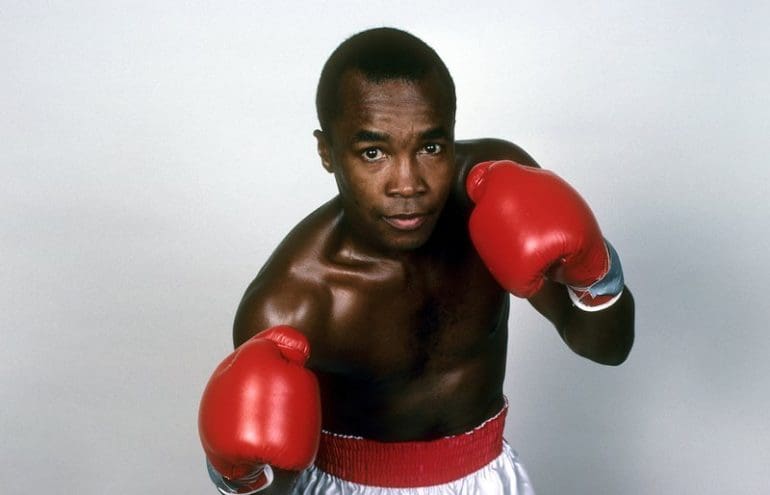
Sugar Ray Leonard won Olympic gold in 1976, professional world titles in five weight divisions and the defining commercial fights of boxing’s 1980s. Britannica’s biography documents the victories over Wilfred Benítez, Roberto Durán, Thomas Hearns and Marvin Hagler. Unlike modern fighters with promoter equity, Leonard’s financial case rests on very large purses for his era, broadcasting and endorsements, followed by decades of speaking and media work.

Leonard compiled an elite amateur record and won light-welterweight gold at the Montreal Olympics. He initially intended to attend college rather than box professionally, but family financial pressure changed the plan. Lawyer Mike Trainer assembled a group of investors who paid Leonard a salary while his career developed, an arrangement that reduced dependence on a conventional manager. The structure gave his team unusual control and helped protect his negotiating position as network television built him into a star.

#
Sugar Ray Leonard
5 slides until the reveal

The breakthrough years

The career decisions and defining moments that turned recognition into sustained earning power.

Leonard’s professional ledger records his 1979 stoppage of Wilfred Benítez for the WBC welterweight title, then two landmark 1980 bouts with Roberto Durán—the “Brawl in Montreal” and “No Más.” History’s account of the rematch describes the tactical reversal that restored Leonard’s title and commercial standing. Those events made him a closed-circuit television attraction rather than merely a highly paid network fighter.

Advertisement
#
Representative illustration of contracts and earnings
Representative image
4 slides until the reveal

What the work can earn

Reported pay, contracts, royalties and performance income reveal how the fortune was funded.

The 1981 unification against Thomas Hearns generated more than $35 million in total event revenue, with Leonard’s compensation widely reported above $11 million. Retinal surgery then interrupted his prime. After one comeback bout and another retirement, he returned in 1987 to defeat middleweight champion Marvin Hagler. The Hagler fight carried an $11 million guarantee plus regional closed-circuit participation, demonstrating that Leonard could command an eight-figure purse despite prolonged inactivity.

The core evidence is a series of exceptional purses: the Durán events, more than $11 million against Hearns, and an approximately $11 million guarantee reported around the Hagler event, followed by later paydays against Donny Lalonde, Hearns and Durán. These figures overlap with event-revenue reports, so only fighter compensation is counted. Gross purses were reduced by tax, Trainer’s advisory arrangements, training camps and Leonard’s spending; nominal 1980s dollars are not simply inflation-adjusted and treated as cash still held.

#
Representative illustration of endorsements and business growth
Representative image
3 slides until the reveal

The business beyond the main career

Endorsements, ownership interests and investments can keep compounding long after the initial breakthrough.

Leonard appeared in advertising for major consumer brands, broadcast boxing and later participated in reality and competition television. His polished image made endorsements significant during a period when few boxers attracted blue-chip sponsors. The Sugar Ray Leonard Foundation’s history documents the continuing public platform and charitable focus on pediatric diabetes research. Foundation fundraising is excluded from personal income; paid media, speaking and brand work are included only as conservative lifetime estimates.

Sugar Ray Leonard Inc. manages speaking, media and brand activity, while Leonard has also worked in boxing promotion. No public transaction gives those private operations a defensible large enterprise value. The estimate therefore treats them as income-producing personal businesses with modest goodwill, not as venture-backed companies. Leonard’s early investor-backed structure and long relationship with Mike Trainer are relevant because they suggest more financial organization than the exploitative management common in boxing at the time.

Advertisement
#
Representative illustration of a high-value property asset
Representative image
2 slides until the reveal

Notable luxury item

A reported property or major asset offers a tangible glimpse of the wealth behind the public estimate.

Leonard has owned valuable California property, including a Pacific Palisades estate that was publicly marketed at a very high asking price. Asking price is not equity: mortgage debt, joint ownership, selling costs and actual transaction terms matter. His private investment portfolio, pension arrangements, tax history and liabilities are not disclosed. HMW therefore uses realized career income as the main anchor and gives property only a conservative net-equity allowance.

#
Sugar Ray Leonard
The reveal

Sugar Ray Leonard’s estimated net worth

Approximately $120 million as of August 2026 (HMW estimate).

Public estimates vary because private contracts, investments, taxes and liabilities are not fully disclosed.

How this estimate is calculated

HMW constructs a bout ledger centered on the documented Hearns and Hagler guarantees and conservative allowances for the Durán trilogy, Lalonde and later comeback fights. It removes tax, investor and adviser participation, camps and spending, then applies long-term investment growth only to the portion plausibly saved. Modest present values are added for property equity, broadcasting, speaking and Sugar Ray Leonard Inc.; foundation assets are excluded. The approach produces a retained-assets estimate rather than multiplying championship count by an arbitrary amount.

Leonard was a mainstream US celebrity: articulate, television-friendly and repeatedly compared with Muhammad Ali and namesake Sugar Ray Robinson. He worked as a commentator and analyst, appeared on entertainment programming and became a corporate speaker. The International Boxing Hall of Fame profile records his championships and retirement record. His reach created durable appearance income, but HMW does not assign a separate monetary value to recognition itself.

Fight guarantees from Hearns and Hagler are stronger evidence than recycled net-worth sites, but a complete purse ledger is unavailable. Some reports quote event gross, others guarantees, and others a final share after closed-circuit receipts. Adding all three would double-count the same bout. Endorsement terms are also private. This profile uses identifiable eight-figure events, a restrained estimate for the rest of the career and a long post-boxing income stream, while applying substantial cost and tax deductions.


HMW uses research and editorial tools to assist production. Every profile is independently sourced, fact-checked, edited and reviewed before publication. Estimates are editorial assessments and not audited financial statements.

Browse the full collection

Explore by category

Sports Athletes, records and earnings Actors & Entertainment Film, television and fame Business Founders, deals and ownership Musicians Tours, catalogues and royalties Influencers Audiences, brands and ventures Gamers Streaming, esports and sponsors DJs Festivals, releases and labels Politicians Careers, disclosures and assets Chefs Restaurants, awards and ventures Models Campaigns, runways and brands YouTube Channels Views, partnerships and businesses American Football Contracts, teams and endorsements Soccer Salaries, transfers and sponsorships Football Players, clubs and commercial deals Cricket Contracts, leagues and endorsements Tennis Prize money, tours and sponsors Golf Winnings, tours and partnerships Boxing Purses, promotions and endorsements Martial Arts Fight purses, bonuses and brands F1 Contracts, teams and sponsorships Basketball Salaries, sneakers and investments Motorsport Racing careers, teams and sponsors Comedians Tours, specials and production deals TV Personalities Broadcast careers and ventures Podcasts Audiences, advertising and ownership CEOs Leadership, equity and compensation Billionaires Ownership, investments and major assets Companies Valuations, ownership and performance Restaurants Hospitality groups and expansion Night Clubs Venues, ownership and nightlife Festivals Events, audiences and commercial scale Criminal Cases Documented cases and asset scrutiny