 How Much Are They Worth?
Celebrity fortunes, explained
How Much Are They Worth?
Celebrity fortunes, explained

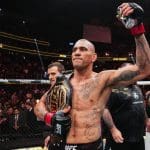
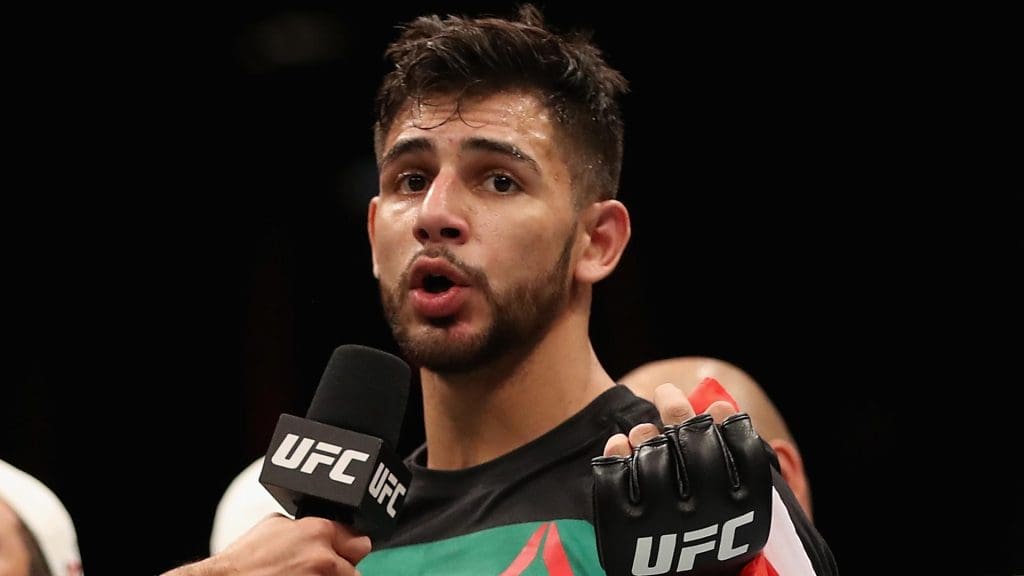
How did Yair Rodriguez build this fortune?
The answer unfolds through the career, earnings, deals and assets behind the headline estimate.
Before the fame
The background and early turning points that shaped Yair Rodriguez’s route to prominence.
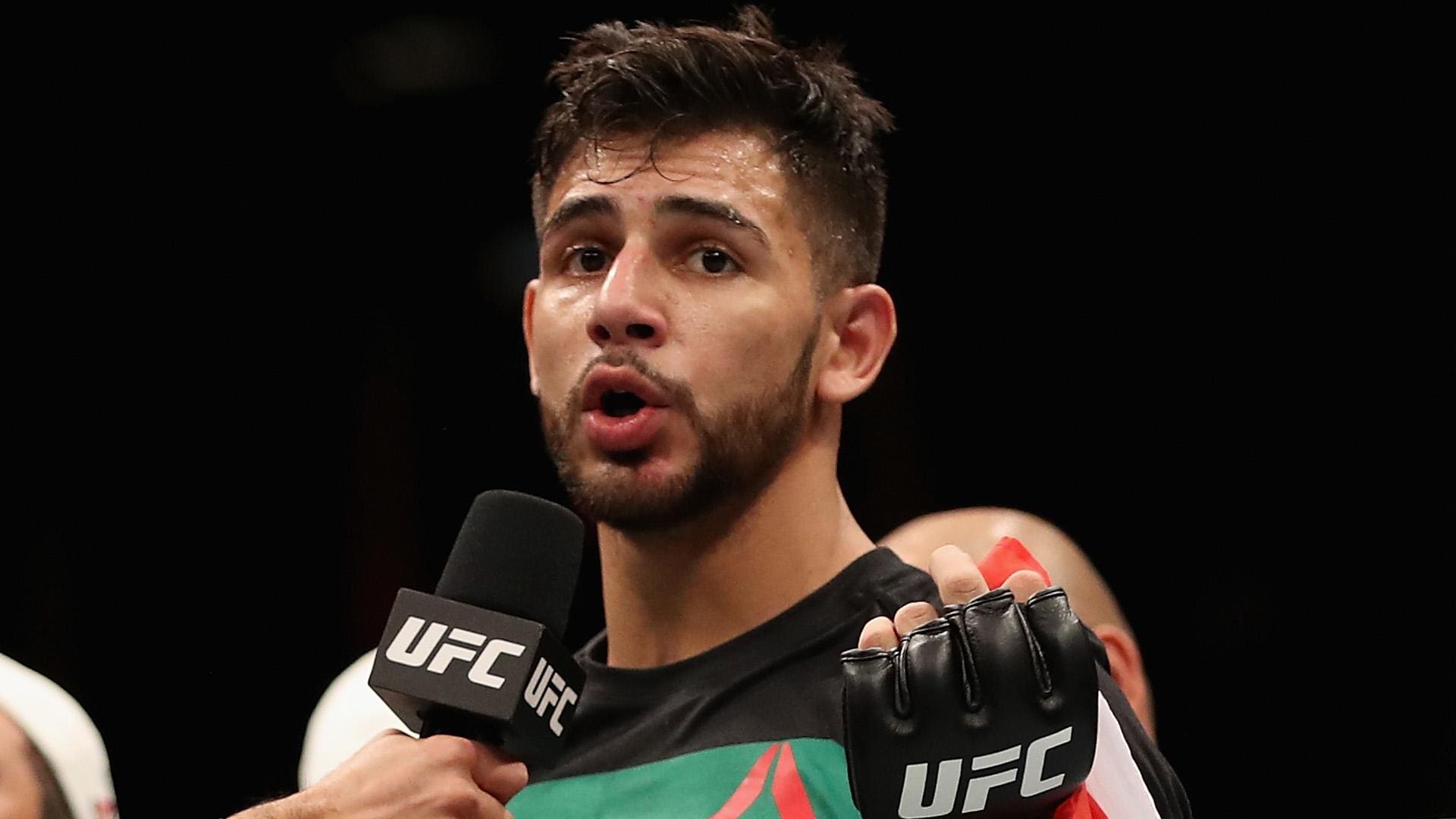
Rodriguez was born Yair Raziel Rodriguez Portillo on October 6, 1992, in Parral, Chihuahua, Mexico, to Rigoberto Rodriguez Olivas and Norma Alicia Portillo, and has one brother and one sister (Wikipedia). He is a cousin of Mexican Olympic boxer Misael Rodriguez, and he began training in Taekwondo at age five, eventually earning a black belt in the discipline before moving into mixed martial arts (Wikipedia). He fights today under the nickname “El Pantera,” a persona built around the acrobatic, unorthodox striking that would later define his UFC career.
Rodriguez made his professional MMA debut on October 10, 2011, against Jonatan Guzman, winning by unanimous decision, and went on to win the Mexican Fighter Promotions featherweight title that same year before losing it by first-round knockout to Luis Roberto Herrera in December 2012, compiling a 9-1 record before reaching the UFC (Wikipedia). His path into the promotion ran through The Ultimate Fighter: Latin America in 2014, where he fought for “Team Velasquez,” finishing Humberto Brown by triangle choke in the quarterfinals and Rodolfo Rubio by strikes in the semifinals to win the featherweight tournament outright (UFC.com). He made his official UFC debut on November 15, 2014, at UFC 180, defeating Leonardo Morales by unanimous decision.
The breakthrough years
The career decisions and defining moments that turned recognition into sustained earning power.
Rodriguez built his UFC reputation through a run of entertaining, bonus-earning performances, including a split-decision win over Charles Rosa in 2015, a knockout of Andre Fili in 2016 that earned Performance of the Night, and a split-decision win over Alex Caceres later that year that earned Fight of the Night (UFC.com). The clearest breakthrough moment came in January 2017, when he stopped UFC legend BJ Penn by second-round TKO, a Performance of the Night win that established him as a genuine featherweight contender rather than simply a highlight-reel curiosity. A May 2017 loss to Frankie Edgar by doctor stoppage temporarily slowed his climb, but it did little to dim the sport’s growing interest in him.

What the work can earn
Reported pay, contracts, royalties and performance income reveal how the fortune was funded.
Rodriguez’s signature moment came on November 10, 2018, against Chan Sung Jung, when he landed a no-look reverse elbow that dropped “The Korean Zombie” literally as the horn sounded to end the fifth round, a finish CBS Sports’ panel later named the best knockout of the year and one many analysts still call one of the greatest finishes in UFC history (CBS Sports). The win earned both Fight of the Night and Performance of the Night honors. In February 2023, Rodriguez captured the biggest title of his career, submitting Josh Emmett with a second-round triangle choke at UFC 284 to become the UFC Interim Featherweight Champion, before losing the undisputed title fight to Alexander Volkanovski by third-round TKO that July (Wikipedia).
The UFC has repeatedly positioned Rodriguez as one of the promotion’s key ambassadors for growing its audience in Mexico, a role he has embraced publicly, telling reporters, “I’m representing my country, my culture and all of Latin America. I want to be the guy to grow the Mexican market” (Las Vegas Review-Journal). His Chan Sung Jung knockout was recognized as the 2018 Knockout of the Year by multiple outlets beyond CBS Sports, including UFC.com, ESPN and Sherdog, cementing his reputation as one of the sport’s most spectacular finishers well beyond his win-loss record alone.

The business beyond the main career
Endorsements, ownership interests and investments can keep compounding long after the initial breakthrough.
Rodriguez has carried a Monster Energy affiliation since at least 2018, with the brand featuring his performances in its own athlete promotion, and he has served as a named athlete ambassador for Toyo Tires, the UFC’s official tire partner, including in the companies’ 2023 multi-year renewal announcement (Toyo Tires). He has also promoted Zignum Mezcal, a Mexican spirits brand, across his social channels as part of a sponsorship arrangement rather than an ownership stake (EssentiallySports). None of these three arrangements has a publicly disclosed dollar value.
No formally incorporated company, gym franchise, or media business bearing Rodriguez’s name was found documented in the sourcing for this profile. His commercial activity outside the cage instead centers on ambassador-style partnerships tied to his home country, particularly the UFC’s own efforts to use him as a face for its growth in the Mexican market (Las Vegas Review-Journal). Beyond his promotional and sponsorship work, no separate standalone venture has been publicly confirmed.

Notable luxury item
A reported property or major asset offers a tangible glimpse of the wealth behind the public estimate.
No specific home purchase, property value, or other major asset has been publicly documented for Rodriguez in the sources reviewed for this profile. He is originally from Parral, Chihuahua, and has trained for extended stretches of his career at the Huntington Beach Ultimate Training Center in California and at Kings MMA, according to his official UFC biography, but no residency or real estate record beyond his training and hometown affiliations was found (UFC.com).
Yair Rodriguez’s estimated net worth
Public estimates vary because private contracts, investments, taxes and liabilities are not fully disclosed.
How this estimate is calculated
HMW’s estimate starts from the disclosed base purse figures compiled fight by fight from his 2014 UFC debut through his 2025 win over Patricio Pitbull, which sum to just over $1.1 million before bonuses (Sporty Salaries). Because Rodriguez has repeatedly earned Fight of the Night and Performance of the Night bonuses, which in several bouts matched or effectively doubled his listed purse, the model adds a substantial bonus layer on top of that base figure, along with more than a decade of endorsement income from Monster Energy, Toyo Tires and Zignum Mezcal, none of which has a disclosed value. It then deducts the coaching, camp, management and tax costs typical of a touring UFC fighter’s career, which commonly consume 30 to 40 percent of gross earnings. That approach lands well above Sporty Salaries’ own “more than $1.8 million” figure, but meaningfully below secondary aggregator estimates such as Surprise Sports’ $7 million 2026 figure and EssentiallySports’ $4 to $7 million range, both of which are unverified and treated here only as a directional upper bound rather than a confirmed total (Surprise Sports).
Rodriguez has supported Fundacion Corazon de Nina, a Mexican nonprofit that assists disadvantaged children, describing his giving as a way to “bring joy to the newer generation” (EssentiallySports). Combined with his frequently stated goal of growing the sport in Mexico and Latin America, his public image has largely been that of a national sporting ambassador rather than a controversial figure, a framing reinforced by the UFC’s own promotional use of him in the Mexican market (Las Vegas Review-Journal). No dedicated charitable foundation bearing his own name was found documented in the sourcing for this profile.
Rodriguez’s most public dispute with the UFC came in May 2018, when the promotion released him from his contract after he declined a fight against Zabit Magomedsharipov and a separate offer to face Ricardo Lamas; Rodriguez disputed the UFC’s framing afterward, saying he had actually accepted the Lamas fight and had only asked for increased pay to face Magomedsharipov, a ranked opponent, rather than simply ducking work (ESPN). The two sides reconciled within a few weeks and he returned to the roster (MMA Mania). Separately, Rodriguez accepted a six-month USADA suspension beginning September 8, 2020, after accruing three whereabouts failures within a twelve-month window; USADA noted his conduct did not suggest an intent to avoid testing and reduced the sanction for his cooperation, and he returned to competition in March 2021 (ESPN).