
 How Much Are They Worth?
Celebrity fortunes, explained
How Much Are They Worth?
Celebrity fortunes, explained





How did Angela Merkel build this fortune?
The answer unfolds through the career, earnings, deals and assets behind the headline estimate.
Angela Merkel before the fame
The background and early turning points that shaped Angela Merkel’s route to prominence.
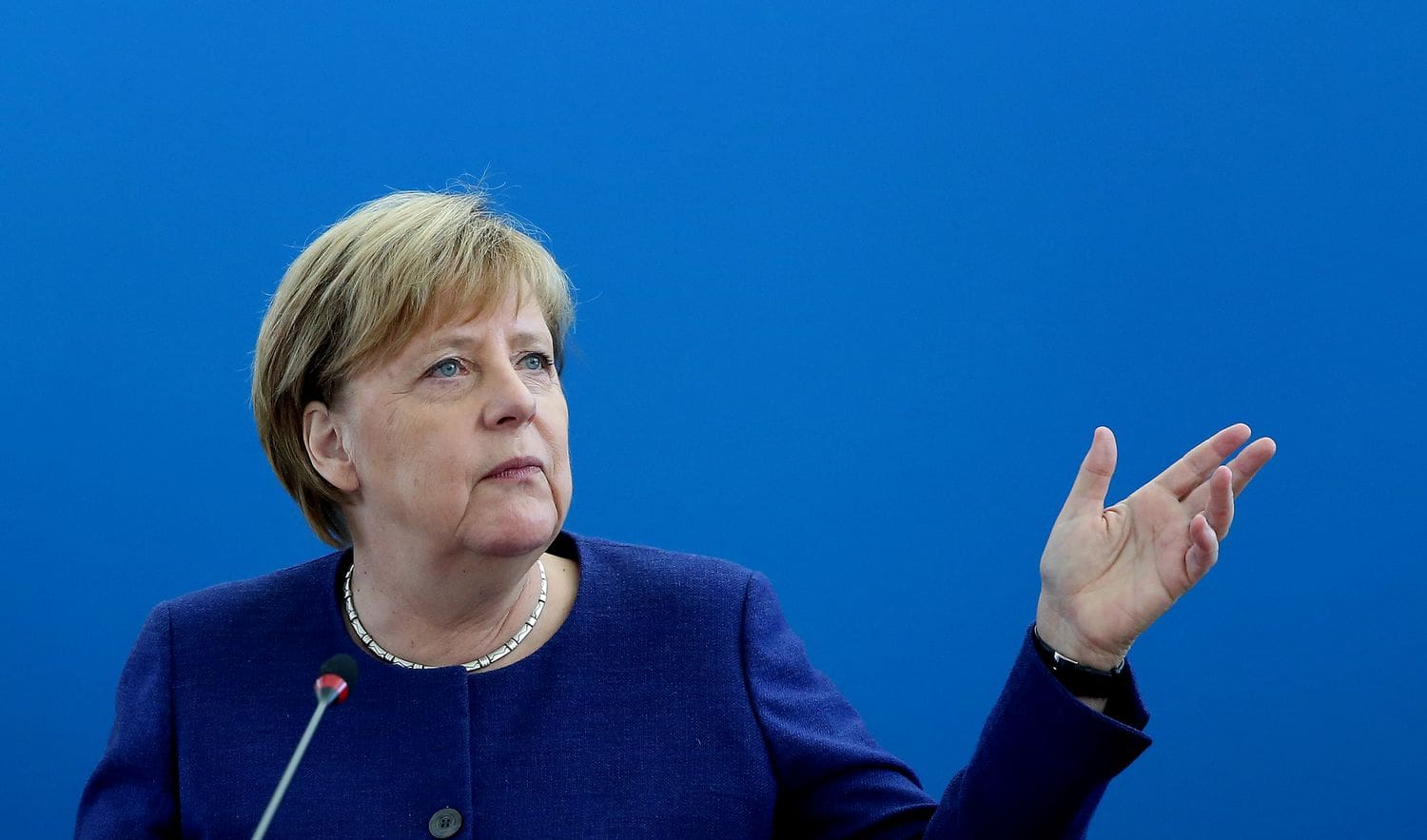
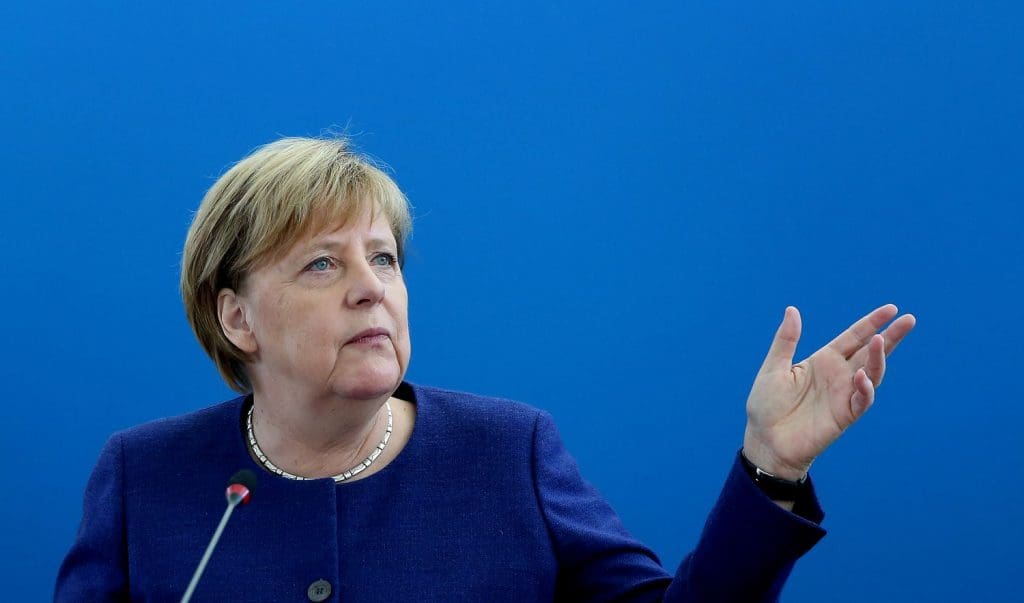
Angela Merkel was born in Hamburg in 1954 and raised in East Germany after her father, a Lutheran pastor, moved the family east. She studied physics at Leipzig University and earned a doctorate before working as a research scientist. The Bundestag’s archived biography records her education, scientific employment and political offices, while the Federal Chancellery’s Merkel chronology confirms the sequence of her scientific and governmental career. Her methodical public style was often linked to that scientific training.
Merkel married quantum chemist Joachim Sauer in 1998. She has no children of her own and has generally protected her private life. Sauer’s independent academic career and assets should not simply be combined with hers unless an estimate explicitly concerns the household. Likewise, the official residences and transport used during her chancellorship were German state assets.
Merkel worked at the Central Institute for Physical Chemistry of the Academy of Sciences from 1978 to 1990, completing her doctorate in 1986. The fall of the Berlin Wall transformed her career. She joined Democratic Awakening, became a deputy spokesperson for East Germany’s last government and entered the Christian Democratic Union after reunification.
Elected to the Bundestag in 1990, she joined Helmut Kohl’s cabinet as minister for women and youth, then served as environment minister. These portfolios supplied governing experience and international exposure. Her ascent was unusually rapid for an eastern German woman in a party dominated by western male networks.
Angela Merkel’s breakthrough years
The career decisions and defining moments that turned recognition into sustained earning power.
Merkel’s decisive breakthrough followed the CDU financing scandal at the end of the 1990s. She publicly urged the party to move beyond Kohl, became CDU leader in 2000 and opposition leader in 2002. After the close 2005 federal election, she assembled a grand coalition and became Germany’s first female chancellor.
She ultimately won four terms and served for 16 years. The Bundestag’s account of her 2013 re-election and swearing-in illustrates the parliamentary basis of her office. Her staying power rested on coalition building, cautious positioning and a reputation for competence during successive crises.

What Angela Merkel’s work can earn
Reported pay, contracts, royalties and performance income reveal how the fortune was funded.
Merkel guided Europe’s largest economy through the global financial crisis, euro-area debt turmoil, the 2015 refugee influx, Brexit negotiations and the pandemic. She helped hold European institutions together during periods when member states sharply disagreed. Domestically, her governments maintained high employment and balanced federal budgets for stretches of her tenure.
After Japan’s Fukushima disaster, her government accelerated Germany’s nuclear phase-out. In 2015 she chose not to close Germany’s borders to large numbers of refugees, a decision praised as humanitarian leadership and attacked as insufficiently controlled. Her political significance lies in this combination of pragmatic incrementalism and occasional high-stakes decisions.
Merkel became one of the world’s most recognizable democratic leaders and was frequently described as Europe’s de facto crisis manager. She received numerous honorary degrees and international awards, including Germany’s exceptional form of its highest federal decoration. The Federal President’s guide to the Order of Merit explains the national honour’s status. Such honours carry reputational value but are not evidence of a commercial fortune.
After leaving office, she remained selective about appearances. Her publisher’s page for her memoir Freedom describes her life across two German states and her years at the centre of international politics. The book became a major post-office project, giving her a new source of private income distinct from public salary and pension.

Angela Merkel’s business beyond the main career
Endorsements, ownership interests and investments can keep compounding long after the initial breakthrough.
Merkel has not cultivated a paid consumer-brand endorsement portfolio. During office, appearances with German manufacturers or at trade fairs were governmental duties. A politician visiting a plant does not thereby own shares in the company or receive an advertising fee.
Her post-office book promotion is commercial activity connected to her own publication, not a broad sponsorship business. Without disclosed contracts, adding speculative brand income would inflate the estimate. Political endorsements and awards should also remain separate from personal earnings.
Merkel did not build a conventional business empire. Her career before politics was scientific research, followed by three decades in elected and ministerial office. After retirement, she and longtime adviser Beate Baumann collaborated on the memoir through a working partnership. The Associated Press report announcing the memoir confirms their collaboration and its international publication plans.
Book royalties and speaking or appearance fees are plausible post-chancellorship income streams, but contract terms are private. The retail value of all copies sold cannot be treated as her income because publishers, retailers, agents, co-authors, translators and taxes absorb substantial shares.
Angela Merkel’s notable luxury item
A reported property or major asset offers a tangible glimpse of the wealth behind the public estimate.
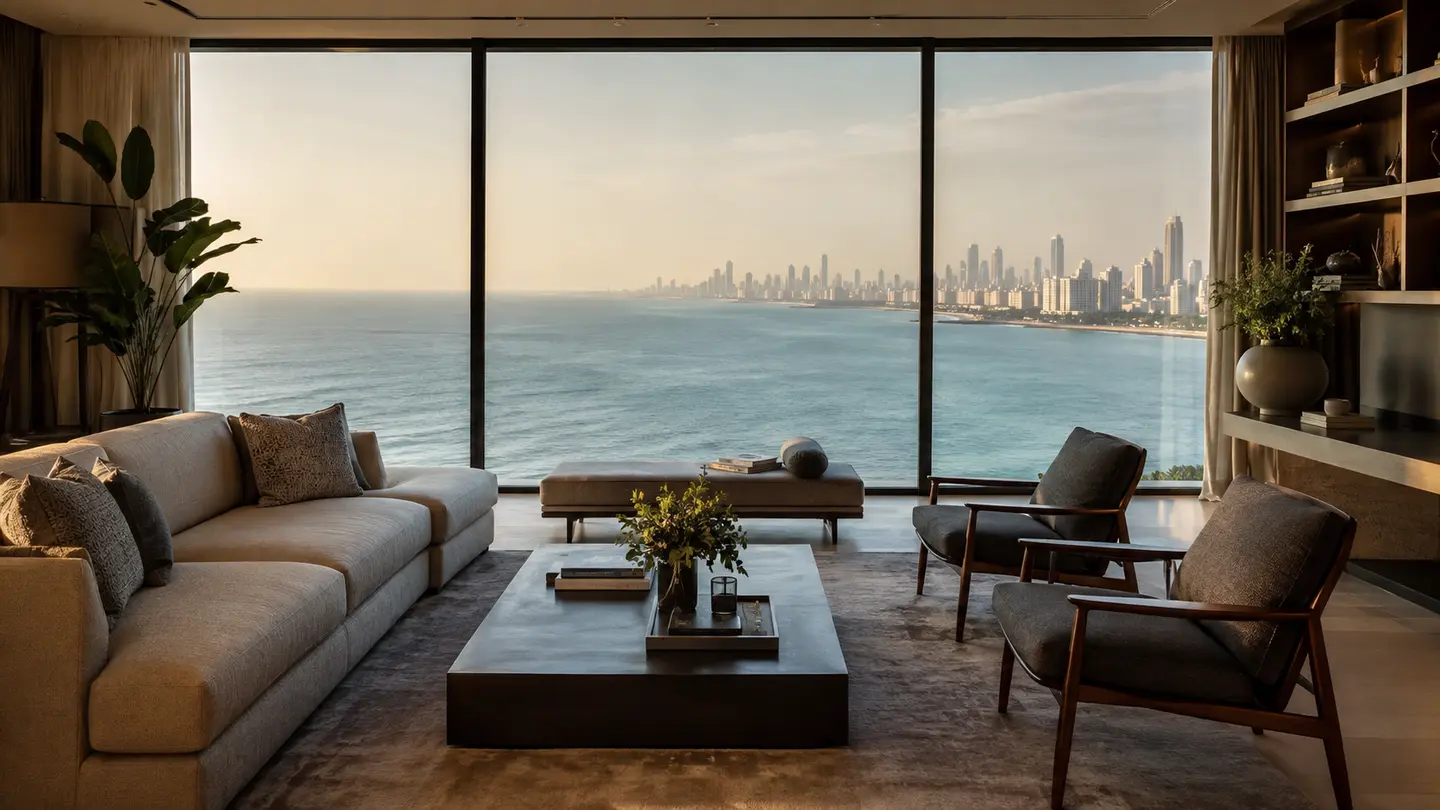
Merkel is associated publicly with a Berlin apartment and a modest country retreat, but comprehensive, current valuations of her private property and financial accounts are not available. German chancellery buildings, official vehicles, aircraft and guest facilities were never hers personally. Security and staff provided after office are public arrangements rather than transferable assets.
Her husband’s academic income and any separately owned investments must not automatically be attributed to her. The available picture is of comfortable professional wealth accumulated from salaries, pension entitlements and publishing, not ownership of major industrial or property groups.
Angela Merkel’s estimated net worth
Public estimates vary because private contracts, investments, taxes and liabilities are not fully disclosed.
How this estimate is calculated
The estimate considers Merkel’s long service as a Bundestag member, cabinet minister and chancellor, followed by statutory pension entitlements and memoir income. It assumes prudent savings and conventional investments but does not treat gross career salary as accumulated wealth. Living costs, taxes and shared household expenses materially reduce retained capital.
It excludes government property, official security, staff budgets, CDU funds, her husband’s separately owned assets and the full retail revenue generated by her book. The Bundestag’s explanation of member remuneration provides context for parliamentary compensation, while the publisher confirms the memoir’s commercial existence; neither source supplies a complete personal balance sheet.
On the evidence available, Angela Merkel’s estimated net worth is approximately $8 million to $12 million. This range reflects decades of senior public compensation, pension value, likely savings and post-office publishing income. It remains an analytical estimate rather than a disclosed figure. German government assets, CDU resources and Joachim Sauer’s independently owned property are excluded.
Merkel has supported democratic, educational and humanitarian themes, but public advocacy should not be confused with a personal foundation. Much of the assistance associated with policies adopted during her chancellorship came from government budgets approved through public institutions.
Her image combined personal frugality with immense institutional power. The understated clothing, supermarket photographs and continued use of a private apartment reinforced a reputation for normality. That reputation does not prove a particular asset total, but it argues against estimates premised on conspicuous luxury spending.
Merkel’s refugee policy divided Germany and strengthened political opposition on the right. Her euro-crisis approach was criticized in debtor countries as austerity and in Germany as excessive risk-sharing. Energy dependence on Russia and support for the Nord Stream projects came under much harsher scrutiny after Russia’s full-scale invasion of Ukraine.
She has defended much of her record while acknowledging the difficult trade-offs. The Guardian’s report on the memoir and legacy debate notes criticism of her Russia and China policies. These controversies concern public judgment and strategic choices; they do not substantiate claims of secret personal enrichment.