
 How Much Are They Worth?
Celebrity fortunes, explained
How Much Are They Worth?
Celebrity fortunes, explained




Michel Troisgros (France) – La Maison Troisgros
Net worth revealed after 6 slides
Begin the countdown ↓
How did Michel Troisgros (France) – La Maison Troisgros build this fortune?
The answer unfolds through the career, earnings, deals and assets behind the headline estimate.
Before the fame
The background and early turning points that shaped Michel Troisgros (France) – La Maison Troisgros’s route to prominence.
Michel Troisgros was born on April 2, 1958, in Roanne, France, into what would become the country’s longest-running family of chefs. The family’s culinary story began in 1930, when his grandparents, Jean-Baptiste and Marie Troisgros, took over the Hotel des Platanes opposite Roanne’s train station and turned it into the Hotel Moderne. According to the official Troisgros family history, the restaurant earned its first Michelin star in 1956 under Michel’s father Pierre and uncle Jean, a second in 1965, and a third in 1968, a rating the house has held without interruption ever since. Per Wikipedia’s account of the Troisgros family, Michel is the third generation to lead the business, growing up immersed in a professional kitchen his father once called “the most beautiful job in the world.”
Michel’s formal training began in his mid-teens and took him through some of the most demanding kitchens in Europe. Per Four Magazine’s profile of the chef, he trained under Roger Verge, Alain Chapel and Frederic Girardet, worked seasonally at Alice Waters’ Chez Panisse in California, and spent time in Brussels at Comme Chez Soi and with Michel Guerard at Les Pres d’Eugenie. A separate account from GreatChefs.com adds stints at Taillevent and Lucas Carton in Paris, as well as under Alain Chapel in Mionnay. That circuit of postings gave him a grounding in both classical French technique and the emerging ideas that would later shape his own style, before he returned home to Roanne in 1983.
The breakthrough years
The career decisions and defining moments that turned recognition into sustained earning power.
Michel’s return to Roanne in 1983 coincided with a turning point for the family business: his uncle Jean died suddenly that year, and Michel stepped into a larger role in the kitchen alongside his father Pierre. Per Wikipedia, Pierre retired in 1996, after which Michel and his wife Marie-Pierre took full control of the restaurant, working with designer Christian Liaigre on a renovation and gradually moving the menu away from the family’s emblematic salmon escalope with sorrel toward his own citrus-driven identity. The shift paid off critically: in 2003, Gault-Millau named him Chef of the Year and rated the restaurant 18/20, a distinction noted on Four Magazine’s chef profile, cementing his standing as his own culinary figure rather than simply his father’s successor.

What the work can earn
Reported pay, contracts, royalties and performance income reveal how the fortune was funded.
Under Michel, the family restaurant, now known as Le Bois sans Feuilles, has kept its three Michelin stars for more than 55 years running, one of the longest such streaks in the world, according to Wikipedia’s history of the family, which also credits the house with a Michelin Green Star in 2020 and a Zagat rating of 29 out of 30. Its climb up the international rankings has been steady: per Wikipedia’s entry on La Maison Troisgros, the restaurant placed 25th on the World’s 50 Best Restaurants list in 2008, reached the top ten of La Liste by 2015, climbed to 6th in 2023, and rose again to 3rd in 2024. The restaurant’s own listing on The World’s 50 Best Discovery guide describes hyper-local tasting menus built around ingredients grown on the estate itself.
Michel’s clearest individual honor came in November 2017, when the trade magazine Le Chef polled 552 two- and three-Michelin-starred chefs worldwide and asked each to name the five chefs who best represent the profession. Michel topped the resulting 2018 ranking, succeeding Alain Passard, Michel Bras and Pierre Gagnaire as the poll’s reigning name, according to Nouvelles Gastronomiques’ coverage of the ranking. Regional press treated the win as a landmark moment: Lyon Capitale called him “chef of chefs” and noted the vote came from the only major ranking judged entirely by working two- and three-star chefs rather than critics or the public. The story also drew international coverage, including from Bloomberg, which reported on his selection as the world’s top chef by his peers.

The business beyond the main career
Endorsements, ownership interests and investments can keep compounding long after the initial breakthrough.
Michel’s public-facing affiliations have leaned toward hospitality governance rather than commercial endorsement. He sits on the board of Relais and Chateaux, the luxury hotel and restaurant association that has listed the family’s property since the 1960s, a role documented by GreatChefs.com. No major cookware line, packaged food range or paid advertising campaign fronted by Michel Troisgros appears in mainstream coverage of his career, and unlike some television-famous chefs, his income has stayed rooted in the restaurant, hotel and consulting business rather than consumer product licensing.
Michel built a business well beyond the flagship dining room. In 1995 he and Marie-Pierre opened Le Central, a casual bistro and delicatessen next to the main house in Roanne, and in 2006 they extended the Troisgros name to Tokyo with CMT, short for Cuisine[s] Michel Troisgros, according to the official Troisgros family history. Earlier international projects, documented by GreatChefs.com, included a consulting role for Bangkok’s Oriental Hotel, the Koumir restaurant in Moscow in 2001, and a partnership with the Hotel Lancaster in Paris. In March 2023, Michel formally stepped back from daily kitchen leadership so his son Cesar could run the restaurant independently. Per Reporter Gourmet’s profile of the chef, Michel and Marie-Pierre now operate as Troisgros Consultants, advising on hospitality projects and sustainability initiatives rather than running the pass themselves.
Notable luxury item
A reported property or major asset offers a tangible glimpse of the wealth behind the public estimate.
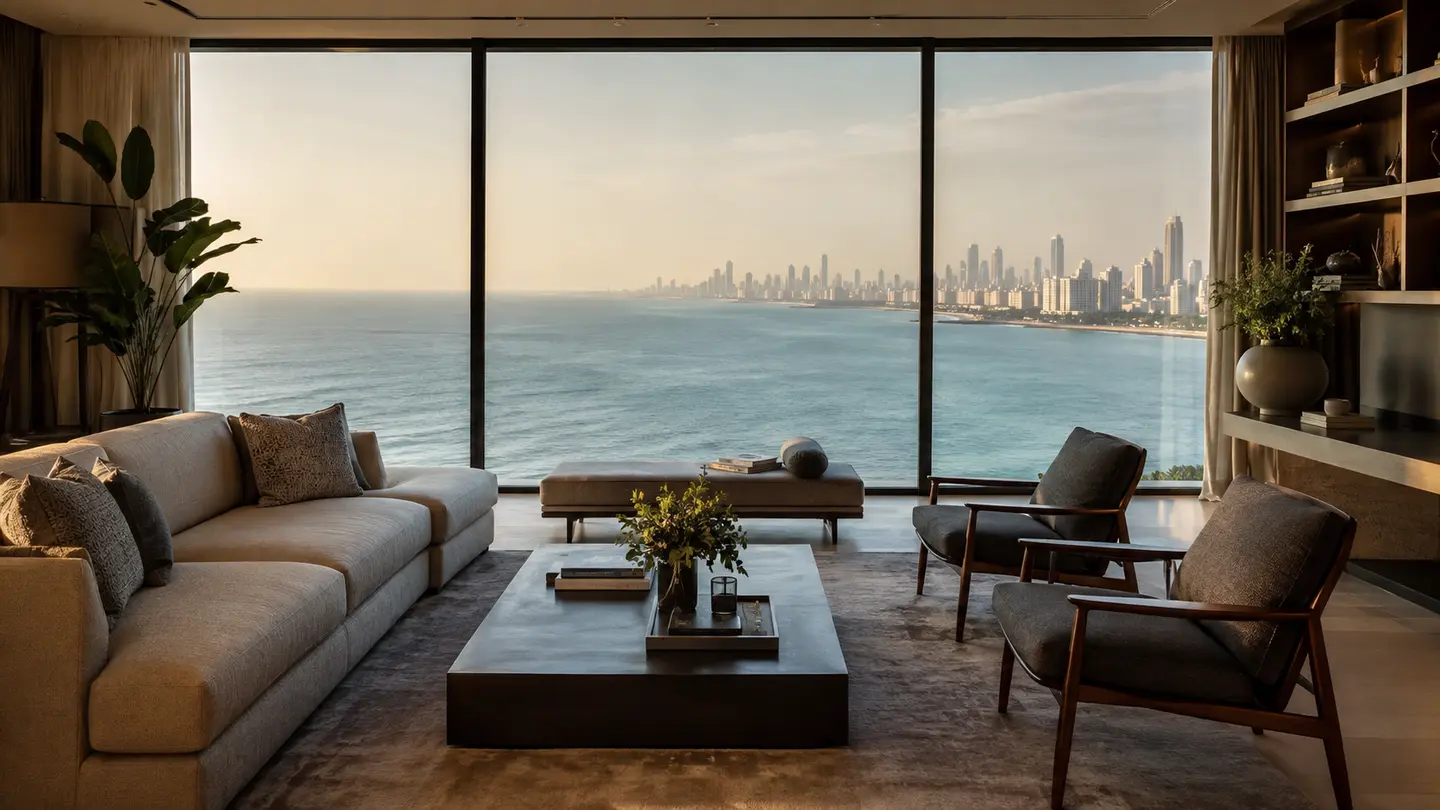
The single largest identifiable asset tied to Michel Troisgros is the family’s estate in Ouches, a few kilometers outside Roanne, where the restaurant relocated in 2017 after 87 years in the town center. Per the official Troisgros family history, the estate was designed by architect Patrick Bouchain and now houses the three-Michelin-star restaurant Le Bois sans Feuilles alongside two accommodation wings, Le Bois Dormant and L’echoppe, a boutique shop, equestrian facilities and kitchen gardens. The scale of that investment is reflected in current pricing: The World’s 50 Best Discovery guide puts the restaurant firmly among the highest per-person tariffs in global fine dining, with the tasting menu priced well above the already substantial cost of dining a la carte. No public filing discloses a valuation for the property, which remains privately held within the family.
Michel Troisgros (France) – La Maison Troisgros’s estimated net worth
Public estimates vary because private contracts, investments, taxes and liabilities are not fully disclosed.
How this estimate is calculated
Michel Troisgros is a private individual, and no financial publication such as Forbes, nor institutions like the Michelin Guide or Le Figaro, has published an official net worth figure for him, so the estimate below is built from the documented facts of his career rather than a disclosed number. It weighs a family business now in its fourth generation with roots dating to 1930, three Michelin stars held without interruption since 1968, ownership of a purpose-built luxury hotel-restaurant-boutique estate completed in 2017, additional revenue lines including the Le Central bistro, past international consulting and licensing work in Tokyo, Moscow, Bangkok and Paris, and a board seat with Relais and Chateaux. Because Michel formally stepped back from day-to-day kitchen leadership in 2023 and now works through Troisgros Consultants rather than running every part of the operation directly, his position is treated as closer to a legacy owner and consultant than an active multi-restaurant operator, and the estimate below reflects that more conservative framing.
Michel’s public image is built on mentorship and continuity rather than a headline charitable foundation. Wikipedia’s history of the Troisgros family credits the house with training numerous chefs who went on to earn their own acclaim, including Bernard Loiseau and Guy Savoy. Since stepping back from the kitchen, Michel’s post-2023 work through Troisgros Consultants has focused on sustainability in the restaurant trade, a shift reported by Reporter Gourmet. Across French food media, he is consistently described as a steady, low-drama figure whose reputation rests on nearly four decades of consistency rather than public campaigning.
There is no documented pattern of scandal, legal dispute or serious public controversy attached to Michel Troisgros in mainstream culinary or business press. The closest thing to a public risk in his career was the 2017 decision to leave the family’s 87-year-old town-center site in Roanne for a newly built estate in Ouches, a move covered by Lyon Capitale as a bold reinvention rather than a misstep, coming the same year he was voted the world’s top chef by his peers. The 2023 handover of the kitchen to his son Cesar, described in Reporter Gourmet’s profile, was likewise framed as an orderly fourth-generation transition rather than a forced exit. Michel is broadly regarded as one of French gastronomy’s more stable, uncontroversial figures.