 How Much Are They Worth?
Celebrity fortunes, explained
How Much Are They Worth?
Celebrity fortunes, explained








How did Dimitri Vegas & Like Mike build this fortune?
The answer unfolds through the career, earnings, deals and assets behind the headline estimate.
Before the fame
The background and early turning points that shaped Dimitri Vegas & Like Mike’s route to prominence.
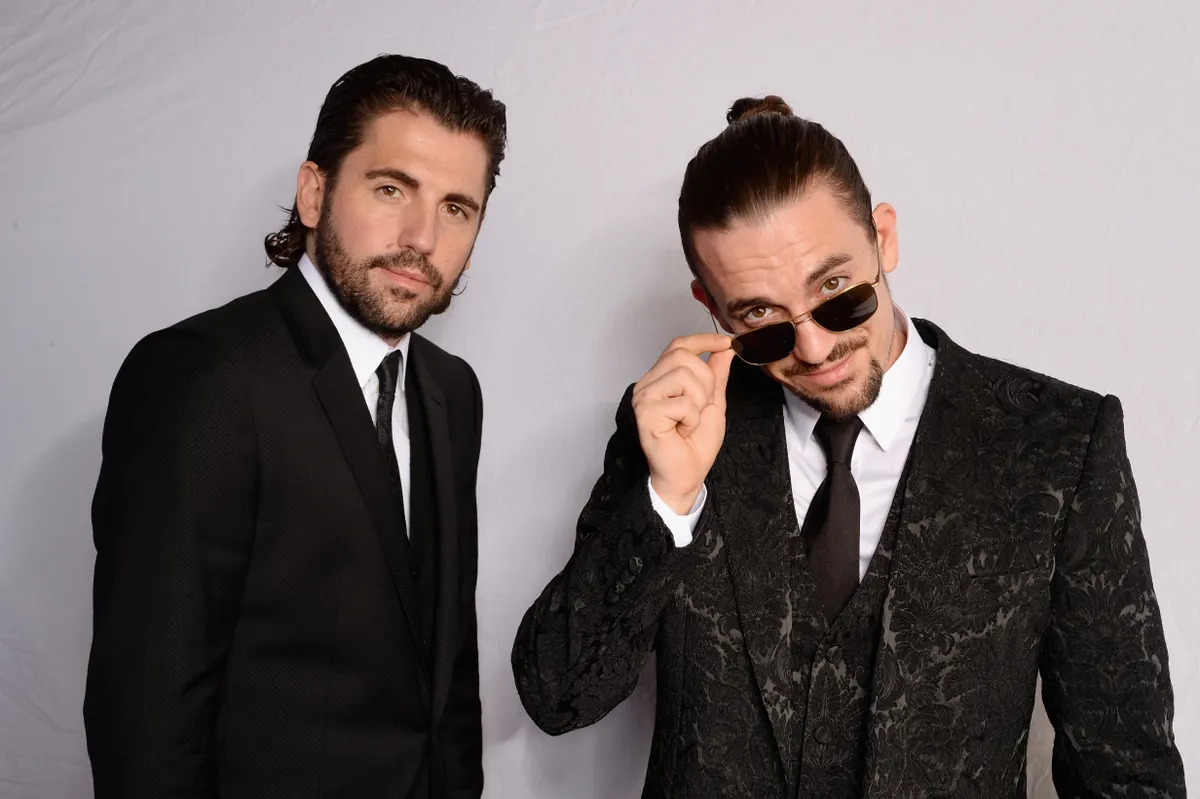
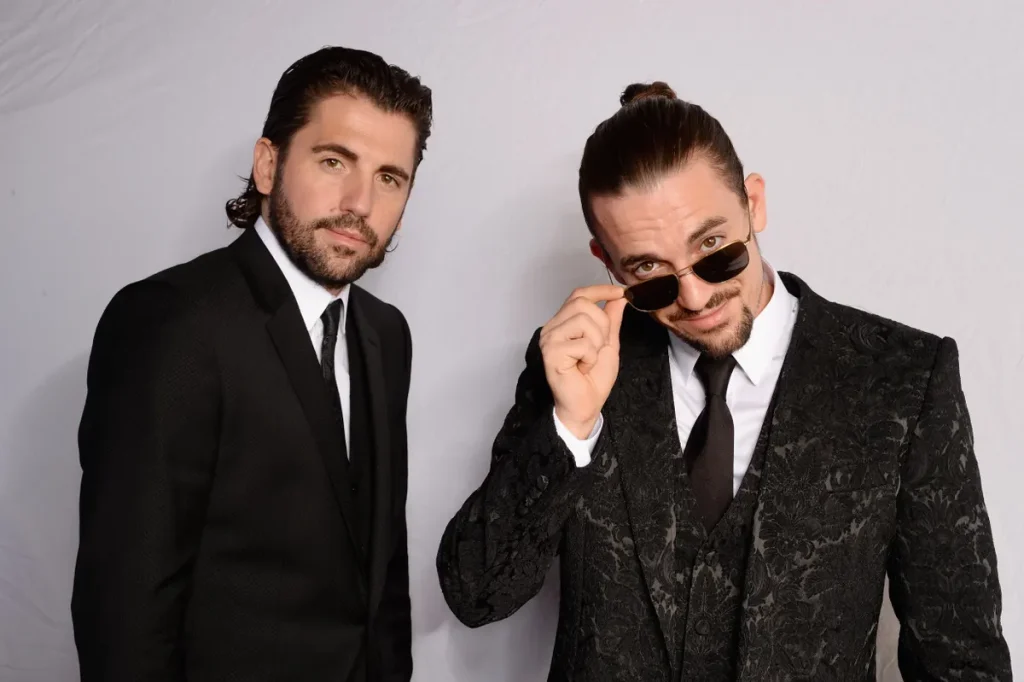
Dimitri Vegas & Like Mike are Belgian-Greek brothers Dimitri and Michael Thivaios, raised in Willebroek, Belgium. Dimitri began DJing locally as a teenager before travelling through European club destinations, including Mallorca, Greece and Ibiza. Michael developed as an MC, DJ and producer, and the brothers’ complementary roles eventually became the duo’s signature: Dimitri directs much of the mixing while Like Mike adds vocals and crowd interaction. Their career chronology identifies their late-2000s formation and the aliases used in early releases. Because this is a two-person act, any estimate must separate the duo’s combined commercial activity from each brother’s individual wealth.
Dimitri’s residencies in Mediterranean clubs provided practical experience before the brothers formalised the act. They released “Liquid Skies” under the DNM name in 2009, then established Smash the House. Early work was aligned with the emerging big-room sound: direct melodies, dramatic builds and drops designed for festival crowds. Apple Music’s artist account of Dimitri Vegas’s rise traces the breakthrough to the 2010 Tomorrowland anthem and later collaborations. Their Greek heritage and Belgian base also gave the brand a cross-border identity well suited to the international festival circuit.
The breakthrough years
The career decisions and defining moments that turned recognition into sustained earning power.
Tomorrowland commissioned the duo to create “Tomorrow (Give In to the Night)” for its 2010 edition. The relationship continued through further festival anthems and a resident-DJ role, giving them repeated exposure on one of dance music’s largest stages. “Chattahoochee” became a major Belgian chart success, while “Mammoth” and the Martin Garrix collaboration “Tremor” travelled far beyond the festival itself. A Billboard selection of their defining tracks places “Tremor” among their essential records. The breakthrough joined recordings, a visually intense stage show and a festival platform into one scalable touring proposition.

What the work can earn
Reported pay, contracts, royalties and performance income reveal how the fortune was funded.
The duo reached number one in DJ Mag’s Top 100 DJs poll in 2015 and again in 2019, with numerous other high finishes. “The Hum,” created with Ummet Ozcan, became their first Belgian number-one single; later releases connected them with Ne-Yo, David Guetta, Diplo, Gucci Mane, Daddy Yankee and other crossover names. Their DJ Mag 2019 number-one profile documents the second poll victory. The brothers have headlined Tomorrowland, EDC, Creamfields, Untold and other major festivals, and built recurring Ibiza engagements. These achievements support booking power but do not disclose what remains after promoter, agency and show-production costs.
Dimitri Vegas & Like Mike are among the acts most closely identified with Tomorrowland’s global expansion and the commercial big-room era. Their crowd-control routines, anthem writing and high-production sets made them recognisable beyond specialist listeners. The duo’s Tomorrowland artist page reflects that long association. Poll rankings are partly fan-voted and should not be treated as a financial statement, but they can influence headline placement, sponsor demand and festival negotiations. Recognition also attaches to both brothers jointly; it cannot safely be divided equally without knowing their partnership and company arrangements.

The business beyond the main career
Endorsements, ownership interests and investments can keep compounding long after the initial breakthrough.
The duo’s commercial collaborations often merge music, games and festival culture. Garena Free Fire introduced playable content based on the brothers and used their music in anniversary activity, demonstrating licensing value beyond a conventional advertisement. The Free Fire fourth-anniversary collaboration announcement describes their participation alongside Alok and KSHMR. They have also appeared in campaigns tied to nightlife, consumer brands and entertainment releases, but fees and revenue shares are private. The sales of a partner or game cannot be attributed to the artists, and a campaign’s visibility does not prove its net contribution after management and production costs.
Smash the House is the core business venture attached to the duo. Founded in 2010, the label releases their music and work by other electronic artists, extending activity into catalogue exploitation and artist development. The label’s documented corporate history records distribution relationships with Spinnin’ Records and Armada Music. Smash the House is a company and brand, not a bank account belonging personally and exclusively to either brother; ownership percentages, liabilities and distribution economics are not public. Related merchandise, events and publishing arrangements add possible income streams, while Dimitri’s acting roles and Like Mike’s solo releases create separate career activity.
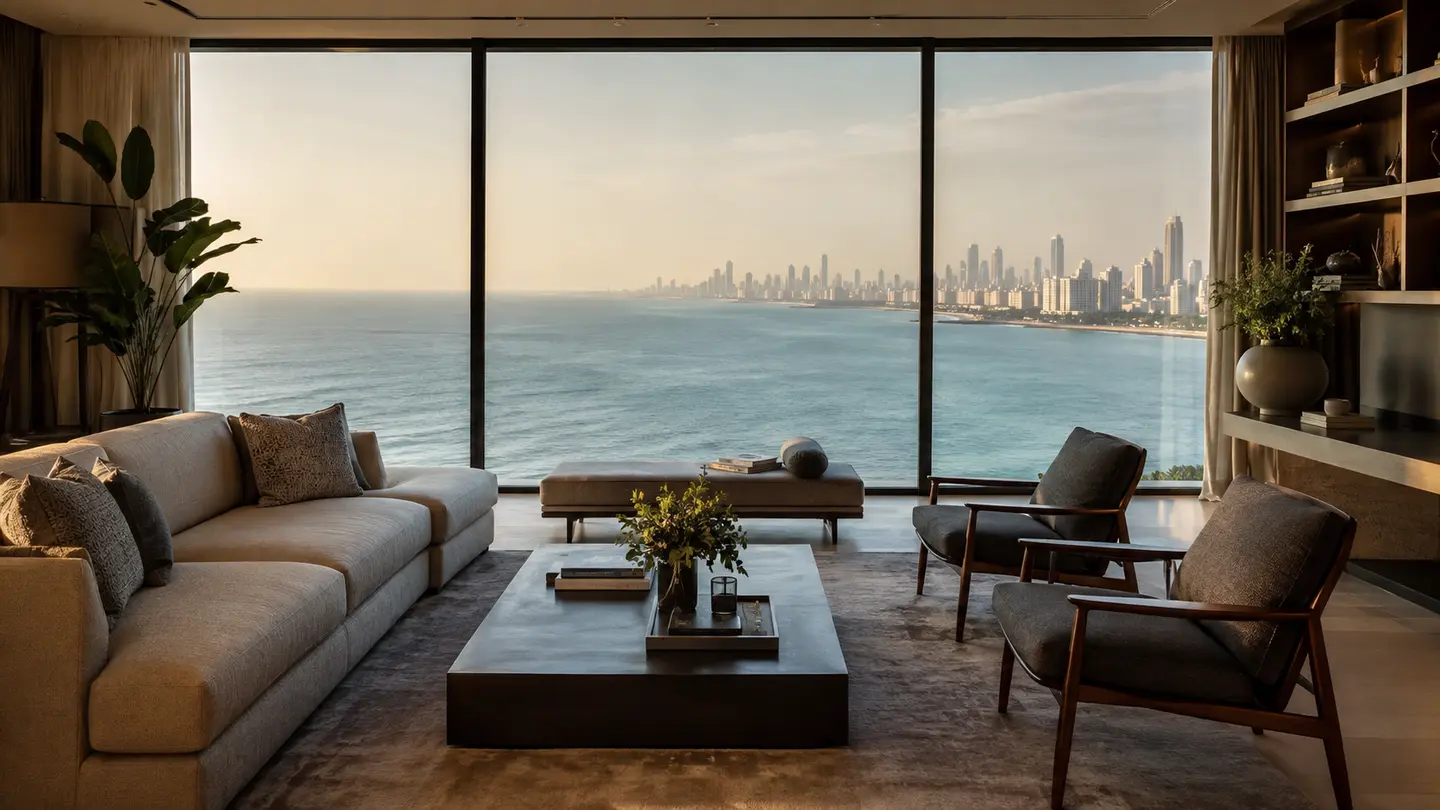
Notable luxury item
A reported property or major asset offers a tangible glimpse of the wealth behind the public estimate.
No dependable public record provides a complete inventory of both brothers’ homes, vehicles, investments or personal company shares. Festival stages, private aircraft seen during travel and Tomorrowland facilities belong to promoters, operators or charter providers unless documentation proves otherwise. Smash the House’s catalogue and offices are corporate assets whose value depends on ownership, contracts and liabilities. The act’s most plausible valuable rights include trademarks, royalty interests and participation in masters and publishing, but releases commonly involve co-writers, featured artists and labels. This article therefore excludes unverified luxury claims and does not treat duo-level assets as automatically split between Dimitri and Michael.
Dimitri Vegas & Like Mike’s estimated net worth
Public estimates vary because private contracts, investments, taxes and liabilities are not fully disclosed.
How this estimate is calculated
The calculation considers long-term headline touring, Ibiza residencies, Tomorrowland visibility, recording and publishing income, Smash the House participation, merchandise, gaming licences and separate creative work. It discounts gross receipts for the two-member split, agents, management, production teams, travel, tax, label partners and collaborators. It excludes the value of Tomorrowland and any assets belonging to Smash the House unless personally distributable ownership can be established. Because no audited personal accounts or reliable property schedule is public, the estimate is presented for the brothers combined and is necessarily broader than one for a single artist.
Dimitri Vegas & Like Mike’s combined estimated net worth is $35 million to $50 million. The range reflects elite festival fees, catalogue income and business activity accumulated by two artists, while recognising private ownership splits and heavy touring costs. It is not a verified joint balance sheet, and it should not be read as implying that each brother owns exactly half.
Their public image emphasises celebration, brotherhood and crowd participation. Tomorrowland’s charitable foundation and social projects sometimes overlap with events at which the duo performs, but foundation assets and donations are not the brothers’ property. They have participated in benefit events and pandemic-era digital performances, while maintaining a fan-facing identity built around accessibility and spectacle. Publicity can strengthen the act’s commercial durability, though it is not itself an asset. Like Mike’s temporary 2026 touring pause for health reasons, reported by LOS40’s account of his stage break, also showed that the brothers’ personal welfare and the duo’s schedule are distinct.
The duo has faced criticism common to peak-era EDM: debates over ghost production, aggressive microphone technique, DJ-poll campaigning and the line between spectacle and musicianship. Such claims require evidence and should not be converted into factual assertions about undisclosed production arrangements. Their high DJ Mag rankings have attracted both intense fan support and scepticism about popularity polls. More recently, Like Mike’s health-related absence changed performances but was presented as a temporary pause rather than a breakup. Financial scrutiny should likewise avoid assuming that festival prominence equals personally retained revenue; headline shows have substantial production, travel, staffing and representation expenses.