
 How Much Are They Worth?
Celebrity fortunes, explained






How did Curtis Sliwa build this fortune?
The answer unfolds through the career, earnings, deals and assets behind the headline estimate.
Curtis Sliwa before the fame
The background and early turning points that shaped Curtis Sliwa’s route to prominence.
Curtis Sliwa was born on 26 March 1954 in Brooklyn and grew up in Canarsie, the son of a merchant seaman and a homemaker of Polish and Italian descent. He attended Brooklyn Preparatory School and left before completing a degree.
His first job of note was managing a McDonald’s branch in the Bronx in the late 1970s, which is where the rest of his life started: the restaurant sat on a stretch where passengers were being robbed, and the volunteer patrol he organised among his staff became something much larger.
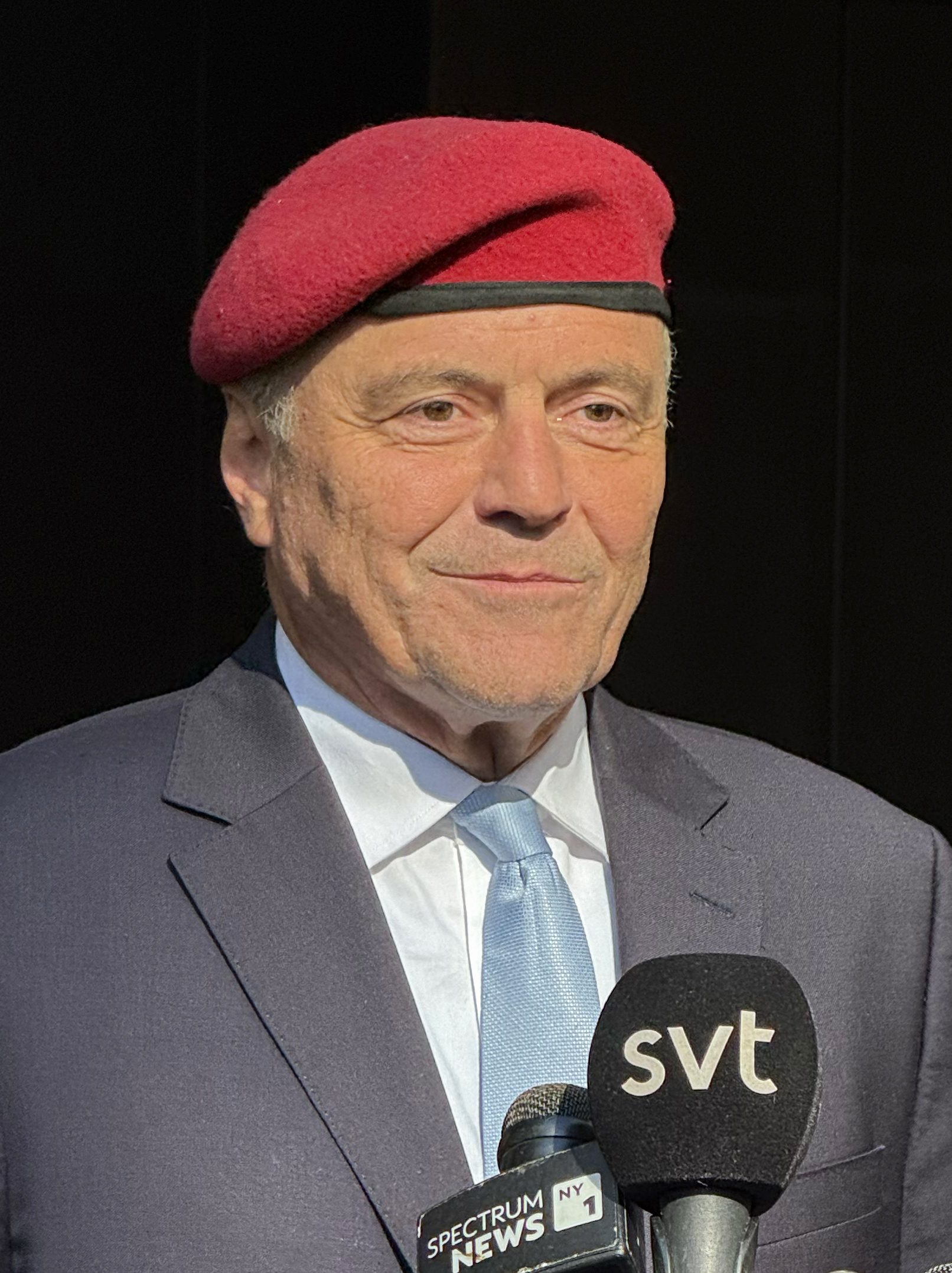
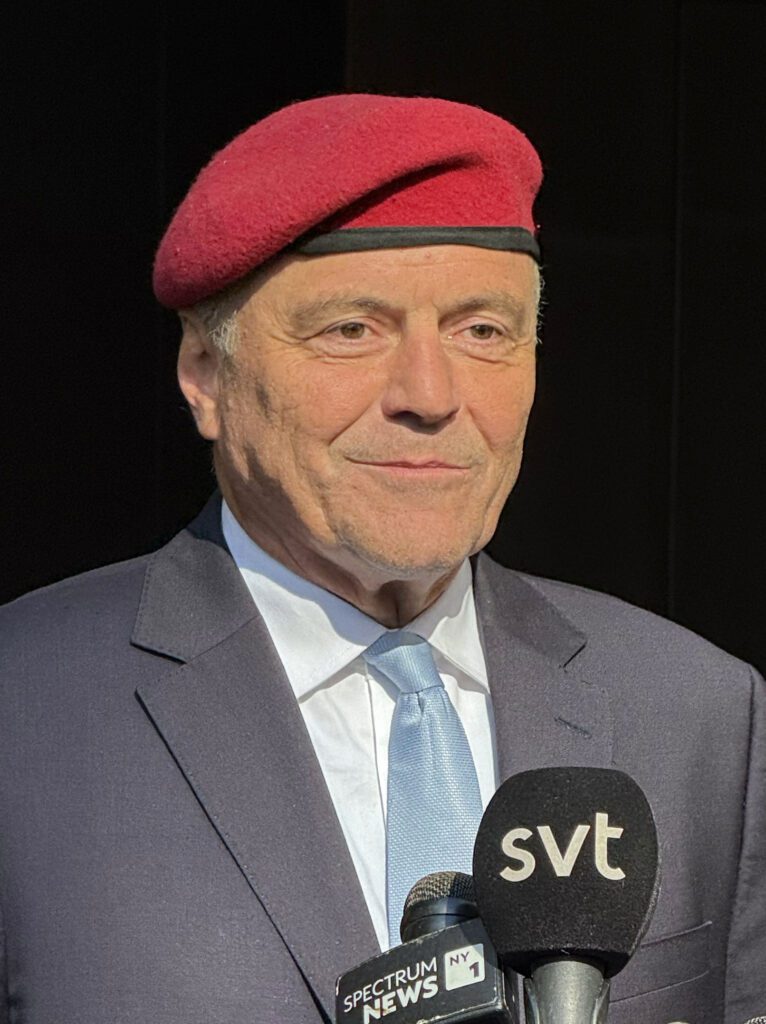
In 1979 he founded the group that became the Guardian Angels, starting with thirteen volunteers patrolling the number 4 train and expanding into chapters across American cities and abroad. The red beret became one of the most recognisable pieces of civic branding in New York.
It was never a salaried job. the Form 990 filings compiled by ProPublica show the Alliance of Guardian Angels, employer identification number 11-2592739, reporting Sliwa as president and recording $0 of compensation for him and for every other listed officer in every year on file. The charity’s revenue peaked at $681,140 in the year to June 2013 and had fallen to $252,054 by the year to June 2019.
Curtis Sliwa’s breakthrough years
The career decisions and defining moments that turned recognition into sustained earning power.
The money came from broadcasting. He moved into New York talk radio in the early 1990s and by 2000 was co-hosting a morning programme on WABC, the format that made him a paid professional rather than a volunteer organiser.
The clearest figure in his career comes from his own court papers. The Daily Beast reported that in resisting a child-support claim he set out that his WABC salary had been cut from $688,000 a year to $120,000. That upper figure is the peak of his earning power and the lower one is the floor after the station restructured. Working outwards from them, we put his broadcasting income at $1.2 million to $2 million across the 1990s, $4 million to $6 million across the 2000s when the morning show was at its height, and $2.5 million to $4 million across 2011 to 2025, a total of roughly $8 million to $12 million gross.

What Curtis Sliwa’s work can earn
Reported pay, contracts, royalties and performance income reveal how the fortune was funded.
The Guardian Angels grew to chapters in dozens of cities and was imitated across three continents; it is the achievement his name carries. He has also been one of the longest-serving voices in New York talk radio, holding a slot on the same station across four decades.
He stood as the Republican candidate for mayor of New York twice. In 2021 he took a little over a quarter of the vote against Eric Adams. In 2025 he polled 153,749 votes, or about 7 per cent, in the race won by Zohran Mamdani, as ABC News reported. Candidates for city office in New York are not paid, so neither campaign produced income; the figures involved were campaign money, not his.
The beret, the patrols and the radio slot have made him a recognisable New York figure for more than forty years, and recognition at that level is ordinarily monetisable. In his case it has translated into broadcast work and appearance fees rather than into endorsements or merchandise.
He remains a regular on New York and national news panels, where a contributor of his standing is paid $500 to $2,500 an appearance when the booking is not part of a staff contract. We put that strand at $200,000 to $500,000 across his career.

Curtis Sliwa’s business beyond the main career
Endorsements, ownership interests and investments can keep compounding long after the initial breakthrough.
Host-read advertising on his programmes was sold by the station, so the revenue belonged to WABC and reached him only through his salary. The endorsement value his recognition carried was captured by the station rather than by him.
What he has done is lend his name to public-safety campaigns and local causes, generally without a fee. On the commercial side we carry nothing beyond the appearance work already counted, because adding a notional endorsement line to this balance sheet would overstate it.
What the name sits on is a volunteer patrol organisation rather than a trading company, which is part of why four decades of fame produced relatively little capital.
His one commercial structure of substance was his radio contract, held as an employee rather than through a company. Bloomberg reported in October 2025 that he had quit WABC during the mayoral campaign, saying he would never be seen in its studios again, which removed his principal source of income at a stroke.

Curtis Sliwa’s notable luxury item
A reported property or major asset offers a tangible glimpse of the wealth behind the public estimate.
He has lived for years in a modest Manhattan apartment rather than in property of investment scale, a point he made repeatedly during both mayoral campaigns. What the public record does show is a renter’s balance sheet: income from broadcasting and the patrols, held as savings rather than as property.
That shapes the whole estimate. His assets are retained earnings from broadcasting, held in savings and retirement accounts rather than in appreciating property, which means the figure below is close to what thirty-five years of salary left after tax and obligations rather than a multiple of it.
Curtis Sliwa’s estimated net worth
Public estimates vary because private contracts, investments, taxes and liabilities are not fully disclosed.
How this estimate is calculated
Three sets of filings anchor this. The charity’s Form 990s record $0 of compensation to him in every year available and revenue falling from $681,140 in 2013 to $252,054 in 2019. His own court submissions put his WABC salary at $688,000 and then at $120,000. The Campaign Finance Board records $6,968,521 of receipts and $7,272,039 of disbursements on the 2025 campaign, none of which is his money. The year-by-year radio income below is our own estimate anchored on those two salary figures.
The arithmetic. Broadcasting, 1990 to 2025: $8 million to $12 million gross. Panel and appearance fees: $200,000 to $500,000. Guardian Angels: nil. Career gross: $8.2 million to $12.5 million. A combined federal, New York State and New York City effective rate near 42 per cent leaves about $4.8 million to $7.3 million retained. Against that sit the support obligations entered into in 2012, which at $144,000 a year amount to roughly $1.6 million to $2 million over the period whether paid on time or claimed as arrears, and more than thirty years of Manhattan living costs met entirely out of salary.
That leaves a working range of $1.5 million to $4.5 million, and we publish its midpoint. The figure turns on the fifteen years after the pay cut: if his post-2011 radio income sat nearer the $120,000 floor than the $250,000 we have allowed, this number halves, and the docket in the 2023 arrears claim is the one document that would settle both that question and how much of the support obligation was actually discharged.
Confidence: Partly documented — the charity’s filings, the campaign accounts and two salary figures from his own court submissions are all on the record, while the thirty-five-year earnings profile between them is our estimate.
His philanthropy and his career are the same thing: four decades of unpaid work for the organisation he founded, documented in its own filings as $0 of officer compensation. The volunteer patrols, the youth programmes and the chapter network were funded by donations he raised rather than by money he took out.
The public image — beret, bombast, cats, Canarsie — has been remarkably stable. It is also the reason his earning power was concentrated in broadcasting, which pays for a recognisable voice, rather than in the corporate work that pays for a reassuring one.
In November 1992 he acknowledged that he had fabricated about half a dozen early incidents, including a claimed kidnapping and several subway rescues, to generate publicity for the Guardian Angels. the Baltimore Sun reported the admission at the time and Gothamist has since set out the sequence in detail; he said the hoaxes had ended in 1980.
His finances have also been examined in court. Following his 2012 divorce he agreed to pay $144,000 a year in child support, and in April 2023 a claim was filed in the New York Supreme Court alleging arrears of more than $530,000, which is the proceeding in which his radio salary figures were disclosed. Separately, the New York City Campaign Finance Board records his 2025 mayoral committee closing with outstanding liabilities of $337,923 against a negative balance of $303,518 — campaign obligations rather than personal ones.