 How Much Are They Worth?
Celebrity fortunes, explained





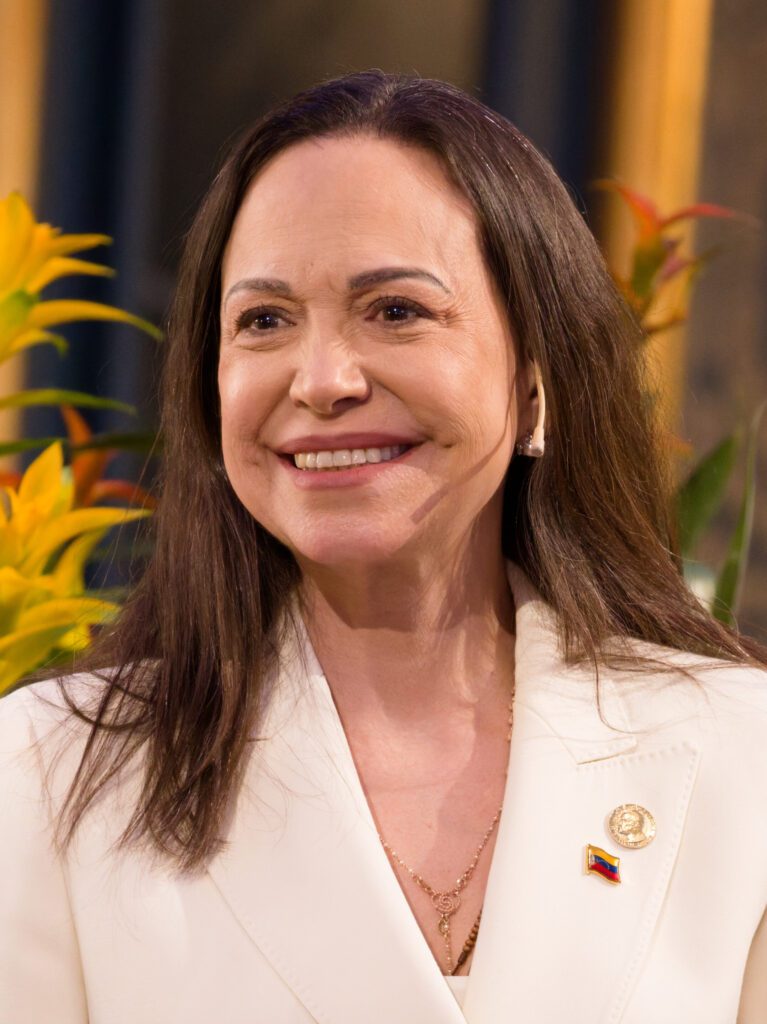
How did María Corina Machado build this fortune?
The answer unfolds through the career, earnings, deals and assets behind the headline estimate.
María Corina Machado before the fame
The background and early turning points that shaped María Corina Machado’s route to prominence.
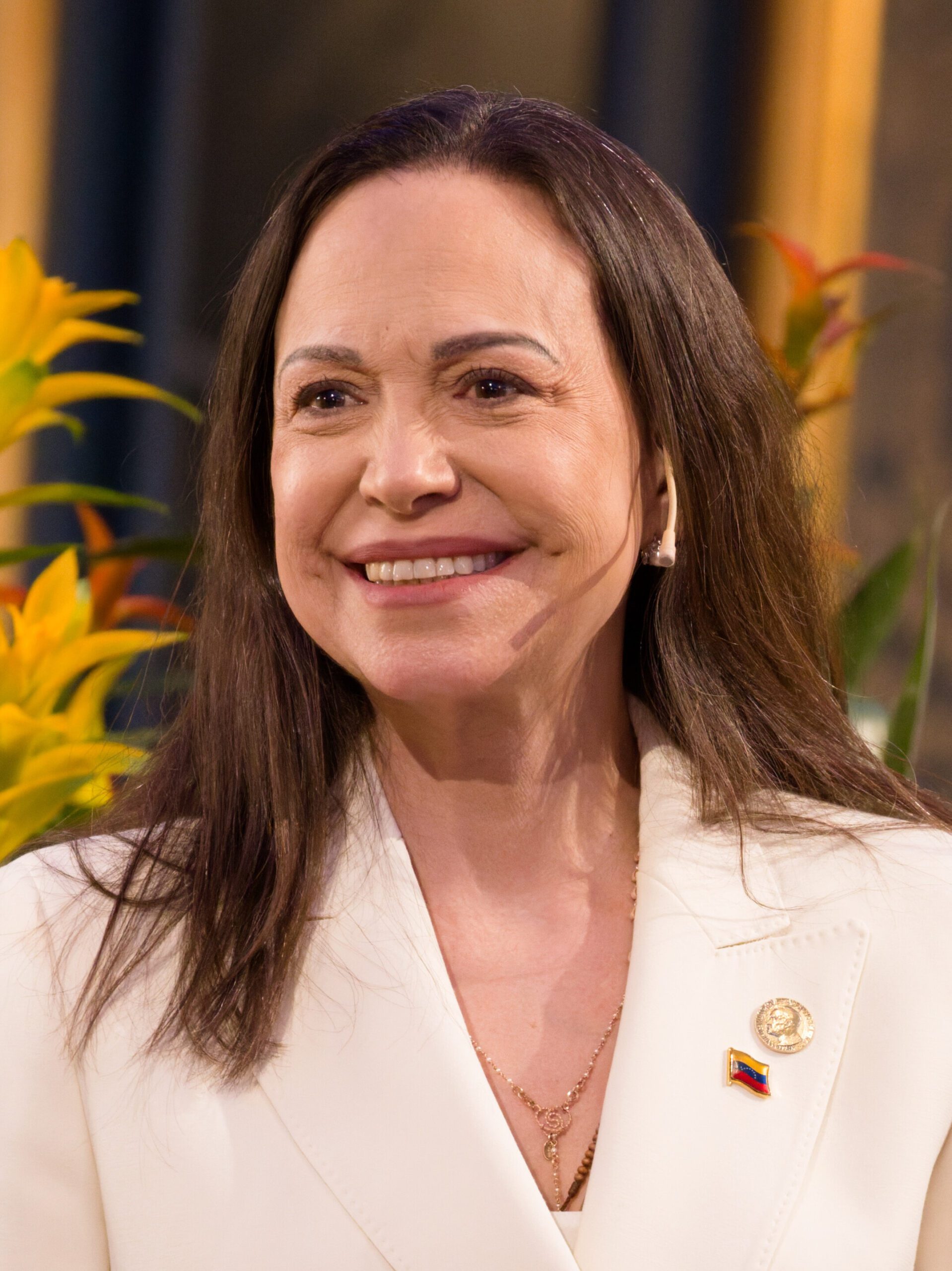
María Corina Machado Parisca was born in Caracas on 7 October 1967. Her father, Henrique Machado Zuloaga, was a steel industrialist; her mother, Corina Parisca Pérez, is a psychologist. The family name belongs to one of Venezuela’s established industrial households, and that is the financial starting point for anyone trying to work out what she personally holds.
It is also where the difficulty begins. Venezuela keeps no asset register for public figures, the bolívar has been through repeated redenominations, and Caracas property is priced in a market that bears little relation to comparable cities. Everything below is built from the figures that are on the record, with our own arithmetic doing the rest.
She took a degree in industrial engineering at Andrés Bello Catholic University and then a postgraduate specialisation in finance at IESA, the Caracas business school, before going to work at Sivensa, the family steel company, as Al Majalla records. In 1992 she set up the Atenea Foundation, which worked with children living on the streets of Caracas.
That decade is the only stretch of her working life spent in ordinary salaried employment. An engineer with a finance postgraduate qualification inside a Venezuelan industrial group in the 1990s would have been paid, in dollar terms at the official rate of the day, something in the region of $30,000 to $60,000 a year. Across roughly eight years that is about $350,000 gross — our estimate, built from the role and the period rather than from a payslip.
María Corina Machado’s breakthrough years
The career decisions and defining moments that turned recognition into sustained earning power.
In 2002 she co-founded Súmate, a non-governmental organisation working on electoral transparency, and in 2010 she was elected to the National Assembly with one of the largest personal votes of that election. She was removed from her seat in 2014 after addressing the Organization of American States.
Public office in Venezuela is not a route to wealth. A deputy’s salary in that parliament, converted at the official exchange rate of the time, worked out at roughly $40,000 to $60,000 a year, so her three and a half years in the Assembly paid on the order of $170,000 — again our estimate. Added to the Sivensa years, her career income before 2024 comes to around $500,000 gross across two decades, which is less than a single year of the prize money that arrived later.

What María Corina Machado’s work can earn
Reported pay, contracts, royalties and performance income reveal how the fortune was funded.
The documented money in her financial life is prize money, and it is substantial. In October 2024 the European Parliament named her and Edmundo González Urrutia as the Sakharov Prize laureates; France 24 put the award at €50,000, shared between them, with the ceremony held that December.
On 10 October 2025 the Norwegian Nobel Committee awarded her the Nobel Peace Prize for her work promoting democratic rights for the people of Venezuela. CBS News reported the award at 11 million Swedish kronor, more than $1 million. The prize was presented in Oslo on 10 December 2025 and accepted on her behalf by her daughter; CNN reported that Machado reached Oslo hours afterwards, having left Venezuela with American assistance. Those two awards, taken together, are worth roughly twice everything her engineering and parliamentary careers paid her.
Before the Nobel she had already collected a long list of international awards, and the 2024 Sakharov Prize placed her among the European Parliament’s laureates. The 2025 citation is the one that changed her financial position, the Peace Prize being among the few honours in public life with seven figures attached.
Recognition of that kind also creates earning capacity that did not exist before: lecture fees, book advances and fellowship stipends are the standard sequel for a Nobel laureate. In her case the timing is complicated by circumstance, and we treat that future income as potential rather than counting it.

María Corina Machado’s business beyond the main career
Endorsements, ownership interests and investments can keep compounding long after the initial breakthrough.
This section is short by the nature of the career. Commercial endorsement is not part of the financial life of a politician in her position, and she has taken none: there is no brand work, no ambassadorship and no sponsored platform anywhere in the record.
What exists instead is the non-commercial equivalent: institutional awards, prize funds and grant income that has flowed to the organisations she has led rather than to her. Keeping those apart matters here, because money that reached Súmate has at times been treated as though it reached her.
The family’s industrial interests are the backdrop to her name rather than a business she runs. Sivensa employed her early in her career; she has not been an operating executive or proprietor since, and Vente Venezuela, the political movement she founded in 2012, is a party rather than a company.
Any inherited interest in the family’s industrial holdings is the one component we leave unsized: Venezuelan steel assets have been through nationalisation, currency collapse and two decades of contraction, and a percentage of an unlisted holding in that condition could be worth very little or several million dollars. A number would be arithmetic dressed up as knowledge.
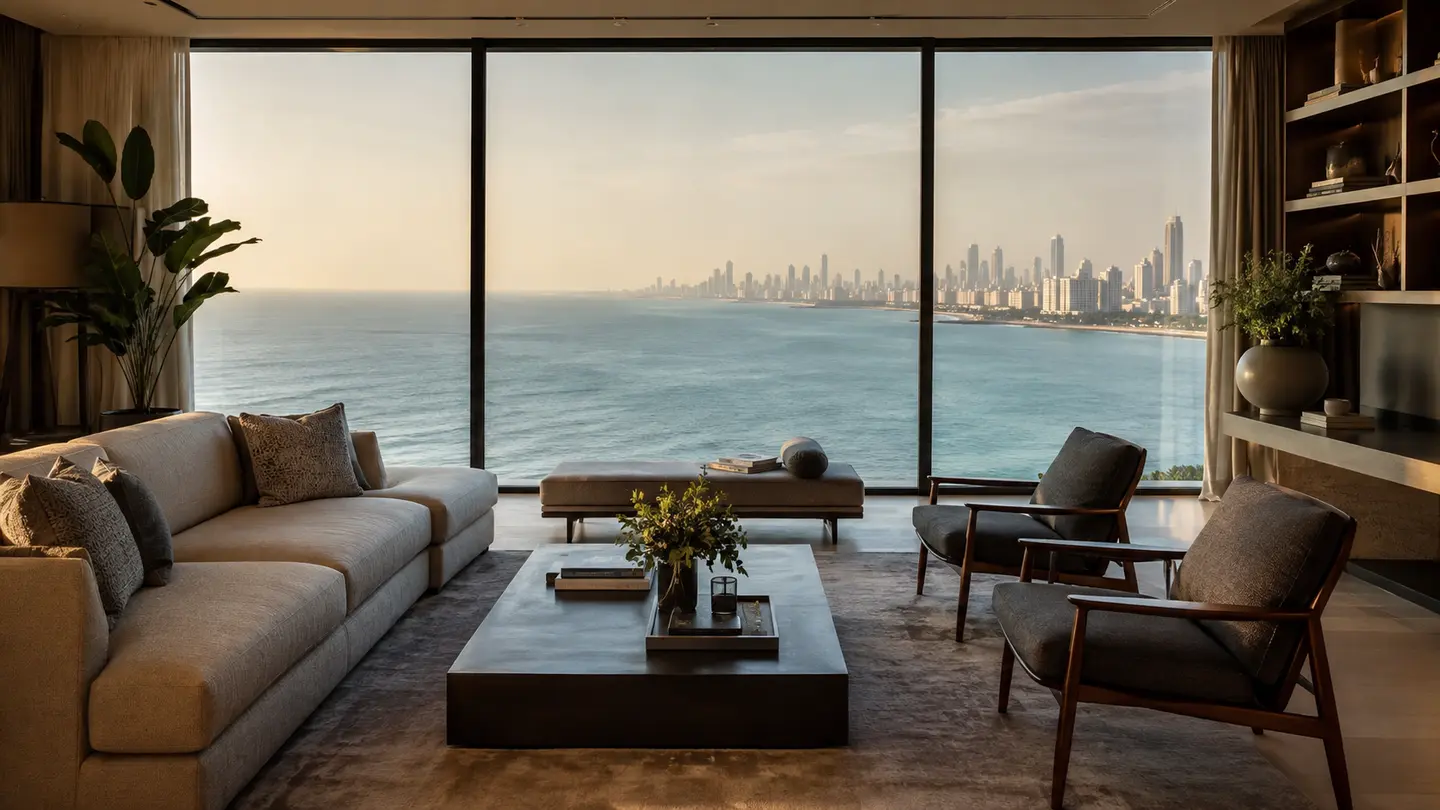
María Corina Machado’s notable luxury item
A reported property or major asset offers a tangible glimpse of the wealth behind the public estimate.
Her assets are Venezuelan, which makes them hard to value and harder still to realise. A family home in Caracas of the kind her background implies would be worth $300,000 to $700,000 in the current market, a fraction of what the same house would fetch in Bogotá or Panama City, and far below what it was worth twenty years ago.
Against that sits the prize money, which is held outside the country in hard currency and is therefore the most liquid and most reliable part of her balance sheet. We carry the Nobel and Sakharov proceeds at about $1.15 million after any deductions, plus accumulated savings from the earlier career at $200,000 to $500,000.
María Corina Machado’s estimated net worth
Public estimates vary because private contracts, investments, taxes and liabilities are not fully disclosed.
How this estimate is calculated
Two figures are documented and do most of the work: the Nobel Peace Prize at 11 million Swedish kronor, worth more than $1 million per CBS News, and a share of the €50,000 Sakharov Prize. Call the two together about $1.15 million. To that we add our estimate of her earlier career income — roughly $350,000 from the Sivensa years and about $170,000 from the parliamentary term, of which accumulated savings plausibly represent $200,000 to $500,000 today after two decades of Venezuelan inflation and currency reform.
Property in Caracas we carry at $300,000 to $700,000, and an inherited interest in the family’s industrial holdings we leave out of the total rather than guess at. Summed, the working supports a range of $1.7 million to $3.4 million, and the published figure is the centre of that band, rounded to the nearest level we publish at. The main assumption is that the prize money is held personally rather than having been assigned onward.
That assumption is the figure’s weakest point. If Machado has directed the Nobel award into the organisations she works with — which laureates in comparable positions have often done — the personal number falls by close to half, and what remains is a Caracas house and the savings of an engineer. A statement from Machado about where the Nobel money has gone would move this estimate further than anything else on the record about her.
Confidence: Partly documented — the two prize funds are published amounts, while the career income, the Caracas property and the savings position are our estimates.
The Atenea Foundation, set up in 1992, is the longest-running item in her public life and predates the politics by a decade. It worked with children in Caracas at a time when she was an engineer in a family firm rather than a public figure, and it is the reason the philanthropic thread in her biography is not a later addition.
Her image internationally rests on the awards and on having remained in Venezuela through the period after the 2024 presidential election, when she announced that she was going into hiding, citing fears for her safety. Domestically she is among the most recognised figures in the country.
The scrutiny directed at her has repeatedly been financial in form. In 2005 she and three Súmate colleagues were charged with conspiracy over a $31,000 grant the organisation had received from the National Endowment for Democracy, the United States congressionally funded body; Al Jazeera reported the charges at the time, and Súmate said the money had paid for voter education courses. She remained in public life and was elected to the National Assembly five years later.
She was removed from her Assembly seat in 2014, and in 2023 the comptroller general barred her from holding public office, a decision upheld by the Supreme Tribunal in January 2024. These are matters of the public record and are set out here as such.