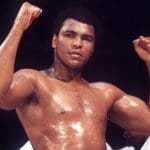
How did Christina Hammer build this fortune?
The answer unfolds through the career, earnings, deals and assets behind the headline estimate.
Before the fame
The background and early turning points that shaped Christina Hammer’s route to prominence.
Hammer was born in what is now Kazakhstan and grew up in Germany. She began kickboxing before moving into amateur boxing, then entered the professional ranks as a teenager; the WBO’s coverage identifies her long association with its middleweight championship, while WBC coverage records her standing in the division.
She won her first world title in 2010 at age 20 and developed a technically controlled, long-range style. Her professional record and bout history are listed by BoxRec, the standard independent boxing record database. By the end of her original unbeaten run she had accumulated title defences in Germany and elsewhere, giving her recurring television and event income rather than a single championship payday.
The breakthrough years
The career decisions and defining moments that turned recognition into sustained earning power.
The WBO middleweight title turned Hammer into one of Germany’s leading female fighters. She defended it repeatedly and later added a super-middleweight belt, building a championship résumé over many years rather than around one isolated event.
What the work can earn
Reported pay, contracts, royalties and performance income reveal how the fortune was funded.
Hammer unified middleweight belts and eventually faced Claressa Shields for the undisputed championship in Atlantic City in 2019. The result and historical significance of that bout are documented by ESPN. The contest was televised by Showtime and consolidated four middleweight belts, making it the clearest candidate for the largest purse of Hammer’s career, although neither fighter’s pay was officially disclosed.
Fight purses, win and championship payments, sponsorships, appearances and modelling formed the main income channels. German television exposure across repeated title defences likely made those bouts commercially more valuable than ordinary undercard appearances, but it does not disclose Hammer’s share. Because most purses were not publicly reported, it would be unreliable to multiply her number of bouts by modern headline paydays from a different era.
The business beyond the main career
Endorsements, ownership interests and investments can keep compounding long after the initial breakthrough.
Hammer worked with sportswear and fitness brands, including an association reported by Anita. Such partnerships added income and visibility, although the contract values were private.
She also lent her name to an online-casino venture that pledged part of income to boxing charities. World Boxing News described the WBC Cares connection. Public reporting does not establish the venture’s profitability or Hammer’s eventual proceeds.
Notable luxury item
A reported property or major asset offers a tangible glimpse of the wealth behind the public estimate.
No reliable public register reveals a complete property, investment or debt position. Training camps, promoters, managers, travel and tax reduce gross boxing income, while the scale of sponsorship and modelling fees is unknown.
Christina Hammer’s estimated net worth
Public estimates vary because private contracts, investments, taxes and liabilities are not fully disclosed.
How this estimate is calculated
HMW separates Hammer’s 20 championship bouts from her lower-profile contests rather than applying one profession-wide purse assumption. The model allows modest six-figure gross income across an average championship year during her peak, a larger but still restrained contribution from the Showtime unification event, and smaller amounts for modelling, endorsements and later fights. It then removes a substantial share for promoters, management, camps, travel and tax across more than a decade. No sale value is assigned to the casino venture because revenue and ownership were never disclosed. This scenario supports the final figure, but its confidence remains lower than an estimate based on official purses.
Her visibility was strongest in Germany, where she combined boxing with modelling and fitness media. A Maxim profile highlighted the crossover between championship sport and commercial modelling.
The record, title history and commercial partnerships are verifiable, but the financial evidence is materially thinner than for athletes in leagues that publish earnings. BoxingScene reported a return after more than three years away in its 2025 update, illustrating that even her retirement status has changed over time.

JavaScript is off, so all sections are displayed together.