 How Much Are They Worth?
Celebrity fortunes, explained
How Much Are They Worth?
Celebrity fortunes, explained

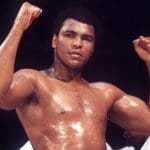







How did Deontay Wilder build this fortune?
The answer unfolds through the career, earnings, deals and assets behind the headline estimate.
Before the fame
The background and early turning points that shaped Deontay Wilder’s route to prominence.
Deontay Wilder won Olympic bronze in 2008 and held the WBC heavyweight title from 2015 until 2020. The IOC athlete record confirms the medal behind his “Bronze Bomber” identity. Wilder’s estimate is built around disclosed commissions and Forbes’ event-specific income rather than knockout totals. His elite peak was lucrative but shorter and less commercially diversified than several heavyweight peers, which is central to the retained-assets calculation.
Wilder entered boxing to provide for a daughter born with spina bifida, progressed rapidly as an amateur, and turned professional in late 2008. His professional record shows a long knockout run before he outpointed Bermane Stiverne for the WBC title in January 2015. Early undercard purses were modest. HMW therefore places little financial weight on the first half of the record and concentrates on title defenses and pay-per-view events.
The breakthrough years
The career decisions and defining moments that turned recognition into sustained earning power.
The Stiverne victory began a five-year title reign. The WBC’s champion profile records his place in the sanctioning body’s heavyweight history. Wilder made ten successful defenses, including two victories over Luis Ortiz, before meeting Tyson Fury. Premier Boxing Champions’ fighter profile documents the championship path. The December 2018 Fury draw carried a $4 million commission-reported base purse, with upside estimates around $10 million to $14 million.

What the work can earn
Reported pay, contracts, royalties and performance income reveal how the fortune was funded.
The Fury trilogy defined Wilder’s financial peak. Forbes reported that the February 2020 rematch paid him roughly $25 million. Its 2020 profile put total annual earnings at $46.5 million and identified the rematch as his largest payday. Wilder lost the rematch and the 2021 third bout documented by BBC Sport, then returned for selected heavyweight events. These figures are gross compensation, not evidence that the same amount remained after tax and training costs.
Fight guarantees and PPV participation dominate. Besides the two best-documented Fury paydays, Wilder received meaningful purses for Ortiz, Dominic Breazeale, Robert Helenius and later international bouts. The first Fury event’s commission figure and Forbes’ $25 million rematch estimate provide hard anchors; other reports receive discounts where they do not separate guarantee from projected backend. A career ledger built this way is more conservative than adding every “could earn” headline.

The business beyond the main career
Endorsements, ownership interests and investments can keep compounding long after the initial breakthrough.
Everlast was Wilder’s most visible long-running equipment sponsor, supplemented by appearances and fight-week brand work. Forbes’ 2020 earnings coverage supports the scale of his peak year but indicates that boxing, not endorsements, supplied the overwhelming majority. HMW therefore assigns only a modest cumulative value to commercial work and does not assume a hidden eight-figure sponsorship portfolio.
Wilder worked within the Premier Boxing Champions ecosystem and his own team participated in event negotiations, but no public filing or sale establishes a valuable independent promotion company. Property and private investments are possible, yet their scale and ownership are not disclosed. The estimate recognizes investable capital generated during the Fury cycle while assigning no speculative enterprise value to a nickname, social account or unpriced private venture.

Notable luxury item
A reported property or major asset offers a tangible glimpse of the wealth behind the public estimate.
Wilder has supported a large family and maintained homes and training expenses in Alabama and elsewhere. His later career included inactivity and losses, while purses were still subject to federal and state tax, adviser percentages and full heavyweight camps. Liabilities, mortgages and portfolio performance are private. Visible vehicles and jewellery are treated at conservative resale values, not purchase prices, and no unsupported property list is added.
Deontay Wilder’s estimated net worth
Public estimates vary because private contracts, investments, taxes and liabilities are not fully disclosed.
How this estimate is calculated
HMW builds a bout ledger starting with the two Forbes-supported Fury events, then adds conservative guarantees for major defenses, the third Fury bout and later appearances. It deducts federal and applicable state tax, manager and adviser participation, camps and long-term personal consumption. A restrained return is applied to the portion plausibly invested, with small allowances for property equity and commercial income. No profession-based multiplier or undocumented business valuation is used.
Wilder’s knockout reputation and outspoken promotion made him a US heavyweight attraction. The Fury rivalry expanded his audience in Britain and internationally, but his commercial platform remained tied primarily to fights rather than a large media company. ESPN’s trilogy timeline verifies the chronology. Social reach supports appearances and sponsor value, but HMW does not monetize followers as an asset.
Forbes’ $46.5 million 2020 income and $25 million rematch purse are the strongest numerical evidence. The $4 million first-fight base is a commission disclosure, but backend estimates vary. Later Saudi and international purse reports are less transparent. HMW removes overlap between annual totals and individual fights, applies higher uncertainty discounts to projected PPV shares, and avoids treating PBC event revenue as Wilder’s own.