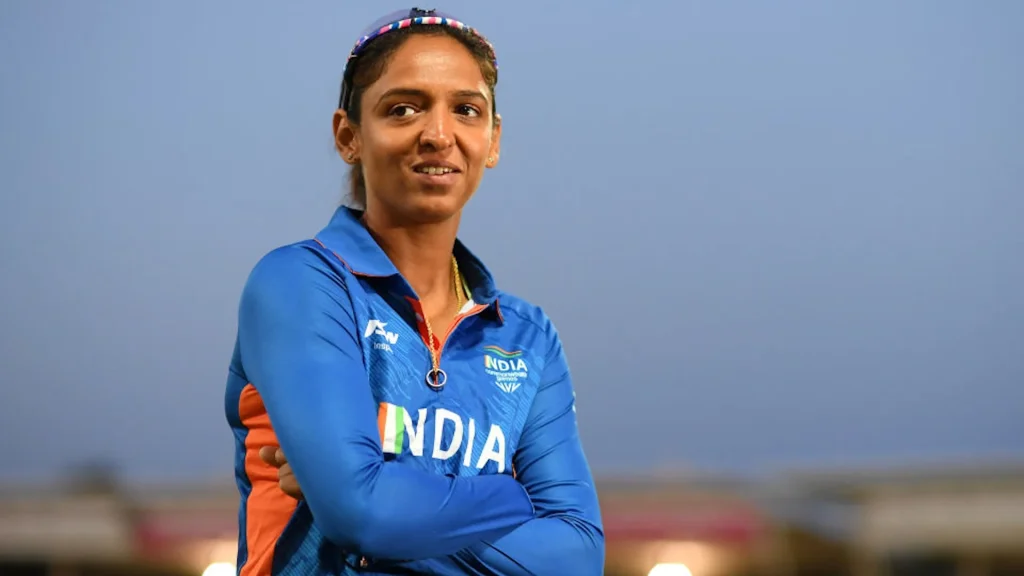
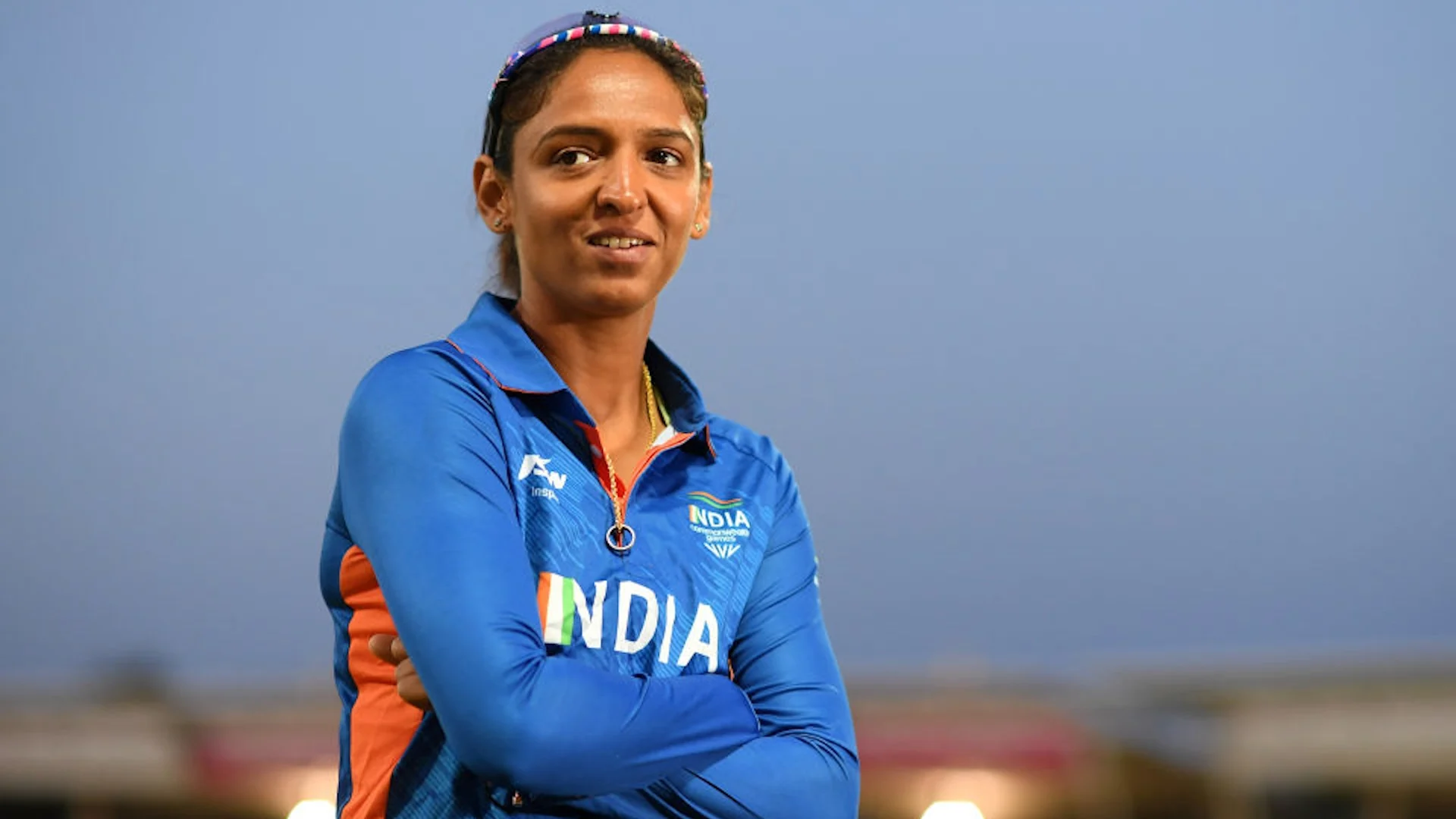
How did Harmanpreet Kaur build this fortune?
The answer unfolds through the career, earnings, deals and assets behind the headline estimate.
Before the fame
The background and early turning points that shaped Harmanpreet Kaur’s route to prominence.
Born in Moga, Punjab, in 1989, Kaur trained at the Gian Jyoti School Academy and made her India debut in 2009. She later became the first Indian woman signed to Australia’s Women’s Big Bash League. The ICC reported that her Sydney Thunder season included an average near 60 and nine wickets, providing early overseas income and experience before the WPL existed.
The defining breakthrough was her unbeaten 171 from 115 balls against Australia in the 2017 World Cup semifinal. The ICC’s match report records seven sixes and India’s 36-run win. That innings sharply increased her profile in India, but HMW values its financial effect through later contracts and endorsements rather than inventing a fee for a famous performance.
The breakthrough years
The career decisions and defining moments that turned recognition into sustained earning power.
Kaur became India’s long-term T20I captain and later assumed wider leadership responsibilities. She led India to the 2020 T20 World Cup final and a silver medal at the 2022 Commonwealth Games. Her 2017 tournament performance also earned selection in the ICC’s official team of the World Cup. Leadership supports contract continuity, though captaincy itself is not treated as a separate asset.
What the work can earn
Reported pay, contracts, royalties and performance income reveal how the fortune was funded.
The BCCI classed Kaur as a Grade A player. Its 2020–21 retainership announcement set Grade A pay at ₹50 lakh, and the 2024–25 announcement again lists her in Grade A. Retainers sit alongside match fees and bonuses; they do not include WPL, overseas-league or endorsement income.
HMW’s cricket-income model combines Grade A retainers, international match fees, overseas WBBL experience and WPL contracts. It does not treat team bonuses as guaranteed unless reported, and it does not assume the 2023 WPL price applied before the league existed. Gross amounts are reduced for tax, agent commissions, fitness and travel. The result recognises career longevity without applying men’s IPL economics to women’s cricket.
The business beyond the main career
Endorsements, ownership interests and investments can keep compounding long after the initial breakthrough.
Puma appointed Kaur as an India brand ambassador in 2023. Hindustan Times reported that she would promote footwear, apparel and accessories in year-round campaigns. Other partnerships have included sports, nutrition and consumer brands. Prices are generally confidential, so HMW uses a conservative cumulative allowance rather than a fabricated rate per logo.
Her commercial demand increased again after India’s 2025 World Cup success. The Economic Times reported that her portfolio had contained more than eight brands and her manager expected further growth. Those future offers are not booked as completed wealth; only an allowance for contracts reasonably active by the valuation date is included.
Notable luxury item
A reported property or major asset offers a tangible glimpse of the wealth behind the public estimate.
Public reporting identifies homes in Moga and Mumbai and personal vehicles, but not purchase deeds, mortgages or sole ownership. IndiaTimes’ financial overview cited a ₹50 lakh BCCI salary, league income and endorsement fees. HMW uses the income components as cross-checks but does not copy its wealth conclusion or assign full retail prices to reported cars.
Harmanpreet Kaur’s estimated net worth
Public estimates vary because private contracts, investments, taxes and liabilities are not fully disclosed.
How this estimate is calculated
HMW models the long pre-WPL period from BCCI retainers, match fees and overseas-league work, then separately adds the documented step-up from the ₹1.8 crore WPL contract and later sponsorship activity. It applies deductions for Indian tax, representation, training, travel and spending and includes only modest property and investment retention. No expected future endorsements or men’s-cricket comparison premium is added, producing a rounded figure close to but cautiously above older evidence-based estimates.
The WPL materially changed the scale. Mumbai Indians bought Kaur at the inaugural 2023 auction and made her captain; the league’s official auction page confirms the team allocation. Contemporary reporting placed the contract at ₹1.8 crore. She then captained Mumbai to the first WPL title, creating a recurring league income stream several times larger than the older annual BCCI retainer.
The evidence is strongest for the historic BCCI Grade A amount and the existence of WPL and Puma contracts. WPL auction pricing reported outside the league page and private endorsement terms are less certain. The recent acceleration in women’s cricket means a peak annual rate is particularly misleading when applied to a career beginning in 2009. No audited personal accounts, property schedule or investment portfolio is public.

JavaScript is off, so all sections are displayed together.