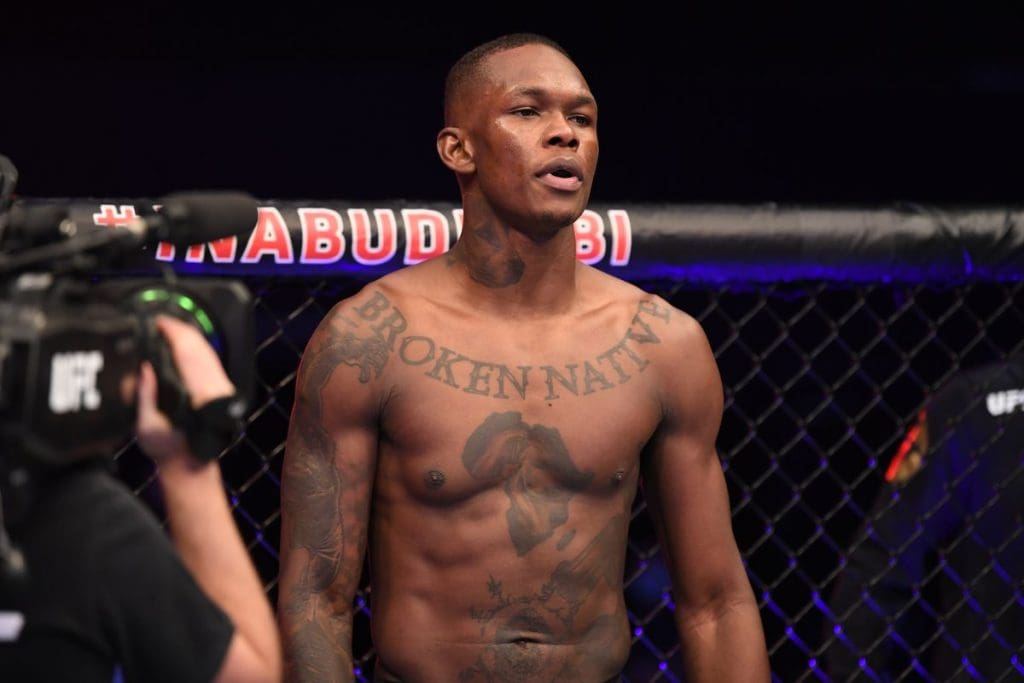
How did Israel Adesanya build this fortune?
The answer unfolds through the career, earnings, deals and assets behind the headline estimate.
Before the fame
The background and early turning points that shaped Israel Adesanya’s route to prominence.
Israel Adesanya is a Nigerian-born, New Zealand-based striker who became a two-time UFC middleweight champion after a long kickboxing career. His official UFC profile records the championship bouts and methods. His wealth cannot be inferred from title count because kickboxing pay was relatively modest and UFC PPV terms are private. HMW instead builds a fight ledger from disclosed estimates, event scale, bonus records and named sponsorships, then deducts tax, management, camps and property commitments.
Adesanya moved to New Zealand as a teenager, began kickboxing at 18 and compiled a large professional kickboxing record before entering MMA. He fought in China and for Glory, then joined the UFC in 2018. UFCStats’ individual ledger verifies his rapid sequence from debut to title contention. The early phase established skills and audience but is assigned low earnings compared with later UFC headliners.
The breakthrough years
The career decisions and defining moments that turned recognition into sustained earning power.
Adesanya defeated Anderson Silva and then Kelvin Gastelum for the interim title in 2019 before stopping Robert Whittaker at UFC 243. The UFC’s event report documents the unification in Melbourne. The stadium audience and championship status moved him into PPV participation and champion-level apparel pay. HMW treats that change as the start of the high-income period, not his first professional fight.
What the work can earn
Reported pay, contracts, royalties and performance income reveal how the fortune was funded.
Adesanya defended against Yoel Romero, Paulo Costa, Marvin Vettori, Whittaker and Jared Cannonier, lost to Alex Pereira, then reclaimed the title in their 2023 rematch before losing to Sean Strickland. UFC’s Pereira-rematch report confirms the second reign. Repeated headline bouts create backend potential, but no public contract shows his exact PPV percentage.
UFC guarantees, PPV participation, win and performance bonuses and promotional-compliance pay are the core. Public estimates commonly place championship-event totals in the low seven figures, with larger amounts for Pereira and Whittaker events, but state commissions did not publish complete pay. HMW assigns ranges per title bout and discounts the upper end. Kickboxing income and non-title UFC bouts receive far smaller amounts.
The business beyond the main career
Endorsements, ownership interests and investments can keep compounding long after the initial breakthrough.
Adesanya became Puma’s first MMA athlete and also worked with Engage, Stake and gaming-related brands. Puma’s signing announcement provides direct evidence of the partnership, although not its price. Sponsor income is modelled conservatively by contract duration; it is not assumed to match fight pay. Apparel royalties and paid digital campaigns receive modest additional allowances.
Adesanya has discussed New Zealand property and personal-brand merchandise, but no audited operating company or sale supplies an enterprise valuation. City Kickboxing is his training team rather than an asset automatically owned by him. HMW therefore recognizes verified property equity and brand income only where plausible, while excluding speculative NFT, cryptocurrency and social-media valuations.
Notable luxury item
A reported property or major asset offers a tangible glimpse of the wealth behind the public estimate.
New Zealand tax, overseas withholding, coaching and management percentages and repeated championship camps materially reduce gross pay. Adesanya has publicly discussed buying property for family members, which may preserve value but changes ownership. Contract backend, mortgages and liabilities are private. His periods without a win also demonstrate why peak annual income cannot be projected indefinitely.
Israel Adesanya’s estimated net worth
Public estimates vary because private contracts, investments, taxes and liabilities are not fully disclosed.
How this estimate is calculated
The calculation assigns modest values to kickboxing and early UFC fights, champion-level ranges to Adesanya’s title events and separately documented $50,000 bonuses where applicable. It adds conservative sponsor income across actual contract years, then removes blended tax, management, coaching, camps, travel and consumption. Restrained property and investment equity is included; unpriced brand fame and aspirational earnings claims are not. UFC’s career review is used to verify which appearances were title events before income bands are applied. A further reserve reflects the difference between announced bout compensation and cash remaining after New Zealand tax and overseas withholding. UFC’s Hall of Fame announcement confirms the Gastelum event’s significance without adding a speculative purse. The result is a retained-assets estimate built from realized competition.
Adesanya combined anime references, gaming and elaborate walkouts with elite performance, creating a large international following. His own 2019 statement that a fighter could eventually make $100 million in UFC was an ambition, not proof of earnings; MMA Fighting preserved the interview. HMW excludes that aspirational number from the ledger.
Official records establish the number and importance of events, while Puma proves a real blue-chip sponsor. The weak point is pay disclosure: estimates may include guarantees, PPV, bonuses and sponsor money in inconsistent combinations. HMW avoids adding multiple reports for one fight and uses event-level ranges, with a high uncertainty discount, rather than selecting the largest career-pay total online.

JavaScript is off, so all sections are displayed together.