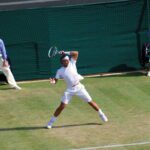
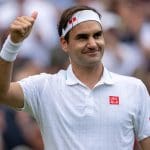
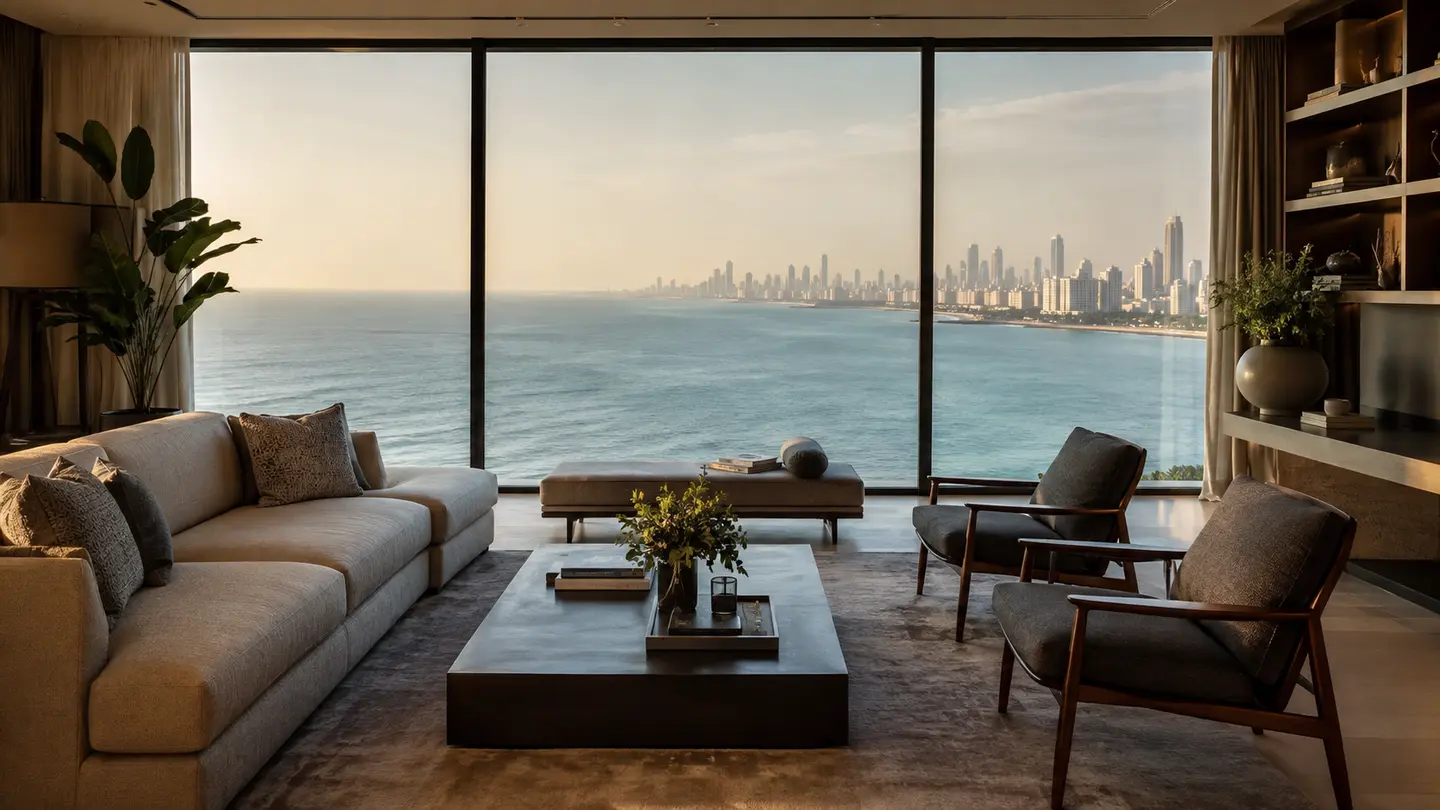
How did Stefanos Tsitsipas build this fortune?
The answer unfolds through the career, earnings, deals and assets behind the headline estimate.
Before the fame
The background and early turning points that shaped Stefanos Tsitsipas’s route to prominence.
Tsitsipas was born near Athens in 1998 to Apostolos Tsitsipas and former professional player Julia Salnikova. Both parents influenced his development, and his father became his long-term coach. He reached junior No. 1 and won the 2016 Wimbledon boys’ doubles title. Junior success opened professional doors but generated little net capital once European travel, coaching and equipment were considered.
The tour breakthrough came in 2018, when Tsitsipas defeated several established stars, reached the Canadian Open final and qualified for the Next Gen ATP Finals. In 2019 he converted that promise into the season-ending championship. The ATP’s final report records a $2.656 million prize and 1,300 ranking points for his five-match run.
The breakthrough years
The career decisions and defining moments that turned recognition into sustained earning power.
Tsitsipas became the first Greek player to reach a major singles final at Roland-Garros in 2021. The tournament’s semifinal account documents the five-set victory over Alexander Zverev. He then led Novak Djokovic by two sets in the final before losing; the official final report records the four-hour comeback.
What the work can earn
Reported pay, contracts, royalties and performance income reveal how the fortune was funded.
Three Monte-Carlo Masters titles, including the 2024 championship, established clay-court durability. The ATP’s tournament history lists Tsitsipas as the 2024 winner. He also reached the 2023 Australian Open final and rose as high as world No. 3. Those results explain sustained prize and sponsor income, but titles are counted through their actual earnings rather than assigned arbitrary brand value.
Tournament winnings remain the clearest income stream. His strongest seasons included more than $7 million in 2019 and roughly $6.6 million in 2022, according to The Times of India’s earnings review. Those figures are before tax and professional costs. HMW reduces them for coaching, physiotherapy, worldwide travel and management instead of treating prize money as savings.
The business beyond the main career
Endorsements, ownership interests and investments can keep compounding long after the initial breakthrough.
Adidas, Wilson, Rolex and Red Bull have formed the core commercial portfolio. The same Times of India review estimated $8–$10 million a year from partnerships, a secondary-source range that HMW treats cautiously. Adidas’ 2025 London collection announcement featured Tsitsipas directly, verifying the relationship but not disclosing its price.
Tsitsipas has also built a YouTube and travel-content presence. Media production may generate advertising and reinforce sponsor value, but there is no public evidence of a separately valued production company or major equity exit. HMW therefore includes content within annual commercial income rather than capitalising his channel. Sponsor-supplied apparel, rackets and watches are excluded unless ownership or cash compensation is documented.
Notable luxury item
A reported property or major asset offers a tangible glimpse of the wealth behind the public estimate.
His residences, investments, mortgages and family financial arrangements are private. Coaching changes also make costs difficult to model: Reuters reported his 2025 reunion with his father after a short period with Goran Ivanisevic. Family coaching does not mean zero cost, and HMW makes no assumption about how income is divided within the team.
Stefanos Tsitsipas’s estimated net worth
Public estimates vary because private contracts, investments, taxes and liabilities are not fully disclosed.
How this estimate is calculated
HMW begins with more than $34 million in documented prize money, adds cumulative sponsorship income using the reported $8–$10 million peak range only for commercially mature years, and uses much lower allowances before 2019. It then deducts tax, management, coaching, travel, medical support and spending. No YouTube-company, sponsor-equity or property premium is added. The final rounded result reflects retained career income rather than gross receipts or future comeback potential.
By March 2025, published ATP-derived reporting placed career prize money above $34 million. ProtoThema’s breakdown recorded a $605,530 Dubai winner’s cheque and $34 million-plus cumulative total. HMW uses that gross total as the main quantitative anchor and avoids separately adding the cited tournament prizes already included within it.
The evidence is strongest for prize money and named sponsors, and weakest for endorsement contract values. The $8–$10 million annual commercial range comes from secondary reporting rather than filed agreements, so HMW tests a lower case as well. Recent ranking decline also means peak commercial rates should not be projected indefinitely. No private tax return, sponsor contract or complete asset schedule is available.
JavaScript is off, so all sections are displayed together.