Background
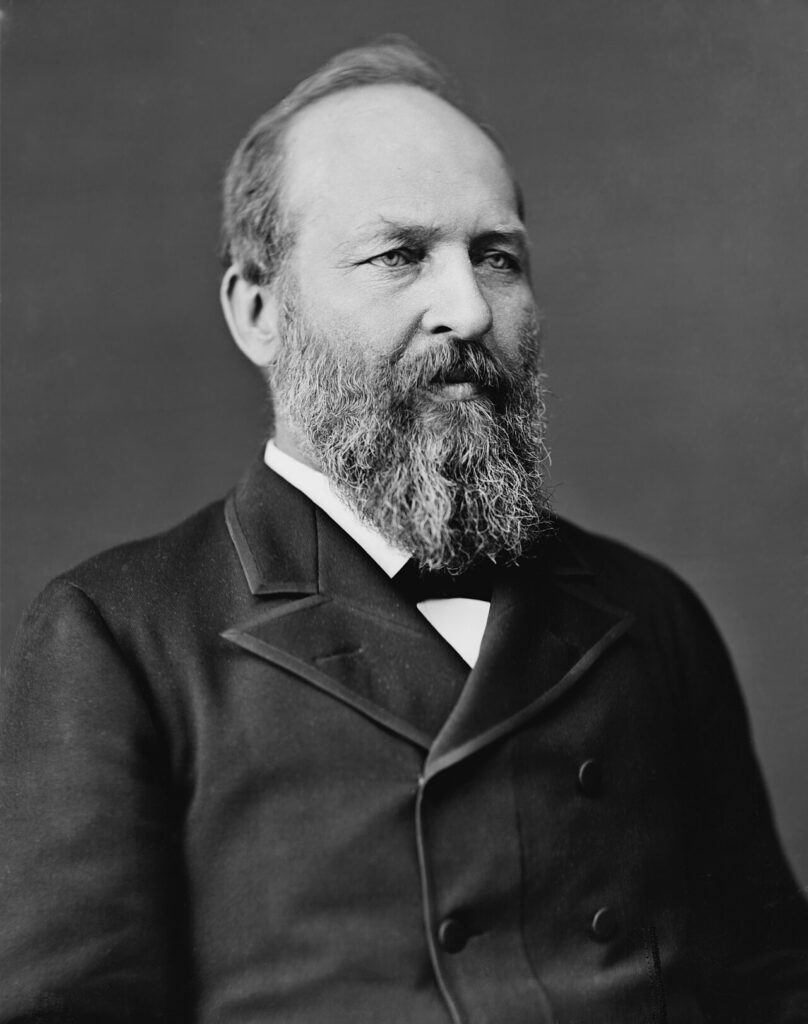
James A. Garfield was the 20th President of the United States, serving from March to September 1881 before dying from complications of an assassination attempt. He was born on 19 November 1831 in a log cabin in Orange Township, Ohio, the youngest of five children of Abram and Eliza Ballou Garfield. His father died when James was 18 months old, leaving the family in genuine poverty, a hardship Garfield later described as a formative “chaos of childhood”, according to the National Park Service.
Early Career
Garfield worked as a carpenter and a canal-boat driver to fund his own education, eventually enrolling at the Western Reserve Eclectic Institute in Ohio, now Hiram College, before graduating with honours from Williams College in Massachusetts in 1856. He returned to Hiram as a professor of ancient languages and was named the school’s president in 1857, aged just 26, an unusually young appointment documented by the Miller Center at the University of Virginia.
Career Breakthrough
Garfield entered politics in 1859, winning election to the Ohio State Senate as a Republican and speaking out against slavery during the secession crisis. He served as a Union Army officer during the American Civil War before being elected to the U.S. House of Representatives, a seat he held continuously from 1863 to 1880, rising to become the House Republican leader.
Major Achievements
Garfield won the Republican presidential nomination in 1880 as a compromise candidate after a deadlocked convention, then won the general election. In his brief presidency he pursued civil service reform, prosecuted corruption inside the U.S. Post Office, secured Senate confirmation of Supreme Court nominee Stanley Matthews, and began modernising the U.S. Navy, according to the National Park Service.
Public Recognition
Garfield ran his successful 1880 campaign largely from the porch of his own farmhouse in Mentor, Ohio, a style of campaigning that became known as the “front porch campaign” and drew an estimated 17,000 visitors to the property, per the City of Mentor, Ohio. His assassination, and his successor Chester A. Arthur’s subsequent embrace of civil service reform, gave Garfield a lasting association with the fight against political patronage.
Business Ventures
Garfield had no significant business ventures outside his farm at Mentor, Ohio, and public office. His income through most of his career came from his congressional salary and, earlier, his academic post at Hiram.
Endorsements and Sponsorships
As a 19th-century politician who died in office, Garfield had no endorsement or sponsorship income in any sense comparable to a modern public figure.
Property and Major Assets
Garfield’s principal asset was his farm in Mentor, Ohio, later known as “Lawnfield”, which he purchased in 1876 while serving in Congress, an initial 118 acres later expanded by a further 40. He enlarged the farmhouse over the following years to house his wife, Lucretia, their children, and his mother, Eliza, per the National Park Service. The property was later donated by the family to the Western Reserve Historical Society and today forms the James A. Garfield National Historic Site.
Philanthropy and Public Image
Garfield’s public image centred on his rise from poverty through education, and his brief presidency is remembered chiefly for the reforms it prompted after his death rather than initiatives completed in office, given his tenure lasted barely six months, four of them spent incapacitated after the shooting.
Controversies and Public Scrutiny
Garfield’s congressional career carried one lasting controversy: he was named in the Crédit Mobilier scandal of 1872, in which a Union Pacific Railroad-linked company was found to have offered discounted stock to sitting members of Congress in exchange for favourable votes. Garfield testified under oath that he had discussed purchasing shares with Congressman Oakes Ames but denied ever agreeing to buy them; Ames gave conflicting testimony that Garfield had taken the stock on credit, according to HistoryNet and the Library of Congress. The episode was never resolved definitively and the two accounts conflict; it did not prevent his election to the presidency eight years later.
How the Estimate Is Calculated
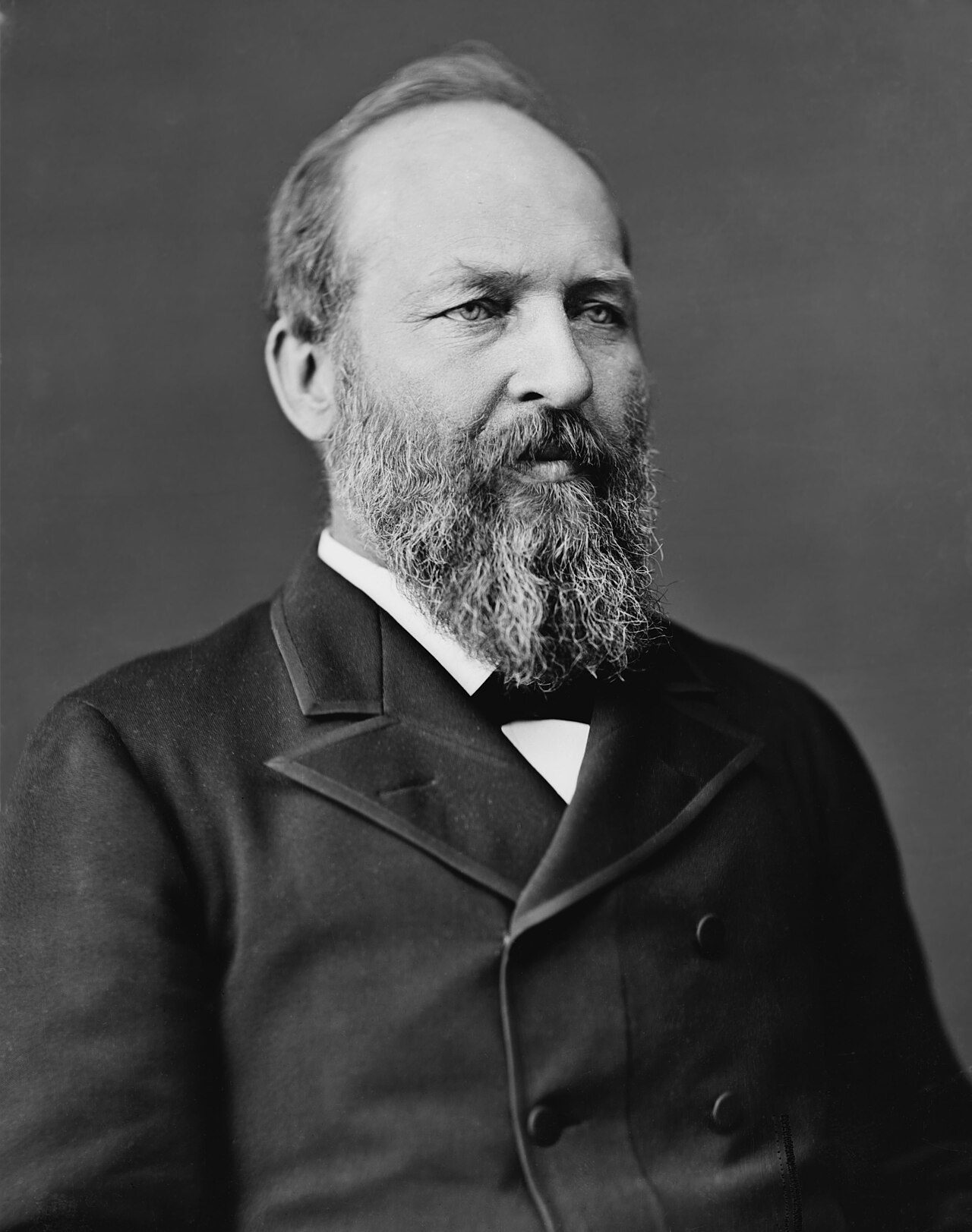
Garfield’s financial life was that of a 19th-century career politician and academic rather than a wealthy industrialist: his documented income came from a professor’s and college president’s salary at Hiram, then a member of Congress’s salary from 1863 to 1880, and finally a brief presidential salary from March to September 1881. His one substantial asset on record is the Mentor, Ohio farm, purchased in 1876 and expanded over subsequent years, now preserved as a National Historic Site rather than privately held or sold, so no market sale value exists to cite. No business income, investment portfolio or other property is documented. One historical estimate places his wealth, adjusted to 2022 dollars, at around $1 million, though this figure has not been cross-checked here against a primary probate or estate record and should be read as an approximate, inflation-adjusted historical estimate rather than a precise figure.
Estimated Net Worth
$800,000 – $1.2 Million (2022 dollars, historical estimate)