 How Much Are They Worth?
Celebrity fortunes, explained
How Much Are They Worth?
Celebrity fortunes, explained








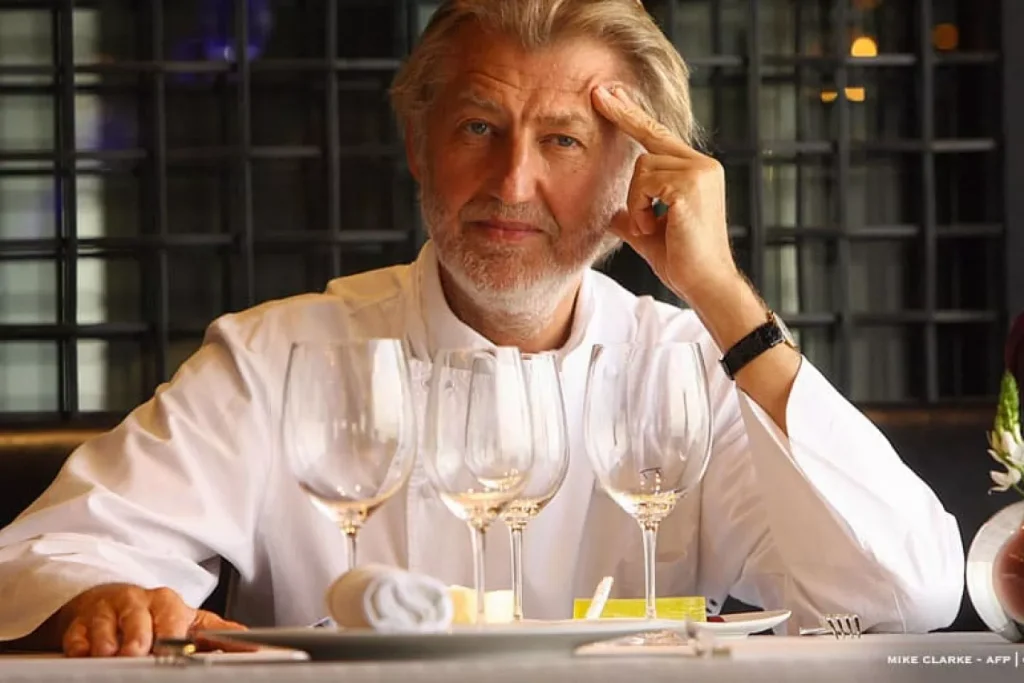
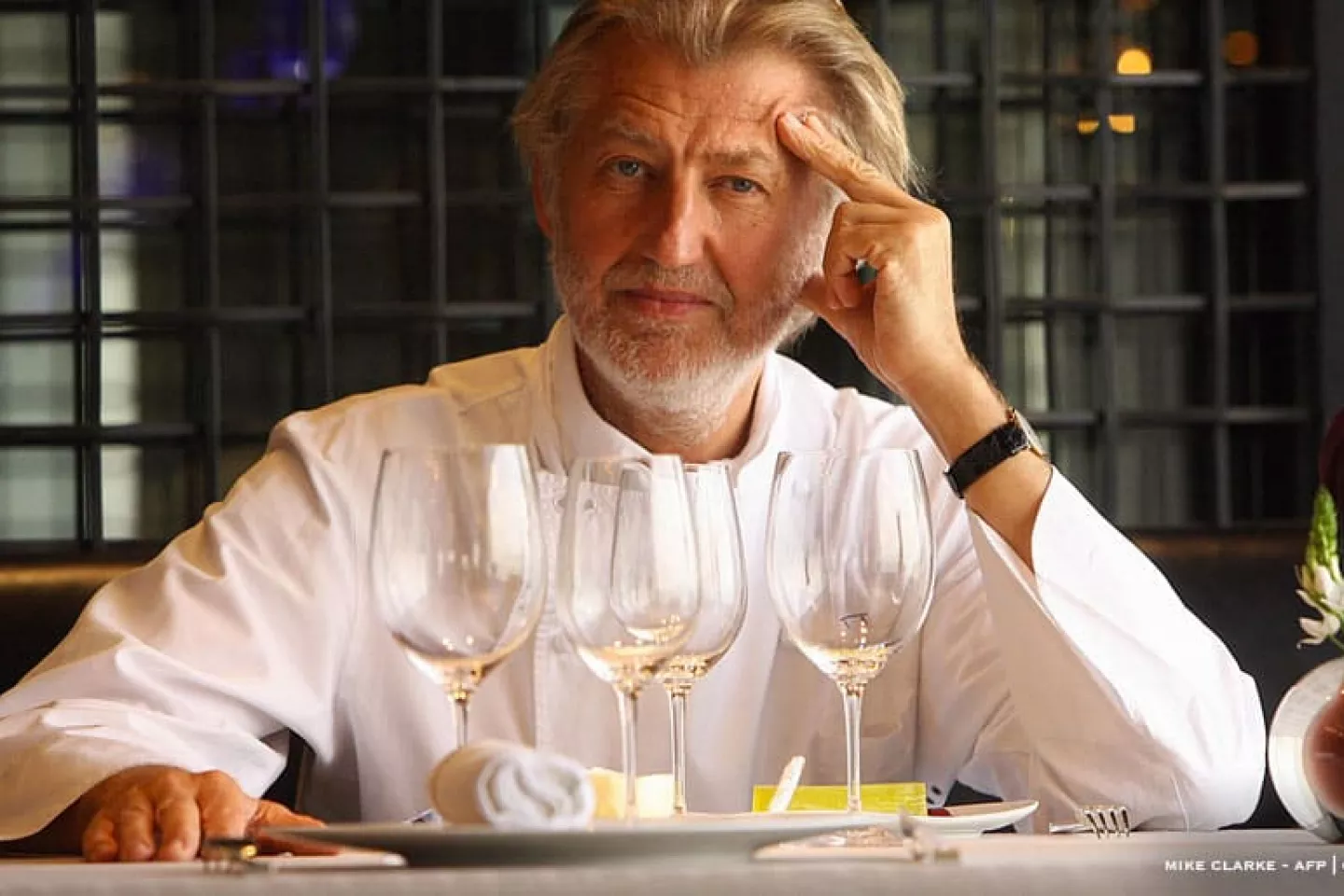
Pierre Gagnaire (France) – Pierre Gagnaire
Net worth revealed after 6 slides
Begin the countdown ↓
How did Pierre Gagnaire (France) – Pierre Gagnaire build this fortune?
The answer unfolds through the career, earnings, deals and assets behind the headline estimate.
Before the fame
The background and early turning points that shaped Pierre Gagnaire (France) – Pierre Gagnaire’s route to prominence.
Pierre Gagnaire was born on April 9, 1950, in Apinac, a small village in the Loire department of France, into a family already rooted in the restaurant trade. His father ran Le Clos Fleuri, a modest Michelin-starred establishment near Saint-Etienne, and Gagnaire grew up around professional kitchens rather than choosing the trade from the outside. That upbringing gave him an early, practical grounding in classical French technique long before he became known as one of the country’s most experimental chefs. According to Wikipedia, he is credited today as one of the pioneers of the modern fusion and avant-garde movement within haute cuisine, a reputation built over more than five decades in professional kitchens.
Gagnaire’s formal training began in earnest in the mid-1960s. He took a summer post working under Paul Bocuse in 1965, then moved through a series of apprenticeships and kitchen jobs in and around Lyon, including stints at the restaurant Juliette and at Tante Alice, before further postings that took him as far as a spell cooking aboard the French naval vessel Surcouf and a period at the Lucas Carton in Paris. Per the career timeline published on Gagnaire’s official restaurant website, he returned home in 1976 to work at his father’s restaurant, Le Clos Fleuri, which had already earned a Michelin star, before striking out on his own five years later.
The breakthrough years
The career decisions and defining moments that turned recognition into sustained earning power.
In 1981, Gagnaire opened his first independent restaurant in Saint-Etienne. It earned a Michelin star within a year, a second star in 1986, and a third in 1993, placing him among a small group of chefs holding the Guide’s top rating outside of Paris. The Saint-Etienne restaurant collapsed into bankruptcy in 1996, forcing Gagnaire to close it and lose his stars in the process. He relocated to Paris that same year and opened a new restaurant under his own name on rue Balzac. The Michelin Guide’s own retrospective, “The First Day I Got My Michelin Stars: Pierre Gagnaire”, describes his return to three-star status within roughly two years of opening in Paris as one of the most striking comebacks in modern French gastronomy.

What the work can earn
Reported pay, contracts, royalties and performance income reveal how the fortune was funded.
Restaurant Pierre Gagnaire in Paris has held three Michelin stars continuously since 1998, a run of more than 25 years at the top of the Guide’s rating system, according to the career record on his official site. His international outposts have added to that tally over time: Sketch’s Lecture Room in London reached three stars in 2017, while restaurants bearing his name in Hong Kong, Tokyo, Bordeaux and Nimes have collected additional one and two-star ratings at various points, taking his combined worldwide total into double digits. His flagship restaurant is also profiled by The World’s 50 Best Restaurants, which has repeatedly placed it among the most influential fine-dining rooms in the world.
Gagnaire’s honors extend well beyond the Michelin Guide. The French state named him a Commander of Arts and Letters in 2003, a Knight of the Order of Agricultural Merit in 2005 and a Knight of the Legion of Honour in 2006, according to his official career record. In January 2015, his fellow chefs voted him the world’s best chef in a peer poll conducted by the French trade magazine Le Chef, a story covered internationally, including by Time Out Dubai. Forbes has profiled him more than once as a defining figure of contemporary French cooking, including a 2023 feature in which he discussed how cooking allows him to form connections with people, and an earlier piece describing him as a living legend of French gastronomy.

The business beyond the main career
Endorsements, ownership interests and investments can keep compounding long after the initial breakthrough.
Gagnaire’s public-facing income has leaned more on institutional partnerships than commercial endorsement deals. His most visible ventures have been with major hospitality groups, including Mandarin Oriental (Hong Kong and, previously, Las Vegas), Waldorf Astoria (Berlin) and Lotte Hotels (Seoul), each of which pays for the use of his name and culinary direction inside their properties, per the restaurant history on his official site. He has not built the kind of consumer product or celebrity-endorsement portfolio associated with some television-famous chefs, and no cookware line, packaged food range or advertising campaign fronted by Gagnaire is documented in mainstream coverage of his career.
Rather than owning every restaurant that carries his name, Gagnaire runs most of his international operation on a consulting and licensing basis, lending his name, recipes and kitchen oversight to partner hotel groups in exchange for fees and a share of the upside. His footprint, as listed on his official restaurants page, spans Sketch in London (with restaurateur Mourad Mazouz), Pierre Gagnaire a Seoul inside Seoul’s Lotte Hotel, Le Comptoir de Pierre Gagnaire in Shanghai’s Capella hotel, and outlets tied to the InterContinental group in Dubai, alongside wholly independent projects such as Gaya in Paris, La Grande Maison in Bordeaux and the restaurants at L’Imperator in Nimes. This hybrid model, part owner-operator and part paid consultant, has let him scale a brand across more than a dozen cities without carrying the balance-sheet risk of owning every kitchen outright.
Notable luxury item
A reported property or major asset offers a tangible glimpse of the wealth behind the public estimate.
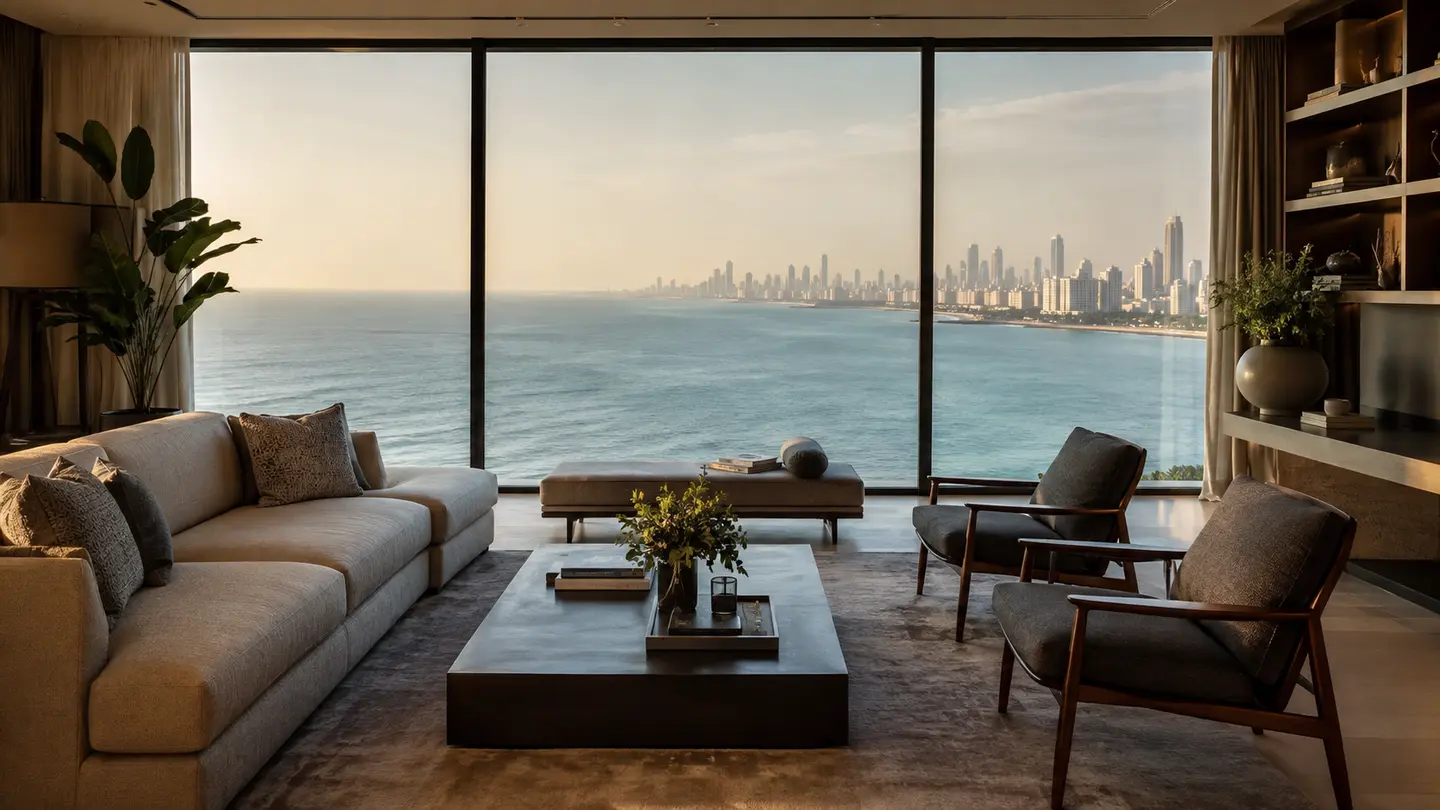
Gagnaire’s personal real estate holdings are not publicly documented, and neither Forbes, the Michelin Guide nor his own official biography discloses details of his private property. What is documented is his most significant identifiable business asset: his flagship restaurant’s long-standing home inside the Hotel Balzac just off the Champs-Elysees in Paris’s 8th arrondissement, a location Forbes and other outlets consistently cite as the base of his global operation. Beyond the Paris flagship, his major assets are best understood as brand and intellectual property, the value tied up in his name, recipes and consulting contracts, rather than in owned buildings or land.
Pierre Gagnaire (France) – Pierre Gagnaire’s estimated net worth
Public estimates vary because private contracts, investments, taxes and liabilities are not fully disclosed.
How this estimate is calculated
Pierre Gagnaire is a private individual, and neither Forbes, the Michelin Guide nor Le Figaro publishes an official net worth figure for him, so any estimate has to be built from the public facts of his career rather than a disclosed number. The calculation below weighs several documented factors: nearly 30 years of continuous three-Michelin-star operation at his Paris flagship, a licensing and consulting empire spanning more than a dozen restaurants across cities including London, Tokyo, Hong Kong, Seoul, Dubai, Shanghai and Bordeaux, a publishing catalog of cookbooks stretching back to the mid-1980s, and institutional recognition, including national honors and a peer-voted best-chef title, that reflects sustained commercial as well as critical standing. Because his primary income comes from consulting and licensing fees paid by hotel partners rather than from restaurants he wholly owns, his position is treated as more conservative than that of chef-restaurateurs with larger owned real estate and product portfolios, and the estimate below reflects that distinction.
Gagnaire is not associated with a personal charitable foundation or a headline philanthropic campaign in available reporting. His public image instead rests on his standing as a mentor and elder statesman within French cooking: he has held honorary doctorates from the University of Liege and Quebec’s Institute of Tourism and Hospitality, and has served in ambassadorial and advisory roles connected to regional food tourism. Coverage from Wikipedia and his own career record consistently frames him as a respected, largely uncontroversial figure whose reputation is built on decades of consistency and generosity toward younger chefs rather than public campaigning.
There is no documented pattern of public scandal, legal dispute or serious controversy attached to Pierre Gagnaire in mainstream culinary or business press. The closest thing to a public setback in his record is the well-documented 1996 bankruptcy of his original Saint-Etienne restaurant, which cost him his three Michelin stars and forced a full relocation to Paris. Far from damaging his reputation long-term, that episode is now treated by outlets including the Michelin Guide as part of his origin story, evidence of resilience rather than a mark against him. He is broadly described in food and business media as one of the more low-drama, universally respected figures among France’s top chefs.