 How Much Are They Worth?
Celebrity fortunes, explained









How did Prince build this fortune?
The answer unfolds through the career, earnings, deals and assets behind the headline estimate.
Prince before the fame
The background and early turning points that shaped Prince’s route to prominence.
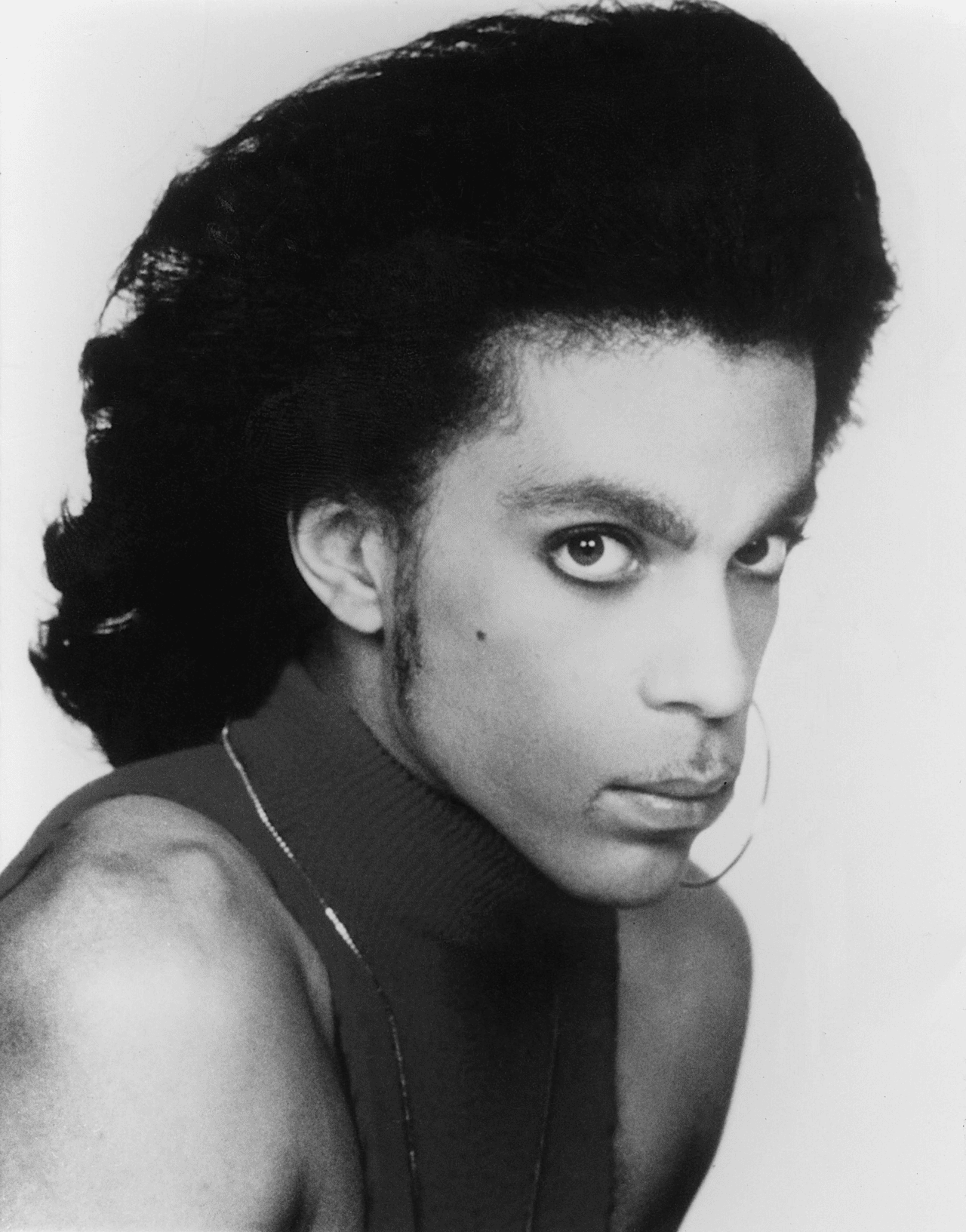
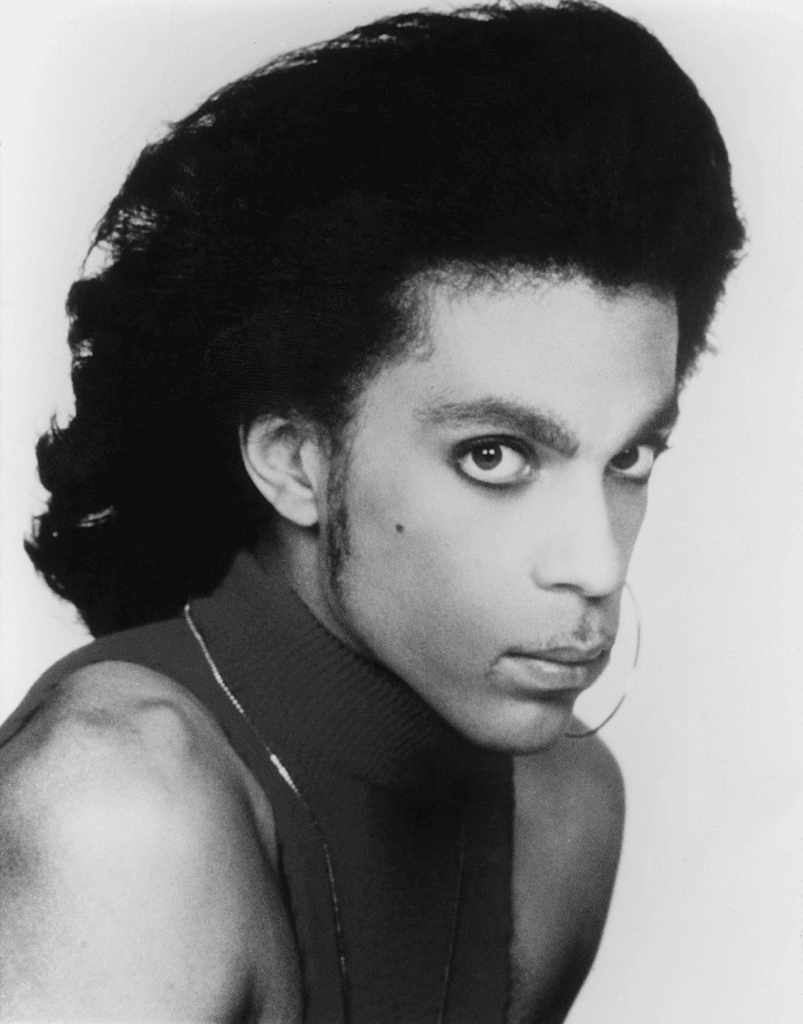
Prince Rogers Nelson was born on 7 June 1958 in Minneapolis, the son of a jazz pianist and a singer. He taught himself guitar, bass, drums and keyboards as a teenager and arrived at Warner Bros. in 1977, aged eighteen, with a demand almost no new artist made: that he produce his own records. The label agreed, and control mattered to him for the rest of his career at least as much as money.
For You in 1978 sold modestly, but Prince the following year produced I Wanna Be Your Lover, a top-twenty single and his first platinum album. Dirty Mind, Controversy and 1999 built the audience through the early 1980s. By 1983 he was a reliably profitable artist on a standard royalty, earning on our estimate a few million dollars a year from records and a touring circuit that was still playing theatres.
Prince’s breakthrough years
The career decisions and defining moments that turned recognition into sustained earning power.
Purple Rain in 1984 changed the scale of everything. The album spent 24 weeks at number one and is certified thirteen times platinum in the United States alone (RIAA certification); the film took around 68 million dollars at the box office on a budget near seven million (Box Office Mojo) and won him an Academy Award for its score. At the royalty rates a superstar commanded in the mid-1980s, on our estimate the album and its singles alone earned him 20 to 30 million dollars.
The run that followed – Around the World in a Day, Parade, Sign o’ the Times, the number-one Batman soundtrack and Diamonds and Pearls – kept him among the best-selling artists in the world for a decade. In 1992 Warner Bros. signed him to a new contract reported at 100 million dollars over six albums (UPI). Across his career he sold on the order of 100 million records worldwide, and on our estimate his recording and songwriting income alone came to 200 to 300 million dollars, since he owned his publishing and wrote hits recorded by others, from Nothing Compares 2 U to Manic Monday.

What Prince’s work can earn
Reported pay, contracts, royalties and performance income reveal how the fortune was funded.
Touring was the other half of the money, and the best-documented part of it. The Musicology tour of 2004, in which every ticket came with a copy of the album, grossed 87.4 million dollars and was the top-grossing tour in North America that year (Pollstar’s year-end figures, reported by The Spokesman-Review, the Recording Academy). He played 21 nights at the O2 in London in 2007 and toured almost continuously from 2010 until 2016. On our estimate his career touring gross came to 400 to 500 million dollars, of which a self-managed headliner of his stature kept 35 to 40 per cent: 150 to 200 million dollars. Taken with the records and the publishing, we put his gross earnings from music at 350 to 500 million dollars across four decades.
He won seven Grammy Awards, an Academy Award and a Golden Globe, was inducted into the Rock and Roll Hall of Fame in his first year of eligibility in 2004 (the Rock and Roll Hall of Fame), and Purple Rain was added to the National Film Registry. His 2007 Super Bowl halftime set in a Miami downpour remains among the most replayed live performances of the era. He died at Paisley Park on 21 April 2016, aged 57, and the public response measured a standing that the charts of his later years had understated.

Prince’s business beyond the main career
Endorsements, ownership interests and investments can keep compounding long after the initial breakthrough.
There were none of consequence. He refused to license his songs for advertising, declined the corporate tour sponsorships that most arena acts took as standard, and treated his likeness as something to be controlled rather than sold. Endorsement income is therefore absent from the estimate, by his own choice rather than for want of offers.
Prince ran labels, clubs and distribution experiments for most of his career. Paisley Park Records, backed by Warner from 1985, released The Time, Sheila E. and others before it was wound down in 1994; NPG Records took over as his own imprint. The Glam Slam nightclubs opened in the early 1990s and closed within a few years. The NPG Music Club, a paid online subscription service launched in 2001, sold music and tickets direct to fans years before the industry caught up, and won a Webby Award in 2006. In 2014 he returned to Warner in a deal that gave him ownership of his master recordings (Billboard) – the outcome he had fought for since 1993 – and in 2015 he pulled his catalogue from every streaming service but Tidal.

Prince’s notable luxury item
A reported property or major asset offers a tangible glimpse of the wealth behind the public estimate.
Paisley Park in Chanhassen, Minnesota, opened in 1987 as a 65,000-square-foot studio complex and home built for around ten million dollars, and it became the centre of his working life; it has operated as a museum since October 2016 (Paisley Park). He assembled well over a hundred acres around it and at various times owned homes in Toronto and Marbella, both later sold. The largest asset of all was the vault of unreleased recordings and the catalogue itself, which is why the estate proved so hard to value.
Prince’s estimated net worth
Public estimates vary because private contracts, investments, taxes and liabilities are not fully disclosed.
How this estimate is calculated
Unusually, the headline figure is not an estimate at all – it was litigated. Comerica Bank & Trust, as administrator, valued the estate at 82.3 million dollars; the Internal Revenue Service assessed it at 163.2 million and added a 6.4 million dollar penalty (Forbes). The two sides settled in January 2022 on a final valuation of 156.4 million dollars, with the penalty dropped, and a Minnesota judge approved the closing agreement that August (Variety, Billboard). The range below brackets that number.
The earnings figures earlier in this profile are our estimate and are kept separate from it. Records: around 100 million units at an average artist royalty of one to two dollars, plus a songwriter’s share on his own hits and on covers, gives 200 to 300 million dollars. Touring: a career gross of 400 to 500 million, anchored by the documented 87.4 million of the Musicology tour (Pollstar’s year-end figures, reported by The Spokesman-Review), at a 35 to 40 per cent artist take, gives 150 to 200 million. That puts gross music income at 350 to 500 million dollars, and the assumption behind it is that his royalty terms sat at the top of the industry range, which the 1992 contract supports.
The gap between what he earned and what he left is explained by four decades of tax, an operation at Paisley Park that employed dozens of people, and a refusal to sell anything he could keep. The 81 million dollar difference between two professional valuations of the same estate was, in the end, an argument about the price of a vault nobody had opened.
The working supports a range of $150 million to $160 million. The figure we publish is its midpoint.
Confidence: Documented — the range brackets the 156.4 million dollar estate valuation agreed with the IRS and approved by a Minnesota court in 2022.
Think you know Prince? Take the quiz: Easy · Medium · Legendary
His giving was extensive and almost entirely private, and much of it became known only after his death: funding for youth coding programmes and green-jobs initiatives, support for Minneapolis schools and community groups, and gifts to individuals that he insisted go unreported. Privately he was known as a generous employer and a serious student of the business he was in. The artist who fought his label and then bought his masters back is as much a part of his legacy as the music.
The defining dispute of his career was with Warner Bros. over the pace of releases and the ownership of his masters, which led him to change his name to an unpronounceable symbol in 1993 and to appear with the word slave written on his face until the contract ended in 1996 (Billboard). The largest legal matter came after his death: he left no will, six half-siblings were declared his heirs under Minnesota intestacy law, and the estate spent six years in litigation, with Primary Wave buying out three of the six heirs and taking roughly half of the assets (Billboard).