How did George Foreman build this fortune?
The answer unfolds through the career, earnings, deals and assets behind the headline estimate.
Before the fame
The background and early turning points that shaped George Foreman’s route to prominence.
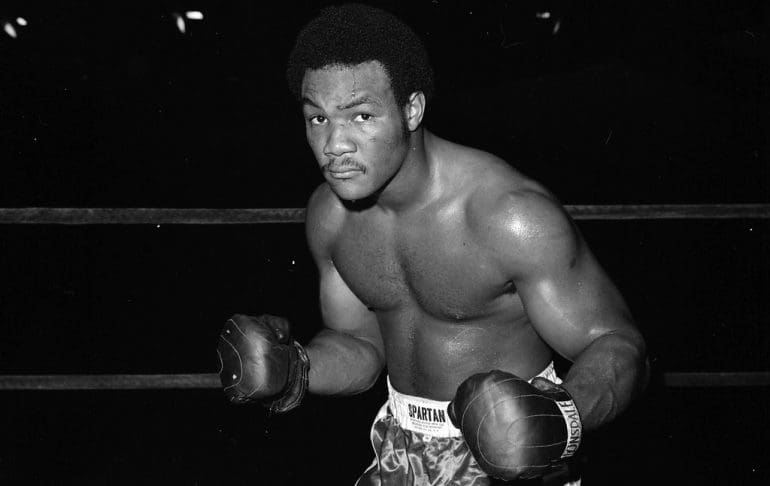
George Foreman was both a two-time heavyweight champion and the face of one of the most successful athlete-licensing products ever created. He died in March 2025, so this profile addresses the estate and surviving commercial legacy. Britannica’s biography records his Olympic gold medal, 1973 championship, retirement, ministry and unprecedented title-winning comeback at 45. The business estimate is anchored not in fame but in a transaction disclosed by the grill manufacturer.
Foreman grew up in Houston and found boxing through the Job Corps. He won heavyweight gold at the 1968 Mexico City Olympics and turned professional the following year. By January 1973 he was 37-0 when he knocked down Joe Frazier six times; BoxRec’s bout ledger records that championship result. The IOC athlete profile confirms the Olympic foundation. His first reign made him famous, but his later commercial fortune came from an entirely different version of his public identity.
The breakthrough years
The career decisions and defining moments that turned recognition into sustained earning power.
The “Rumble in the Jungle” loss to Muhammad Ali in 1974 damaged Foreman’s fearsome aura, and he retired in 1977 after a religious experience. He became a minister and opened a youth center. Returning in 1987, older and more approachable, he used humor in interviews and attracted new audiences. That reinvention was the commercial breakthrough: manufacturers could now present the former champion as a trusted, genial household personality rather than simply a boxing endorser.
What the work can earn
Reported pay, contracts, royalties and performance income reveal how the fortune was funded.
Foreman knocked out Michael Moorer in 1994 to regain the heavyweight championship at 45, the oldest champion at that time. History’s account of the Moorer fight documents the sporting culmination, while the International Boxing Hall of Fame places it within his 76-win career. Boxing purses from the comeback were meaningful, but the title also made the smiling salesman credible when grill infomercials began reaching mass-market television.
Foreman initially received a share of grill profits, reportedly producing extraordinary monthly payments at the peak. The decisive evidence is Salton’s 1999 acquisition. The company’s 2002 Form 10-K states an aggregate $137.5 million purchase price for perpetual worldwide use of the George Foreman name on food-preparation appliances: $113.75 million payable in cash installments and $23.75 million in 779,191 Salton shares. The payment covered Foreman and other participants, not Foreman alone.
The business beyond the main career
Endorsements, ownership interests and investments can keep compounding long after the initial breakthrough.
A contemporaneous Sports Business Journal report said Foreman was due about 75% of the $137.5 million package and that the sale was structured as a long-term capital gain. That implies roughly $103 million of gross consideration attributable to him before tax, while earlier royalties and later appearance payments were separate. This allocation is much more defensible than crediting him with the entire manufacturer’s payment.
Foreman also operated a youth and community center, promoted clothing and cleaning products, wrote books and participated in other licensing ventures. None approached the documented value of the grill rights. The estate’s remaining value may include ongoing appearance obligations, trademarks outside the acquired appliance category and investment assets purchased with historical proceeds. Because the perpetual appliance rights were sold, HMW does not value the grill brand itself as if Foreman still owned it.
Notable luxury item
A reported property or major asset offers a tangible glimpse of the wealth behind the public estimate.
Foreman supported a large family and maintained property and community commitments around Houston. The $137.5 million package included stock whose later price performance matters, and cash arrived across five annual installments rather than on one day. Taxes, advisers, spending and two additional decades of investment returns cannot be reconstructed from the filing. Estate administration after 2025 creates further uncertainty, as property may have been placed in trusts or distributed among beneficiaries.
George Foreman’s estimated net worth
Public estimates vary because private contracts, investments, taxes and liabilities are not fully disclosed.
How this estimate is calculated
The model starts with Foreman’s approximate three-quarter share of the $137.5 million licensing sale, adds a conservative allowance for pre-sale royalties, boxing purses and later media work, and then removes capital-gains tax, professional costs and long-term family consumption. It applies moderate investment growth to only the portion plausibly retained and recognizes property and remaining trademarks without re-adding appliance rights already sold. Estate costs and post-death distributions receive a final deduction.
Foreman worked as an HBO commentator, wrote books, appeared in advertising and licensed his name to clothing and household products. The grill became so culturally dominant that younger consumers knew him primarily as “the cooking man.” Sports Business Journal reports that more than 100 million units were sold and that Spectrum Brands ultimately controlled the rights. Sales volume establishes longevity, although retail sales are not Foreman’s personal revenue.
The SEC-filed purchase terms and reported 75% allocation are unusually strong evidence for a celebrity business estimate. Claims that Foreman earned more than $200 million from the grill in total are directionally consistent with his own remark that some months produced $8 million, but the timing and frequency are not audited publicly. HMW therefore gives more weight to the filed buyout, discounts generalized royalty claims and adds boxing and media income only where it does not overlap.

JavaScript is off, so all sections are displayed together.