 How Much Are They Worth?
Celebrity fortunes, explained
How Much Are They Worth?
Celebrity fortunes, explained






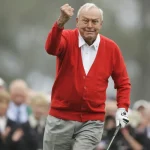

How did Gary Player build this fortune?
The answer unfolds through the career, earnings, deals and assets behind the headline estimate.
Before the fame
The background and early turning points that shaped Gary Player’s route to prominence.
Gary Player is a nine-time major champion and globally prolific golf-course designer. That distinction matters financially because the subject’s earning history is tied to identifiable events, rights and businesses rather than a generic assumption about what a successful golf figure should be worth. This profile treats reported compensation as evidence, not as cash automatically retained.
Born in Johannesburg in 1935, Player became the first non-American to win the modern career Grand Slam, an international platform that later supported businesses far beyond tournament cheques.
Player turned professional in South Africa in 1953 and built his career by travelling continuously when international air travel was costly and championship purses were small. The Masters record of his Augusta appearances and three victories demonstrates the duration of that campaign. HMW uses early trophies to date when endorsements and exhibitions became available, not as though a 1950s winner received a modern major purse. His 1959 Open victory and 1961 Masters win created an international identity whose later commercial life was much more valuable than the original cheques.
The breakthrough years
The career decisions and defining moments that turned recognition into sustained earning power.
The decisive professional breakthrough was his first major victory at the 1959 Open Championship. It expanded audience, negotiating leverage and access to premium events. A breakthrough can create future earning capacity, but the estimate does not capitalize fame by itself; only documented compensation, durable rights and identifiable commercial activity are given financial weight.
His 1959 Open Championship began a nine-major championship record; Masters victories in 1961, 1974 and 1978 made Augusta central to the Black Knight brand.

What the work can earn
Reported pay, contracts, royalties and performance income reveal how the fortune was funded.
Major milestones include the career Grand Slam, international wins and decades of design work. The sequence is important because title bouts, major wins and headline events typically carry higher direct compensation and stronger sponsorship value. Career records also prevent double-counting widely repeated purse or prize reports that refer to the same event. Not every milestone receives a separate dollar value: several are used only to confirm the period in which income and commercial leverage peaked.
The PGA Tour records 24 official victories, while his international schedule produced many more wins not reflected in a single U.S. prize-money table.
The principal income channels were tournament winnings, endorsements, course design, breeding and licensing. Public prize, purse or compensation reports are gross figures. They precede promoter or tour deductions, management, coaching and training costs, travel, taxes and personal spending, so the calculation applies substantial retention discounts rather than simply adding headlines.
Tournament prizes from his peak were modest by current standards. The larger lifetime channels are endorsements, exhibitions, speaking, licensing and course-design fees, none of which has a complete public ledger.

The business beyond the main career
Endorsements, ownership interests and investments can keep compounding long after the initial breakthrough.
Player’s commercial career moved from exhibitions and equipment endorsements into speaking, publishing, branded events and golf-course architecture. The Presidential Medal of Freedom citation confirms his exceptional international sporting reach, but the honor itself has no cash value. Gary Player Design advertises hundreds of projects; HMW treats that count as proof of a decades-long operating business, not hundreds of identical fees. Design income is spread over contract years and reduced for architects, engineers, travel and office staff.
Business interests include many assets sit in private family and operating structures with no public valuation. Where a private company has no audited accounts or transaction price, this profile does not assign it an aggressive speculative valuation. It recognizes only a restrained contribution consistent with the public evidence and separates operating-brand visibility from money owned personally.
Black Knight Enterprises identifies brand, publishing, events and partnership activity. Because ownership splits and accounts are private, the estimate recognizes accumulated cash flows rather than assuming the public-facing organization is wholly saleable personal property.

Notable luxury item
A reported property or major asset offers a tangible glimpse of the wealth behind the public estimate.
Player’s businesses span South Africa and international markets and have involved family and operating entities. Public pages do not reveal ownership splits, ranch or stud-farm valuations, course-design receivables, debts or the share of brand revenue retained personally. HMW therefore models decades of after-cost distributions and invested savings rather than pretending Black Knight Enterprises has a public sale price. Properties, horses and collections receive no separate headline valuation, avoiding overlap with cash already attributed to the operating businesses.
Gary Player’s estimated net worth
Public estimates vary because private contracts, investments, taxes and liabilities are not fully disclosed.
How this estimate is calculated
Player’s estimate begins with historic tournament income at nominal amounts and adds exhibition and endorsement bands appropriate to his peak decades. The larger component models course-design fees across the documented international portfolio, using a conservative project conversion rate and spreading revenue over design and construction stages. It removes 35%–50% for professional staff, travel, project overhead and partner shares before tax, then applies moderate long-term investment growth to retained distributions. Speaking, licensing and publishing add smaller recurring amounts. HMW assigns only a restrained continuing value to the Gary Player name and active design pipeline, with no automatic value per announced course, no foundation assets and no unsupported property appraisal.
Gary Player developed a public profile extending beyond results. Major media and governing-body coverage shows sustained audience interest and a recognisable international brand. Reach can support licensing, appearances and sponsorship, although follower counts and publicity are not treated as personal assets without evidence of monetisation.
Player remains a Masters honorary starter and received the Presidential Medal of Freedom, evidence of durable visibility without treating honors themselves as financial assets.
Major-championship and PGA records reliably establish Player’s competitive longevity, while his own corporate pages verify course design, events and licensing operations. They do not publish contract fees or audited profits. Historic prize tables also cover only part of a worldwide schedule and understate exhibitions, but current purse levels would wildly overstate his playing income. HMW therefore relies on actual-era winnings as a small floor and treats the long commercial duration—not any single unverified deal—as the principal evidence. Rand/dollar changes, private ownership and succession planning remain important uncertainties.