
 How Much Are They Worth?
Celebrity fortunes, explained
How Much Are They Worth?
Celebrity fortunes, explained

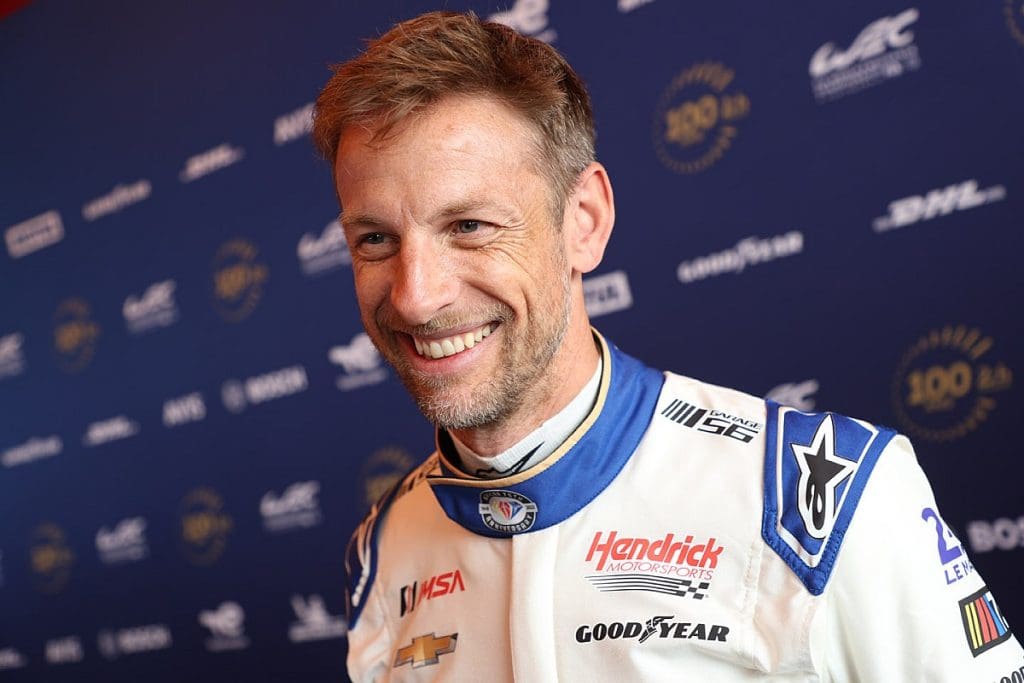
How did Jenson Button build this fortune?
The answer unfolds through the career, earnings, deals and assets behind the headline estimate.
Before the fame
The background and early turning points that shaped Jenson Button’s route to prominence.
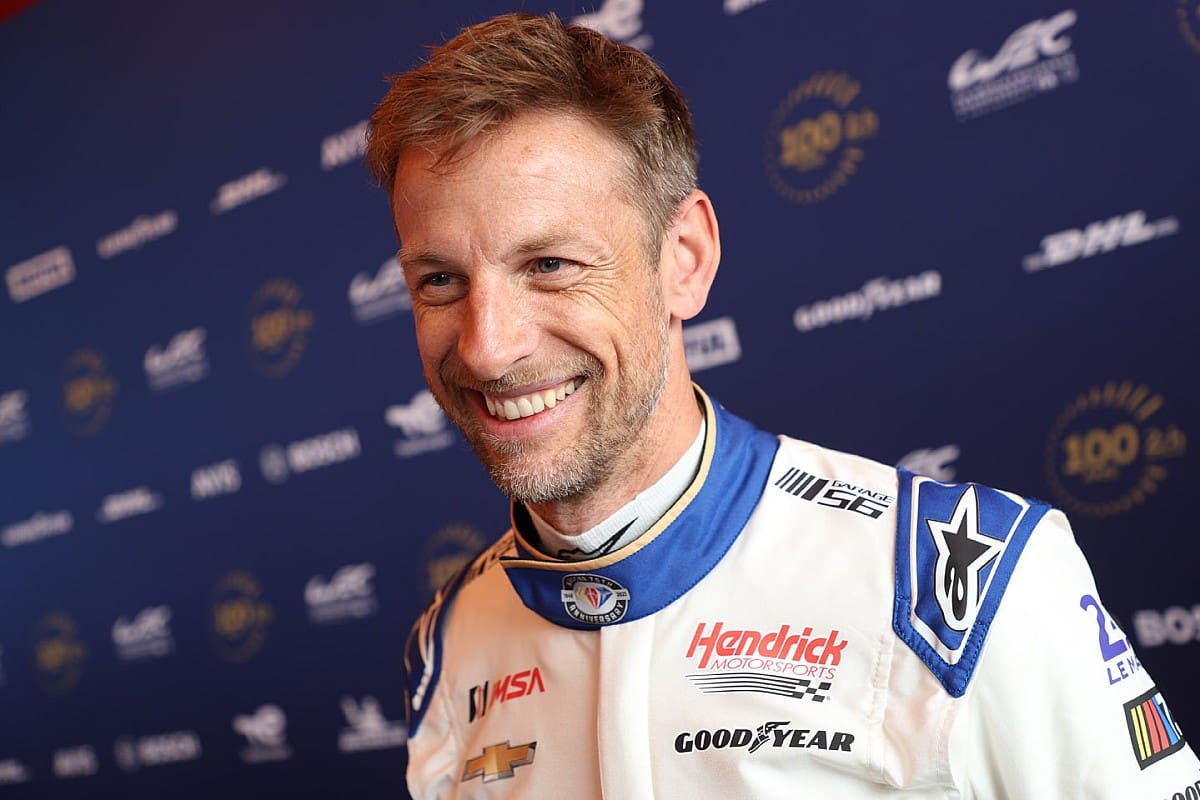
Jenson Button was born on January 19, 1980, in Frome, Somerset, England, to John Button, an English rallycross driver, and Simone Lyons. He has three older sisters. In 1988, aged eight, he received his first go-kart as a gift from his father, and John Button gave up his own rallycross career soon after to prepare and tune his son’s karts full-time. John Button became a constant presence in the Formula 1 paddock throughout Jenson’s career, attending every race but one — the 2001 Brazilian Grand Prix, which he missed through illness — until his death at his home in the south of France on January 12, 2014, aged 70, an event Button has said cost him much of his enjoyment of racing for a period afterward.
Button’s karting career was dominant from the start: in 1991, aged 11, he won every one of the 34 races that made up the British Cadet Kart Championship, and he went on to become British Open Karting Champion on three separate occasions during the 1990s, plus the youngest-ever winner of the European Super A Championship at age 17 and winner of the 1997 Ayrton Senna Memorial Cup. He moved into cars in 1998, winning the British Formula Ford Championship and the Formula Ford Festival, then finished third in the 1999 British Formula 3 Championship and second at the Macau Grand Prix. On the strength of that rookie single-seater season, Williams signed the 19-year-old to a three-year contract, and Button made his Formula 1 debut for the team in 2000 at age 20.
The breakthrough years
The career decisions and defining moments that turned recognition into sustained earning power.
After his rookie season at Williams in 2000, Button moved to Benetton for 2001, which was rebranded Renault for his 2002 campaign, before joining British American Racing (BAR) in 2003. A messy contractual saga followed: Williams announced in August 2004 that it had signed Button for 2005 on the belief he was a free agent, but that October the sport’s Contract Recognition Board ruled in BAR’s favour, and Button stayed. When he later tried to exit a separate Williams pre-contract for 2006 after BMW’s planned withdrawal from the team fell through, he instead had to buy his way out of that deal, for a fee reported by multiple outlets at around £18 million, to stay with what had by then become Honda Racing. Button spent 2006 to 2008 with Honda without another win, and when Honda withdrew from F1 at the end of 2008 amid the global financial crisis, the team was rescued in a management buyout led by technical director Ross Brawn and rebranded Brawn GP. Driving a car built around a controversial double-diffuser design, Button won six of the first seven races of 2009, including the Monaco Grand Prix, and secured the Drivers’ Championship at the penultimate round in Brazil. He joined McLaren for 2010, partnering Lewis Hamilton and later Fernando Alonso, and remained with the team through the 2016 season before initially retiring; he returned for one further Monaco Grand Prix in 2017 as Alonso’s stand-in while Alonso contested the Indianapolis 500, then formally retired from full-time F1 at the end of that season. Button’s post-F1 career has been unusually active: he won the 2018 Japanese Super GT championship driving a Honda NSX-GT for Team Kunimitsu alongside Naoki Yamamoto, founded and co-owns the JBXE team in the Extreme E off-road electric championship from 2021, returned to Williams as a senior advisor from 2021, drove the Hendrick Motorsports NASCAR Garage 56 Camaro at the 2023 Le Mans 24 Hours alongside Jimmie Johnson and Mike Rockenfeller, made three 2023 NASCAR Cup Series starts for Rick Ware Racing, raced full-time in the World Endurance Championship for Cadillac’s Hertz Team Jota through 2024 and 2025, and in February 2026 joined Aston Martin as team ambassador, a role that reunites him with former McLaren teammate Alonso and coincides with Honda’s return to F1 as Aston Martin’s works engine supplier.

What the work can earn
Reported pay, contracts, royalties and performance income reveal how the fortune was funded.
Button’s annual income varied enormously across his 17-season F1 career, rising from a modest rookie-level salary at Williams in 2000 to a peak in the early 2010s: Forbes placed him tenth on its list of the world’s highest-earning racing drivers for the year to mid-2013 with reported earnings of $14 million, and other reporting has put his McLaren-era base salary as high as the high-teens of millions of dollars in his best-paid seasons before repeated pay cuts during McLaren’s difficult mid-2010s campaigns. Since stepping back from full-time F1 racing at the end of 2016, his income has diversified into a mix of advisory and ambassadorial retainers (first at Williams, now at Aston Martin), broadcasting fees as a Sky Sports F1 analyst, race fees from his Super GT, Extreme E, NASCAR and WEC drives, endorsement income, and returns from his active real estate business — none of which are individually disclosed by Button or the organizations involved.
Documented figures exist for several points in Button’s career. His initial three-year Williams deal from 2000 was never publicly disclosed in detail, consistent with the team’s practice at the time for young signings. The clearest reported number from his early career is the roughly £18 million he is reported to have paid to exit his 2006 Williams pre-contract and remain with Honda. By his own and team reporting, Button was earning a comparatively modest sum, cited around £3 million a year, at the financially stretched Brawn GP in 2009 — the season he won the World Championship — and reports at the time said he was seeking roughly double that figure in negotiations for 2010. His McLaren years saw salary figures reported anywhere from around $6 million in his first two seasons to a reported €16 million (around $19.9 million) in 2012, before Forbes’ $14 million estimate for 2013. As McLaren’s competitiveness and finances declined after its switch to Honda power for 2015, Button’s pay was cut in successive rounds: BBC Sport reported a reduction from around £12 million to under £8 million in the deal covering the 2015 season, with further reporting describing a cut from around $10 million to a lower figure before a modest contracted rise built into his final 2016 season.

The business beyond the main career
Endorsements, ownership interests and investments can keep compounding long after the initial breakthrough.
Button’s best-documented personal endorsement was with Hugo Boss, which named him the face of its BOSS Bottled Sport fragrance and featured him, alongside Lewis Hamilton, in campaigns marking the 30th anniversary of Hugo Boss’s sponsorship partnership with McLaren. He was also a brand ambassador for Head & Shoulders. For several years he fronted Diageo’s Johnnie Walker “Join the Pact” responsible-drinking programme alongside fellow racing drivers Mika Hakkinen and Kevin Magnussen, an anti-drink-driving initiative rather than a product-sales campaign, that aimed to collect five million pledges never to drink and drive. Beyond these personal deals, Button benefited throughout his F1 career from exposure via his teams’ own commercial sponsors, though those partnerships were contracted to the teams rather than to him individually.
Button co-founded Radford Motors with television presenter and mechanic Ant Anstead, reviving the historic British coachbuilder Radford to produce limited-run cars including a Lotus Evora-based Type 62-2; the venture’s parent company, Finest Coachbuilding LLC, filed for bankruptcy roughly three years after launch. In racing, he is founder and part-owner of the JBXE team in the Extreme E off-road electric championship, backed by investment partners Apater Capital and Pipt, and competes as a team owner alongside fellow F1 world champions Lewis Hamilton and Nico Rosberg, who also own Extreme E teams. Outside motorsport, Button and his wife Brittny, an interior designer, have run an active buy-renovate-sell operation in Los Angeles-area real estate since 2017, detailed further below, that functions as a recurring secondary income stream alongside his racing and ambassadorial earnings.
Notable luxury item
A reported property or major asset offers a tangible glimpse of the wealth behind the public estimate.
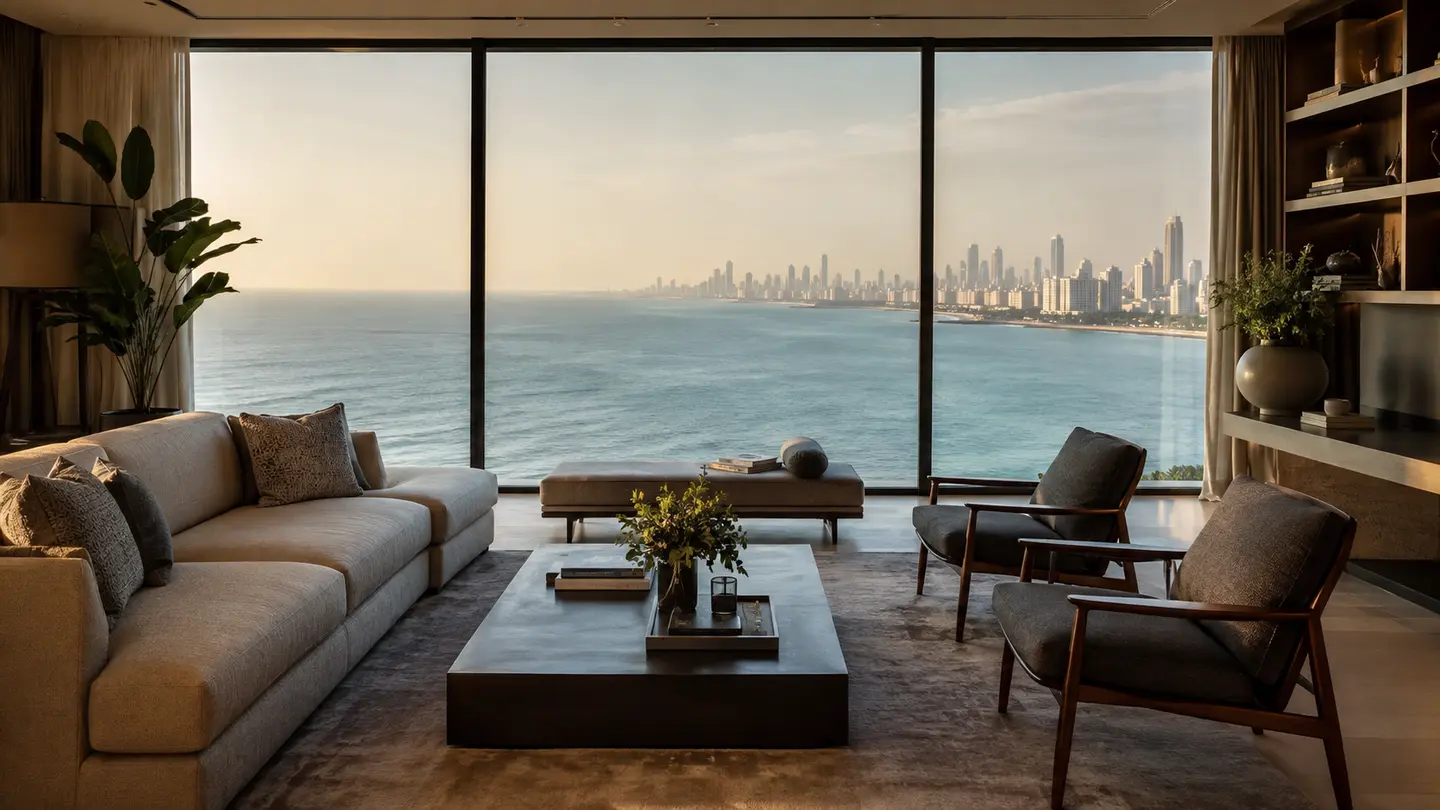
Since relocating to the Los Angeles area following his first F1 retirement, Button and Brittny have bought, renovated, and sold a series of Southern California homes: a Brentwood property bought for $6.1 million in 2017 and sold roughly two years later at a slight profit; a mid-construction Bel-Air mansion bought for just under $9 million in 2019, listed at $10.5 million in 2020, and sold for $8.9 million in October 2021; a Palm Springs property bought for under $1 million in 2020 and flipped in early 2022 for $3.55 million, alongside a second Palm Springs property acquired in September 2021; a Calabasas property nicknamed “Casa Encanto,” bought for $3.7 million in winter 2021, extensively remodeled, and listed for $8 million in January 2024; a Santa Monica property bought for $5.8 million in 2022; and an Agoura Hills property bought for $6.2 million in 2024. Reporting on which of these properties, if any, currently serves as the couple’s primary residence is not fully consistent across outlets, so no specific current-address figure is presented here; what is well documented is a sustained, multi-property renovate-and-sell pattern in the Los Angeles market that has run continuously since his 2016 F1 retirement. No significant UK or Monaco property holdings are documented in available reporting, despite years spent based partly in Monaco during his F1 career.
Jenson Button’s estimated net worth
Public estimates vary because private contracts, investments, taxes and liabilities are not fully disclosed.
How this estimate is calculated
This range is built primarily from Button’s documented Formula 1 salary history rather than a single disclosed figure. Reported season-by-season numbers — a Forbes-verified $14 million for 2013, a reported €16 million ($19.9 million) in 2012, and reported figures in the high single-digit to low-double-digit millions across his other McLaren, Honda, and Brawn GP seasons — indicate cumulative gross F1 salary well into nine figures across his 17 seasons, before accounting for his reported roughly £18 million Williams buyout in 2006. On top of that base, post-retirement income from his Williams and Aston Martin ambassadorial roles, Sky Sports F1 broadcasting work, Super GT, Extreme E, NASCAR and WEC race fees, Hugo Boss and Head & Shoulders endorsement income, and profits from his Los Angeles property flips all add further, individually undisclosed amounts.
As a secondary cross-check, aggregator sites including Celebrity Net Worth put his current net worth at a broadly similar figure, generally in the $150 million range, with some other bio and aggregator sites citing figures as high as $170-180 million. These aggregator numbers are not audited financial disclosures and are treated here only as a rough cross-check against the documented salary and business history above, not as a standalone source.
Gross F1 salary across a long career is not the same as personal net worth. Formula 1 drivers typically pay management and agent fees in the range of 10-20% of earnings, plus significant UK, Monaco-era, and now US tax obligations depending on residency in a given year, alongside the costs of maintaining a racing career, a family, and an active property-renovation business. Button’s Radford Motors venture also ended in bankruptcy, a value-reducing event not fully reflected in the salary-based math above. That gap between career gross earnings and accumulated personal wealth is the reason this article presents a range rather than a single precise figure.
This is an estimate, not a confirmed figure. Button has not publicly disclosed his personal finances, and neither Formula 1 teams nor drivers are required to do so. Key uncertainties include the undisclosed size of several of his McLaren and Honda-era contracts, the undisclosed financial terms of his Extreme E team ownership and Radford Motors investment, and how much of his career earnings have gone toward taxes, agent fees, and living and business costs versus savings and investment.
| 1980 | Born January 19 in Frome, Somerset, England |
| 1991 | Wins all 34 races of the British Cadet Kart Championship at age 11 |
| 1999 | Finishes third in British F3; signs a three-year rookie contract with Williams |
| 2000 | Makes Formula 1 debut with Williams at age 20 |
| 2006 | Reportedly pays around £18 million to exit a Williams pre-contract and stay at Honda |
| 2009 | Wins the Formula 1 World Drivers’ Championship with Brawn GP, including victory at Monaco |
| 2012 | McLaren salary reported at around €16 million ($19.9 million), among the sport’s highest |
| 2017 | Retires from full-time F1 after a guest Monaco Grand Prix appearance for McLaren |
| 2018 | Wins the Japanese Super GT championship with Team Kunimitsu |
| 2021 | Founds the JBXE Extreme E team; returns to Williams as senior advisor |
| 2023 | Races the Le Mans 24 Hours in NASCAR’s Garage 56 entry; makes three NASCAR Cup Series starts |
| 2024-2025 | Drives full-time in the World Endurance Championship for Cadillac’s Hertz Team Jota |
| 2026 | Joins Aston Martin as team ambassador, reuniting with former McLaren teammate Fernando Alonso |
Button’s fortune sits well below that of Formula 1’s most decorated and longest-serving champions, such as Lewis Hamilton, Fernando Alonso, Michael Schumacher, and Sebastian Vettel, whose multiple titles, longer stretches as a team’s lead driver, and, in Hamilton’s and Schumacher’s cases, considerably larger personal endorsement portfolios have built substantially bigger reported fortunes. Among fellow single-title British and near-contemporary champions, such as Damon Hill and Mika Hakkinen, Button’s position is broadly comparable, and his estimated net worth is likely boosted relative to some of that group by an unusually long and varied post-F1 racing and business career that has kept him earning well into his forties, rather than by exceptional earnings during his active F1 years alone.
Sources and references
- Forbes — listed Button among the world’s top ten highest-earning racing drivers for the year to mid-2013: #10 Jenson Button
- BBC Sport — reported Button’s McLaren salary cut from around £12m to under £8m: Formula 1 gossip: J Button takes £4m a year pay cut at McLaren
- Formula1.com — official announcement of Button’s 2026 Aston Martin team ambassador role: Button joins Aston Martin as Team Ambassador ahead of 2026 F1 season
- Williams Racing (official) — announced Button’s return as senior advisor in 2021: Williams Racing Welcomes Back Jenson Button
- Extreme E (official) — confirmed Button as founder, owner and driver of the JBXE team: Extreme E confirms Jenson Button as team owner and driver
- The Drive — reported the bankruptcy of Button’s Radford Motors venture: Jenson Button’s Sports Car Company Radford Motors Is Bankrupt
- RacingNews365 — net worth estimate and Los Angeles property portfolio detail: Jenson Button net worth
- Celebrity Net Worth — secondary aggregator net worth estimate, used only as a cross-check: Jenson Button Net Worth
- Campaign — reported Button’s Head & Shoulders brand ambassador deal: Jenson Button becomes Head & Shoulders brand ambassador
- Motorsport.com — reported on Button’s WEC exit and post-2025 racing plans: Jenson Button will leave WEC after 2025, but won’t retire yet
- Sky Sports — reported the death of Button’s father and manager, John Button, in January 2014: John Button, Jenson Button’s father, has died aged 70
- RACER — reported Button’s 2018 Super GT title with Team Kunimitsu: Button wins Japanese Super GT class title
Additional background drawn from Wikipedia, Williams F1 team records, and contemporary Formula 1 trade press covering Button’s contract disputes and salary history. Net worth and income figures are estimates compiled from public sports-business reporting, not confirmed financial disclosures. Last updated: August 2026.