 How Much Are They Worth?
Celebrity fortunes, explained






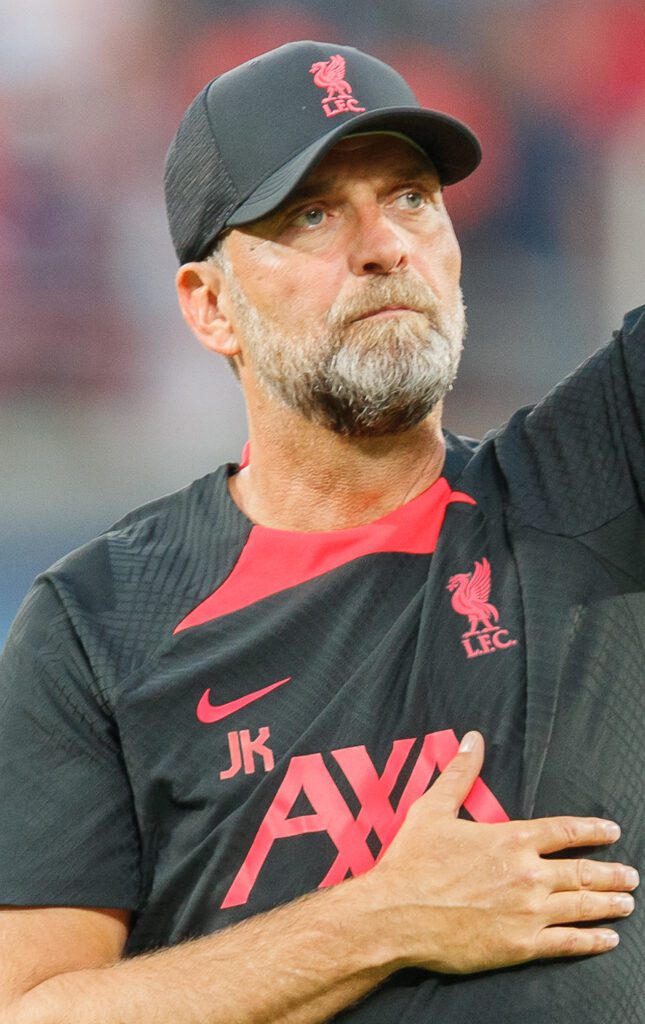
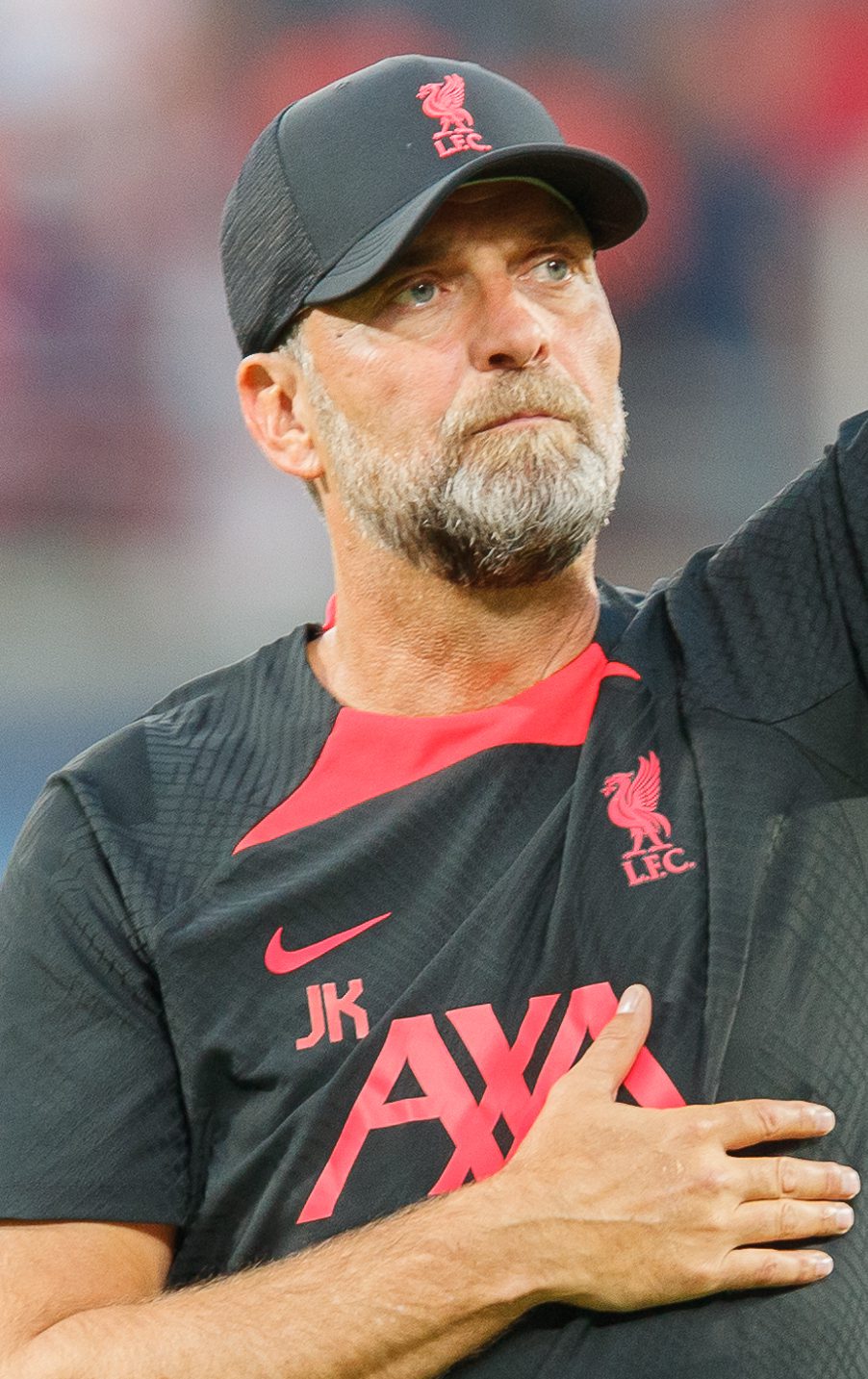
How did Jürgen Klopp build this fortune?
The answer unfolds through the career, earnings, deals and assets behind the headline estimate.
Jürgen Klopp before the fame
The background and early turning points that shaped Jürgen Klopp’s route to prominence.
Jürgen Norbert Klopp was born on 16 June 1967 in Stuttgart and grew up in Glatten, a village in the Black Forest, the son of a travelling salesman who had kept goal himself and pushed his children hard at sport.
It is worth holding on to that modest provincial start, because the earnings curve that follows is steep even by football’s standards: a man who spent his whole playing career outside the top division became one of the best-paid coaches in the game.
As a player Klopp was a journeyman. After spells in the lower leagues around Frankfurt he joined Mainz 05 in 1990 and stayed eleven years, converting from striker to right-back and making more than 300 league appearances in Germany’s second division. Second-tier wages in the 1990s were a working salary rather than wealth, and our estimate for the playing career is roughly €2 million gross.
In February 2001 Mainz made him manager while he was still registered as a player. He stayed seven years, taking the club into the Bundesliga in 2004, and on our estimate earned something like €5 million in total over that spell — a figure that started below €400,000 a year and had roughly tripled by the end.
Jürgen Klopp’s breakthrough years
The career decisions and defining moments that turned recognition into sustained earning power.
Borussia Dortmund hired him in 2008, and the next seven years made him famous. He won the Bundesliga in 2010-11 and 2011-12, the second of those with a domestic double, and reached the 2013 Champions League final at Wembley. Reported salary levels at Dortmund climbed with the trophies, towards €5 million a year by the end, which puts our estimate for the Dortmund years at about €25 million gross.
Liverpool is where the money changed scale. He arrived in October 2015 and stayed nine seasons. Reporting through that period put his pay at roughly £7 million a year at the outset, rising past £15 million by 2023; the highest figure in circulation came from a DFB vice-president, who told 90min in late 2023, via a German newspaper interview, that Klopp earned €24 million fixed a year plus €26 million in guaranteed advertising income. Taking the reported salary band rather than that outlier, our estimate for the nine Liverpool seasons is approximately €110 million in gross pay.

What Jürgen Klopp’s work can earn
Reported pay, contracts, royalties and performance income reveal how the fortune was funded.
The trophies are the reason the salary went where it did. At Liverpool he won the Champions League in 2019, the club’s first league title in thirty years in 2019-20, the FA Cup in 2022, two League Cups and the Club World Cup. Across Mainz, Dortmund and Liverpool his total gross management pay 2001 to 2026 comes to about €155 million on our estimate, roughly $170 million — a career total, not an annual one, and a figure that belongs to him personally rather than to any club’s accounts. Liverpool’s own turnover in his final seasons ran to well over £500 million a year, and none of that is his money.
There is one documented payment at the end of it. the Press Association reported from Liverpool’s published accounts that Klopp and his coaching staff received £9.6 million on leaving in 2024, a sum shared across the group rather than paid to him alone.
He has been German Football Manager of the Year three times, won the Best FIFA Men’s Coach award in 2019 and 2020, and is a Freeman of the City of Liverpool. In Germany the recognition ran deeper still: when the DFB announced him as national head coach on 24 July 2026, Bundesliga.com covered the unveiling live from the DFB Campus in Frankfurt, which is not how an ordinary coaching appointment is treated.

Jürgen Klopp’s business beyond the main career
Endorsements, ownership interests and investments can keep compounding long after the initial breakthrough.
Klopp has been a steady commercial presence in Germany for two decades, fronting campaigns for car, beer, confectionery and sportswear brands, and that income is the second real stream in his wealth. The DFB official’s claim of €26 million a year in guaranteed advertising sits far above anything else reported, so the working does not use it.
Our estimate instead applies €1.5 million to €4 million a year across the fifteen years since the first Dortmund title, giving €22 million to €60 million gross and a midpoint near €40 million. It assumes national campaigns rather than one global deal, which is what his advertising record looks like.
His one corporate role sits between coaching and executive work. ABC News reported in October 2024 that he would become Head of Global Soccer at Red Bull, and Red Bull confirmed he started on 1 January 2025, with strategic oversight of the group’s clubs in Leipzig, Salzburg, New York, Brazil and Japan rather than day-to-day management. Sky Sports reported that his agreement carried an exit clause for the Germany job specifically.
It paid well. Sky Sports Germany put the Red Bull salary at between €10 million and €12 million a year, so the eighteen months he served is worth about €16 million gross in the working below.
Jürgen Klopp’s notable luxury item
A reported property or major asset offers a tangible glimpse of the wealth behind the public estimate.
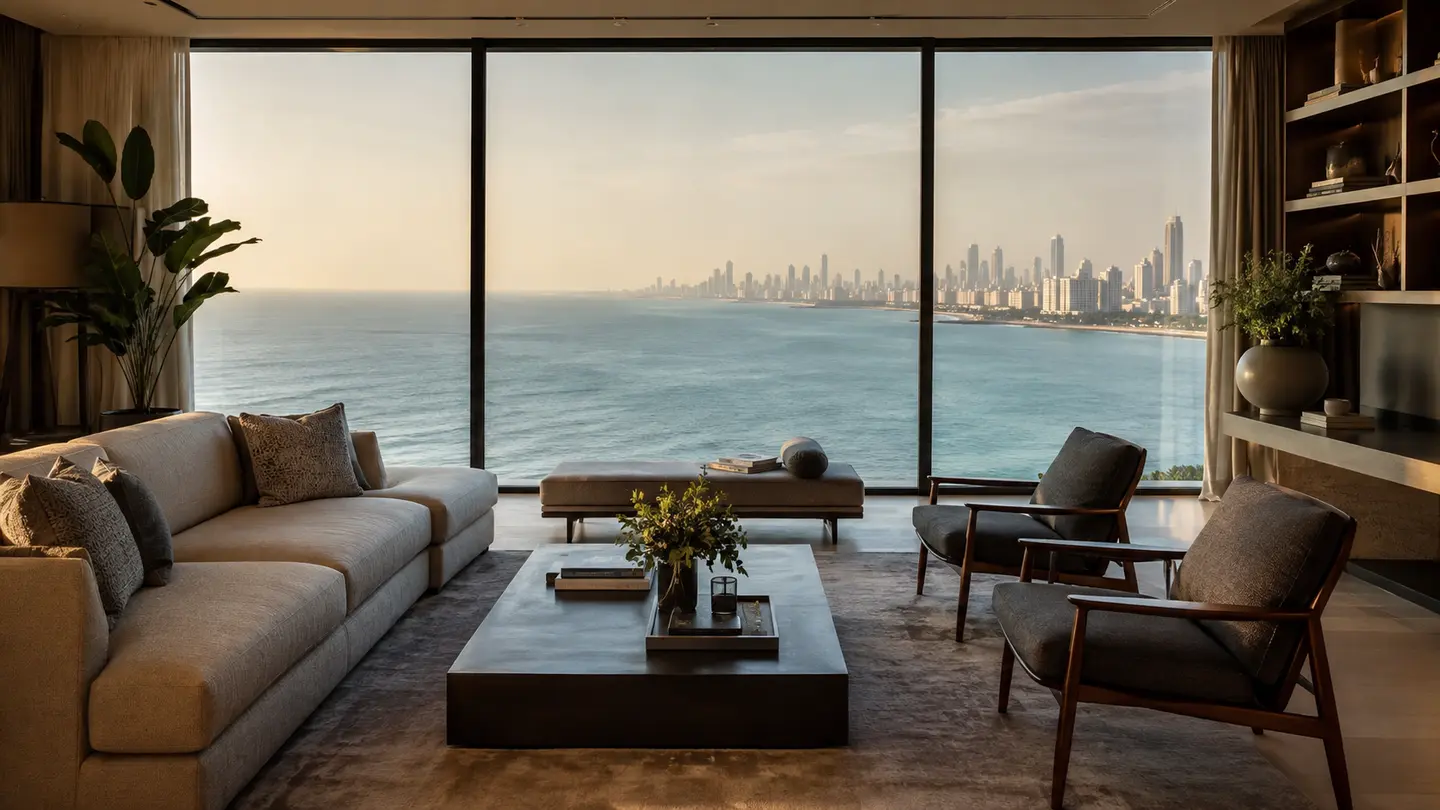
Klopp’s holdings follow his jobs. He lived in Formby on Merseyside through the Liverpool years and has since moved his base back to Germany for the DFB role. Residential property at the level a coach on his salary buys in those two markets is a mid-seven-figure rather than an eight-figure component, and that is how the working treats it.
The larger part of his balance sheet is retained post-tax income from twenty-five years of rising salaries, which is how a salaried coach rather than a club owner accumulates money.
Jürgen Klopp’s estimated net worth
Public estimates vary because private contracts, investments, taxes and liabilities are not fully disclosed.
How this estimate is calculated
The craft input is gross management pay: roughly €5 million at Mainz, €25 million at Dortmund, €110 million across nine Liverpool seasons, €16 million for eighteen months at Red Bull, and about €1.2 million of the reported €7 million Germany salary earned since 15 August. That is approximately €155 million, plus €2 million from playing. The remaining years of the DFB contract are future pay and excluded.
Tax takes the larger share. The Liverpool seasons fell under UK rates of 45 per cent plus national insurance and the German and Austrian years under combined rates in the high forties, so an effective 50 to 54 per cent leaves net career salary of roughly €72 million to €79 million. Endorsements at a €40 million gross midpoint add about €19 million net. Against that we set twenty-five years of living costs and property purchases at €18 million to €25 million, and add €20 million to €30 million of compounding on savings accumulated since 2011.
The working supports a range of $85 million to $135 million, and we publish its midpoint. The input that matters most is the Liverpool salary band, because nine seasons of it dominate everything else: were the €24 million fixed figure right for the later years rather than an outlier, the headline would move past the top of the range. A German tax filing or an English club disclosure of individual manager pay would settle it; until then those nine years are a reported band rather than a known number.
Confidence: Partly documented — the club roles, dates and the £9.6 million departure payment are on the record, while the salary levels behind nine of his twenty-five management years are reported rather than filed.
His public image has been one of football’s most commercially valuable, built on visible warmth rather than aloofness, and he has used it: he fronted Liverpool’s fan-facing charitable work, supported the LFC Foundation, and in Germany has lent his name to the Red Bull group’s Wings for Life spinal research foundation. Yahoo Sports reported him saying at his DFB unveiling that he would walk away from the job if the media went after his family, which is as close as he comes to a stated condition on his own fame.
The Red Bull appointment was the contentious one. Supporters of both Mainz and Dortmund objected publicly to a figure so closely identified with their clubs joining a group that owns a Bundesliga rival. In February 2026 a Salzburg newspaper reported his position was under threat; ESPN reported a senior Red Bull executive dismissing that as nonsense.
The Liverpool exit was on his own terms: he announced in January 2024 that he was running out of energy and would leave at the end of the season. The DFB move followed Julian Nagelsmann stepping down on 3 July 2026 after Germany’s World Cup exit to Paraguay; Klopp took over on 15 August and his first international window came in late September.