
 How Much Are They Worth?
Celebrity fortunes, explained
How Much Are They Worth?
Celebrity fortunes, explained



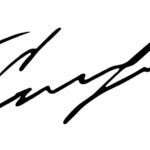






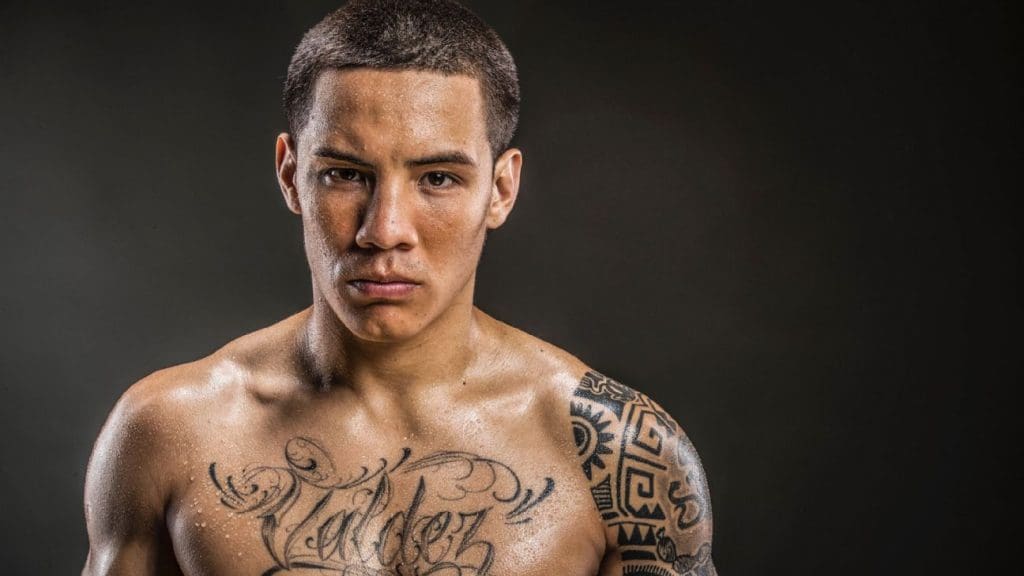
How did Oscar Valdez build this fortune?
The answer unfolds through the career, earnings, deals and assets behind the headline estimate.
Oscar Valdez before the fame
The background and early turning points that shaped Oscar Valdez’s route to prominence.
Oscar Rafael Valdez Fierro Jr. was born on December 22, 1990, in Nogales, Sonora, Mexico, and moved with his family to Tucson, Arizona, at the age of one (Wikipedia). When his parents divorced around his tenth birthday, Valdez moved back across the border to Nogales to live with his father, a former boxer who ran a small local gym, while the family went through a genuinely difficult stretch financially. Valdez later described that period bluntly to the Las Vegas Review-Journal: “You never want to complain, but we were pretty much homeless. My dad would move house to house with friends,” and he has said the stakes of his boxing career were never abstract to him, recalling, “If I don’t do well, my family doesn’t eat” (Las Vegas Review-Journal). That cross-border upbringing between Sonora and Arizona would go on to define both his fan base and his public identity as a fighter.
Before boxing, Valdez was a competitive youth swimmer in Arizona, and it was only after moving back to Nogales at around age ten that he began training seriously at his father’s gym (Las Vegas Review-Journal). He developed into one of the most decorated amateurs of his generation, winning gold at the 2008 AIBA Youth World Championships, a bronze medal at the 2009 World Amateur Boxing Championships that made him the first Mexican boxer to medal at a Boxing World Championships, gold at the 2010 Central American and Caribbean Games, and silver at the 2011 Pan American Games, before competing for Mexico at the 2012 London Olympics (Wikipedia). Valdez turned professional on November 3, 2012, stopping Angel Prado in the second round, and signed a multi-year promotional contract with Top Rank shortly after leaving the amateur ranks, the deal that would carry him through the rest of his headlining career.
Oscar Valdez’s breakthrough years
The career decisions and defining moments that turned recognition into sustained earning power.
Valdez climbed the featherweight rankings unbeaten through the early-to-mid 2010s, and on July 23, 2016, he stopped Matias Rueda in the second round to win the vacant WBO featherweight world title, improving to 20-0 (Wikipedia). He defended the belt several times over the next two years, including a September 2017 unanimous-decision win over Genesis Servania reported to have paid him around $400,000, before the fight that made his name outside hardcore boxing circles: a brutal, back-and-forth unanimous-decision win over Britain’s Scott Quigg in March 2018 that was named a Fight of the Year contender, with his reported purse for that bout ranging from a roughly $420,000 base figure to as much as $1.5 million once pay-per-view revenue shares are included, depending on the source (EssentiallySports). The Quigg war established Valdez as a genuine action-fighter draw for Top Rank, setting up the bigger stage that would follow.

What Oscar Valdez’s work can earn
Reported pay, contracts, royalties and performance income reveal how the fortune was funded.
Valdez vacated his WBO featherweight title in July 2019 to campaign at 130 pounds, and on February 20, 2021, he produced the signature win of his career, knocking out previously unbeaten Miguel Berchelt in the tenth round to capture the WBC super featherweight title in a fight later honored as Knockout of the Year, with Valdez’s guaranteed purse reported at around $500,000 (Wikipedia). He retained the title with a unanimous-decision win over Robson Conceicao that September, then lost it by unanimous decision to Shakur Stevenson on April 30, 2022, in a fight where disclosed purses had Stevenson earning roughly $1 million against Valdez’s approximately $500,000 (EssentiallySports). Valdez added a WBO interim super featherweight title with a win over Liam Wilson in March 2024, but dropped decisions to Emanuel Navarrete in August 2023 and again by sixth-round knockout in their December 2024 rematch, leaving his record at 32-3 with 24 knockouts and his championship prospects considerably diminished heading into the back half of his career (ESPN).
Valdez’s success made him a genuine hero in his home city, where a life-sized statue of him was unveiled at the entrance to the Estrellas Nogalenses sports complex and city officials in Nogales, Sonora, presented him with a symbolic key to the city in recognition of his career and his example for the region’s youth (Tucson.com). Within the sport, his knockout of Miguel Berchelt was widely recognized as one of the best of 2021, and his amateur bronze medal at the 2009 World Championships stands as a genuine national first, the earliest world-championship medal by a Mexican boxer in the tournament’s history (Wikipedia). Between his Olympic pedigree, his two-division world titles, and his hometown honors, Valdez is regularly cited among the most accomplished Mexican boxers of his generation outside the sport’s very biggest pay-per-view stars.

Oscar Valdez’s business beyond the main career
Endorsements, ownership interests and investments can keep compounding long after the initial breakthrough.
As one of Mexican boxing’s more recognizable modern names, Valdez has carried sponsor branding from Gatorade, Mexican telecom giant Telmex, and a regional Toyota dealership, among other smaller partners named in his fight-week promotional material (EssentiallySports). These deals sit alongside the standard promotional infrastructure of his Top Rank contract, which itself functions as a major, if indirect, income stream by guaranteeing him placement on network and pay-per-view cards. No global apparel or equipment endorsement on the scale of boxing’s very top pay-per-view names has been publicly reported for Valdez, consistent with a fighter whose drawing power has been real but regional rather than transcendent.
Valdez has not built a documented business empire outside the ring; the clearest commercial venture tied to his name is his own branded apparel and merchandise line, sold to fans under his “Wear” label alongside training gear and fight-night clothing (EssentiallySports). No public reporting connects him to restaurant, real estate, or media company ownership of the kind seen with some of his higher-earning peers, and his financial profile remains built almost entirely around fight purses and endorsement income rather than outside investments or company stakes.

Oscar Valdez’s notable luxury item
A reported property or major asset offers a tangible glimpse of the wealth behind the public estimate.
No probate filing, property deed, or verified press account of Oscar Valdez’s real estate holdings has surfaced publicly. Lower-tier celebrity-finance sites report that he owns a home in Mexico that includes an outdoor menagerie of birds and animals, including a crocodile he has featured on social media, along with two trucks, a Toyota Tundra and a Ram pickup, but these details trace back to entertainment aggregator sites rather than public records, and HMW treats them as unconfirmed rather than documented fact (TheSportsLite, secondary source). Absent any surfaced deed or estate record, Valdez’s property portfolio should be treated as unverified rather than estimated.
Oscar Valdez’s estimated net worth
Public estimates vary because private contracts, investments, taxes and liabilities are not fully disclosed.
How this estimate is calculated
HMW’s estimate starts from Valdez’s documented fight purses across a headlining career that has run from 2016 to the present: a roughly $400,000 payday against Genesis Servania in 2017, a Scott Quigg purse reported anywhere from about $420,000 to $1.5 million once pay-per-view shares are counted, an approximately $500,000 guarantee for the career-defining Berchelt knockout in 2021, and another roughly $500,000 from his 2022 loss to Shakur Stevenson, plus further undisclosed purses from his WBO title reign, his Conceicao and Liam Wilson defenses, and his two fights against Emanuel Navarrete (EssentiallySports, EssentiallySports). Industry reporting has estimated his total career purses at more than $5 million across 32-plus professional bouts, and that figure is bolstered by sponsorship income from brands including Gatorade, Telmex, and Toyota, plus revenue from his own merchandise line, though a meaningful share of those earnings would have gone to promoter, manager, and trainer cuts, taxes, and training expenses typical of the sport. Celebrity-finance aggregator sites circulate figures ranging as widely as $2.1 million to $10.5 million, a spread wide enough that HMW treats those specific numbers as unreliable and instead weighs the documented purse history against typical boxing overhead and his back-to-back losses late in his career, which have likely reduced his earning power going forward.
Valdez has stayed closely tied to his home region’s youth sports scene, headlining the “Somos Mas” community fundraiser in Nogales, Sonora, an event built around youth athletics that grew from a footrace into a broader sports, arts, and culture festival carrying his name recognition (Nogales International). He has also spoken publicly about representing the cross-border community he grew up in, framing his fights as a chance to show that Mexican immigrants and their children belong and can succeed on both sides of the border, a message that resonates strongly with his fan base in Nogales and Tucson alike (Tucson.com). No dedicated charitable foundation bearing his name has been documented, and his public-image work is best described as hometown ambassadorship rather than institutional philanthropy.
The most serious controversy of Valdez’s career came in August 2021, when a sample he provided on August 13 under the WBC’s VADA-administered Clean Boxing Program tested positive in both the A and B samples for phentermine, a banned central nervous system stimulant, just weeks before his scheduled WBC title defense against Robson Conceicao (ESPN). Valdez’s attorney said the fighter had no knowledge he had taken the substance and suggested it may have come from an herbal tea, and rather than stripping him of his title or suspending him, the WBC ruled that phentermine did not qualify as performance-enhancing under its standards, with WBC president Mauricio Sulaiman comparing its effect to “three Red Bulls” and clearing Valdez to fight on schedule, a decision that drew sharp criticism from rival fighters and antidoping advocates who argued the sport was picking and choosing which positive tests to punish (BoxingNews24). Valdez went on to win the Conceicao fight by unanimous decision while under a WBC probationary status tied to the case, and he ultimately lost the super featherweight title in the ring eight months later to Shakur Stevenson rather than through any doping sanction, but the episode remains a lasting mark on his record that HMW treats as a documented part of his public history rather than a minor footnote.