
 How Much Are They Worth?
Celebrity fortunes, explained
How Much Are They Worth?
Celebrity fortunes, explained






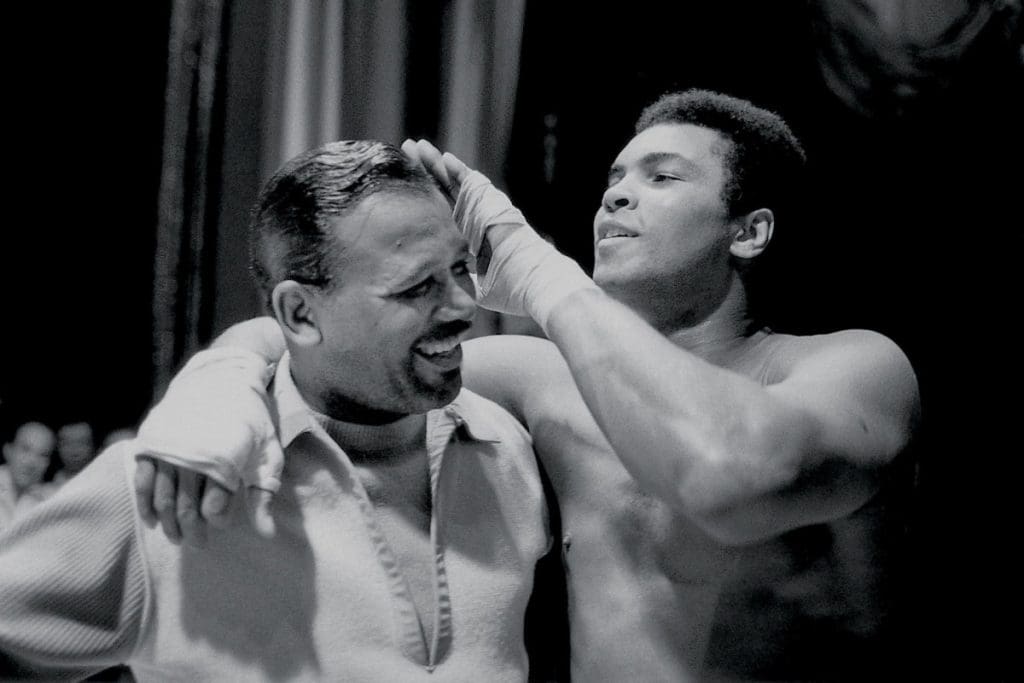
How did Sugar Ray Robinson build this fortune?
The answer unfolds through the career, earnings, deals and assets behind the headline estimate.
Sugar Ray Robinson before the fame
The background and early turning points that shaped Sugar Ray Robinson’s route to prominence.
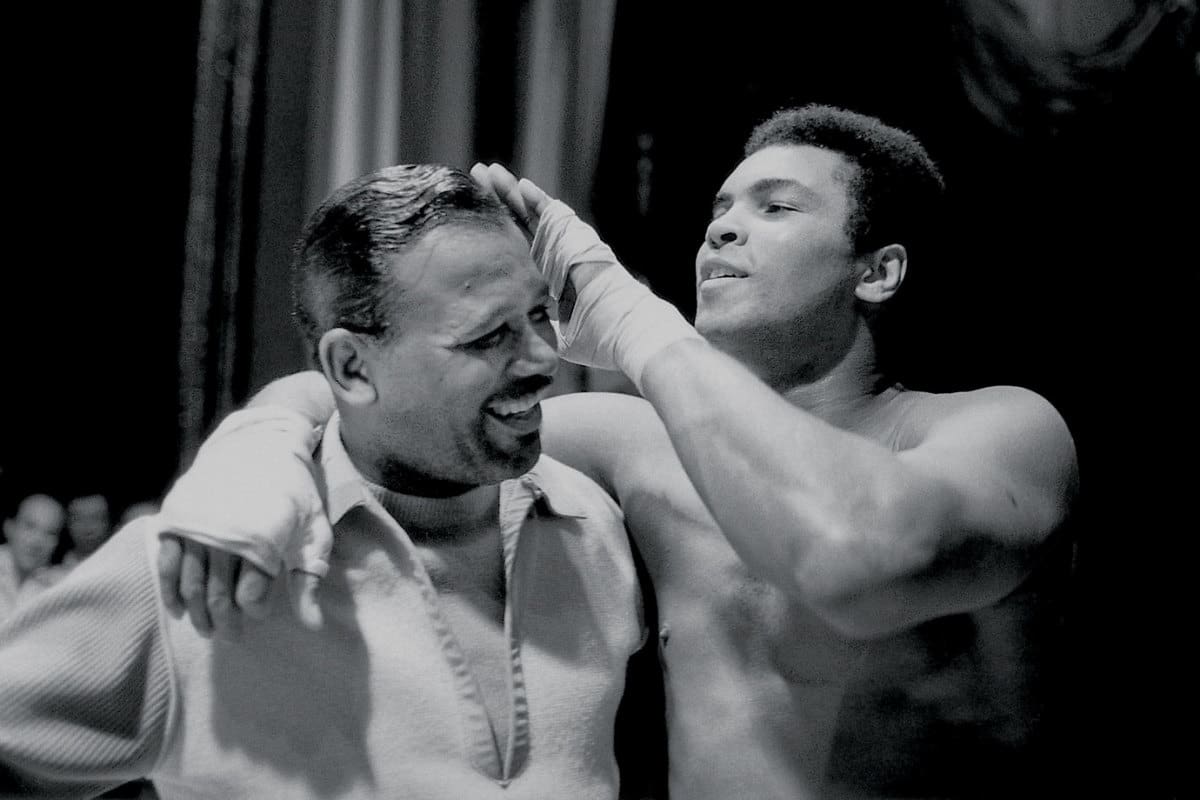
Robinson was born on May 3, 1921, in Ailey, Georgia, and moved with his family first to Detroit and then to Harlem, New York, according to his Wikipedia biography. He took the ring name Ray Robinson, and later Sugar Ray Robinson, after borrowing another amateur fighter’s registration card so he could compete before he held his own license. Robinson compiled an amateur record cited at roughly 85 wins without a loss, winning New York Golden Gloves titles as a featherweight in 1939 and a lightweight in 1940, credentials that made him one of the most anticipated professional debuts of his era according to Britannica.
Robinson turned professional in October 1940 and was paid a purse of just $150 for his debut fight, a figure widely cited in accounts of his rise through the professional ranks, according to Encyclopedia.com. His purses grew quickly as his reputation for speed, technique and punching power spread through New York boxing circles; by 1941 he reportedly earned $6,000 for a single ten round decision, a substantial sum for a fighter still years from a title shot. He built his early record largely in New York and Ohio rings, stringing together dozens of consecutive wins before he faced his first world class opposition.
Sugar Ray Robinson’s breakthrough years
The career decisions and defining moments that turned recognition into sustained earning power.
Robinson’s signature rivalry with Jake LaMotta began in October 1942 and stretched across six fights over nine years, one of the longest series between the same two boxers in the modern gloved era according to Wikipedia’s dedicated account of the series. Robinson won five of the six meetings, including the sixth and most famous, a February 14, 1951 middleweight title bout in Chicago stopped in the 13th round and remembered as the “St. Valentine’s Day Massacre.” He had already won the world welterweight championship on December 20, 1946, defeating Tommy Bell for the vacant title, before moving up in weight to beat LaMotta for the undisputed middleweight crown.

What Sugar Ray Robinson’s work can earn
Reported pay, contracts, royalties and performance income reveal how the fortune was funded.
Robinson went on to win the world middleweight title five separate times between 1951 and 1958, against opponents including Randolph Turpin, Gene Fullmer and Carmen Basilio, becoming the first boxer in history to win a divisional world championship on five occasions. His final professional record stands at 174 wins, 109 by knockout, against 19 losses, 6 draws and 2 no contests across 201 bouts, and he was inducted into the International Boxing Hall of Fame’s inaugural class in 1990. Ring Magazine named him the best fighter of its first 75 years of publication in 1997 and ranked him number one on its list of the 80 best fighters of the preceding 80 years in 2002, a ranking summarized by LiveAbout’s overview of the magazine’s all time rankings.
Robinson’s standing has only grown since his career ended. Ring Magazine more recently placed him first on its list of the 25 greatest American fighters of all time, ahead of Muhammad Ali and Joe Louis, according to Yardbarker’s coverage of the ranking. He was also the subject of extensive contemporary magazine coverage during his career, including photo features chronicling his fights and his celebrity lifestyle archived at SI.com. He was posthumously honored with a U.S. Postal Service commemorative stamp in 2006 and inducted into the Madison Square Garden Walk of Fame in 1992, recognition that has kept his name current with boxing fans decades after his final fight.
Sugar Ray Robinson’s business beyond the main career
Endorsements, ownership interests and investments can keep compounding long after the initial breakthrough.
Robinson built his career and his public profile before the modern athlete endorsement era, and there is no detailed public record of formal sponsorship contracts comparable to what modern champions sign. His income outside the ring came instead from his own ventures, personal appearances, and a brief and largely unsuccessful attempt at a nightclub singing and dancing act after his first retirement in 1952, noted in his Wikipedia biography. That pattern, earning through direct business ownership rather than third party endorsement deals, was typical of top Black athletes of the 1940s and 1950s, who were largely shut out of the national advertising contracts available to white stars of the period.
Away from the ring, Robinson became one of Harlem’s most visible Black owned business operators, opening a strip of storefronts along Seventh Avenue between 123rd and 124th Streets from the mid 1940s into the early 1960s. According to Harlem World Magazine, his holdings included Sugar Ray’s nightclub, the Golden Gloves Barber Shop, Sugar Ray’s Quality Cleaners, and Edna Mae’s Lingerie Shop, named for his wife. The nightclub in particular became a fixture of Harlem nightlife, drawing Frank Sinatra, Jackie Gleason, Nat King Cole, Joe Louis and Joe DiMaggio, before the businesses were sold off in the mid 1950s as his finances deteriorated.

Sugar Ray Robinson’s notable luxury item
A reported property or major asset offers a tangible glimpse of the wealth behind the public estimate.
Robinson’s most significant documented asset was not a private residence but his Harlem commercial real estate, a stretch of storefronts his family has described as amounting to nearly a full city block at his peak. His son, Ray Robinson Jr., told Harlem World Magazine that “at one time my father owned the whole block,” but that a manager later sued him and ended up taking control of the properties, a dispute that preceded the sale of the storefronts in 1955. That loss of his commercial real estate holdings, on top of the closure of the nightclub and other Seventh Avenue businesses, is the most specific documented erosion of his major assets and a central reason his estate did not reflect his career peak wealth by the time of his death.
Sugar Ray Robinson’s estimated net worth
Public estimates vary because private contracts, investments, taxes and liabilities are not fully disclosed.
How this estimate is calculated
Robinson’s career fight income is most often put at roughly $4 million in period dollars, equivalent to about $30 million adjusted for inflation, a figure widely repeated across boxing histories including Encyclopedia.com’s profile of his career. Purses climbed steeply from his $150 professional debut to a combined total in excess of $250,000 for his final two fights of 1951, but a large share of that income was absorbed by a top marginal federal tax rate above 90 percent through the early 1950s and by back taxes the IRS pursued through the following decade, reportedly seizing $171,000 from his 1955 comeback purses alone. By the time of his December 1965 Madison Square Garden tribute night, contemporaries recalled he did not own a piece of furniture sturdy enough to hold the trophy he was given. Secondary sources including Celebrity Net Worth, used here only as a supplementary reference rather than a primary one, put his net worth at his April 1989 death at roughly $500,000. HMW treats that widely circulated figure as directionally consistent with the well documented account of his tax troubles, the 1955 loss of his Harlem properties, and his own public acknowledgment of being broke by the mid 1960s, but not as a precisely sourced probate figure, and estimates his net worth at death within a range built around that reported number.
$300 Thousand – $700 Thousand (net worth at death, 1989)
In 1969 Robinson founded the Sugar Ray Robinson Youth Foundation to serve inner city young people in Los Angeles, a program his Wikipedia biography notes deliberately did not center on boxing instruction. Publicly, Robinson was as well known for his flamboyant image as for his philanthropy: he traveled with a large paid entourage that included a barber, a masseur and a voice coach, and drove a pink Cadillac that became one of the most recognizable symbols of a boxing champion’s lifestyle in the 1950s. That larger than life persona helped make him one of the first Black athletes to achieve mainstream celebrity status outside the sports pages, a legacy later credited by champions including Sugar Ray Leonard and Muhammad Ali.
The defining controversy of Robinson’s career was his June 24, 1947 welterweight title defense against Jimmy Doyle, who died from head injuries hours after being stopped in the eighth round, the first fatality in a modern era world title bout according to Boxing News. Robinson had reportedly tried to withdraw from the fight after dreaming he would kill Doyle in the ring and needed to be talked into fighting by a priest and a minister, according to Wikipedia’s account of Doyle’s career and death; Robinson later set up a trust for Doyle’s parents funded from his subsequent fight purses. Later in life Robinson faced a paternity lawsuit filed in December 1959, which a court decided in his favor in 1963, and he separately drew scrutiny over unpaid federal income taxes that followed him through much of his post title career.